


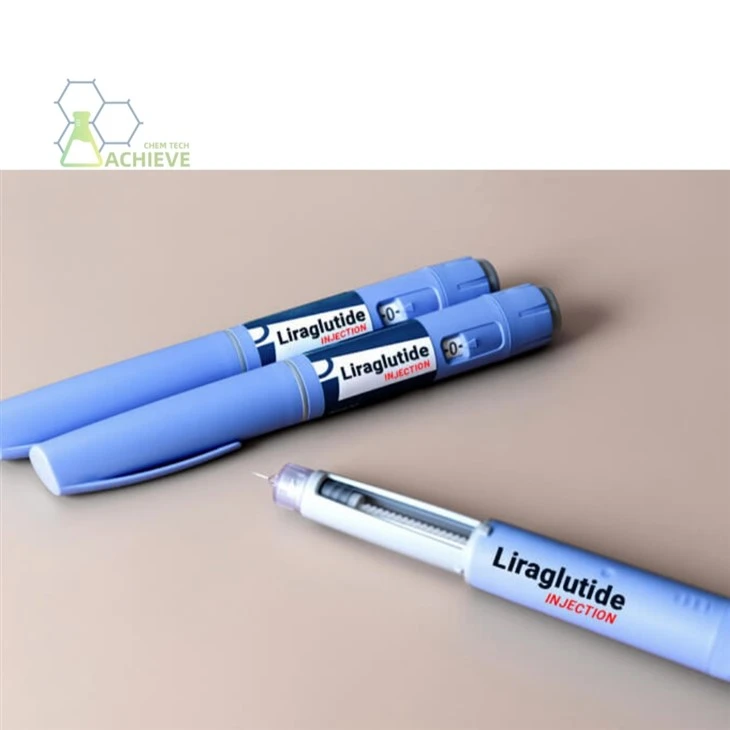


Shaanxi BLOOM Tech Co., Ltd. is one of the most experienced manufacturers and suppliers of liraglutide injection in China. Welcome to wholesale bulk high quality liraglutide injection for sale here from our factory. Good service and reasonable price are available.
Liraglutide Injection is an artificially synthesized acylated glucagon like peptide-1 (GLP-1) receptor agonist, belonging to the category of biological products. Its product names include "Novo Nordisk" (produced by Novo Nordisk) and "Lirupin" (produced by Hangzhou Zhongmei Huadong Pharmaceutical Co., Ltd.). The drug is produced through genetic recombination technology using Escherichia coli or yeast, and its chemical structure shares 97% amino acid sequence homology with endogenous human GLP-1.
The molecular structure of Liraglutid has been specially designed, with the 34th lysine of the natural GLP-1 molecule replaced by arginine and an additional fatty acid side chain added to the 26th lysine. This molecular modification not only preserves the biological activity of GLP-1, but also significantly prolongs its binding time with proteins, overcoming the disadvantage of natural GLP-1 being easily degraded. Therefore, Lilalutide only needs to be injected subcutaneously once a day, which can show significant clinical advantages in the treatment of diabetes and weight loss.
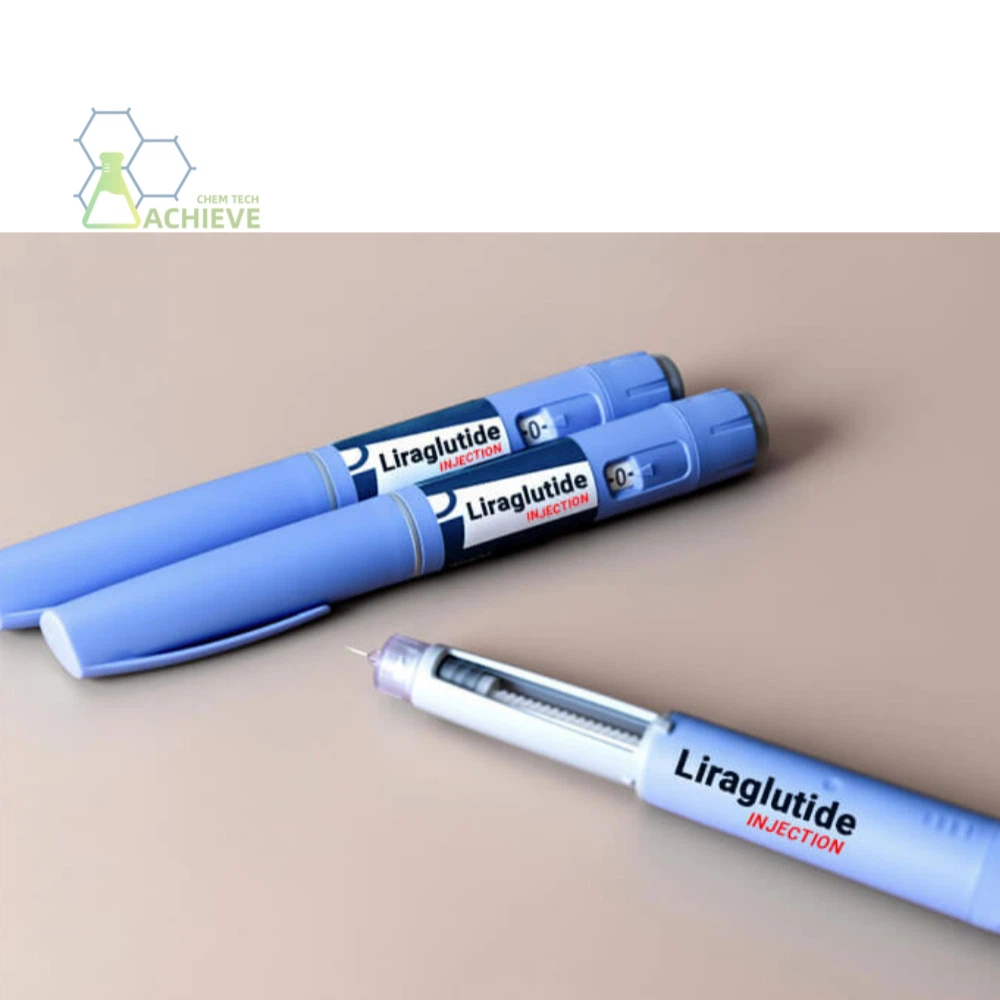
The dosage form of Liraglutid is injectable, specifically in the form of pre filled injection pens or pen refills. This dosage form design is convenient for patients to self inject, improving the convenience and compliance of medication. The injectable form can ensure that the drug directly enters the bloodstream and quickly exerts its efficacy, especially suitable for patients who require precise control of drug dosage.

Specifications
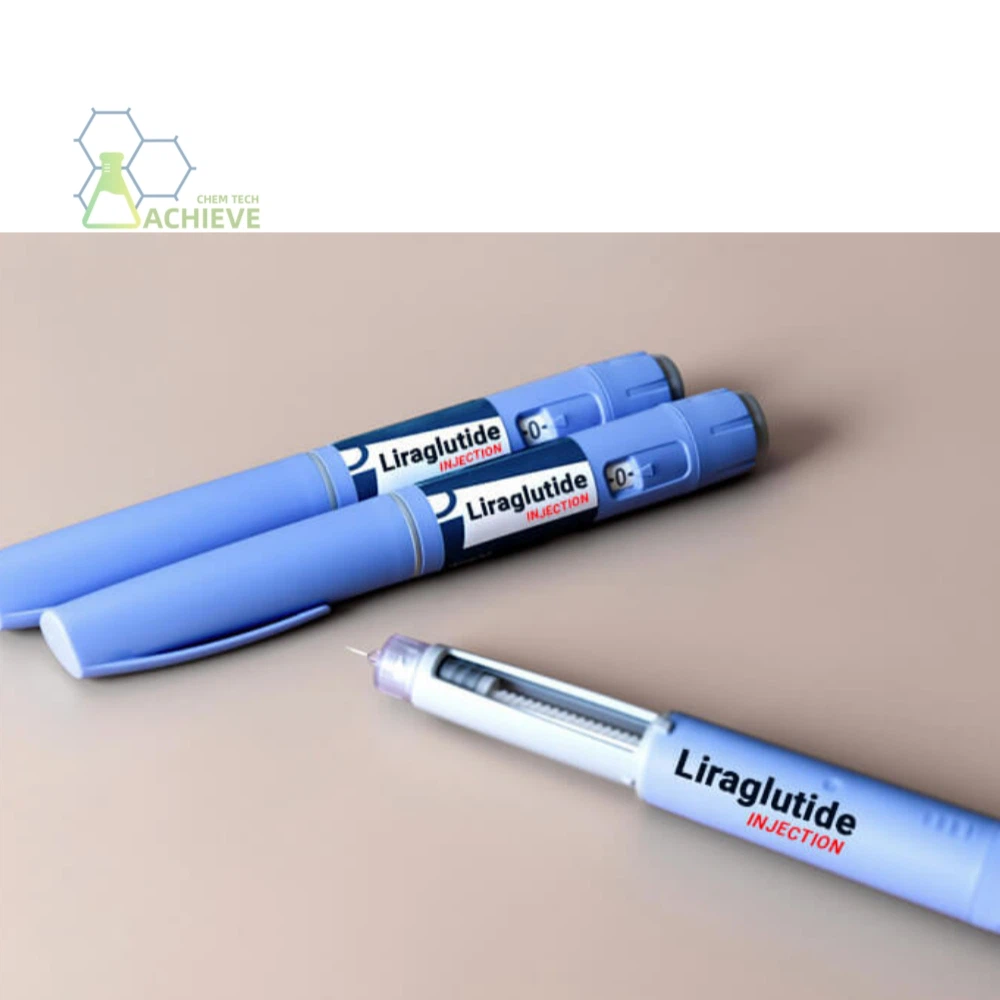
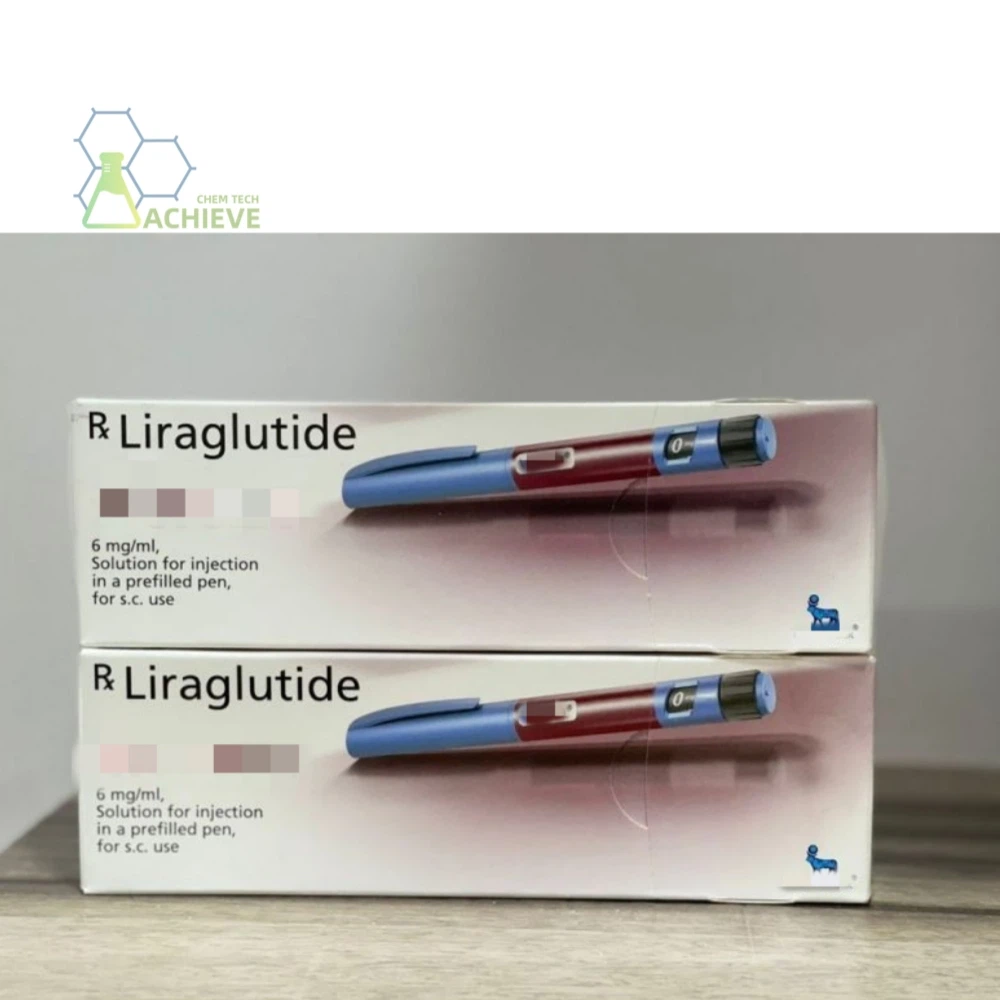
The common specification for Liraglutide Injection is 3ml: 18mg, which means each injection contains 3ml of liquid, with Liraglutid content of 18mg. Each injection uses phenol as a bacteriostatic agent, with 0.55g of phenol added per 100ml. Other ingredients include disodium hydrogen phosphate, propylene glycol, hydrochloric acid and/or sodium hydroxide (as pH regulators), and injection water.
This specification design not only meets the needs of patients for single use medication, but also facilitates portability and storage. Pre filled injection pens are usually equipped with dosage adjustment devices, allowing patients to accurately adjust the dosage of each injection based on their doctor's advice and personal situation.

Our product



Additional information of chemical compound:

Our Product


Liraglutide+. COA


Indications, usage and dosage
Indications:
Liraglutide injection is mainly used for the following indications:
Type 2 diabetes: it is suitable for adult type 2 diabetes patiens to control their blood sugar, especially those patiens whose blood sugar is still poorly controlled after the maximum tolerable dose of metformin or sulfonylurea drugs is used alone. This drug can be used in combination with metformin or sulfonylurea drugs to further improve blood glucose control.
Cardiovascular protection: it is applicable to reduce the risk of major cardiovascular adverse events (such as cardiovascular death, non fatal myocardial infarction or non fatal stroke) in adult patiens with type 2 diabetes accompanied by cardiovascular disease.
Weight management: Suitable for adult patiens who require long-term weight management, as an adjuvant therapy for low calorie diets and increased exercise. The initial body mass index (BMI) should be ≥ 30kg/m ² (obesity) or ≥ 27kg/m ² (overweight) with at least one weight related complication (such as hypertension, type 2 diabetes or dyslipidemia).


Usage and Dosage
Initial dose: To improve gastrointestinal tolerance, the initial dose of liraglutid is 0.6mg per day.
Dose escalation: After at least one week, the dose should be increased to 1.2mg. It is expected that some patiens will benefit from increasing the dose from 1.2mg to 1.8mg.
Based on clinical response, in order to further improve glycemic control, the dose can be increased to 1.8mg after at least one week. It is recommended that the daily dose not exceed 1.8mg (for blood glucose control) or 3.0mg (for weight management).
Administration method: This product is injected once a day and can be injected at any time without the need to administer according to meal times. Subcutaneous injection can be administered, and the injection site can be chosen from the abdomen, thigh, or upper arm.


There is no need to adjust the dosage when changing the injection site and time, but it is recommended to inject at the same time every day and choose the most convenient time every day.
Combination therapy: Liraglutid can be used in combination with metformin for treatment without changing the dosage of metformin. When used in combination with sulfonylurea drugs, reducing the dosage of sulfonylurea drugs should be considered to lower the risk of hypoglycemia.
Medication for special populations
Renal dysfunction: Patients with mild renal dysfunction (creatinine clearance rate ≥ 30ml/min) do not require dose adjustment. This product is not recommended for patiens with severe renal impairment (creatinine clearance rate<30ml/min), including end-stage renal disease patiens.
Liver function impairment: It is not recommended to adjust the dosage for patiens with mild or moderate liver impairment. This product is not recommended for patiens with severe liver damage, and should be used with caution for patiens with mild or moderate liver damage.


Pregnancy and lactation: Data on the use of liraglutid in pregnant women is not sufficient, and animal test results suggest its reproductive toxicity. Therefore, this product should not be used during pregnancy, and insulin is recommended at this time. If the patient plans to become pregnant or is already pregnant during the treatment period, the treatment with this product should be stopped.
It is not clear whether liraglutid is secreted in human milk, but animal test results have shown that its structurally closely related metabolites are present in low levels in breast milk. Due to lack of relevant experience, this product should not be used during lactation.
Children: The safety and efficacy of liraglutide injection have not been determined in minors, therefore it is not recommended for use in children and adolescents under the age of 18.


In five large-scale clinical trials, more than 2500 patients have received monotherapy with norepinephrine or combination therapy with metformin, sulfonylureas (with or without metformin), or metformin plus pioglitazone.
The frequency of adverse reactions is defined as follows:
Very common (1/10), common (1/100,<1/10>; rare adverse reactions (1/1000,<1/100), rare adverse reactions (1/1000,<1/1000), very rare adverse reactions (<1/10, ooo>; unknown (cannot be evaluated based on existing data). In each frequency group, adverse reactions are listed in descending order of severity.
The common adverse reactions during clinical trials are gastrointestinal discomfort:
Nausea and diarrhea are very common, while vomiting, constipation, abdominal pain, and indigestion are common. In the initial stage of Novotherapy, the frequency of these gastrointestinal adverse reactions may be high. The above adverse reactions usually alleviate within a few days or weeks of treatment. Headaches and upper respiratory tract infections are also common adverse reactions.
In addition, hypoglycemic events are common adverse reactions, and they are very common when combined with sulfonylurea drugs. Severe hypoglycemia mainly occurs when Novolopramide is used in combination with sulfonylureas.
Common adverse events include gastrointestinal diseases and infections and infections.
Hypoglycemia: Most confirmed hypoglycemic events in clinical studies are mild. No severe hypoglycemic events were observed in the study of monotherapy with norepinephrine. Severe hypoglycemia is relatively rare and mainly occurs when combined with sulfonylurea drugs (0.02 events/patient year). Very few hypoglycemic events (0.001 events/patient year) were observed when Novolac was combined with oral antidiabetic drugs other than sulfonylureas.
Gastrointestinal adverse reactions: Most nausea is mild to moderate, transient, and rarely leads to treatment cessation. When combined with metformin, 20.70/a patiens reported at least one nausea event, and 12.6% of patiens reported at least one diarrhea event. When combined with sulfonylureas, 9.1% of patients reported at least one nausea event, and 7.9% of patiens reported at least one diarrhea event. Most events are mild to moderate and dose-dependent. Most patient who initially experience nausea symptoms experience a decrease in frequency and severity with continued treatment. Patients over 70 years old may experience multiple gastrointestinal reactions when receiving treatment with norepinephrine. Patiens with mild renal impairment (creatinine clearance rate of 60-90ml/min) may experience multiple gastrointestinal reactions when receiving treatment with norepinephrine.
Withdrawal: In long-term (26 weeks or longer) controlled trials, the withdrawal rate due to adverse reactions was 7.8% in patiens treated with Novotherapy, compared to 3.4% in patiens in the control group. The common adverse reactions leading to withdrawal in the Novotherapy group were nausea (2.8%) and vomiting (<1.5%).
Immunogenicity: Consistent with other protein or stomach containing drugs that may have immunogenicity, patiens may develop anti liraglutide antibodies after receiving treatment with norepinephrine. On average, 8.6% of patiens will produce antibodies. The formation of antibodies will not lead to a decrease in the efficacy of norepinephrine.
Injection site reactions: In long-term (26 weeks or longer) controlled trials, approximately 2% of subjects receiving norepinephrine reported injection site reactions. These reactions are usually mild and do not lead to discontinuation of norepinephrine.
Pancreatitis: A small number (<0 2% cases of acute pancreatitis. The causal relationship between norepinephrine and pancreatitis is not yet clear.
Thyroid events: In all medium - and long-term clinical trials, the overall incidence of thyroid adverse events in all liraglutid, placebo, and control groups was 33.5, 30.0, and 21.7 events per 1000 patient years, respectively, while the incidence of severe thyroid adverse events was 5.4 2.1 and 0.8 events per 1000 patient years. Thyroid tumors, elevated blood calcitonin levels, and thyroid nodules were common thyroid adverse events in patients treated with norepinephrine, with incidence rates of 0.5%, 1%, and 0.8%, respectively

Pharmacology, Toxicology, and Clinical Trials

Pharmacological effects
Liraglutide injection reduces blood glucose levels by activating GLP-1 receptors, enhancing insulin secretion, inhibiting glucagon secretion, delaying gastric emptying, and increasing satiety. In addition, liraglutid also has a cardiovascular protective effect, which can reduce the risk of major cardiovascular adverse events in adult patiens with type 2 diabetes accompanied by cardiovascular disease.
Pharmacodynamic effects
The pharmacological effects of liraglutid include reducing fasting and postprandial blood glucose, improving insulin resistance, weight loss, and improving lipid profile. These effects have been fully validated in clinical trials.


Toxicity Study
In animal toxicity studies, liraglutid has shown good safety. However, reproductive toxicity has been observed in pregnant animals, so the use of liraglutid during pregnancy is not recommended.
Clinical trials
In five large-scale long-term clinical trials, over 2500 patients have received either monotherapy with liraglutid or combination therapy with metformin, sulfonylureas (with or without metformin), or metformin plus pioglitazone. These experimental results indicate that liraglutid has significant advantages in reducing blood sugar, weight loss, and improving cardiovascular prognosis.

Frequently Asked Questions
Liraglutide is not only sensitive to heat, alkali, and oxidation, but what is most unexpected is that it does not degrade in strong acids, but directly "physically disappears" - precipitates.
Research has shown that liraglutide is highly sensitive to stress conditions:
Light/Heat/Alkali/Oxygen: Under high temperature or high pH (alkalinity), it will undergo chemical decomposition, producing up to 19 degradation products; Under oxidative conditions, its key residue 'tryptophan' is easily attacked.
Strong acid (low pH): This is the most abnormal point. Encountering strong acid does not cause chemical bond breakage, but rather leads to the physical precipitation of peptide chains (resulting in a cloudy solution).
Uncommon mechanism: This difference stems from its unique fatty acid side chains and three-dimensional structure. Acid can neutralize its charge, disrupt its interaction with water, and cause it to precipitate like denatured proteins; And alkali directly attacks its chemical bonds.
The deactivation may not be attributed to itself, but rather to the ghostly impurities lurking in the auxiliary materials. Conventional purity testing cannot detect them.
Research has found that trace amounts of formaldehyde remaining in certain classic excipients, such as polyethylene glycol PEG, glycerol, and mannitol, can react chemically with histidine at the N-terminus of liraglutide molecules to form adducts such as imidazole pyrimidine.
Cold warning: This situation is referred to as "excipient incompatibility" in the pharmaceutical industry. Even if the purity of the raw material and excipient of Liraglutide is 99.9%, the 0.1% potential impurities (such as lactic acid and glycolic acid produced by PLGA hydrolysis) may still become a "Trojan horse" that destroys the peptide structure.
Hot Tags: liraglutide injection, suppliers, manufacturers, factory, wholesale, buy, price, bulk, for sale