




Shaanxi BLOOM Tech Co., Ltd. is one of the most experienced manufacturers and suppliers of desmopressin injection 4mcg in China. Welcome to wholesale bulk high quality desmopressin injection 4mcg for sale here from our factory. Good service and reasonable price are available.
Desmopressin Injection 4 mcg is a highly purified synthetic antidiuretic hormone, formulated at an accurate dosage of 4 micrograms. It is specifically designed for patients requiring precise, low‑dose regulation of antidiuretic function. Unlike other strengths, this dosage better matches the therapeutic needs of individuals with mild to moderate antidiuretic abnormalities, combining high safety and targeted efficacy.The main ingredient is desmopressin, which mimics the physiological function of endogenous antidiuretic hormone (ADH).
Our Products Form



Desmopressin COA
 |
||
| Certificate of Analysis | ||
| Compound name | Desmopressin | |
| Grade | Pharmaceutical grade | |
| CAS No. | 16679-58-6 | |
| Quantity | 42g | |
| Packaging standard | PE bag+Al foil bag | |
| Manufacturer | Shaanxi BLOOM TECH Co., Ltd | |
| Lot No. | 202601090055 | |
| MFG | Jan 9th 2026 | |
| EXP | Jan 8th 2029 | |
| Structure |
|
|
| Item | Enterprise standard | Analysis result |
| Appearance | White or almost white powder | Conformed |
| Water content | ≤5.0% | 0.27% |
| Loss on drying | ≤1.0% | 0.16% |
| Heavy Metals | Pb≤0.5ppm | N.D. |
| As≤0.5ppm | N.D. | |
| Hg≤0.5ppm | N.D. | |
| Cd≤0.5ppm | N.D. | |
| Purity (HPLC) | ≥99.0% | 99.80% |
| Single impurity | <0.8% | 0.22% |
| Total microbial count | ≤750cfu/g | 208 |
| E. Coli | ≤2MPN/g | N.D. |
| Salmonella | N.D. | N.D. |
| Ethanol (by GC) | ≤5000ppm | 125ppm |
| Storage | Store in a sealed, dark, and dry place below 0°C | |
|
|
||
|
|
||


| Chemical Formula | C46H64N14O12S2 | |
| Exact Mass | 1068.43 | |
| Molecular Weight | 1069.22 | |
| m/z | 1068.43(100.0%), 1069.43(49.8%), 1070.43(12.1%), 1070.42(9.0%), 1069.42(5.2%), 1071.43(4.5%), 1070.43(2.6%), 1070.43(2.5%), 1069.43(1.6%), 1071.43(1.2%), 1071.44(1.1%), 1072.43(1.1%) | |
| Elemental Analysis | C,51.67; H,6.03; N,18.34; O,17.96; S,6.00 | |

Application in Renal Transplantation

Renal transplantation is the first-line treatment for patients with end-stage renal disease, which can significantly improve renal function and quality of life. However, complications such as abnormal urinary function of the graft, bleeding, and renal injury frequently occur postoperatively, severely affecting graft survival and patient prognosis.As a highly purified synthetic antidiuretic hormone preparation, Desmopressin Injection 4 mcg plays an important role in preoperative preparation, intervention of postoperative complications, and protection of graft function due to its precise dosage, mild effect, and favorable safety profile.
It provides effective support for perioperative management and long-term prognosis of renal transplant recipients.Based on authoritative sources, its specific applications, precautions, and clinical value in renal transplantation are described in detail below.
Core Application Scenarios
(1) Preoperative Preparation: Donor Kidney Protection and Recipient Coagulation Optimization
Preoperative donor kidney protection and recipient physiological conditioning directly affect surgical success rate and early graft survival.The product is mainly used for donor renal function protection and recipient coagulation optimization during the preoperative period, especially for brain-dead donors and recipients with bleeding tendencies.

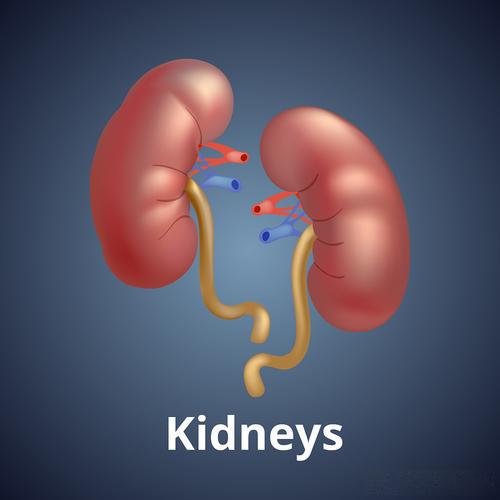
In brain-dead donors, central diabetes insipidus often develops, characterized by massive polyuria and water-electrolyte imbalance. Without timely intervention, this can lead to donor kidney dehydration, renal tubular injury, and reduced graft quality.The product mimics the action of antidiuretic hormone, reduces urine output, maintains water balance in donor renal tissue, protects tubular function, and prevents dehydration-related renal damage.The common clinical regimen is: intravenous administration of the product before graft procurement. A single dose effectively controls diuresis and stabilizes water-electrolyte balance, creating favorable conditions for graft harvesting and preservation.Studies show that administration of this preparation in brain-dead donors significantly reduces the risk of ischemia-reperfusion injury and improves early graft function recovery.
For recipients, preoperative bleeding tendency often results from long-term dialysis and coagulation disorders, increasing intraoperative hemorrhage risk.The product stimulates endothelial release of Factor VIII and von Willebrand factor (vWF), enhancing hemostasis. It is especially suitable for recipients with mild hemophilia, von Willebrand disease, or uremia-related coagulopathy.Subcutaneous or intravenous injection of 4 mcg administered 1–2 hours preoperatively effectively shortens bleeding time, optimizes coagulation status, reduces intraoperative blood loss and transfusion requirements, and improves surgical safety.Meanwhile, its mild hemostatic effect does not induce excessive coagulation or thrombotic complications, making it suitable for the fragile preoperative condition of renal transplant recipients.

Information source:PubMed, Administration of desmopressin in brain-dead donors and renal function in kidney recipients, June 2023;China Pharmaceutical Information Query Platform, Desmopressin Acetate for Injection, November 25, 2025;Medilib, Desmopressin: Drug information, June 2024.

(2) Early Postoperative Period: Intervention for Urinary Abnormalities and Water-Electrolyte Disturbances
In the early postoperative period of renal transplantation, patients are prone to polyuria, diabetes insipidus-like symptoms, and water-electrolyte disturbances (e.g., hyponatremia, hypokalemia) due to incomplete recovery of renal tubular function, surgical trauma, and immunosuppressive therapy. Without prompt intervention, these may lead to dehydration, insufficient graft perfusion, and impaired renal recovery.With its precise dosage and mild antidiuretic effect, Desmopressin Injection 4 mcg is a preferred agent for early postoperative urinary disorders and electrolyte imbalance.
Early postoperative polyuria is common after renal transplantation, mainly due to incomplete recovery of renal water reabsorption. Daily urine output may exceed 5000 mL in some patients, potentially causing dehydration, hypovolemia, and insufficient graft perfusion.For such patients, the product can be administered subcutaneously or intravenously at 4 mcg once or twice daily, with dosage adjusted according to urine output, urine osmolality, and plasma osmolality.This preparation rapidly promotes water reabsorption, reduces diuresis, concentrates urine, gradually restores electrolyte balance, and relieves polyuria, while avoiding water retention from over-dosage and protecting early graft function.Clinical cases demonstrate that early postoperative use significantly shortens the polyuric phase, accelerates tubular function recovery, and reduces dehydration-related complications.
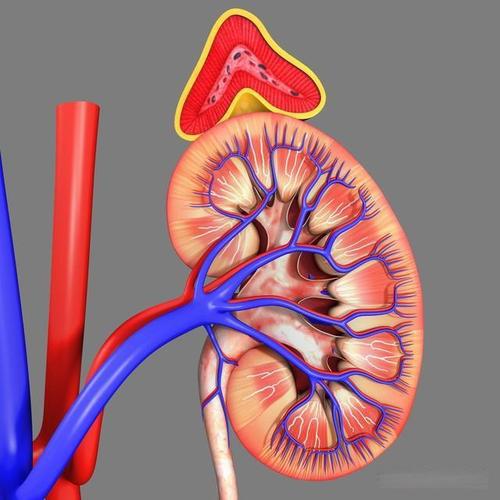

In addition, some patients develop transient central diabetes insipidus after renal transplantation, presenting with extreme thirst, massive polyuria, and markedly reduced urine osmolality, related to surgical injury and immunosuppressive agents.The product acts as hormone replacement to effectively relieve diabetes insipidus symptoms. The usual regimen is 4 mcg intravenously once daily, with gradual tapering and discontinuation once endogenous antidiuretic hormone secretion recovers; long-term use is generally unnecessary.This preparation can also be used in postoperative renal concentration function tests, with a common adult dose of 4 mcg by intramuscular or subcutaneous injection, helping to evaluate early graft function and guide clinical treatment adjustments.
Information source:PMC, Deficiency of antidiuretic hormone: a rare cause of massive polyuria after kidney transplantation, February 2026;China Pharmaceutical Information Query Platform, Desmopressin, September 28, 2025;China Pharmaceutical Information Query Platform, Desmopressin Acetate for Injection, November 25, 2025.
(3) Intermediate Postoperative Period: Prevention and Treatment of Hemorrhagic Complications
During the intermediate postoperative period (1–4 weeks after transplantation), patients remain at risk of bleeding due to incomplete wound healing, immunosuppressant-induced coagulopathy, and transplant kidney biopsy. Major manifestations include perigraft hemorrhage, hematuria, and wound oozing, which may lead to graft hematoma, renal injury, or even life-threatening conditions.The product effectively prevents and treats intermediate postoperative hemorrhagic complications by enhancing hemostasis, particularly for bleeding prophylaxis after transplant kidney biopsy.


Transplant kidney biopsy is essential for evaluating graft function and detecting rejection, but carries bleeding risk, especially in patients with renal insufficiency and coagulation disorders.Clinical studies show that desmopressin significantly reduces the incidence of major bleeding after renal biopsy and shortens hospital stay without obvious hemodynamic effects.For patients undergoing transplant kidney biopsy, Desmopressin Injection 4 mcg may be administered intravenously 30 minutes before the procedure. A second 4 mcg dose may be repeated 6–12 hours post-procedure if needed. By promoting Factor VIII and vWF release, it improves hemostasis, reduces puncture-site bleeding, and lowers the risk of hematoma and hematuria.
For mild to moderate bleeding in the intermediate postoperative period (e.g., mild hematuria, wound oozing), the product 4 mcg once or twice daily subcutaneously, combined with local compression and hemostatic agents, achieves hemostasis in most patients within 1–3 days.Note that in severe bleeding (e.g., massive hematuria, life-threatening perigraft hemorrhage), urgent surgical hemostasis is the primary measure. The product may serve as adjuvant therapy to enhance hemostatic effect.

Information source:PMC, The Role of Fixed-Dose Desmopressin in Hemostatic Outcomes of Native and Transplant Kidney Biopsies in a Tertiary Referral Hospital, March 2026;China Pharmaceutical Information Query Platform, Desmopressin Acetate for Injection, November 25, 2025;Medilib, Desmopressin: Drug information, June 2024.

(4) Special Situations: Adjunctive Intervention for Graft Rejection
Rejection is a key factor affecting long-term graft survival. Acute rejection is often accompanied by graft dysfunction, oliguria, and water-electrolyte disturbances.Although the product cannot directly suppress rejection, it serves as an adjunctive agent to alleviate rejection-related symptoms, protect graft function, and buy time for antirejection therapy.
During acute rejection, inflammatory injury impairs tubular function, leading to oliguria, water retention, and hyponatremia, which further aggravate graft damage.The product precisely regulates renal water reabsorption, maintains water-electrolyte balance, reduces graft pressure from fluid overload, and relieves headache, nausea, and other discomforts.Dosage is adjusted according to urine output and serum sodium, typically 4 mcg intravenously once daily, to avoid hyponatremia from over-dosage, while combining with core antirejection immunosuppressive therapy to improve outcomes.


In patients with chronic rejection, long-term graft dysfunction and abnormal urine output are common. The product may be used as long-term adjuvant therapy, with dosage adjusted based on renal function to maintain fluid balance, relieve polyuria or fluid retention, improve quality of life, and delay graft deterioration.Since chronic rejection patients often have multiple comorbidities, hepatic and renal function and electrolytes must be closely monitored during treatment to prevent adverse reactions.
Information source:Chinese Clinical Practice Guidelines for Urinary Tract Complications After Renal Transplantation (2023 Edition), Chinese Journal of Organ Transplantation, December 2025;China Pharmaceutical Information Query Platform, Desmopressin, September 28, 2025;PubMed, Administration of desmopressin in brain-dead donors and renal function in kidney recipients, June 2023.
Limitations
Although Desmopressin Injection 4 mcg is widely used clinically, its efficacy and application are restricted by several factors, mainly in scope of use, adverse reaction risks, drug interactions, and suitability in special populations, as detailed below.
I. Limitations in Indications
This preparation is only effective for diseases related to antidiuretic hormone deficiency or dysfunction, and not for other forms of polyuria or frequent urination.For example, in nephrogenic diabetes insipidus, the underlying defect is renal V2 receptor dysfunction or insensitivity to AVP; desmopressin cannot bind to the receptor and thus shows no therapeutic effect.In polyuria caused by psychogenic polydipsia or diabetes mellitus, it only assists in regulating water-electrolyte balance without addressing the primary disease, resulting in a relatively narrow clinical scope.
II. Adverse Reactions and Safety Risks
Despite the precise 4 mcg dosage, excessive use or inadequate fluid restriction may still cause water retention and hyponatremia, presenting as headache, nausea, confusion, and even seizures in severe cases. The risk is especially high in vulnerable populations such as post-renal transplant patients and the elderly.Minor adverse reactions such as headache and abdominal pain may occur occasionally. Long-term use may increase the probability of fluid retention-related complications, requiring continuous monitoring.
III. Drug Interactions and Tolerance Restrictions
Desmopressin interacts with several drugs.Tricyclic antidepressants and carbamazepine may enhance its antidiuretic effect and greatly increase the risk of hyponatremia.Loop diuretics may reduce its efficacy.In patients with hepatic or renal insufficiency, impaired drug metabolism and elimination increase the risk of accumulation, requiring strict dosage adjustment to avoid amplified adverse reactions, which limits its use in patients with comorbidities.
Information source:China Pharmaceutical Information Query Platform, Desmopressin Acetate, May 2025;DailyMed, DESMOPRESSIN ACETATE - desmopressin acetate injection, March 2021;PubMed, Clinical considerations in desmopressin use, 2022.
FAQ
What is a serious side effect associated with desmopressin?
+
-
Side effects that you should report to your care team as soon as possible:
Allergic reactions-skin rash, itching, hives, swelling of the face, lips, tongue, or throat.
Low sodium level-muscle weakness, fatigue, dizziness, headache, confusion.
How long can you stay on desmopressin?
+
-
If you are dry in the week without the desmopressin, do not start taking it again: your body has learnt to keep you dry without it. Most people need to take desmopressin for 6 – 12 months (with a week-long break after every 12 weeks), but you can stay on it for longer if necessary and your doctor or nurse agrees.
Hot Tags: desmopressin injection 4mcg, suppliers, manufacturers, factory, wholesale, buy, price, bulk, for sale