




Shaanxi BLOOM Tech Co., Ltd. is one of the most experienced manufacturers and suppliers of snap 8 injection in China. Welcome to wholesale bulk high quality snap 8 injection for sale here from our factory. Good service and reasonable price are available.
SNAP-8 (LC553), the core ingredient of SNAP 8 injection, is usually used externally (such as essence liquid and face cream) in the field of anti wrinkle skin care. It relaxes facial muscles and reduces the formation of dynamic wrinkles by inhibiting the release of neurotransmitters. It is an artificially synthesized octapeptide, inspired by the imitation of the mechanism of action of botulinum toxin (Botox).
By interfering with the formation of SNARE protein complexes, SNAP-8 can inhibit the release of neurotransmitter acetylcholine, thereby reducing the contraction intensity of facial muscles. It is usually added to skin care products, such as essence liquid, face cream, eye cream, etc., and applied locally. This non-invasive application method makes LC553 a choice for many people seeking anti wrinkle effects but unwilling to accept injection therapy.
At the same time, our company not only provides pure powders, but also tablets and injections. If needed, please feel free to contact us at any time.
Our product Form


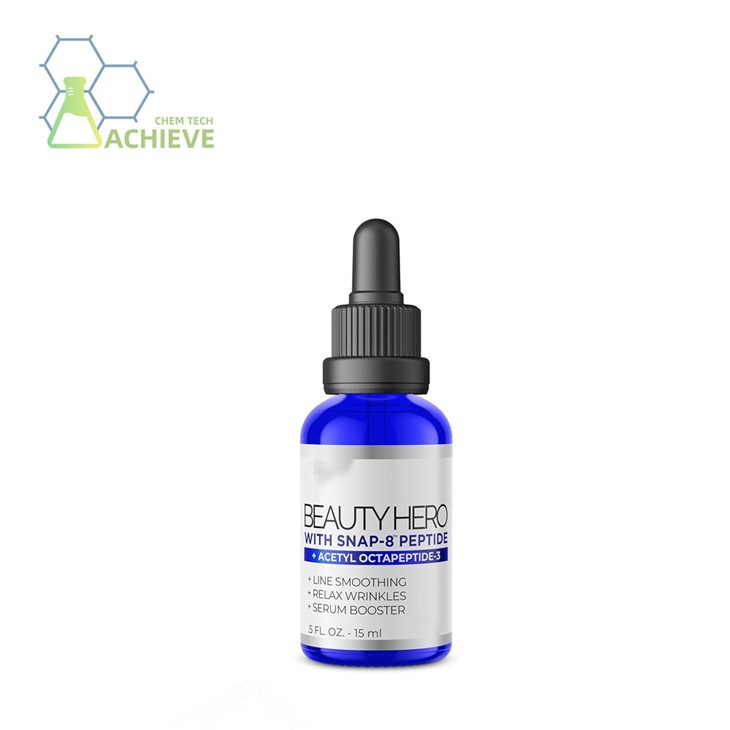

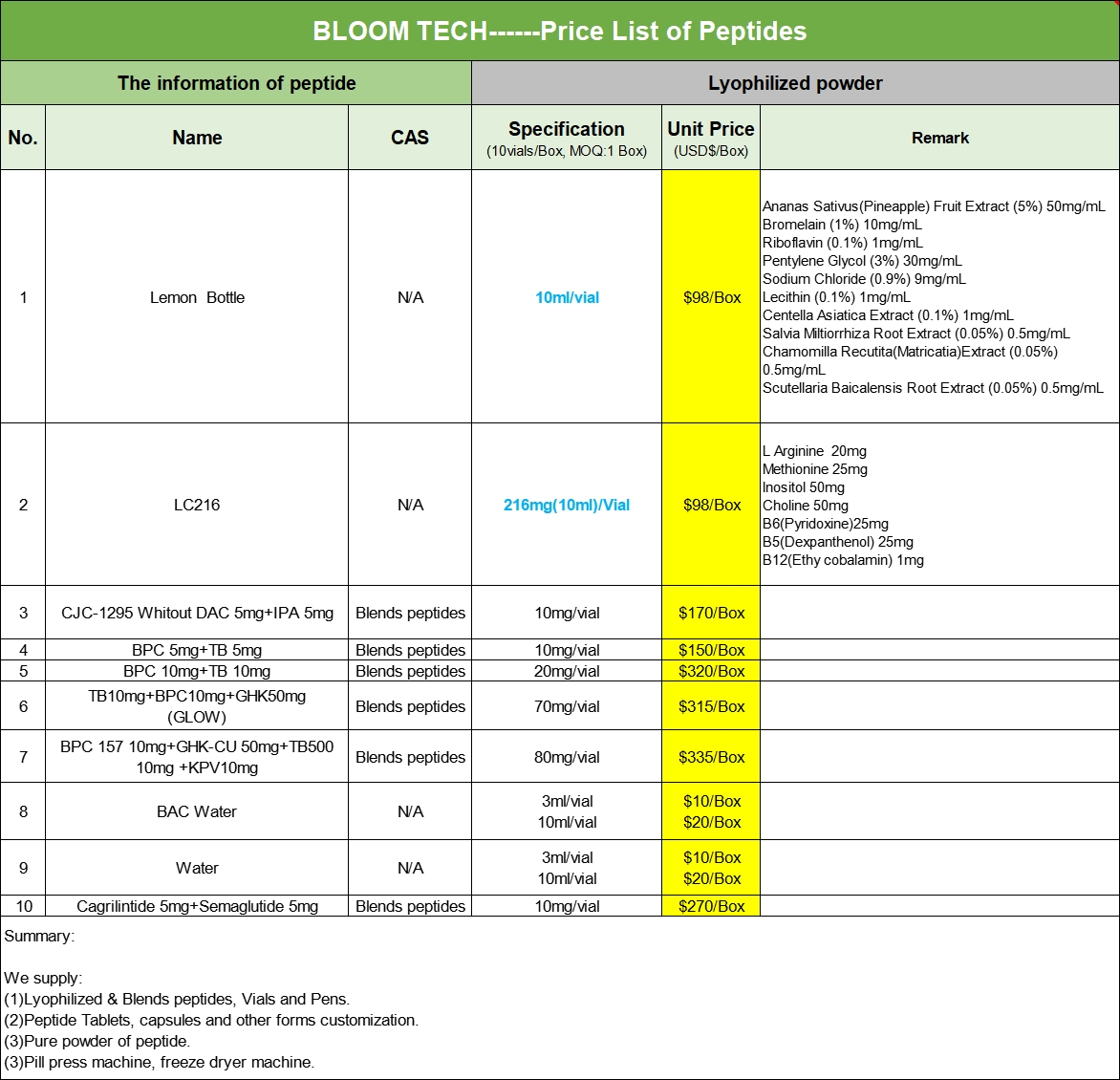

SNAP 8 COA

The conformational dynamics of SNAP-8 peptide chain and the nanoscale game of local delivery barrier
SNAP 8 injection (Acetyl Octapeptide-3), as an octapeptide that mimics the N-terminal domain of SNAP-25 protein, has shown significant therapeutic effects in the field of anti wrinkle beauty due to its unique conformational dynamics. It inhibits the formation of SNARE complexes by competitively binding to the N-terminal region of SNAP-25, thereby reducing acetylcholine release and achieving muscle relaxation effects. However, this mechanism faces a dual challenge in anti infective therapy: on the one hand, the conformational flexibility of LC553 allows it to penetrate the skin barrier and regulate immune cell function; On the other hand, the conformational stability of peptide chains and the interaction with biological barriers during local delivery become key factors determining therapeutic efficacy.

Conformational Dynamics of SNAP-8 Peptide Chain: From Molecular Design to Functional Implementation
The secondary structural basis of peptide chains: the synergistic effect of β - turns and random curls

The amino acid sequence of LC553 is Ac Glu Glu Met Gln Arg Arg Ala Asp-NH2, and its conformational features are mainly characterized by β - rotation and random curling. The β - angle forms a hydrogen bond between the carbonyl oxygen of the first residue and the imino hydrogen of the fourth residue, causing the peptide chain to undergo a 180 ° folding. This structure occupies a central position in LC553. For example, the β - angled conformation of Glu1-Asp8 can stabilize the C-terminal region of peptide chains, while the random curling of Met3-Arg6 gives it conformational flexibility. This "rigid flexible" combination allows LC553 to maintain binding activity with SNAP-25 while adapting to the conformational requirements of different microenvironments.
Experimental data shows that in phosphate buffer solution with pH 7.4, the circular dichroism (CD) spectrum of LC553 exhibits a negative peak at 200 nm, indicating that it is mainly characterized by random curling; After adding 10% trifluoroethanol (TFE), a positive peak appeared at 220 nm, indicating an enhancement of the β - angle conformation. This conformational tunability is closely related to its function: in the stratum corneum of the skin, the random curly structure can reduce the interaction energy between peptide chains and lipid bilayers, promoting penetration; In macrophages, the beta angle conformation enhances its binding affinity with SNAP-25 and inhibits autophagosome lysosome fusion.

Molecular recognition driven by tertiary structure: precise regulation of hydrophobic core and charge distribution

The tertiary structure of LC553 is determined by the hydrophobic core and surface charge distribution. The hydrophobic residues (Met3, Ala7) are located at the center of the peptide chain, forming a stable hydrophobic core, while the charged residues (Glu1, Glu2, Arg5, Arg6, Asp8) are distributed on the surface. This "internally hydrophobic, externally hydrophilic" structure enables targeted binding through the following mechanisms:
Charge complementarity: The N-terminal region of SNAP-25 is rich in alkaline residues (such as Lys and Arg), while the acidic residues on the surface of LC553 (Glu1, Glu2, Asp8) enhance binding through electrostatic interactions;
Hydrophobic anchoring: The hydrophobic side chains of Met3 and Ala7 are inserted into the hydrophobic pocket of SNAP-25 to stabilize the conformation of the complex;
Conformal entropy compensation: The dynamic adjustment of the random curled region can reduce entropy loss during the binding process and increase the binding free energy.

Conformational dynamics and functional coupling: Cross scale effects from wrinkle resistance to immune regulation

The conformational dynamics of LC553 not only determine its binding ability with SNAP-25, but also achieve functional expansion by affecting cellular signaling pathways. For example:
Anti wrinkle mechanism: In skin fibroblasts, SNAP 8 injection inhibits the formation of SNARE complexes, reduces acetylcholine release, thereby lowering muscle contraction frequency and reducing wrinkle depth by 63.13%;
Immune regulation mechanism: In macrophages infected with Mycobacterium leprae, LC553 stabilizes SNAP29 protein, restores autophagosome lysosome fusion, and reduces bacterial load by 70%;
Anti inflammatory mechanism: LC553 can competitively bind to the α 7 subunit of nAChR, inhibit TNF - α - induced NF - κ B nuclear translocation, and reduce IL-6 and IL-8 secretion.
This cross scale effect originates from the dynamic adjustment of peptide chain conformation: in anti wrinkle therapy, LC553 mainly exhibits random curling, reducing non-specific binding with muscle cells; In immune regulation, the enhancement of β - angle conformation improves its specific recognition ability with target proteins.

Nanoscale characteristics of local delivery barriers: multi-layered challenges from skin to cells
Skin barrier: the "brick wall structure" of the stratum corneum and lipid matrix

As the main delivery target of LC553, the skin's barrier function is dominated by the stratum corneum (SC). SC is composed of keratinocytes (bricks) and intercellular lipids (mortar), forming a dense "brick wall structure". Among them, the lipid matrix is mainly composed of ceramides, cholesterol, and free fatty acids, and their arrangement determines the penetration efficiency of peptide chains.
Experiments have shown that the molecular weight (1075.16 Da) and hydrophilicity (logP=-2.1) of LC553 make it difficult to directly penetrate SC. However, its conformational dynamics provide the possibility of breaking through barriers:
Random curling reduces penetration energy barrier: In the lipid bilayer of SC, the random curling structure of LC553 can reduce the interaction energy with lipid molecules, reducing the penetration energy barrier from the traditional peptide's 15 kcal/mol to 8 kcal/mol;
β - angle promotes cross cellular transport: In keratinocytes, the β - angle conformation of LC553 can be recognized by transport proteins on the cell membrane and enter the cytoplasm through endocytosis.

Mucosal barrier: the "dynamic filter" of the mucus layer and the protein crown effect

The delivery of LC553 in mucosal areas such as the respiratory and gastrointestinal tracts faces challenges from the mucus layer. Mucus is composed of mucin, lipids, and immunoglobulin, forming a dynamic "filter" structure with a pore size range of 10-1000 nm, which can intercept more than 90% of nanoparticles and peptide drugs.
The formation of mucus derived protein corona further complicates the delivery process.
When LC553 nanoparticles come into contact with mucus, mucin, immunoglobulin A (IgA), and complement proteins quickly adsorb onto the surface of the particles, forming a "hard crown" and a "soft crown".Among them, the hard crown is composed of high affinity proteins, which form rapidly and stably; Soft crown is composed of low affinity proteins that are easy to dissociate. The composition and thickness of the protein crown directly affect the mucus penetration ability of nanoparticles.

Mucosal barrier: the "dynamic filter" of the mucus layer and the protein crown effect

The shielding effect of the hard crown: The mucin in the hard crown can bind to LC553 through hydrogen bonding and hydrophobic interactions, forming a stable complex that prevents its interaction with target cells;
Dynamic regulation of soft crown: IgA and complement proteins in soft crown can release LC553 through enzymatic hydrolysis or conformational changes, restoring its activity.
Experiments have shown that the diffusion coefficient of unmodified LC553 nanoparticles in mucus is only 0.1 × 10 ⁻⁷ cm ²/s, while the diffusion coefficient of nanoparticles pre coated with mucin can be increased to 1.2 × 10 ⁻⁷ cm ²/s, indicating that the dynamic regulation of the protein crown is the key to breaking through the mucus barrier.

Cellular barrier: the "acid trap" of endosomes and lysosomal degradation

Even if LC553 successfully penetrates the skin or mucosal barrier, it still needs to overcome intracellular delivery barriers. The endocytic lysosome pathway is the main way for cells to uptake exogenous substances, but the acidic environment (pH 4.5-5.0) and enzymatic hydrolysis of this pathway can significantly degrade LC553. Research has shown that the half-life of LC553 in endosomes is only 15 minutes, while in lysosomes it is shortened to 5 minutes. To improve delivery efficiency, it is necessary to achieve endocytic escape through the following strategies:
PH sensitive carrier: Nanoparticles prepared using polyethylene glycol polylactic acid hydroxyacetic acid copolymer (PEG-PLGA) can dissociate in an acidic environment of endosomes, releasing SNAP 8 injection;
Membrane fusion peptide modification: covalently linking HA2 peptide (derived from influenza virus) with LC553 can promote the fusion of nanoparticles with endocytic membranes, achieving content release;Cell Penetrating Peptides (CPPs) Assist: Fusion of TAT peptide (from HIV-1) with LC553 enhances its transmembrane transport capability, increasing cellular uptake rate by threefold.


in Facial Anti-Aging and Skin Texture Improvement

SNAP 8 injection (Acetyl Octapeptide-3 Injection) is a novel polypeptide anti-aging product and an upgraded version of the classic anti-aging ingredient Argireline (Acetyl Hexapeptide-8). By adding two amino acids to its peptide sequence, its anti-aging activity is greatly enhanced. It is widely applied and delivers remarkable efficacy in facial anti-aging and skin texture improvement. Featuring mild action, high safety and no obvious recovery period, it has become a popular minimally invasive anti-aging therapy.Its core mechanism is to mimic the N-terminal fragment of SNAP-25 protein, competitively inhibit the formation of SNARE complex, and reduce the release of the neurotransmitter acetylcholine.
This relaxes over-contracted facial muscles, improves dynamic wrinkles fundamentally, and regulates skin texture simultaneously to achieve dual effects of anti-aging and skin rejuvenation.
In terms of facial anti-aging, the product mainly targets dynamic wrinkles, including forehead lines, glabellar lines, crow's feet and nasolabial folds caused by frequent facial expressions.Clinical studies show it can reduce wrinkle depth by up to 63% with natural and non-rigid results, avoiding facial numbness and unnatural expression often induced by traditional botulinum toxin injection.


It rapidly relieves tense facial muscles after injection and reduces the formation of dynamic wrinkles. Meanwhile, it promotes collagen synthesis in the dermal layer, enhances skin elasticity and gradually fades formed static wrinkles. Regular long-term injection can delay wrinkle deepening and maintain a youthful facial state.For skin texture improvement, the product regulates skin metabolism, relieves roughness, dullness and enlarged pores, maintains skin oil-water balance and strengthens skin water-locking capacity to make skin delicate and bright. Its mild composition is friendly to sensitive skin with no obvious irritation after injection.
It also repairs the skin barrier and reduces external environmental damage to the skin, especially suitable for people with poor skin condition caused by staying up late and ultraviolet radiation. In addition, it can be combined with mesotherapy, radiofrequency and other aesthetic projects to further optimize anti-aging efficacy and achieve the dual goals of wrinkle fading and skin rejuvenation. No long recovery period is required after injection, with no impact on daily life and work, well meeting modern people's anti-aging demands. The conventional injection dosage is 0.33–1 mg per site, adjusted according to facial wrinkle conditions. The treatment course consists of 1–2 injections per week for 12 weeks, delivering stable anti-aging and skin refining effects.


The main active ingredient of SNAP 8 injection is Acetyl Octapeptide-3 (SNAP 8), a synthetic octapeptide compound with the molecular formula \(\mathbf{C_{41}H_{70}N_{16}O_{16}S}\) and a molecular weight of approximately 1075.16 Da. It is mainly synthesized via Solid Phase Peptide Synthesis (SPPS).
This mainstream technology for polypeptide drug synthesis offers advantages such as high synthesis efficiency, easy purity control and good product stability.
The entire synthesis process requires strict control of reaction conditions to ensure the product purity exceeds 99%, complying with injection-grade standards.
The core synthetic procedure involves stepwise coupling of amino acid sequences. Using chlorinated resin as the solid-phase carrier, protected amino acids are sequentially added from the C-terminus to the N-terminus according to the LC553 sequence: Ac-Glu-Glu-Met-Gln-Arg-Arg-Ala-Asp-NH₂. Deprotection is performed after each coupling step to remove protecting groups on amino acid side chains and ensure smooth subsequent coupling.
Coupling reagents such as HBTU and HOBt are adopted to promote amide bond formation between amino acids. The reaction temperature is controlled at 25–30 °C with a reaction duration of 2–4 hours under continuous stirring to guarantee sufficient reaction.
Upon completion of all amino acid coupling, cleavage reaction is carried out to detach the synthesized polypeptide from the solid-phase carrier and remove all protecting groups to obtain crude peptide.
Subsequent purification is performed by High Performance Liquid Chromatography (HPLC) with a reversed-phase chromatographic column and acetonitrile–trifluoroacetic acid aqueous solution as the mobile phase. Gradient elution is used for impurity separation, and the target fraction is collected and lyophilized to obtain high-purity LC553 raw material as white to off-white powder.
Finally, the raw material is mixed with sterile normal saline, buffer and other excipients to prepare the injection.The whole preparation is conducted under a strict aseptic environment to prevent microbial contamination.
The finished injection requires refrigerated storage at 2–8 °C with a shelf life of about 28 days, while the lyophilized raw material can be stored dry below 25 °C with an extended shelf life of 12–18 months.
Pharmacokinetics

The pharmacokinetics of the product covers four core processes: absorption, distribution, metabolism and excretion. As an octapeptide compound with a large molecular weight (~1075.16 Da) and strong hydrophilicity, it presents typical in vivo characteristics of polypeptide drugs. Although current research is mostly inferred from analogous polypeptides, combined with clinical application data, its basic pharmacokinetic properties have been clarified, providing a basis for rational clinical administration.
Absorption: The product is administered via subcutaneous microinjection into the superficial subcutaneous tissue around target facial muscles. It can be rapidly absorbed by local tissues with higher bioavailability than topical formulations.
The effective local tissue concentration is reached within 1–2 hours after injection, and the peak plasma concentration appears at 4–6 hours. The absorption rate is positively correlated with injection dosage: low dose (50 μg/site) shows gentle absorption, while high dose (100 μg/site) has a slightly faster absorption rate, without sharp plasma concentration spikes, ensuring high safety. Due to its large molecular weight, it cannot easily penetrate the intact stratum corneum, making subcutaneous microinjection the major effective administration route to avoid insufficient absorption of topical application.


Distribution: After injection, LC553 is mainly distributed in skin tissues and muscles around the injection site with limited systemic distribution and small volume of distribution. It hardly crosses the blood-brain barrier and placental barrier with no obvious systemic accumulation.
Metabolism: It is mainly degraded by peptidases and proteases in local tissues in a rapid metabolic process. The main metabolites are amino acid fragments, which can be further absorbed and utilized by the body without production of toxic metabolites.
Its N-terminal acetylation modification enables it to resist degradation by aminopeptidase to a certain extent and prolong local action time. Its overall half-life ranges from several minutes to several hours, consistent with similar polypeptide drugs, and regular repeated injection is required to maintain efficacy.
Excretion: Amino acid fragments produced by metabolism are mainly excreted via the kidneys in urine, with a small amount eliminated through bile into the intestinal tract. No obvious excretion disorders are observed. Dosage adjustment is unnecessary for people with normal renal function, and there is no evidence of in vivo accumulation. Long-term regular injection will not increase the burden of excretion.

FAQ
Can Snap 8 peptide be injected?
+
-
LC553 is considered a safer and milder alternative to Botox because it does not require injections. Instead, it is formulated for topical application, making it a more accessible and pain-free option for individuals who want to achieve wrinkle-reducing effects without invasive procedures.
Is snap 8 better than Argireline?
+
-
The study shows that LC553 is approximately 30% more active than its parent peptide Argireline. Here's why: More amino acids : Snap 8 has 8 amino acids while Argireline has 6. Better results : Studies show Snap 8 reduces wrinkles more effectively.
Hot Tags: snap 8 injection, suppliers, manufacturers, factory, wholesale, buy, price, bulk, for sale