




Shaanxi BLOOM Tech Co., Ltd. is one of the most experienced manufacturers and suppliers of gabapentin injection in China. Welcome to wholesale bulk high quality gabapentin injection for sale here from our factory. Good service and reasonable price are available.
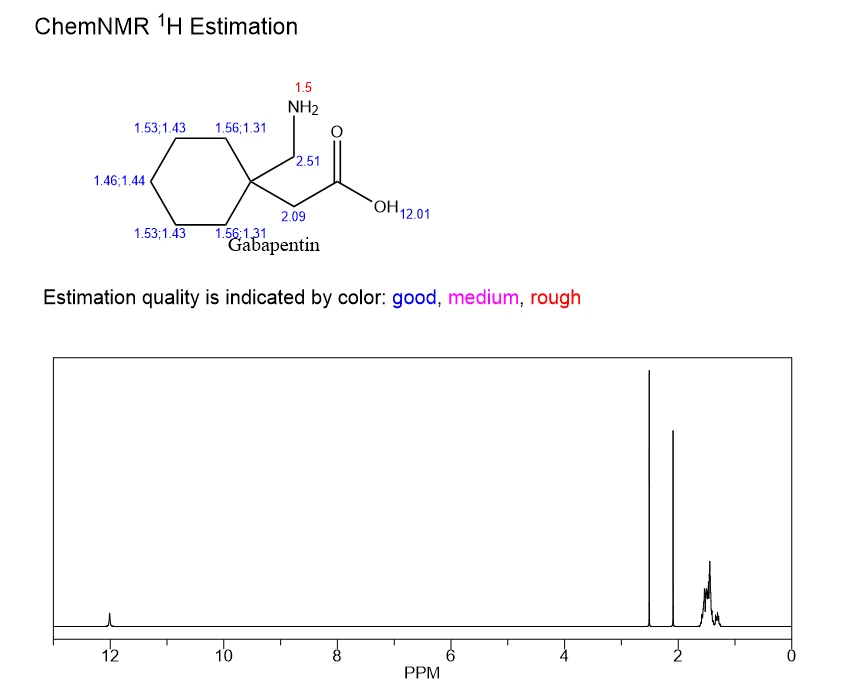
Gabapentin Injection is a clinically important intravenous-administered anticonvulsant drug that plays a vital role in managing certain neurological disorders. Its active ingredient, is a structural analogue of γ-aminobutyric acid (GABA), the primary inhibitory neurotransmitter in the central nervous system (CNS), though it does not directly bind to GABA receptors. Instead, it mainly exerts its significant analgesic and anticonvulsant effects by selectively inhibiting the α2-δ subunit of voltage-dependent calcium channels in the CNS, a mechanism that effectively reduces the excessive release of excitatory neurotransmitters such as glutamate and substance P-key mediators of pain and seizure activity. This injectable formulation specifically overcomes the limitation of unstable oral bioavailability, which can be affected by factors like gastrointestinal absorption, food intake, and individual metabolic differences, allowing the drug to quickly reach an effective blood concentration and exert its therapeutic effects in a timely manner.

Additional information of chemical compound:

|
|
|


Gabapentin COA
 |
|
|
|
|

Gabapentin is primarily used for acute clinical treatment in hospital settings, with key indications including controlling refractory status epilepticus in hospitalized patients-an acute, life-threatening condition characterized by prolonged, unremitting seizures-and treating moderate to severe neuropathic pain that is unresponsive to other conventional therapies. Compared to its oral formulation, this injectable version takes effect much more rapidly, making it particularly suitable for critical situations where patients cannot swallow due to severe illness, surgery, or neurological impairment, or when a rapid onset of action is urgently required to stabilize their condition.
However, like all medications, it may cause adverse reactions, most commonly dizziness, sedation, and ataxia, which are usually dose-related and may subside with adjustments in infusion rate. For this reason, it must be slowly infused under strict medical supervision, with continuous monitoring of the patient's vital signs and neurological status, to ensure both the safety and efficacy of the medication throughout the treatment process.
Adverse reactions
Although gabapentin injection has significant therapeutic effects, its adverse reactions involve multiple systems and require close monitoring. The following is its detailed explanation:
Neurological response

Ataxia and motor disorders: This may interfere with neuromuscular coordination, leading to ataxia (such as walking instability, gait abnormalities) and motor disorders. Long term medication patients may also experience cognitive impairment such as lack of concentration and memory loss.
Tremor and nystagmus: Some patients may experience tremors (such as slight hand tremors) or nystagmus (involuntary eye movements), which usually gradually subside within a few weeks after medication.
Sleepiness and fatigue: One of the most significant adverse reactions of it is central nervous system suppression, manifested as drowsiness, fatigue, and drowsiness. Research shows that about 20% of patients experience drowsiness during medication, while the incidence in the placebo group is only 10%. This reaction is particularly evident in the early stages of medication and may affect the patient's daily life and work abilities.
Dizziness and vertigo: Dizziness and vertigo are another common reaction that may be related to the inhibitory effect of drugs on the vestibular system. Patients may feel unstable standing or dizzy in the head, especially when suddenly changing positions.

(II)Serious reaction

Twitch and epileptic seizures: Although gabapentin is used to treat epilepsy, high doses or in combination with other antiepileptic drugs may cause an increase in the frequency of seizures or epileptic seizures. This may be related to improper adjustment of drug dosage or individual sensitivity.
Peripheral neuropathy: Long term medication may damage peripheral nerves, leading to sensory abnormalities (such as numbness, stabbing pain) or muscle weakness. This type of reaction needs to be closely monitored, and the dosage may be adjusted or discontinued if necessary.
Digestive system response

common symptom
Nausea and vomiting: Nausea and vomiting are common digestive system adverse reactions of gabapentin injection, especially in the early stages of medication. These symptoms are usually mild and transient, and can be relieved by administering them in divided doses or taking them with food.
Diarrhea and constipation: Some patients may experience diarrhea or constipation, which may be related to the effect of medication on intestinal peristalsis. Long term diarrhea requires vigilance against the risk of electrolyte imbalance.
Dry mouth and changes in appetite: Dry mouth and decreased appetite may also occur, but usually do not affect the overall nutritional status of patients.
Serious reaction
Pancreatitis: Although rare, gabapentin may induce pancreatitis, characterized by persistent abdominal pain, nausea, and recurrent vomiting. If the patient experiences the above symptoms, the medication should be stopped immediately and medical attention should be sought.

Mental and emotional reactions

Common symptom
Anxiety and depression: Some patients may experience anxiety, depression, or emotional fluctuations after taking medication, which may be related to the effect of the medication on central neurotransmitters. These reactions may be more prominent in the early stages of medication, but usually gradually decrease over time.
Serious reaction
Suicide tendency: A very small number of patients may experience suicidal thoughts or behaviors, especially when combined with depression or other mental illnesses. During medication, it is necessary to closely monitor the patient's emotional changes and adjust the treatment plan in a timely manner.

Metabolic and endocrine reactions

Gain weight
Gabapentin may lead to weight gain, which may be related to the drug's impact on the appetite regulation center or a decrease in metabolic rate. Long term medication patients should pay attention to controlling their diet and increasing their exercise to avoid obesity related complications.

IFG
The blood glucose level of patients with diabetes needs to be closely monitored during medication, because gabapentin may affect insulin sensitivity or glucose metabolism, leading to blood glucose fluctuations. If necessary, adjust the dosage of hypoglycemic drugs.

Electrolyte disturbance
Long term diarrhea or vomiting may lead to electrolyte imbalances (such as hypokalemia and hyponatremia), which require regular monitoring of electrolyte levels and timely correction.
Skin and allergic reaction
Rash and itching
Some patients may experience allergic reactions such as rash, itching, or urticaria, which are usually mild and brief. If the rash is widespread or accompanied by symptoms such as fever and lymph node enlargement, be alert to severe allergic reactions (such as Stevens Johnson syndrome) and seek medical attention promptly.


Photosensitive reaction
A very small number of patients may develop photosensitive dermatitis, characterized by redness, swelling, blisters, or flaking of the exposed skin area. During medication, avoid prolonged exposure to sunlight and use sunscreen and protective clothing when going out.
Musculoskeletal system response

Muscle pain and weakness
Some patients may experience muscle pain or weakness, which may be related to the impact of medication on the neuromuscular junction. These symptoms are usually mild and transient, but long-term medication should be cautious of the risk of myopathy.
joint pains
Joint pain may also occur, but it usually does not affect joint function. If the pain continues to worsen or is accompanied by symptoms such as swelling and fever, other joint diseases should be ruled out.

Urinary system reaction
Peripheral edema
Gabapentin may cause peripheral edema (such as lower limb edema), which may be related to the drug's effect on vascular permeability or renal dysfunction. Long term medication patients need to regularly monitor kidney function and electrolyte levels.
Urinary tract infection
A very small number of patients may experience urinary tract infections, manifested as symptoms such as frequent urination, urgency, and pain during urination. It is necessary to maintain personal hygiene and drink plenty of water to prevent infection.
Other adverse reactions
Respiratory system response
Although rare, gabapentin may induce respiratory depression, especially at high doses or in combination with other central nervous system inhibitors. During medication, it is necessary to closely observe changes in the patient's respiratory rate and depth.


Visual changes
Some patients may experience eye symptoms such as blurred vision, diplopia, or conjunctivitis, which are usually mild and brief. If the symptoms continue to worsen or are accompanied by eye pain, photophobia, and other symptoms, seek medical attention promptly.
Hearing changes
Very few patients may experience tinnitus or hearing loss, which may be related to the effects of medication on the inner ear. During medication, avoid using ototoxic drugs and regularly test hearing.
Long term medication and discontinuation reactions
Long term medication risk
Long term use of gabapentin may increase the incidence and severity of adverse reactions, such as cognitive impairment, peripheral neuropathy, and metabolic abnormalities. Therefore, it is necessary to regularly evaluate the patient's condition and drug efficacy, and adjust the treatment plan in a timely manner.


Discontinuation reaction
Sudden discontinuation of medication may lead to an increase in the frequency of epileptic seizures or the occurrence of sudden seizures after discontinuation of medication (also known as discontinuation syndrome). Therefore, it is necessary to gradually reduce and stop medication, and adjust the medication plan under the guidance of a doctor.
Comparison of Characteristics of Three Polycrystalline Forms (α, β, γ) of Gabapentin
Gabapentin Injection, as a gamma aminobutyric acid (GABA) analogue, occupies an important position in the field of neurological disease treatment due to its unique anti epileptic and analgesic mechanisms. Although its chemical structure is similar to GABA, it regulates neuronal excitability by binding to the α 2 δ subunit of voltage dependent calcium channels, inhibiting calcium ion influx. However, the physical and chemical properties of gabapentin are significantly affected by the phenomenon of polymorphs, with differences in solubility, stability, bioavailability, and efficacy among different crystal forms.
Universality of Polycrystalline Phenomena
Polycrystalline refers to the phenomenon where the same chemical substance forms multiple crystal structures due to different molecular arrangements. In the pharmaceutical field, polymorphs directly affect the physical and chemical properties of drugs, such as solubility, stability, and bulk density, which in turn affect drug efficacy and bioavailability. For example, amorphous drugs usually have higher solubility and bioavailability due to their disordered molecular arrangement, but their stability is poor; Crystalline drugs, on the other hand, are the opposite. Therefore, crystal morphology regulation is a key link in drug development.


Preparation and characterization of Gabapentin crystal form
The study of the crystal structure of gabapentin began with the exploration of its polymorphic phenomenon. By regulating the solvent, supersaturation, and crystallization method during the crystallization process, controllable preparation of different crystal forms can be achieved. For example, the slow evaporation method can obtain alpha type crystals in ethanol, while beta type crystals may form in acetone; The formation of gamma type crystals can be induced by rapidly cooling a hot saturated solution. Thermal analysis (such as differential scanning calorimetry, DSC) and structural analysis (such as X-ray diffraction, XRD) are the main methods for characterizing crystal forms. DSC can determine the melting point and thermal stability of crystal forms, while XRD can clarify the space group and cell parameters of crystals.
Molecular mechanism of crystal structure regulation-The type of solvent plays a decisive role in the formation of crystal forms. Liquid infrared analysis shows that there are differences in the interactions between different solvents and gabapentin molecules, which in turn affect the difficulty of solvent removal and the stability of crystal conformation. For example, in ethanol, the hydrogen bonding between solute solvent is strong, which is conducive to the formation of alpha type crystals; In acetone, the intermolecular forces are weaker and it is easier to generate β - type. In addition, the conformation and transformation mode in the solution also affect the crystal form selection. By scanning the potential energy surface and searching for transition states, the energy barriers and dynamic pathways of conformational transitions can be revealed, providing a theoretical basis for crystal form regulation.
Hot Tags: gabapentin injection, suppliers, manufacturers, factory, wholesale, buy, price, bulk, for sale