




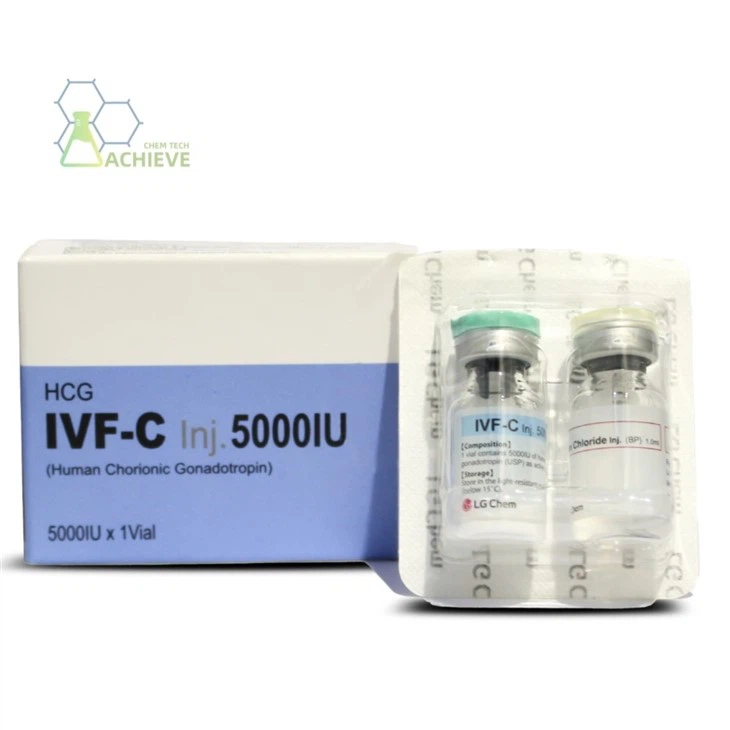


HCG Injection 5000iu is a glycoprotein hormone secreted by placental trophoblast cells. Its molecular structure is highly similar to luteinizing hormone (LH), and it plays a key role in reproductive medicine, endocrine therapy, and pediatric disease management by simulating the biological activity of LH. In the field of reproductive medicine, HCG injection (especially 5000IU specification) is a commonly used clinical drug and one of the core drugs in assisted reproductive technology (ART). It is also widely used to treat various reproductive endocrine diseases. Its application scenarios cover multiple dimensions such as assisted reproductive technology, luteal function support, treatment of male hypogonadism, and correction of cryptorchidism.
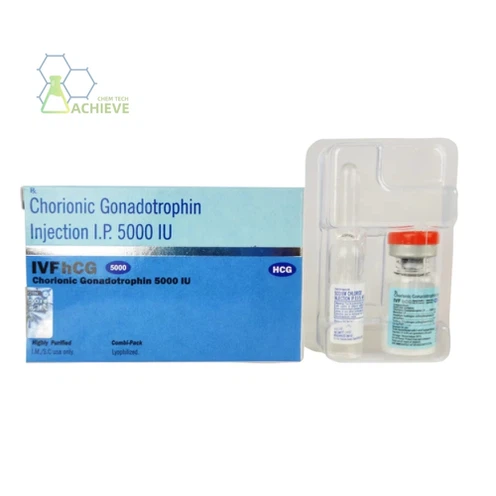

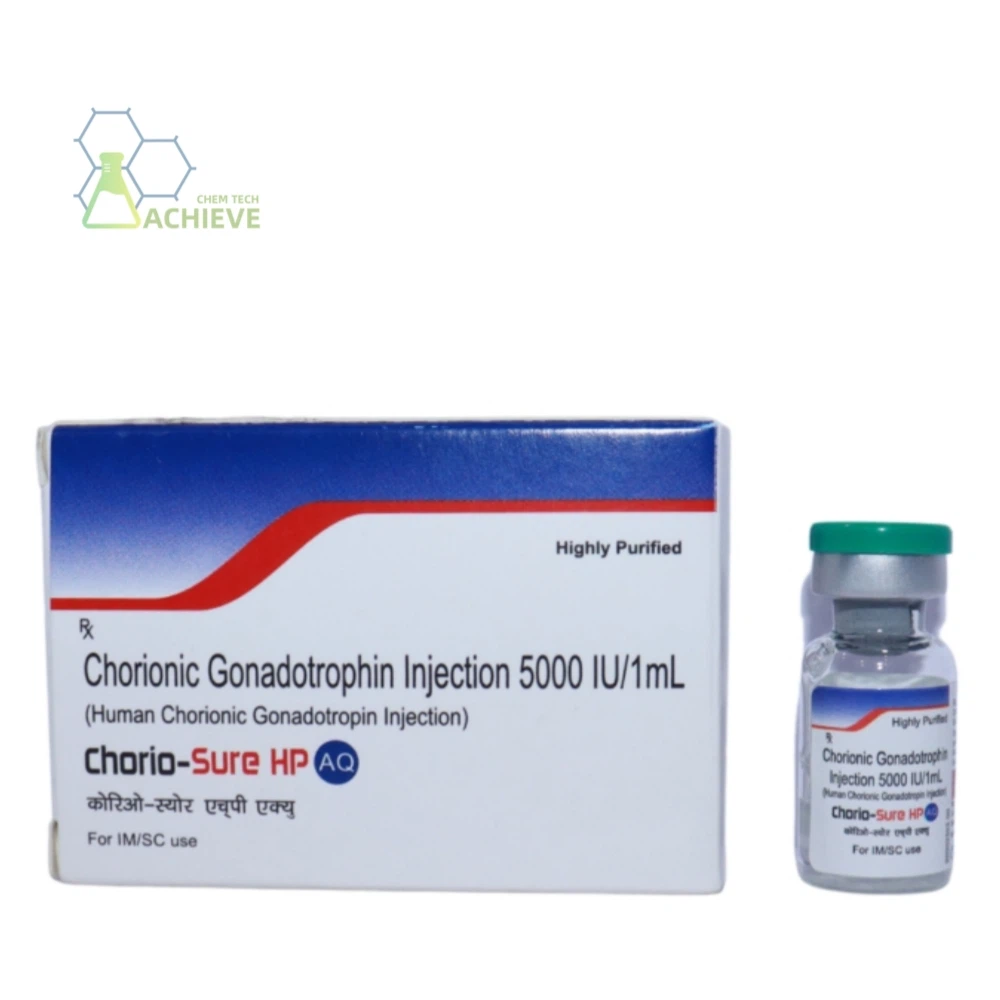
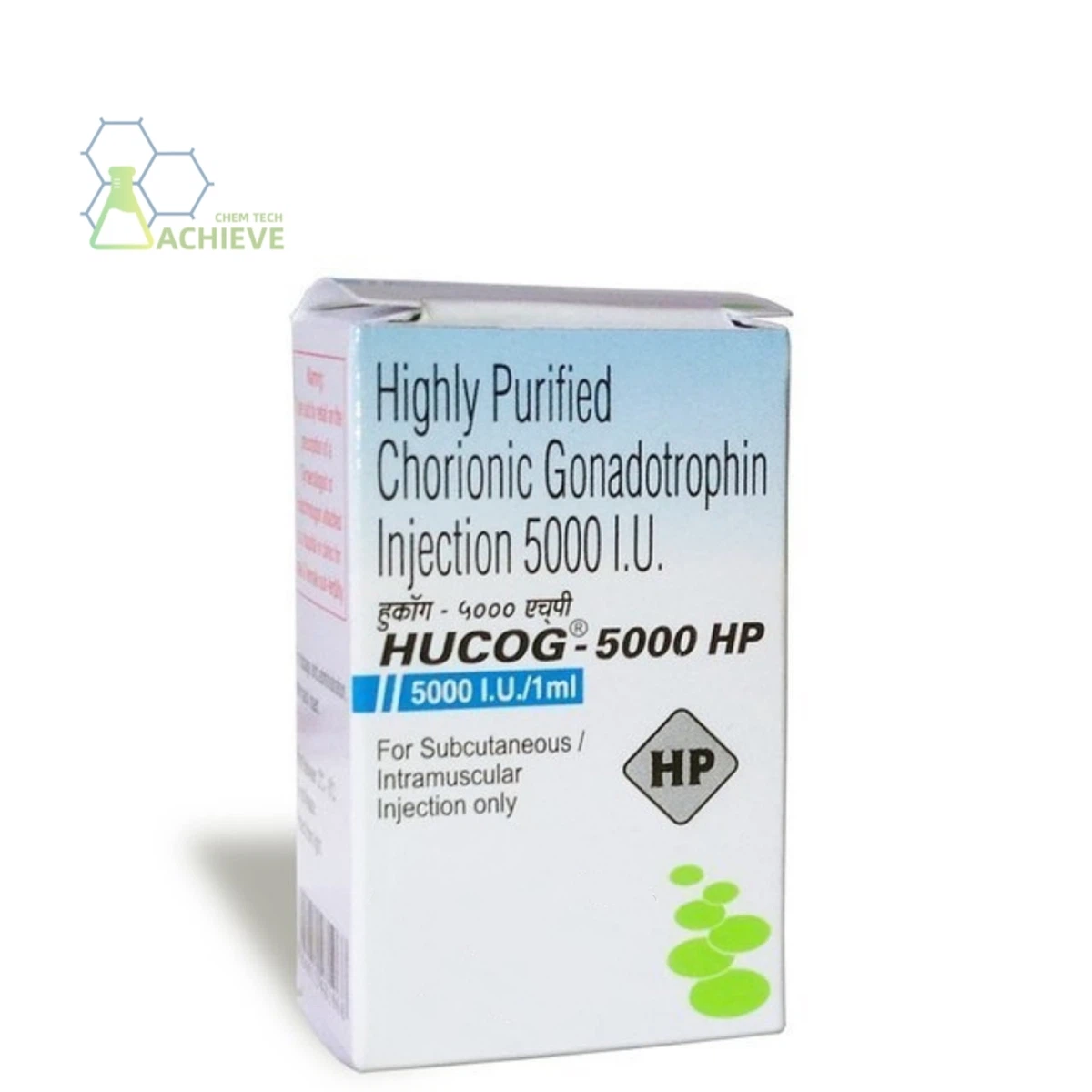

Additional information of chemical compound:
| Product Name | HCG Injection | HCG Tablets | HCG Diet Capsules | Chorionic Gonadotropin | HCG Drops |
| Product Type | Injection | Tablet | Capsules | Powder | Liquid |
| Product Purity | ≥99% | ≥99% | ≥99% | ≥99% | ≥99% |
| Product Specifications | Customizable | Customizable | Customizable | Customizable | Customizable |
| Product Package | Customizable | Customizable | Customizable | Customizable | Customizable |
Our product form
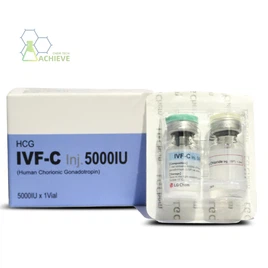
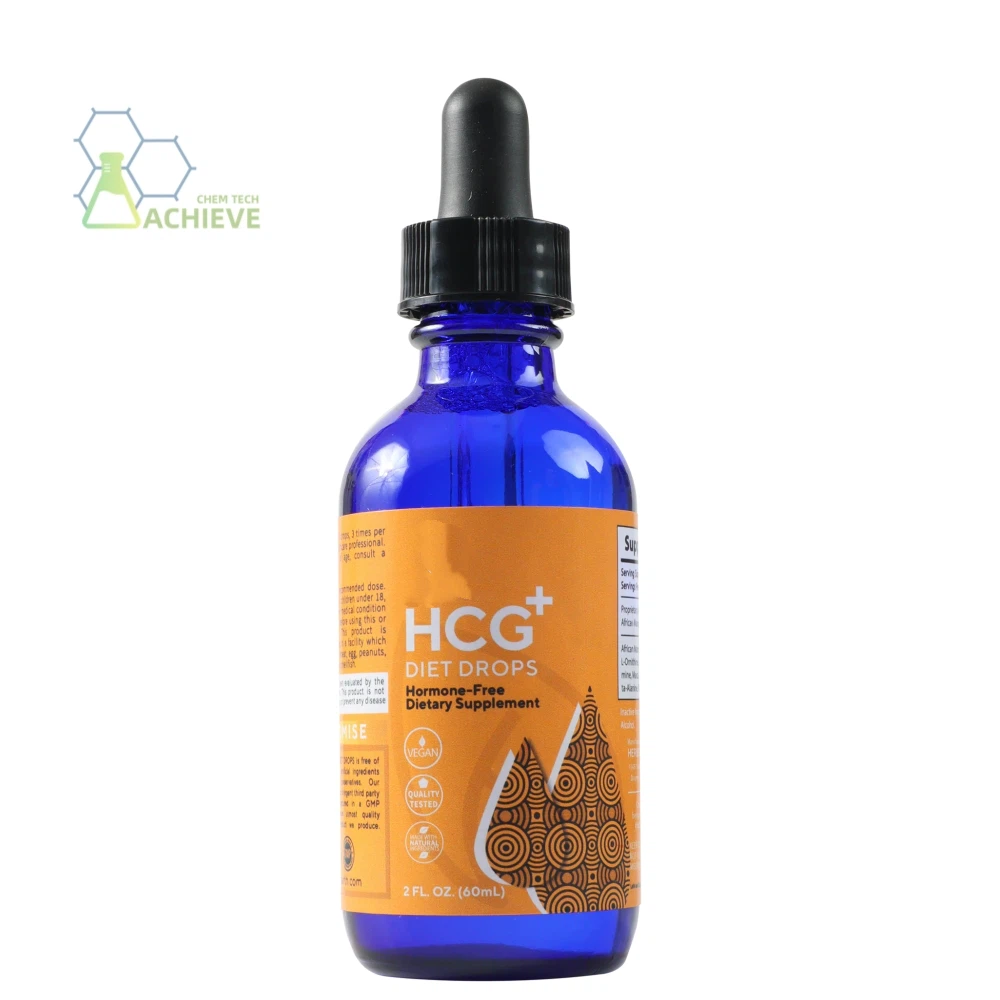

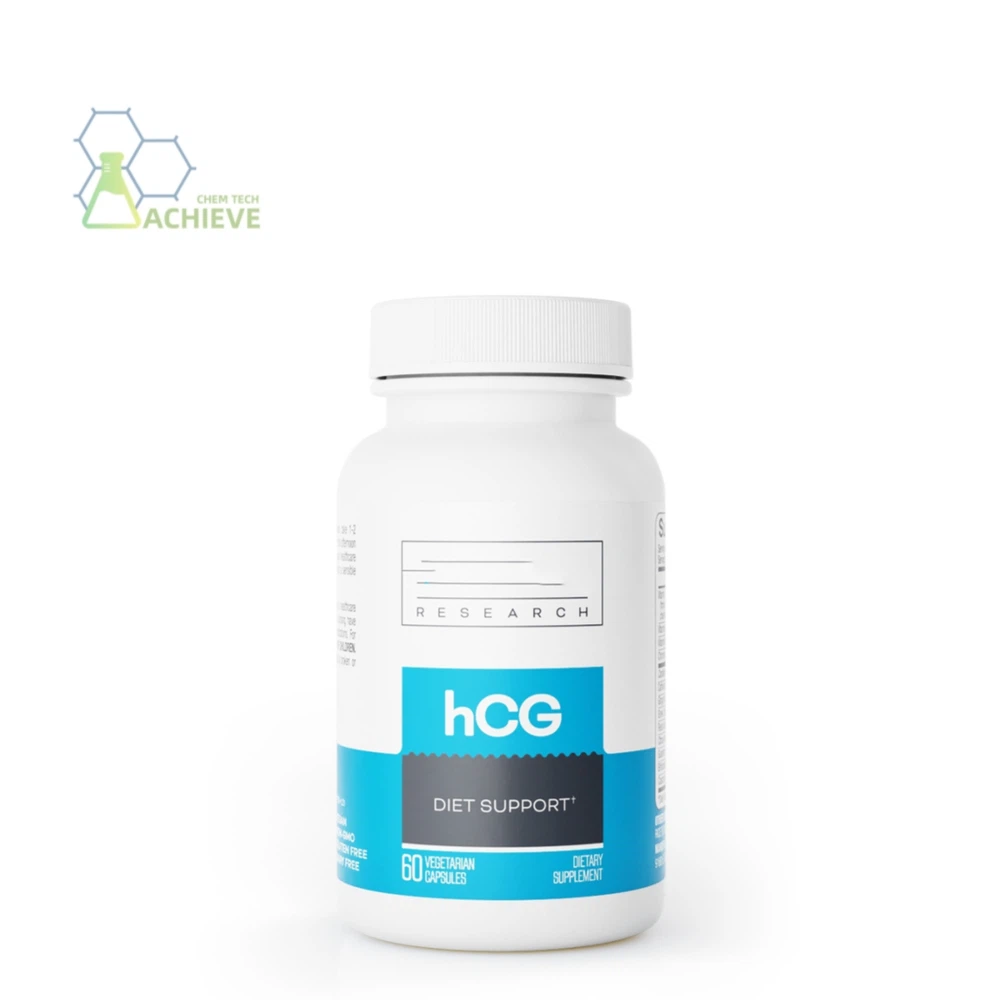
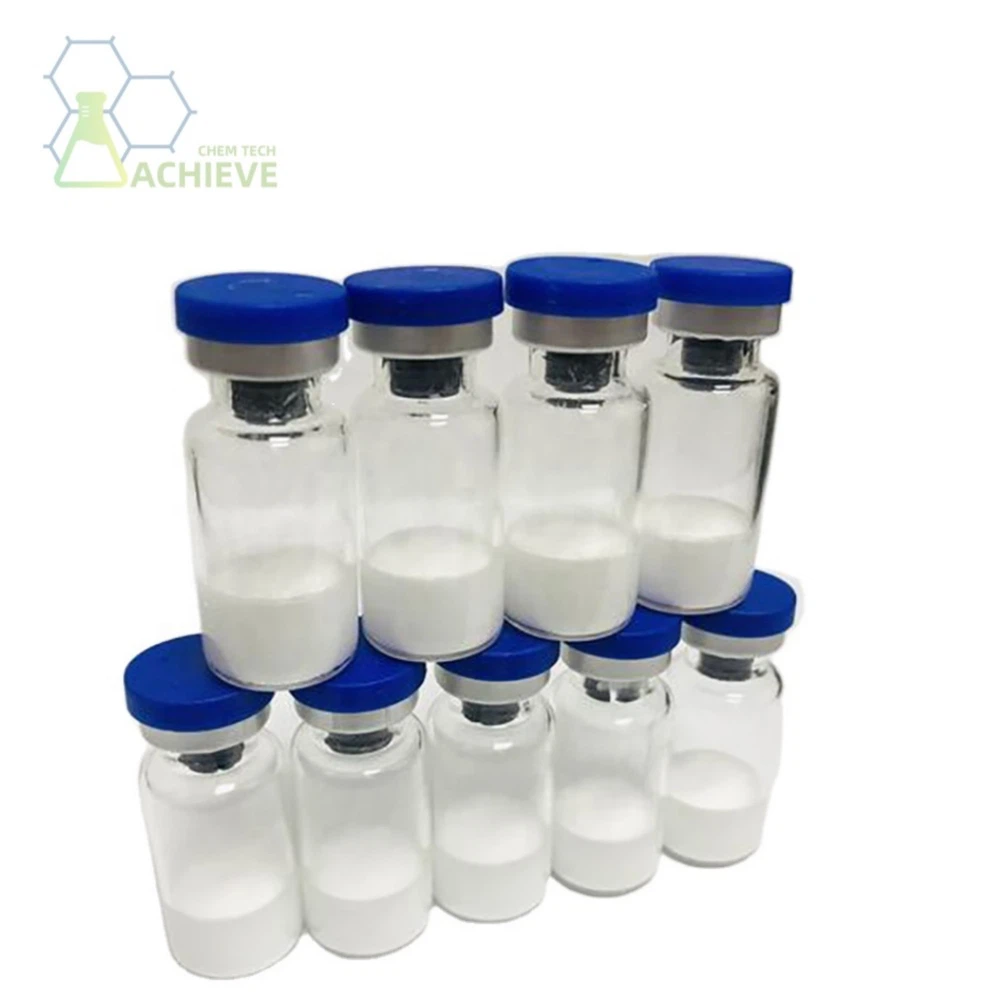
Chorionic Gonadotropin COA
 |
||
Certificate of Analysis |
||
|
Compound name |
Chorionic Gonadotropin | |
|
CAS No. |
9002-61-3 | |
|
Grade |
Pharmaceutical grade | |
|
Quantity |
Customized | |
|
Packaging standard |
Customized | |
| Manufacturer | Shaanxi BLOOM TECH Co., Ltd | |
|
Lot No. |
20250109001 |
|
|
MFG |
Jan 12th 2025 |
|
|
EXP |
Jan 8th 2029 |
|
| TEST STANDARD | GB/T24768-2009 Industry. Stnndard | |
|
Item |
Enterprise standard |
Analysis result |
|
Appearance |
White or almost white powder |
Conformed |
|
Water content |
≤4.5% |
0.30% |
| Loss on drying |
≤1.0% |
0.15% |
|
Heavy Metals |
Pb≤0.5ppm |
N.D. |
|
As≤0.5ppm |
N.D. | |
|
Hg≤0.5ppm |
N.D. | |
|
Cd≤0.5ppm |
N.D. | |
|
Purity (HPLC) |
≥99.0% |
99.5% |
|
Single impurity |
<0.8% |
0.48% |
|
Residue on ignition |
<0.20% |
0.064% |
|
Total microbial count |
≤750cfu/g |
80 |
|
E. Coli |
≤2MPN/g |
N.D. |
|
Salmonella |
N.D. | N.D. |
|
Ethanol (by GC) |
≤5000ppm |
400ppm |
|
Storage |
Store in a sealed, dark and dry place at-20 degrees |
|
|
|
||


Analysis of Core Application Scenarios of HCG Injection 5000IU: Clinical Practice from Assisted Reproduction to Pediatric Treatment
Human chorionic gonadotropin (HCG) is a glycoprotein hormone secreted by placental trophoblast cells. Its molecular structure is highly similar to luteinizing hormone (LH), and it plays a key role in reproductive medicine, endocrine therapy, and pediatric disease management by simulating the biological activity of LH. HCG injections (especially the 5000IU specification) have become the "golden dose" in clinical applications due to their mild efficacy and controllable safety.
(1) Hypogonadotropic hypogonadism (IHH)
IHH is a testosterone synthesis disorder caused by dysfunction of the hypothalamic pituitary gonadal axis, and 5000IU is its first-line treatment drug:
Initial treatment stage
Intramuscular injection of 2000IU twice a week, combined with 75IU FSH, for 8 weeks can significantly increase testosterone levels and promote sperm production. After 6 months of treatment, about 70% of patients can detect sperm.
Maintenance treatment stage
After testosterone levels return to normal, they can be adjusted to 5000IU once a week, in combination with FSH once every other day, to maintain reproductive function.


(2) Idiopathic oligoasthenozoospermia
For oligoasthenozoospermia with unknown causes, 5000IU can improve sperm quality through the following mechanisms:
Directly stimulate testosterone synthesis
Injecting 2000IU intramuscularly three times a week in combination with 150IU HMG for three months can improve sperm concentration and motility. Clinical data shows that the total sperm count in the treatment group increased by 42% compared to the control group.
Regulating oxidative stress response
It can reduce the lipid peroxidation level of sperm membrane and decrease the DNA fragmentation rate. Research shows that the sperm DNA integrity index (DFI) in the treatment group decreased from 28% to 19%.
(1) Adjuvant therapy for metastatic ovarian cancer
HCG can exert anti-tumor effects by inhibiting tumor cell proliferation and inducing apoptosis. Preclinical studies have shown that combination chemotherapy drugs can significantly prolong the survival of ovarian cancer model mice, but their clinical application still needs further validation.
(2) Controversial applications in non-medical fields
In non-medical fields such as beauty products, HCG is often promoted as a "weight loss solution" or "anti-aging ingredient". However, the US FDA has issued a clear warning that such uses lack scientific basis and may cause serious adverse reactions such as blood clots and headaches. Clinical cases have shown that the abuse of HCG can lead to endocrine disorders such as male breast development and female menstrual disorders.

HCG Injection 5000IU, as a versatile tool in the field of reproductive medicine, has expanded its clinical application from simple ovulation induction to luteal support, male infertility treatment, and pediatric reproductive disease management. Strictly controlling indications, contraindications, and medication standards is the key to ensuring efficacy and safety.

The selection points and core differences between 5000IU and other specifications of IU
HCG (human chorionic gonadotropin) is a core drug for assisted reproductive technology (ART) and reproductive endocrine therapy, and its specification selection directly affects the treatment efficacy and safety. The common HCG injection specifications on the market currently include 1000IU, 2000IU, 5000IU, and 10000IU. Among them, 5000IU has become the "golden dose" in clinical practice due to its mild efficacy and wide applicability. The following text will systematically analyze the key points and core differences between 5000IU and other specifications from four dimensions: drug efficacy intensity, applicable scenarios, risk control, and personalized treatment.
Drug efficacy intensity and mechanism of action: dose-dependent and individualized differences

HCG triggers follicle maturation and ovulation by simulating the biological activity of luteinizing hormone (LH), and its efficacy is positively correlated with dosage. Clinical data shows that after intramuscular injection of 5000IU HCG, the serum concentration reaches its peak within 24 hours (average 128.9IU/L), with a biphasic half-life (5.6 hours for the first phase and 23.9 hours for the second phase), and a duration of action of approximately 36-48 hours. In contrast, the serum peak concentration of 10000IU HCG is higher (about 250-300IU/L), and the action time is extended to 48-72 hours, making it suitable for scenarios that require stronger stimulation.
Core difference:
5000IU:
Mild in efficacy, suitable for patients who are sensitive to drugs or only require single follicle maturation, can reduce the risk of overstimulation.
10000IU:
Strong efficacy, suitable for patients with multiple follicular development or poor response to low doses, but strict monitoring of ovarian response is required.
Low dose (1000-2000IU):
Commonly used for luteal support or maintenance therapy, such as in the maintenance regimen of 5000IU twice a week for habitual miscarriage patients. Low dose can reduce adverse reactions.
Applicable scenarios: precise matching from ovulation induction to corpus luteum support
The selection of HCG specifications needs to be dynamically adjusted based on treatment goals, patient characteristics, and the risk of complications. The following is a comparison of the core application scenarios of 5000IU with other specifications:
5000IU:
Natural cycle monitoring: suitable for patients who only need to promote the maturation of a single follicle, such as those with normal ovarian reserve and no ovulation disorders.
IVF cycle assistance: In patients with polycystic ovary syndrome (PCOS) or high estrogen levels (E2>5000pg/mL), 5000IU combined with GnRH agonists can reduce the risk of ovarian hyperstimulation syndrome (OHSS).
Case: A 32 year old PCOS patient used a "double trigger" strategy (2500IU HCG+GnRH agonist) during an IVF cycle, resulting in a decrease in OHSS incidence from 35% to 12%.


10000IU:
Multi follicle development: suitable for patients who require strong stimulation of follicle maturation, such as those with low ovarian reserve or poor response to low-dose.
Emergency ovulation trigger: When follicle monitoring shows multiple follicles ≥ 18mm, 10000IU can ensure synchronous rupture of follicles.
Risk: High doses may increase the risk of OHSS, especially when E2>2500pg/mL or follicle count>15.
5000IU:
Luteal support during IVF cycle: Intramuscular injection of 2000IU on the 3rd, 6th, and 9th day after egg retrieval, or a single dose of HCG injection 5000iu combined with progesterone, can improve the rate of sustained pregnancy.
Habitual abortion treatment: After the first injection of 10000IU, maintain 5000IU twice a week until 14 weeks of pregnancy, and improve pregnancy outcomes by regulating maternal immune tolerance.
Data: Clinical studies have shown that the live birth rate of the 5000IU combined with progesterone group is 18% higher than that of the progesterone group alone.


Low dose (1000-2000IU):
Luteal phase maintenance: In the GnRH antagonist regimen, low-dose HCG (1000IU every 3 days) combined with progesterone can stabilize endometrial receptivity.
Advantage: Reduce fluctuations in blood HCG levels and avoid interfering with pregnancy test results.
5000IU:
Hypogonadism: 2000IU combined with 75IU FSH twice a week for 6 months can promote sperm production.
Oligozoospermia: 2000IU combined with 150IU HMG three times a week for 3 months resulted in a 42% increase in total sperm count.
Mechanism: HCG improves the development of seminiferous tubules and proliferation of germ cells by increasing testosterone levels.
High dose (>5000IU):
Severe hypogonadism: Combination therapy with high-dose FSH (225IU) is required, but caution should be exercised regarding the risk of testicular atrophy.

Risk Control: The Art of Balancing Dose and Complications
The selection of HCG specifications should balance efficacy and safety, with particular attention to OHSS, multiple pregnancies, and immune related risks.
OHSS risk: dose threshold and individualized adjustment
5000IU:
Low risk scenario: Suitable for patients with E2<2500pg/mL or follicle count<10, with an OHSS incidence rate of<5%.
Prevention strategy: In the "dual trigger" scheme, the combination of 5000IU HCG and GnRH agonist can reduce the risk of OHSS.
10000IU:
High risk scenario: When E2>2500pg/mL or the number of follicles>15, the incidence of OHSS can be as high as 20%.
Management measures: Combination of albumin infusion or intraperitoneal aspiration is required, and in severe cases, pregnancy termination is necessary.
Risk of multiple pregnancies: correlation between dosage and number of embryo transfers
5000IU:
Single embryo transfer: Multiple pregnancy rate<10%, suitable for young individuals with normal ovarian function.
Double embryo transfer: The multiple pregnancy rate has increased to 20%, and a comprehensive assessment of the patient's wishes and medical risks is needed.
High dose:
Multiple embryo transfer: If the multiple pregnancy rate is greater than 30%, strict restrictions should be placed on the applicable population (such as the elderly or repeated implantation failures).
Individualized treatment: precise decision-making from basic indicators to dynamic monitoring
The selection of HCG specifications should be dynamically adjusted based on the patient's age, weight, ovarian reserve function (AFC, AMH), and past treatment response.
1. Age and weight: core parameters for dose correction
Young patients (<35 years old): Strong ovarian reactivity, 5000IU can trigger ovulation, and high doses may increase the risk of OHSS.
Elderly patients (≥ 35 years old) with decreased ovarian reserve require a combination of high-dose FSH (225IU) and HCG (5000-10000IU) to improve pregnancy rate.
Obese patients (BMI>30): The dosage should be adjusted according to body weight (such as 10-15 IU per kilogram of body weight) to avoid insufficient efficacy or excessive stimulation.
2. Dynamic monitoring: joint evaluation of ultrasound and hormone levels
Follicle monitoring: The optimal time for injection is when the dominant follicle diameter is ≥ 18mm or when three follicles are ≥ 16mm.
Hormone level: When E2>1110pmol/L (per large follicle), it indicates follicle maturation and HCG injection can be administered.
Luteal support: After 8 weeks of pregnancy, the blood HCG level should be maintained at 10000-50000IU/L. If it is below the threshold, HCG or progesterone should be supplemented.
HCG Injection 5000IU has become a core specification in assisted reproduction and reproductive endocrine therapy due to its mild efficacy, wide application scenarios, and controllable risks. The selection needs to be dynamically evaluated based on the individual characteristics of the patient, treatment goals, and the risk of complications. Through a precise balance of "dose response safety", the goal is to maximize efficacy and minimize risk.

Operation standard: full process management from dispensing to injection
(1) Drug preparation steps
Prepare tools
Needle selection: For intramuscular injection, a 22G x 1.5 inch needle is used, while for subcutaneous injection, a 30G x 0.5 inch needle is used.
Disinfection supplies: 75% alcohol cotton balls, sterile gauze.
Dissolving operation
Urinary HCG: Use a 1mL syringe to extract 2mL of sterile water, slowly inject along the ampoule wall, and shake gently until completely dissolved.
Recombinant HCG: Pre filled syringes do not require reconstitution and can be used directly.
Dose extraction
5000IU dose: Extract 1mL of solution (urine derived HCG) using a 1mL syringe or directly use a pre filled syringe (recombinant HCG).
(2) Key points of injection technology
Intramuscular injection site
Preferred location: Upper outer quadrant of gluteus maximus, avoiding sciatic nerve and blood vessels.
Rotation principle: alternate injections on the left and right buttocks to avoid local hardening.
Subcutaneous injection site
Preferred location: 5cm outside the navel of the abdomen or the anterior outer side of the thigh.
Pinching technique: Use the thumb and index finger to pinch the skin, forming folds, and then insert the needle vertically.
Observation after injection
Local reaction: Press the injection site for 5 minutes and observe for bleeding or exudation.
Systemic reactions: Monitor for OHSS or allergy symptoms such as abdominal pain, bloating, and difficulty breathing.
(3) Patient education content
Medication compliance
Scheduled injection: HCG needs to be injected strictly according to the time, missing the time may affect the efficacy.
Dose adjustment: Do not increase or decrease the dose without the permission of a doctor.
lifestyle management
Avoid strenuous exercise: Avoid running or jumping within 48 hours after injection to reduce the risk of ovarian torsion.
Diet adjustment: increase protein intake (such as eggs, fish), reduce salt intake to prevent water and sodium retention.
Follow up Plan
ART patients: Blood HCG test was conducted on the 7th day after egg retrieval, and ultrasound examination was performed on the 14th day to confirm pregnancy.
Male patients: testosterone and sperm quality are checked every 3 months to evaluate treatment response.
FAQ
1. Question: From the perspective of endocrinology, what "hidden" dysfunctions in the body's own secretion processes might be caused by long-term use of exogenous HCG?
Answer: Long-term use may suppress through negative feedback, interfering with the precise regulation of the hypothalamus-pituitary-gonadal axis. Specifically, it leads to the inhibition of the pulsatile secretion of the body's own luteinizing hormone (LH) and follicle-stimulating hormone (FSH), resulting in delayed recovery of gonadal function after discontinuation of the medication, and even requiring a longer process of endocrine "resetting" rather than a simple return of hormone levels.
2. Question: For users who use HCG for non-medical purposes (such as fitness and weight loss), what are the overlooked risks associated with the mixing operation of the "powder and solvent" of 5000 IU HCG?
Answer: The main risk lies in the widespread absence of aseptic procedures. Mixing in an unprofessional environment is highly likely to introduce microbial contamination. Moreover, when multiple-dose vials are repeatedly punctured and aspirated after mixing, the risk of contamination increases dramatically. Additionally, errors in concentration calculation or uneven mixing due to self-dilution may result in uncontrolled single injection doses.
3. Question: From the perspectives of drug economy and source, what "legality grey areas" might exist in the HCG injection products currently available on the market?
Answer: Many unregistered HCG products may be repackaged from "chemical-grade raw materials that have not been registered with the national drug regulatory authority". The purity, biological efficacy and actual content of these products cannot be guaranteed. The majority of the money paid by users is consumed on the premium in the illegal circulation process rather than on the value and safety guarantee of the drugs themselves. Ultimately, they bear the risks of both law and health.
Hot Tags: hcg injection 5000iu, suppliers, manufacturers, factory, wholesale, buy, price, bulk, for sale