




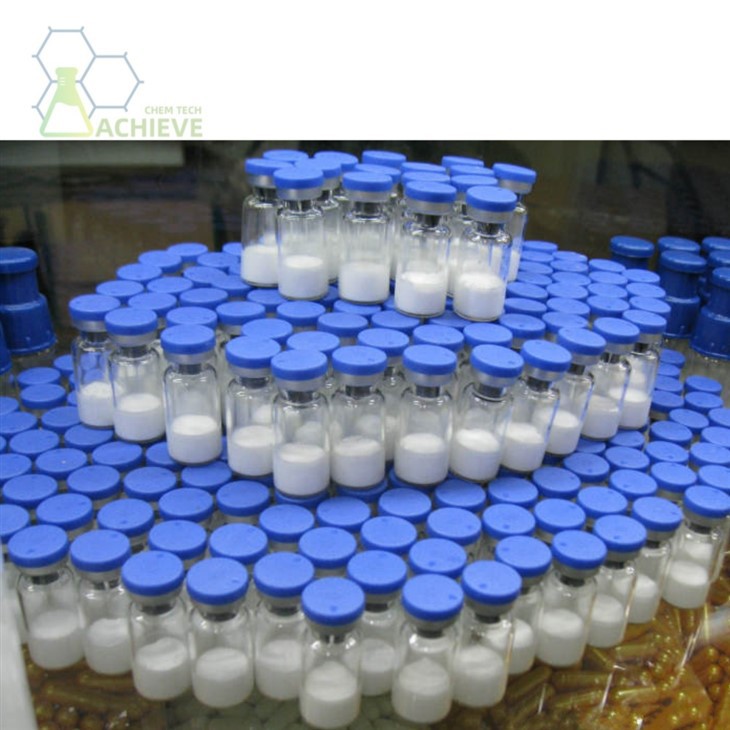
BPC 157 injection has demonstrated significant advantages due to its promotion of tissue repair, anti-inflammation, neuroprotection, gastrointestinal protection, cardiovascular protection, application in sports medicine, good safety, multi-target synergistic effect, broad clinical application potential, and bridging role between scientific research and clinical transformation. However, its clinical application still needs further verification, especially in large-scale and long-term clinical studies. In the future, with the deepening of research and the advancement of technology, it is expected to provide new options for the treatment of more diseases and promote the progress of the medical field.
This injection has demonstrated significant repair and protective effects in animal experiments, especially in the fields of musculoskeletal and nervous system injuries. However, its clinical application still faces many challenges: the lack of high-quality human evidence, regulatory non-approval, potential safety risks, etc. For patients, the blind use of BPC 157 in the absence of sufficient scientific basis may bring health and legal risks. In the future, its efficacy and safety need to be verified through rigorous clinical research and regulatory compliance promoted in order to realize its medical potential.
 |
 |


BPC-157 Powder COA

Storage method
BPC 157 is a synthetic polypeptide composed of 15 amino acids, which has various biological activities such as promoting tissue repair, anti-inflammation and neuroprotection. To ensure its stability and effectiveness, the storage of BPC 157 injection needs to follow strict environmental control requirements. The following provides a detailed description of its storage methods from aspects such as storage temperature, light avoidance requirements, packaging sealing, humidity control, selection of storage containers, storage period management, storage after rehydration, transportation conditions, and regular inspections.


Storage Temperature
Recommended temperature range
BPC 157 injection should be stored in a low-temperature environment of -20°C. At this temperature, the chemical stability of the drug is the best, which can effectively extend its shelf life. Some products may be allowed to be stored at -80°C, but this should be determined according to the specific product manual.
Avoid temperature fluctuations
During storage, significant temperature fluctuations should be avoided as temperature changes may lead to drug degradation or alterations in physical properties. It is recommended to use a constant-temperature refrigerator or freezer and be equipped with temperature monitoring devices to ensure a stable storage environment.
Requirements for Avoiding Light
The influence of light on drugs
BPC 157 is sensitive to light. Light may cause changes in its chemical structure, thereby reducing its biological activity. Therefore, direct light should be avoided during storage.
Light-blocking measures
Drugs should be stored in opaque containers, such as brown glass bottles or light-proof plastic bottles. The storage area should be kept cool and avoid direct sunlight. If transparent containers are used, they should be wrapped with aluminum foil or other light-blocking materials.
Packaging Sealing property
The Importance of Sealing
Good sealing performance can prevent air, moisture and microorganisms from entering, protecting the purity and stability of the drug.
Sealing measures
Drugs should be stored in well-sealed containers, such as glass bottles with rubber stoppers and aluminum caps. After opening, unused medicine should be resealed and used as soon as possible or disposed of according to the instructions.
Humidity Control
The influence of humidity on drugs
High humidity environments may cause drugs to absorb moisture, form lumps or degrade, affecting their solubility and biological activity.
Moisture-proof measures
The storage area should be kept dry, and the relative humidity should be controlled below 60%. Desiccants (such as silica gel) can be used to absorb excess moisture, and the effectiveness of the desiccants should be checked regularly.
Selection of Storage Containers
Container material
Chemically inert and non-adsorptive containers, such as glass bottles or specific plastic bottles, should be selected to prevent the drug from reacting with the containers.
Container specification
Select the appropriate container specification based on the dosage of the drug to reduce the remaining amount after opening and lower the risk of contamination.
Storage Period Management
Validity period identification
The production date and expiration date should be indicated on the drug packaging. During storage, the "first in, first out" principle should be followed, and drugs close to their expiration dates should be given priority for use.
Regular inspection
Regularly check the appearance, color and solubility of the drug. If any abnormalities (such as discoloration or precipitation) are found, stop using it immediately.
Storage after rehydration
Stability after resolubilization
After resolubilization of BPC 157 injection, its stability may decrease and it needs to be used within the prescribed time.
Storage conditions
The reconstituted drug should be stored in a refrigerated environment at 2-8°C and used up within 24-48 hours. The specific time should be referred to the product manual.
Transportation Conditions
Cold chain transportation
During transportation, refrigerated containers or dry ice should be used to maintain a low-temperature environment to ensure the stability of the drug during transportation.
Temperature monitoring
During transportation, a temperature recorder should be equipped to monitor the temperature changes in real time and ensure that the drugs are always stored under suitable conditions.
Regular Inspection
Inspection contents
Regularly check the storage conditions of the drugs, including temperature, humidity, light avoidance and packaging sealing. Meanwhile, check the appearance and physical properties of the drug to ensure that it meets the quality standards.
Recording and Tracing
Establish complete storage records, including storage temperature, humidity, inspection date and inspection results, for traceability and management.
Analysis of the process of inhibiting the release of pro-inflammatory cytokines
Molecular Mechanism: Multi-pathway regulation of inflammatory signaling pathways
Inhibition of the NF-κB signaling pathway
NF-κB is the core transcription factor of the inflammatory response, and its activation can induce the expression of pro-inflammatory factors such as TNF-α and IL-6. BPC-157 blocks the nuclear translocation of NF-κB by inhibiting the activity of IκB kinase (IKK), preventing the phosphorylation and degradation of IκB. This mechanism was verified in the rat model of ulcerative colitis: After treatment with BPC-157, the nuclear expression of the NF-κB p65 subunit in colonic tissue was significantly decreased, accompanied by a decrease in the mRNA levels of TNF-α and IL-6. Furthermore, BPC-157 can further inhibit the activation of NF-κB by stabilizing the cell membrane structure and reducing the increase in cell permeability caused by inflammation or injury.
Intervention of the MAPK pathway
The MAPK pathway (including ERK, JNK, and p38) plays a key role in the inflammatory response. BPC-157 can inhibit the phosphorylation of JNK and p38, reduce the activation of AP-1 transcription factor, and thereby decrease the secretion of IL-1β and IL-8. In the mouse colitis model, BPC-157 significantly inhibited JNK phosphorylation and reduced the content of IL-1β in the colonic mucosa. This mechanism works in synergy with the role of BPC-157 in promoting angiogenesis, further improving the microenvironment of inflammatory tissues.
Regulation of the STAT3 pathway
STAT3 is a key downstream molecule of the IL-6 signaling pathway. BPC-157 blocks the inflammatory cascade induced by IL-6 by inhibiting the phosphorylation of STAT3. In vitro experiments showed that macrophages treated with BPC-157 secreted less IL-6 in response to LPS stimulation, accompanied by a decrease in the phosphorylation level of STAT3. Furthermore, BPC-157 can also indirectly inhibit the activation of NF-κB and MAPK pathways by enhancing the activity of antioxidant enzymes (such as SOD) and reducing the production of ROS.
Cell-level effect: Directly inhibits the activation of immune cells

Regulation of macrophages
Macrophages are the main effector cells of the inflammatory response. BPC-157 can inhibit LPS-induced macrophage activation and reduce the secretion of TNF-α, IL-6 and IL-1β. This effect is similar to dexamethasone, but BPC-157 has no side effects of glucocorticoids. In vitro experiments showed that BPC-157 (100 nM) significantly inhibited the nuclear translocation of NF-κB p65 in macrophages and reduced the secretion of IL-6.

Regulation of T cells
BPC-157 can inhibit the activation of Th1 and Th17 cells and reduce the secretion of IFN-γ and IL-17. In the Crohn's disease model, BPC-157 alleviates intestinal inflammation by regulating the immune response of T cells. This mechanism works in synergy with the role of BPC-157 in promoting angiogenesis and tissue repair, further improving the healing of inflamed tissues.

Protection of epithelial cells
BPC-157 can promote the proliferation and migration of intestinal epithelial cells and enhance the intestinal barrier function. In the ulcerative colitis model, BPC-157 significantly increases the expression of tight junction proteins in intestinal epithelial cells and reduces intestinal permeability, thereby preventing harmful substances from entering the intestinal mucosa.
Validation of Animal Models: Efficacy in multi-disease models
Ulcerative colitis model
In mice with DSS-induced ulcerative colitis, BPC-157 (10 μg/kg/d, intraperitoneal injection) significantly reduced the levels of TNF-α, IL-6 and IL-1β in colonic tissue and improved ulcer and inflammatory cell infiltration in colonic mucosa. Compared with 5-ASA (100 mg/kg/d), BPC-157 has a more significant effect in reducing IL-6 levels, and there are no obvious side effects such as weight loss or diarrhea.
Crohn's disease model
In TNBS-induced Crohn's disease rats, BPC-157 (20 μg/kg/d, rectal administration) significantly reduced the expression of TNF-α and IL-1β in colonic mucosa and promoted mucosal healing. Compared with the anti-TNF -α antibody (infliximab, 5 mg/kg/d), BPC-157 is more effective in promoting mucosal healing and has no risk of infection.
Burn and trauma models
In burn and trauma models, BPC-157 significantly promoted the healing of skin incisions and third-degree scalds, and increased the expression of collagen and hydroxyproline. This effect is synergistic with the inhibitory effect of BPC-157 on the release of pro-inflammatory cytokines, further improving the healing of traumatic tissues.
|
|
|
|


Clinical Transformation Potential: Challenges and Opportunities from Laboratory to Clinical Practice
Safety and tolerance
Animal experiments have shown that BPC-157 has no obvious toxic reaction at a dose as high as 100 μg/kg/d. Among healthy volunteers, a single rectal administration (10 mg) did not cause serious adverse reactions, suggesting that it has good safety. However, the safety of long-term use or systemic administration still needs further verification.
Optimization of dosage and administration route
At present, the dosage and administration route of BPC-157 have not been standardized. In animal models, intraperitoneal injection, rectal administration and oral administration have all shown therapeutic effects, but the optimal administration method in humans still needs to be determined through clinical trials.
The possibility of combined therapy
BPC-157 can be used in combination with 5-ASA, biologics or immunosuppressants to enhance therapeutic efficacy and reduce drug dosage and side effects. In the Crohn's disease model, the combined use of BPC-157 and anti-TNF -α antibodies demonstrated a synergistic effect, providing a direction for future clinical research.
FAQ
1. What is BPC 157?
It is a synthetic 15-peptide derived from the gastric protective protein (Body Protecting Compound). In animal studies, it has demonstrated significant anti-inflammatory, tissue healing-promoting (such as in tendons, muscles, and digestive tracts) and organ-protective potential.
2. What aspects does it mainly apply to?
In the non-formal fields (such as experimental research, sports supplements), it has been attempted to be used to accelerate the healing of muscles, ligaments and tendons, relieve joint injuries, improve intestinal health and protect the gastric mucosa, but its effectiveness and safety have not yet been scientifically verified in humans.
3. What does the BPC-157 injection do?
Background: Body protection compound-157 (BPC-157) is a naturally occurring gastric peptide that promotes mucosal integrity and homeostasis. Preclinical studies show its potential for promoting healing in musculoskeletal injuries such as fractures, tendon ruptures, ligament tears, and muscle injuries
Hot Tags: bpc 157 injection, suppliers, manufacturers, factory, wholesale, buy, price, bulk, for sale