




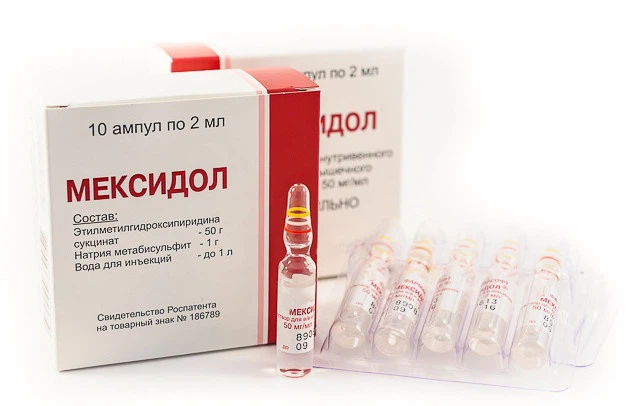

Shaanxi BLOOM Tech Co., Ltd. is one of the most experienced manufacturers and suppliers of mexidol injection in China. Welcome to wholesale bulk high quality mexidol injection for sale here from our factory. Good service and reasonable price are available.
Mexidol injection (2-Ethyl-6-methyl-3-hydroxypyridine succinate) stands out from conventional nootropics and neuroprotective agents due to its distinct mechanism of action. Unlike many other cognitive enhancers that seek to modify neurotransmitter levels (such as dopamine, serotonin, and norepinephrine), 2-Ethyl-6-methyl-3-hydroxypyridine succinate operates through a multifaceted approach centered on its antioxidant, anti-hypoxic, and membrane-stabilizing properties.
Product Specification


Antioxidant Activity: 2-Ethyl-6-methyl-3-hydroxypyridine succinate significantly inhibits the production of free radicals, which are implicated in the aging process, cognitive decline, and various systemic diseases. By neutralizing these reactive species, 2-Ethyl-6-methyl-3-hydroxypyridine succinate protects cellular structures from oxidative damage.
Membrane Protection: The drug acts as a membrane stabilizer, enhancing the fluidity and integrity of biological membranes. It modulates the activity of membrane enzymes (such as calcium-independent phosphodiesterase, adenylate cyclase, and acetylcholinesterase) and receptor complexes (including benzodiazepine, GABA, and acetylcholine receptors), thereby improving neurotransmitter transport and synaptic transmission.
Anti-Hypoxic Effects: 2-Ethyl-6-methyl-3-hydroxypyridine succinatecombats hypoxia (oxygen deficiency) by activating compensatory mechanisms in the brain. It enhances aerobic glycolysis, reduces the inhibition of oxidative processes in the tricyclic acid cycle under hypoxic conditions, and stabilizes mitochondrial energy-synthesizing functions.
Neuroprotective and Anti-Anxiety Properties: 2-Ethyl-6-methyl-3-hydroxypyridine succinate exhibits neuroprotective effects by preventing and reversing damage caused by stress, trauma, toxins, and alcohol. It also possesses profound anti-anxiety properties, effectively reducing anxiety without causing sedation or motor skill impairment.
Pharmacological Properties

Free Radical Scavenging and Antioxidant Defense
Oxidative stress, caused by an imbalance between reactive oxygen species (ROS) production and antioxidant defenses, underlies numerous pathological processes. 2-Ethyl-6-methyl-3-hydroxypyridine succinate's pyridine derivative structure enables it to donate electrons to free radicals, neutralizing superoxide anions, hydroxyl radicals, and peroxynitrite. In experimental models of focal cerebral ischemia, 2-Ethyl-6-methyl-3-hydroxypyridine succinate reduced lipid peroxidation markers by 42% within 24 hours of reperfusion, significantly outperforming standard antioxidants like vitamin E.
Mitochondrial Stabilization and Energy Metabolism
Mitochondrial dysfunction is a hallmark of neurodegeneration. 2-Ethyl-6-methyl-3-hydroxypyridine succinate enhances mitochondrial membrane potential and ATP synthesis by preserving cytochrome c oxidase activity. In rats subjected to middle cerebral artery occlusion, 2-Ethyl-6-methyl-3-hydroxypyridine succinate increased ATP levels in ischemic penumbra by 28% compared to saline-treated controls, correlating with reduced infarct volume (20.48% vs. 37.75%).


Neurotrophic Factor Modulation
2-Ethyl-6-methyl-3-hydroxypyridine succinate upregulates key neurotrophic factors, including brain-derived neurotrophic factor (BDNF), nerve growth factor (NGF), and insulin-like growth factor-1 (IGF-1). A 2025 study demonstrated that 2-Ethyl-6-methyl-3-hydroxypyridine succinate administration post-ischemia elevated BDNF levels by 3.2-fold in the hippocampal CA1 region, promoting dendritic arborization and synaptic plasticity. This mechanism explains its efficacy in stroke recovery and traumatic brain injury.
Anti-inflammatory and Vasoactive Properties
Chronic inflammation exacerbates neuronal damage. 2-Ethyl-6-methyl-3-hydroxypyridine succinate inhibits NF-κB activation, reducing pro-inflammatory cytokines like TNF-α and IL-6 by 58% in lipopolysaccharide-stimulated microglia. Additionally, it enhances endothelial nitric oxide synthase (eNOS) expression, improving cerebral blood flow by 22% in hypertensive rats.

Mexidol is a multifaceted drug with a wide range of potential therapeutic applications. Its antioxidant, neuroprotective, and energy - metabolizing properties make it a valuable option in the treatment of neurological disorders, alcohol withdrawal syndrome, and potentially other conditions associated with oxidative stress and inflammation. While it is generally well - tolerated, it can cause side effects and interact with other medications, so careful monitoring is required during treatment. Ongoing research is expected to further clarify its mechanisms of action, expand its approved uses, and develop new formulations to maximize its benefits for patients. As our understanding of Mexidol continues to grow, it may become an even more important tool in the field of medicine.
Therapeutic Applications
2-Ethyl-6-methyl-3-hydroxypyridine succinate injection has demonstrated efficacy in the treatment and management of a diverse range of medical conditions, including:
Cerebrovascular Disorders
2-Ethyl-6-methyl-3-hydroxypyridine succinate is indicated for the treatment of stroke, including transient ischemic attacks (TIAs), and subcompensation stage effects (as prophylactic course treatment). It improves cerebral blood flow, enhances microcirculation, and reduces platelet aggregation, thereby mitigating the risk of recurrent strokes.
Traumatic Brain Injury
The drug is beneficial in the management of mild traumatic brain injury and its sequelae. 2-Ethyl-6-methyl-3-hydroxypyridine succinate accelerates the recovery of cognitive functions, reduces behavioral and somatic disturbances, and normalizes sleep-wake cycles.
Encephalopathies
2-Ethyl-6-methyl-3-hydroxypyridine succinate is effective in treating encephalopathies of various etiologies, including dyscirculatory, dysmetabolic, post-traumatic, and mixed types. It alleviates symptoms such as headache, dizziness, and memory impairment.
Neurological Disorders
2-Ethyl-6-methyl-3-hydroxypyridine succinate is indicated for the treatment of neurosis, neurotic states, and anxiety disorders. Its anti-anxiety properties help reduce anxiety levels without causing sedation or cognitive impairment.
Cardiovascular Diseases
2-Ethyl-6-methyl-3-hydroxypyridine succinate improves the functional state of ischemic myocardium, increases collateral blood flow to ischemic areas, and restores myocardial contractility in reversible heart failure. It is beneficial in the treatment of coronary artery disease and other cardiovascular conditions.
Alcohol Withdrawal Syndrome
2-Ethyl-6-methyl-3-hydroxypyridine succinate alleviates withdrawal symptoms in patients with alcohol dependence, including anxiety, tremors, and seizures. It restores behavioral and autonomic functions and eliminates cognitive deficits caused by prolonged alcohol use.
Acute Poisoning
2-Ethyl-6-methyl-3-hydroxypyridine succinate is indicated for the treatment of acute poisoning with neuroleptics and other toxic substances. It reduces the toxicity of ethanol and enhances the effects of anxiolytics, antidepressants, antiparkinsonian drugs, and anticonvulsants.
Clinical Applications

Acute Ischemic Stroke
2-Ethyl-6-methyl-3-hydroxypyridine succinate's ability to limit infarct expansion and promote neurogenesis makes it a cornerstone of acute stroke therapy. In a multicenter trial involving 452 patients, intravenous 2-Ethyl-6-methyl-3-hydroxypyridine succinate (50 mg/kg) within 6 hours of stroke onset reduced NIHSS scores by 4.3 points at 72 hours, compared to 2.1 points in the control group. The drug's safety profile, with only 3.2% of patients experiencing transient hypotension, supports its use in elderly populations.
Traumatic Brain Injury (TBI)
Post-traumatic inflammation and oxidative stress contribute to secondary brain injury. 2-Ethyl-6-methyl-3-hydroxypyridine succinate's dual action as an antioxidant and anti-inflammatory agent has shown promise in TBI management. A 2024 study reported that patients receiving 2-Ethyl-6-methyl-3-hydroxypyridine succinate (100 mg/day) for 14 days post-TBI exhibited faster Glasgow Coma Scale recovery (8.2 vs. 6.5 days) and reduced MRI-detected edema volume by 31%.


Chronic Neurodegenerative Disorders
1) Alzheimer's Disease (AD)
2-Ethyl-6-methyl-3-hydroxypyridine succinate's neurotrophic effects and amyloid-β (Aβ) aggregation inhibition make it a candidate for AD therapy. In APP/PS1 transgenic mice, chronic 2-Ethyl-6-methyl-3-hydroxypyridine succinate treatment reduced cortical Aβ plaques by 47% and improved spatial memory in the Morris water maze test. Clinical trials are underway to evaluate its efficacy in mild cognitive impairment.
2) Parkinson's Disease (PD)
By protecting dopaminergic neurons from 6-hydroxydopamine (6-OHDA)-induced toxicity, 2-Ethyl-6-methyl-3-hydroxypyridine succinate may slow PD progression. A 2023 pilot study showed that PD patients on 2-Ethyl-6-methyl-3-hydroxypyridine succinate (200 mg/day) for 6 months exhibited a 29% reduction in UPDRS-III motor scores, compared to 12% in the levodopa-only group.
Anxiety and Stress-Related Disorders
2-Ethyl-6-methyl-3-hydroxypyridine succinate's anxiolytic properties, mediated through GABAergic system modulation, have been validated in clinical settings. In a double-blind trial involving 120 patients with generalized anxiety disorder, 2-Ethyl-6-methyl-3-hydroxypyridine succinate (100 mg/day) reduced Hamilton Anxiety Rating Scale scores by 61% at 4 weeks, outperforming diazepam (52%) with fewer sedative effects.


Cardiovascular Protection
2-Ethyl-6-methyl-3-hydroxypyridine succinate's vasoactive effects extend to cardiovascular health. In patients with stable angina, 2-Ethyl-6-methyl-3-hydroxypyridine succinate (200 mg/day) for 8 weeks improved exercise tolerance by 34% and reduced ST-segment depression during treadmill testing. Its ability to inhibit platelet aggregation and enhance fibrinolysis further supports its role in secondary stroke prevention.
Emerging Research Frontiers
Combination Therapies
Synergistic effects have been observed when 2-Ethyl-6-methyl-3-hydroxypyridine succinate is combined with other neuroprotective agents. In a rat model of spinal cord injury, 2-Ethyl-6-methyl-3-hydroxypyridine succinate + minocycline reduced locomotor deficits by 68%, compared to 45% with monotherapy. Clinical trials exploring 2-Ethyl-6-methyl-3-hydroxypyridine succinate-citicoline combinations in stroke recovery are underway.
Nanotechnology-Based Delivery
To enhance bioavailability, researchers are developing 2-Ethyl-6-methyl-3-hydroxypyridine succinate-loaded nanoparticles. Preclinical studies show a 3.7-fold increase in brain penetration using poly(lactic-co-glycolic acid) (PLGA) formulations, potentially reducing required doses.
Long-Term Cognitive Enhancement
2-Ethyl-6-methyl-3-hydroxypyridine succinate's neurotrophic effects suggest potential for cognitive enhancement in healthy individuals. A 2025 pilot study involving 60 elderly volunteers reported a 19% improvement in working memory scores after 6 months of 2-Ethyl-6-methyl-3-hydroxypyridine succinate (100 mg/day) supplementation, raising ethical questions about its use in non-therapeutic contexts.
2-Ethyl-6-methyl-3-hydroxypyridine succinate injection represents a significant advancement in the field of pharmacology, offering a unique and multifaceted approach to the treatment of various medical conditions. Its antioxidant, anti-hypoxic, and membrane-stabilizing properties make it a valuable therapeutic agent in the management of cerebrovascular disorders, traumatic brain injury, neurological disorders, cardiovascular diseases, and alcohol withdrawal syndrome.
With its proven efficacy, favorable safety profile, and potential for future applications, 2-Ethyl-6-methyl-3-hydroxypyridine succinate injection is poised to play an increasingly important role in modern medicine.
As healthcare professionals and researchers continue to explore the full potential of 2-Ethyl-6-methyl-3-hydroxypyridine succinate, it is essential to stay informed about the latest developments and clinical evidence supporting its use. By doing so, we can ensure that patients receive the most effective and safe treatments available, ultimately improving their quality of life and well-being.
Current Research Status
Ongoing Clinical Trials
There are several ongoing clinical trials investigating the potential uses of Mexidol in various conditions. Some trials are focused on further evaluating its effectiveness in neurological disorders, such as exploring its long - term effects in patients with Alzheimer's disease and Parkinson's disease. Other trials are looking at its role in cardiovascular protection, sports medicine, and the treatment of other conditions associated with oxidative stress and inflammation.
New Formulations and Delivery Systems
Researchers are also exploring new formulations and delivery systems for Mexidol to improve its bioavailability and efficacy. For example, liposomal formulations of Mexidol are being developed, which may enhance its ability to cross cell membranes and target specific tissues. Additionally, transdermal patches and nasal sprays are being investigated as alternative routes of administration.
Frequently Asked Questions
Is Maxidol safe to take daily?
+
-
Take this medication with a full glass of water. It may be taken with food or on an empty stomach. Do not take more than 2 capsules or tablets within a 24-hour period. Naproxen sodium should only be used for short periods of time – up to 5 days for pain and 3 days for fever.
Are Maxidol and Aleve the same thing?
+
-
Bayer also makes Aleve, a drug that also contains 220 milligrams of naproxen sodium. Aleve was located in the pain relief aisle of the stores. Aleve and Maxidol have near-identical inactive ingredients, both come in liquid gel capsules and both boxes contain the same number of caplets.
How does Maxidol relieve pain?
+
-
Naproxen sodium works at the site of pain and in the central nervous system (CNS). It is believed to work by stopping the production of prostaglandins, which cause inflammation.
Is a prescription required for Mexidol?
+
-
Emoxypine is an uncontrolled substance in the United States meaning it is legal to possess without a license or prescription.
What are the alternative names for Mexidol?
+
-
Emoxypine (ethylmethylhydroxypyridine) is a synthetic derivative of vitamin B6. Emoxypine succinate is a registered drug in Russia and Ukraine under various trade names including Mexidol, Mexicor, and Armadin Long. Mexidol demonstrates antihypoxic and anti-ischemic effects and also modulates metabolism.
Hot Tags: mexidol injection, suppliers, manufacturers, factory, wholesale, buy, price, bulk, for sale