


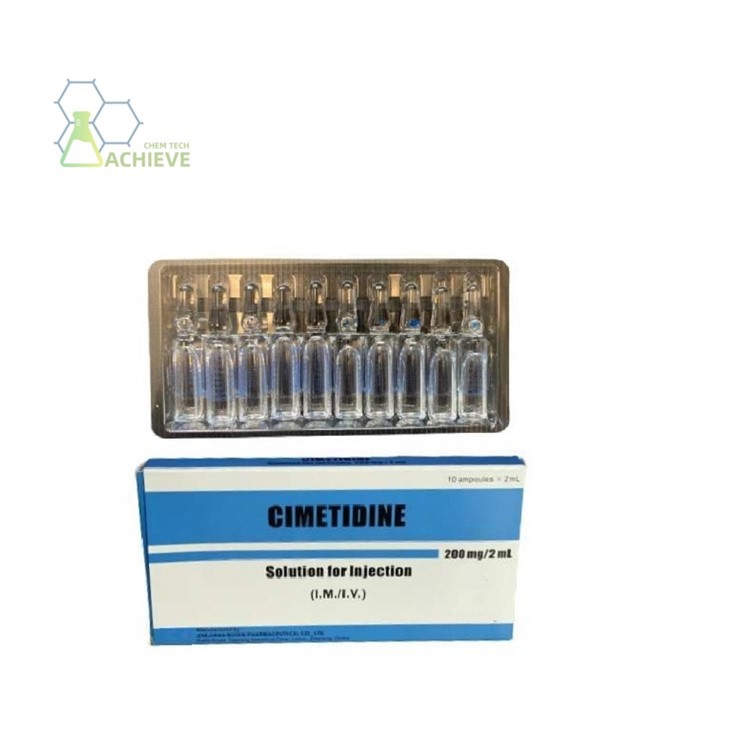

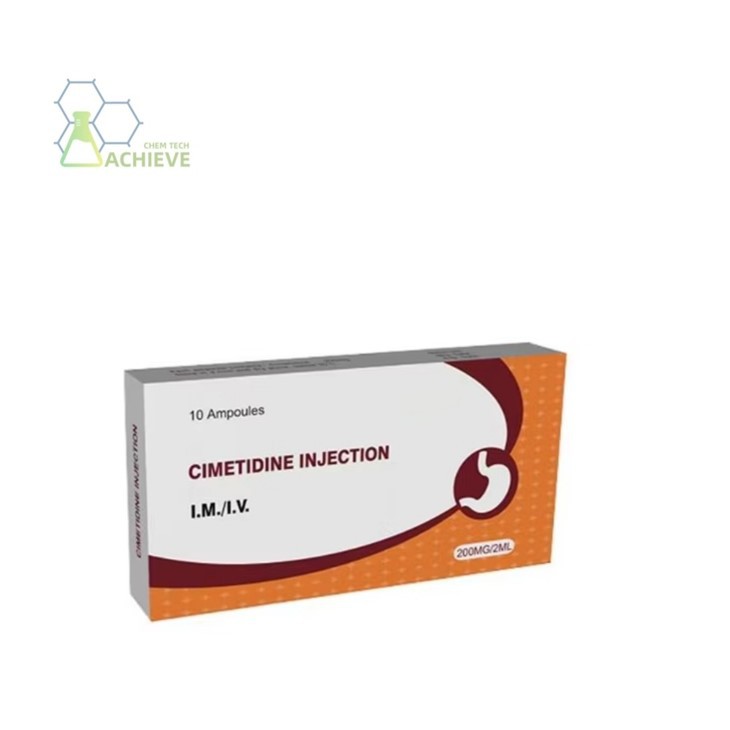

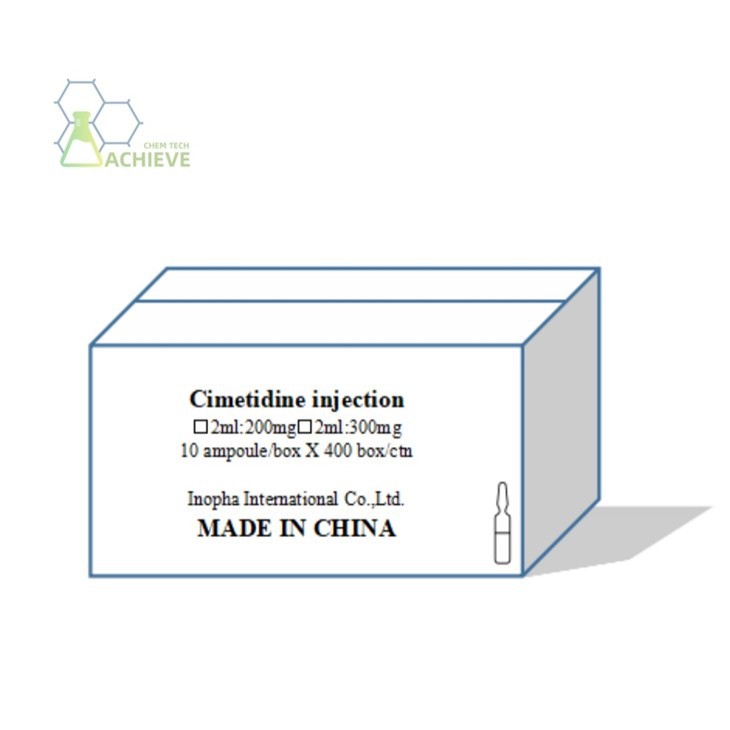
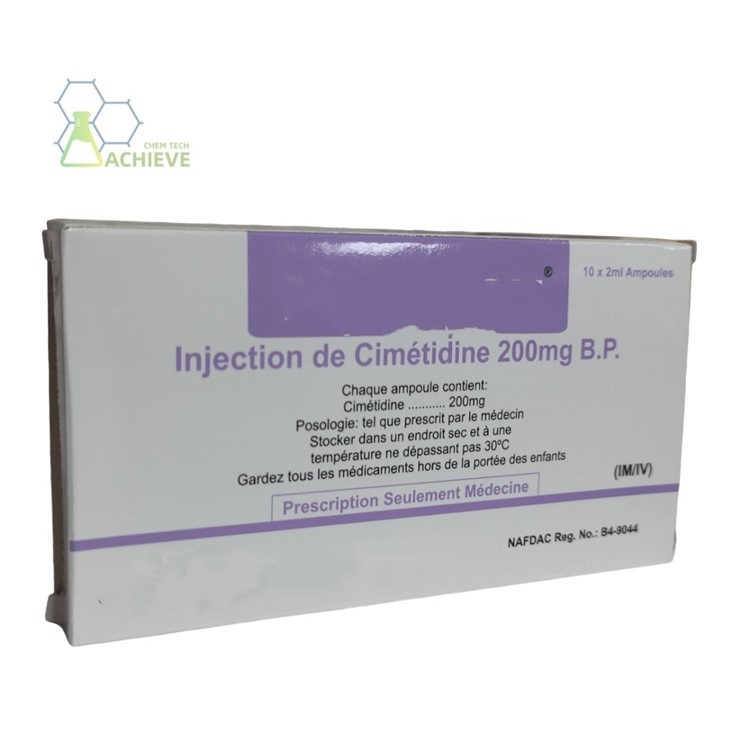
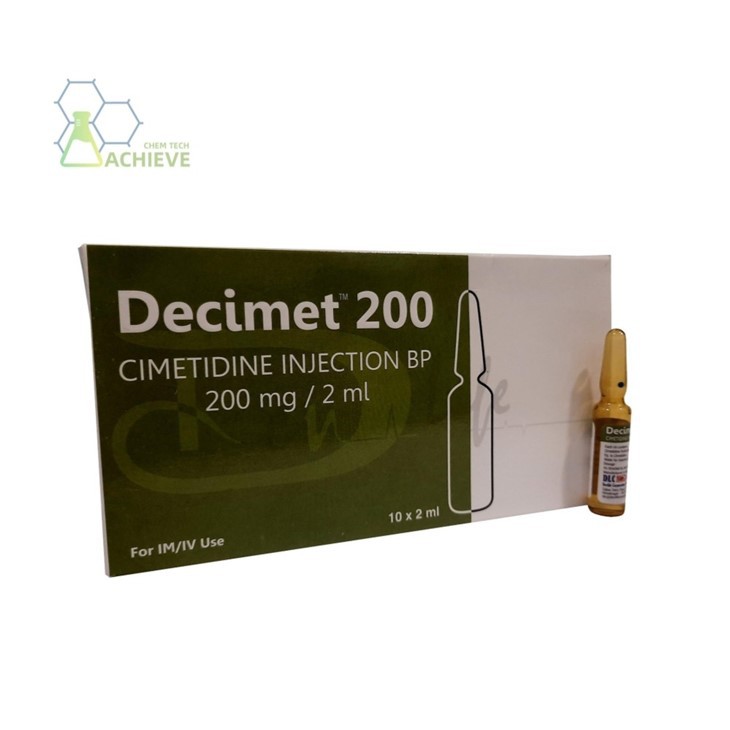
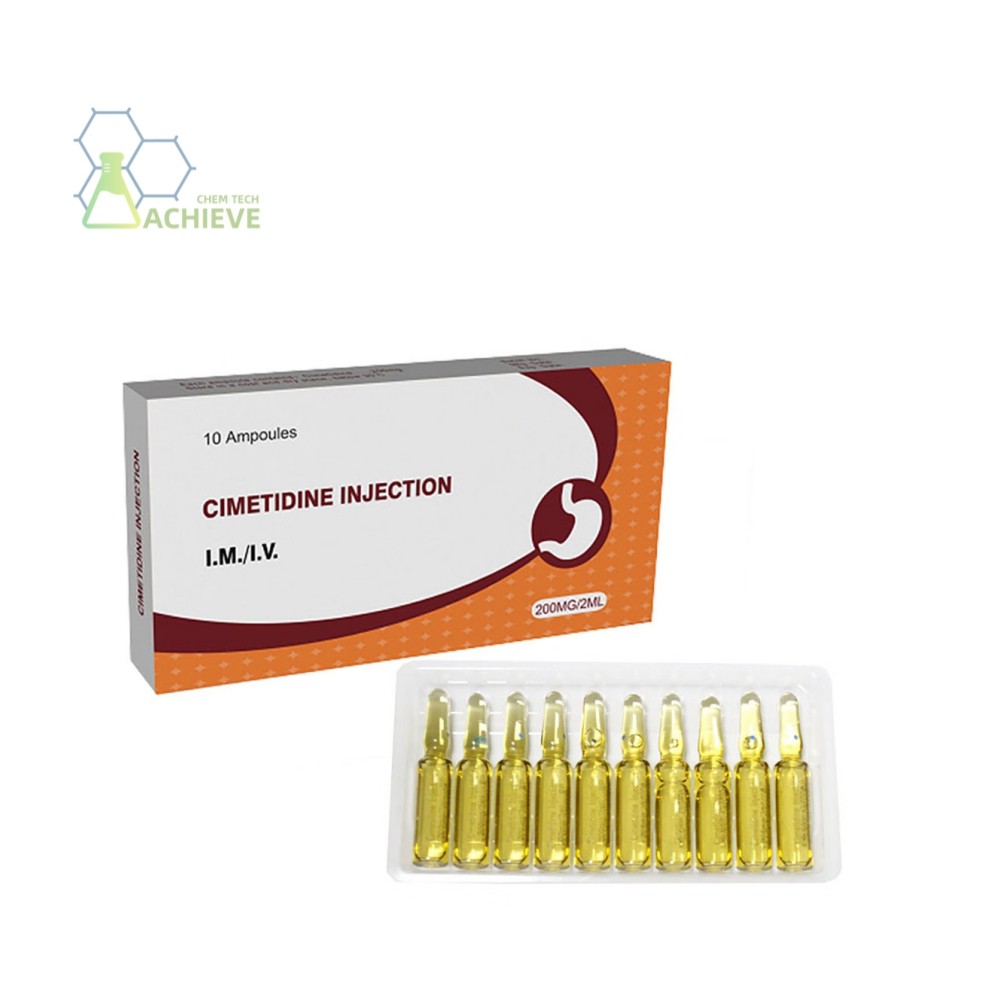
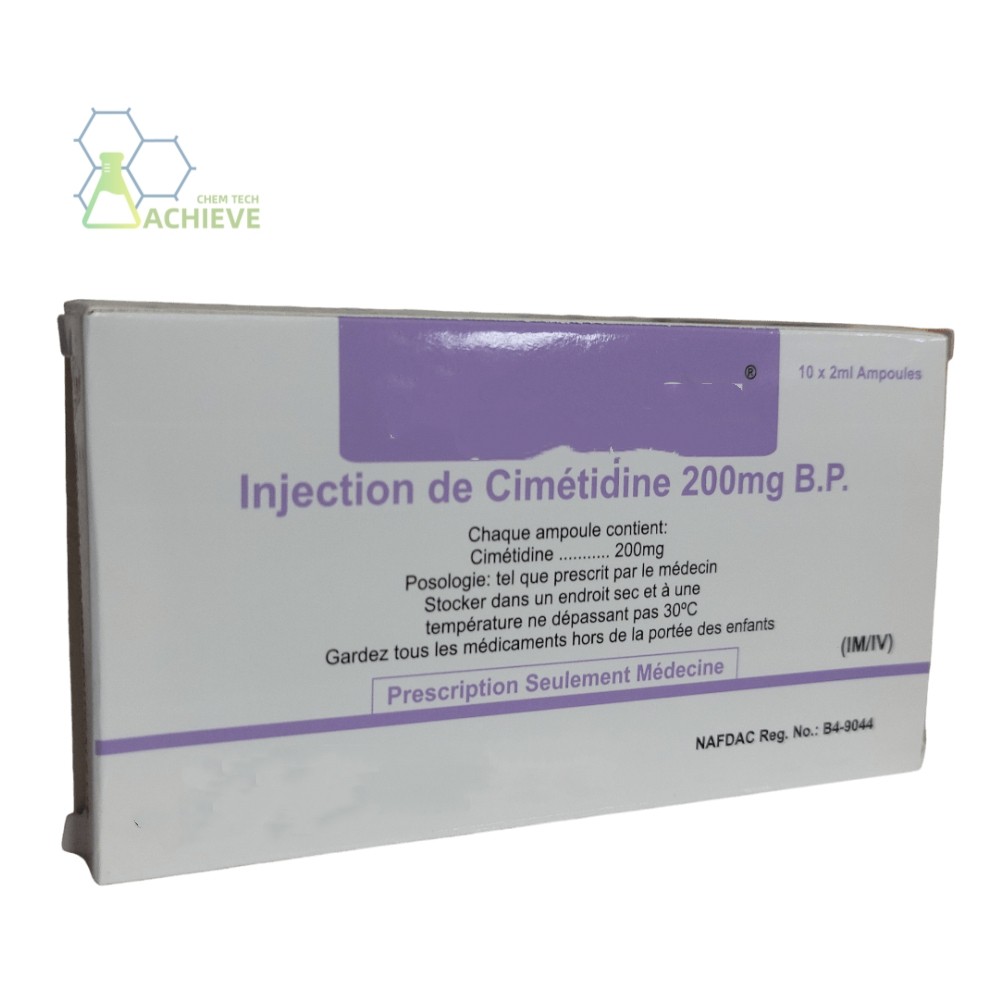
Shaanxi BLOOM Tech Co., Ltd. is one of the most experienced manufacturers and suppliers of cimetidine injection in China. Welcome to wholesale bulk high quality cimetidine injection for sale here from our factory. Good service and reasonable price are available.
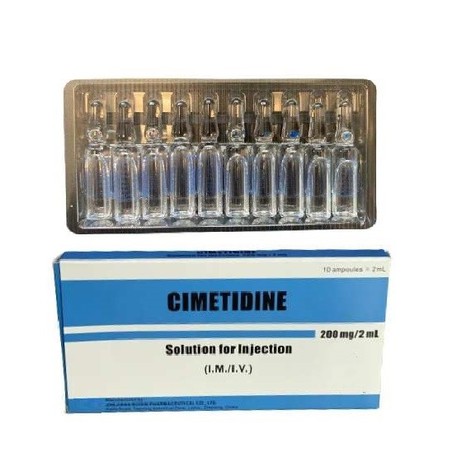
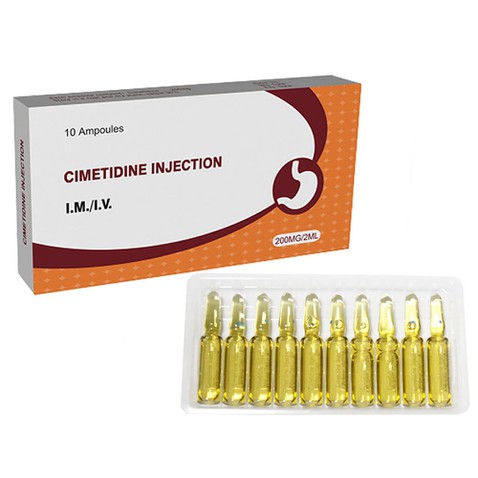
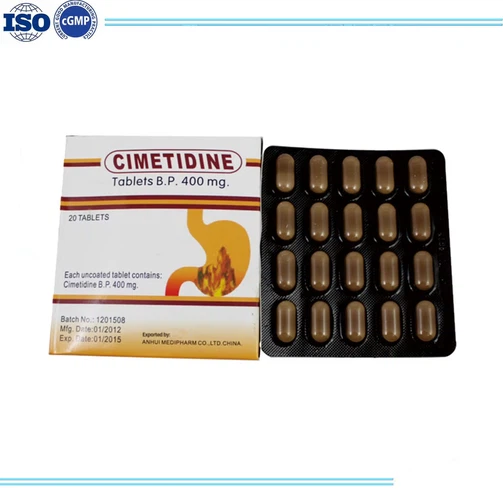
Cimetidine injection, as the first generation histamine H ₂ receptor antagonist, has been widely studied in animal models for its pharmacological mechanism of action since its emergence in the 1970s. Mainly used for treating diseases related to excessive gastric acid secretion. Its core component is cimetidine, which competitively inhibits H2 receptors on gastric wall cells, effectively blocking the secretion of gastric acid caused by histamine and other stimuli, thereby reducing gastric acidity and alleviating symptoms caused by excessive gastric acid.


Additional information of chemical compound:
| Product Name | Cimetidine Powder | Cimetidine Tablets | Cimetidine Injection | Cimetidine Capsules | Cimetidine Cream |
| Product Type | Powder | Tablets | Injection | Capsules | Cream |
| Product Purity | ≥99% | ≥99% | ≥99% | ≥99% | ≥99% |
| Product Specifications | Customizable | Customizable | Customizable | Customizable | Customizable |
| Product Package | Customizable | Customizable | Customizable | Customizable | Customizable |
Our product form


Cimetidine +. COA
 |
||
Certificate of Analysis |
||
|
Compound name |
Cimetidine | |
|
CAS No. |
51481-61-9 | |
|
Grade |
Pharmaceutical grade | |
|
Quantity |
Customized | |
|
Packaging standard |
Customized | |
| Manufacturer | Shaanxi BLOOM TECH Co., Ltd | |
|
Lot No. |
20250109001 |
|
|
MFG |
Jan 12th 2025 |
|
|
EXP |
Jan 8th 2029 |
|
|
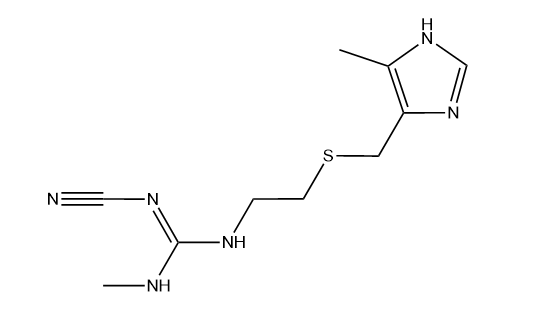
Structure |
|
|
| TEST STANDARD | GB/T24768-2009 Industry. Stnndard | |
|
Item |
Enterprise standard |
Analysis result |
|
Appearance |
White or almost white powder |
Conformed |
|
Water content |
≤4.5% |
0.30% |
| Loss on drying |
≤1.0% |
0.15% |
|
Heavy Metals |
Pb≤0.5ppm |
N.D. |
|
As≤0.5ppm |
N.D. | |
|
Hg≤0.5ppm |
N.D. | |
|
Cd≤0.5ppm |
N.D. | |
|
Purity (HPLC) |
≥99.0% |
99.5% |
|
Single impurity |
<0.8% |
0.48% |
|
Residue on ignition |
<0.20% |
0.064% |
|
Total microbial count |
≤750cfu/g |
80 |
|
E. Coli |
≤2MPN/g |
N.D. |
|
Salmonella |
N.D. | N.D. |
|
Ethanol (by GC) |
≤5000ppm |
400ppm |
|
Storage |
Store in a sealed, dark and dry place at-20 degrees |
|
|
|
||
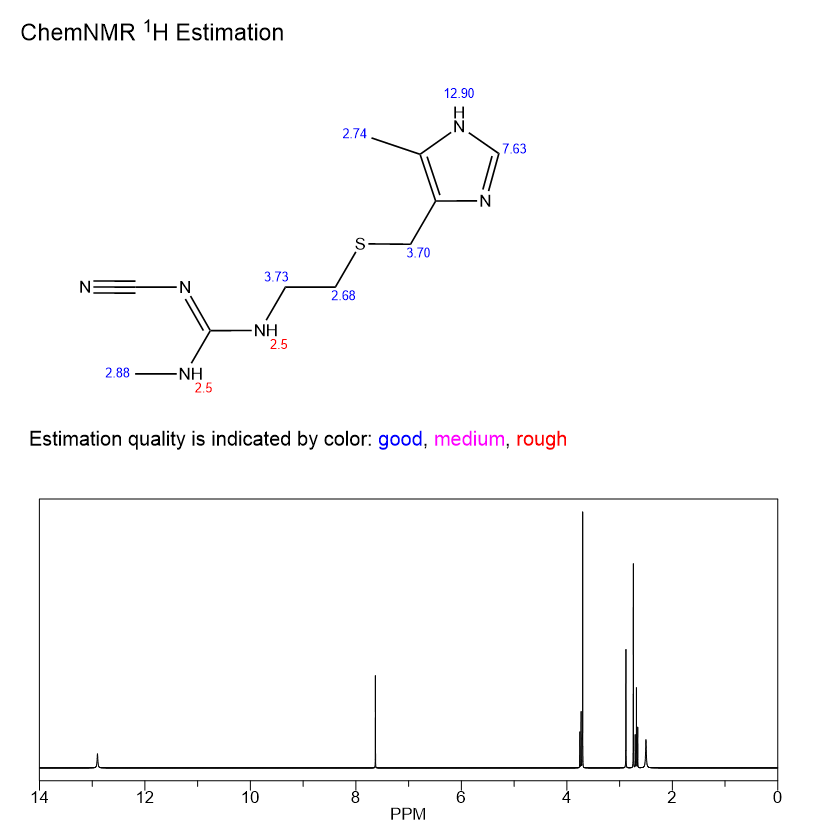


This product is suitable for treating diagnosed duodenal ulcers, gastric ulcers, and patients who experience recurrence after short-term treatment. For patients with persistent gastroesophageal reflux disease, especially those whose anti reflux measures and single drug treatments such as antacids are ineffective, cimetidine injection can significantly improve symptoms. In addition, it is also used to prevent stress ulcers and bleeding in critically ill patients, as well as to treat diseases such as gastrinoma (Zollinger Ellison syndrome) with excessive gastric acid secretion.
1.1 H ₂ receptor localization and signal transduction
In animal gastric mucosa, H ₂ receptors are mainly distributed on the outer membrane of parietal cells and belong to the G protein coupled receptor (GPCR) family. When histamine binds to the H ₂ receptor, it activates the Gs protein, which in turn activates adenylate cyclase (AC), catalyzing ATP to produce cyclic adenosine monophosphate (cAMP). CAMP acts as a second messenger, activating protein kinase A (PKA), ultimately leading to phosphorylation of the parietal cell apical proton pump (H ⁺/K ⁺ - ATPase) and initiating gastric acid secretion.
Animal experimental evidence:
In vitro experiments on rat gastric mucosa showed that cimetidine inhibited histamine induced cAMP accumulation in a dose-dependent manner, with an IC50 value of 42 nM, consistent with receptor binding kinetics data.
In the canine gastric fistula model, intravenous injection of cimetidine (5 mg/kg) significantly reduced basal gastric acid secretion by 70%, and the inhibitory effect was positively correlated with blood drug concentration.

1.2 Competitive antagonistic characteristics
Cimetidine blocks the excitatory effect of histamine by occupying the H ₂ receptor binding site. Its competitive inhibition characteristics are manifested as:
Reversible binding: In the experiment of guinea pig gastric mucosal cells, the binding of cimetidine to the receptor can be reversed by excessive histamine, which is consistent with the characteristics of competitive antagonists.
Subtype selectivity: Radioligand binding experiments have confirmed that the affinity of cimetidine for H ₂ receptors (Kd=42 nM) is significantly higher than that for H ₁ receptors (Kd>10 μ M) and H3 receptors (Kd>100 μ M), explaining its lack of anticholinergic side effects.
1.3 Dynamic regulation of gastric acid secretion
Inhibition of basal gastric acid secretion:
In a chronic gastric fistula model in dogs, continuous intravenous infusion of cimetidine (2 mg/kg/h) can reduce nighttime gastric acid secretion by 85%, and the effect lasts for more than 8 hours.
In vitro experiments on rat gastric mucosa showed that the inhibition of basal gastric acid secretion by cimetidine was concentration dependent, with an EC ₅₀ value of 0.3 μ M.
Stimulating inhibition of gastric acid secretion:
Experiments on pig gastric mucosa showed that cimetidine can block gastric acid secretion induced by pentagastrin (1 μ g/kg/h), with an inhibition rate of 65%.
In the dog model, the inhibitory rates of cimetidine on gastric acid secretion stimulated by insulin induced hypoglycemia (0.1 U/kg IV) or caffeine (50 mg/kg IV) were 58% and 62%, respectively.

1.4 Changes in gastric juice composition
PH adjustment:
Dog experiments have shown that cimetidine (10 mg/kg IV) can increase the pH of gastric juice from 1.2 to 4.5 for more than 6 hours.
In the pig gastric fistula model, the activity of gastric protease in the cimetidine treatment group decreased by 70%, which was related to enzyme inactivation caused by pH elevation.
Gastric juice volume control:
The rabbit gastric lavage experiment showed that cimetidine (50 μ M) can reduce gastric juice secretion by up to 40%, and the mechanism involves depolarization inhibition of tubular membrane potential secreted by parietal cells.
2.1 Expression of immune cell H ₂ receptors
T lymphocytes:
Flow cytometry analysis of mouse spleen T cells showed that the expression rate of H ₂ receptors on the surface of CD4 ⁺ T cells reached 65%, and CD8 ⁺ T cells was 42%.
The experiment of rat lymphocyte membrane fragments confirmed that the H ₂ receptor is coupled with Gs protein and can upregulate the expression of IL-2 receptor after activation.
Macrophages:
Guinea pig peritoneal macrophage culture showed that H ₂ receptor activation can inhibit LPS induced TNF - α secretion, with an IC50 value of 10 μ M.
Experiments on peripheral blood mononuclear cells in dogs showed that cimetidine (50 μ M) can block the increase in IL-6 secretion induced by histamine (10 μ M).

2.2 Regulation of inflammatory mediators
Histamine synthesis inhibition:
The degranulation experiment of rat mast cells showed that cimetidine (100 μ M) can reduce histamine release by up to 35%, and the mechanism involves inhibiting L-histidine decarboxylase activity.
In a dog skin allergy model, pretreatment with cimetidine (10 mg/kg IV) reduced the diameter of histamine skin reactions by 40%.
Cytokine balance:
In a mouse colitis model, the treatment group with cimetidine (50 mg/kg/day PO) showed a 2.3-fold increase in IL-10 levels and a 60% decrease in TNF - α levels in colon tissue.
The pig joint cavity cimetidine injection experiment showed that cimetidine (1 mg/joint) can inhibit the synthesis of PGE ₂ in synovial cells induced by IL-1 β, with an IC ₅₀ value of 20 μ M.
2.3 Regulation of immune cell adhesion
Inhibition of Selectin Expression:
Rat aortic endothelial cell culture showed that cimetidine (50 μ M) could block the upregulation of E-selectin expression induced by histamine (10 μ M), with an inhibition rate of 75%.
In the canine myocardial ischemia-reperfusion model, the treatment group with cimetidine showed a 50% reduction in neutrophil infiltration, which was associated with a decrease in P-selectin expression.
Regulation of integrin activity:
The mouse lymphocyte migration experiment showed that cimetidine (25 μ M) can inhibit the adhesion of LFA-1 integrin to ICAM-1, with an IC50 value of 15 μ M.
In the rabbit corneal transplantation model, the survival time of the transplanted tissue in the cimetidine treatment group was extended by 3 days, and the mechanism involved inhibiting T cell infiltration.

Antitumor angiogenesis: H ₂ receptor independent mechanism

3.1 Regulation of VEGF signaling pathway
H ₂ receptor independent inhibition:
The rat corneal pocket model showed that cimetidine (50 mg/kg/day PO) could inhibit bFGF induced angiogenesis with an inhibition rate of 65%, and this effect was not reversed by H ₂ receptor agonists.
The chicken embryo membrane experiment confirmed that cimetidine (100 μ M) can block vascular branching induced by VEGF, with an IC value of 30 μ M.
VEGF expression regulation:
In the mouse breast cancer model, the level of VEGF mRNA in tumor tissue of cimetidine (100 mg/kg/day IP) treatment group decreased by 70%, which was related to the down-regulation of HIF-1 α expression.
Cell culture of canine mastocytoma showed that cimetidine (50 μ M) can inhibit histamine (10 μ M) - induced VEGF secretion with an inhibition rate of 80%.
3.2 Inhibition of endothelial cell function
Migration inhibition:
Scratch experiments on human umbilical vein endothelial cells (HUVECs) showed that cimetidine (25 μ M) can inhibit VEGF (10 ng/mL) - induced cell migration with an inhibition rate of 60%.
The culture of mouse brain microvascular endothelial cells showed that cimetidine (50 μ M) can block matrix gel induced luminal formation, with an IC50 value of 20 μ M.
Apoptosis induction:
The experiment on apoptosis of porcine aortic endothelial cells showed that cimetidine (100 μ M) can induce caspase-3 activation with an apoptosis rate of 35%.
In the rabbit corneal neovascularization model, the number of apoptotic bodies in endothelial cells increased by 2.5 times in the cimetidine treatment group.


3.3 Tumor cell adhesion inhibition
Regulation of integrin expression:
Mouse melanoma cell culture showed that cimetidine (50 μ M) can downregulate the expression of α v β 3 integrin, with an inhibition rate of 65%.
The cell adhesion experiment of canine lymphoma showed that cimetidine (25 μ M) can block cell adhesion induced by fibronectin, with an IC50 value of 10 μ M.
Metalloproteinase inhibition:
In a rat glioma model, the activity of MMP-9 in tumor tissue was reduced by 70% in the group treated with cimetidine (100 mg/kg/day IP).
Pig chondrocyte culture showed that cimetidine (50 μ M) can inhibit IL-1 β - induced MMP-13 secretion, with an IC50 value of 20 μ M.
4.1 CYP450 enzyme inhibition characteristics
Enzyme activity assay:
The rat liver microsomal experiment showed that cimetidine (50 μ M) can inhibit CYP1A2 activity by up to 80% and reduce CYP3A4 activity by 65%.
In the pharmacokinetic model of dogs, cimetidine (10 mg/kg IV) can increase the AUC of diazepam by 2.3 times and reduce CL by 55%.
Mechanism research:
Molecular docking experiments showed that cimetidine forms a coordination bond with heme iron at the active site of CYP3A4, stabilizing the enzyme inhibitor complex.
Rat liver cell culture showed that cimetidine (25 μ M) can downregulate CYP2C11 mRNA expression with an inhibition rate of 70%.


4.2 Drug interaction model
Metabolism of warfarin:
Pharmacokinetic experiments in rabbits showed that cimetidine (50 mg/kg/day PO) can prolong warfarin T ₁/₂ by 2.1 times and increase PT value by 35%.
In the canine coagulation model, the combination of cimetidine and warfarin resulted in a 2.8-fold prolongation of bleeding time, and the dosage ratio needs to be adjusted to 1:0.6.
Theophylline metabolism:
Monitoring of theophylline concentration in rat plasma showed that cimetidine (20 mg/kg/day IP) can increase theophylline Cmax by 2.5 times and AUC by 3.2 times.
The pig liver perfusion experiment showed that cimetidine (50 μ M) can inhibit theophylline glucuronidation and reduce the clearance rate by 60%.
Pathway of action: administration mode and pharmacokinetics
Injection administration route
Intravenous cimetidine injection:
Pharmacokinetic studies in dogs showed that after intravenous injection of cimetidine (5 mg/kg), the Cmax reached 15 μ g/mL and T ₁/₂ was 1.2 hours.
In the pig model, intravenous infusion (2 mg/kg/h) can maintain a steady-state blood drug concentration of 5-8 μ g/mL, which meets the EC ₅₀ requirements for gastric acid secretion inhibition.
Muscle injection:
The rat experiment showed that after intramuscular injection of cimetidine (10 mg/kg), the Tmax was 0.5 hours and the bioavailability reached 85%.
A comparative study of rabbits showed no significant difference in AUC between intramuscular injection and intravenous injection (P>0.05).
Organizational Distribution Characteristics
Plasma protein binding rate:
The in vitro equilibrium dialysis experiment showed that the protein binding rate of cimetidine in dog plasma was 20%, mainly binding to albumin.
Research on the distribution of rat tissues shows that the concentration of cimetidine in gastric wall cells is 15 times that of plasma, supporting its targeted effect.
Metabolism and excretion:
The canine bile drainage experiment showed that cimetidine is mainly metabolized by the liver, producing sulfur oxides and N-oxide metabolites.
The study on rat urinary excretion confirmed that the prototype drug accounted for 30% of the dose, metabolites accounted for 65%, and the renal clearance rate was 3.5 mL/min/kg.
Cimetidine injection exerts pharmacological effects through multiple pathways and targets:
Regulation of gastric acid secretion:
As an H ₂ receptor antagonist, it directly inhibits gastric acid secretion in parietal cells and regulates the composition of gastric acid.
Immune regulation:
Regulates the balance between immune cell function and inflammatory mediators through H ₂ receptor dependent and non dependent mechanisms.
Anti tumor angiogenesis:
Inhibiting the VEGF signaling pathway and endothelial cell function, blocking tumor angiogenesis.
Drug metabolism effects:
As a CYP450 enzyme inhibitor, it alters the pharmacokinetic characteristics of co administered drugs.
Hot Tags: cimetidine injection, suppliers, manufacturers, factory, wholesale, buy, price, bulk, for sale