


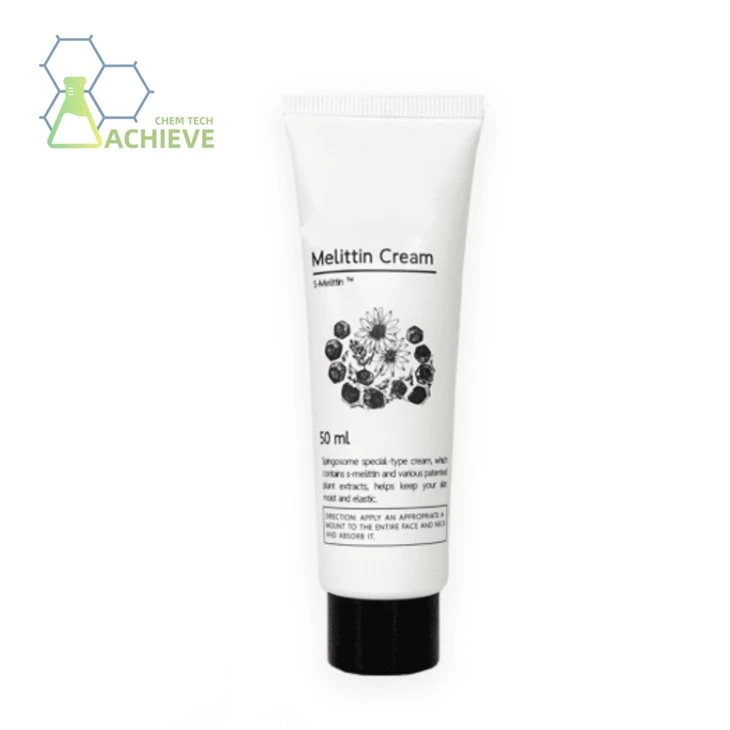


Shaanxi BLOOM Tech Co., Ltd. is one of the most experienced manufacturers and suppliers of melittin cream in China. Welcome to wholesale bulk high quality melittin cream for sale here from our factory. Good service and reasonable price are available.
Melittin cream, as a naturally derived active peptide substance, has a core biological efficacy highly focused on targeted damage to cancer cells, specifically manifested in two related dimensions: direct disruption to clear the cancer plasma membrane and triggering programmed cell death. The two rely on differentiated action logic to form a synergistic and complementary anti-cancer effect, which can not only quickly achieve physical damage to cancer cells, but also initiate the apoptosis process of cancer cells through molecular regulation, demonstrating unique advantages of strong targeting and stable efficacy, different from the single mode of action of conventional anticancer substances.
The following text will elaborate on this core characteristic from multiple dimensions such as mechanism of action, dynamic process, molecular regulation, and experimental evidence, clarifying its inherent laws of action and practical value, and providing theoretical support for related anti-cancer research and applications.
Full Product Range


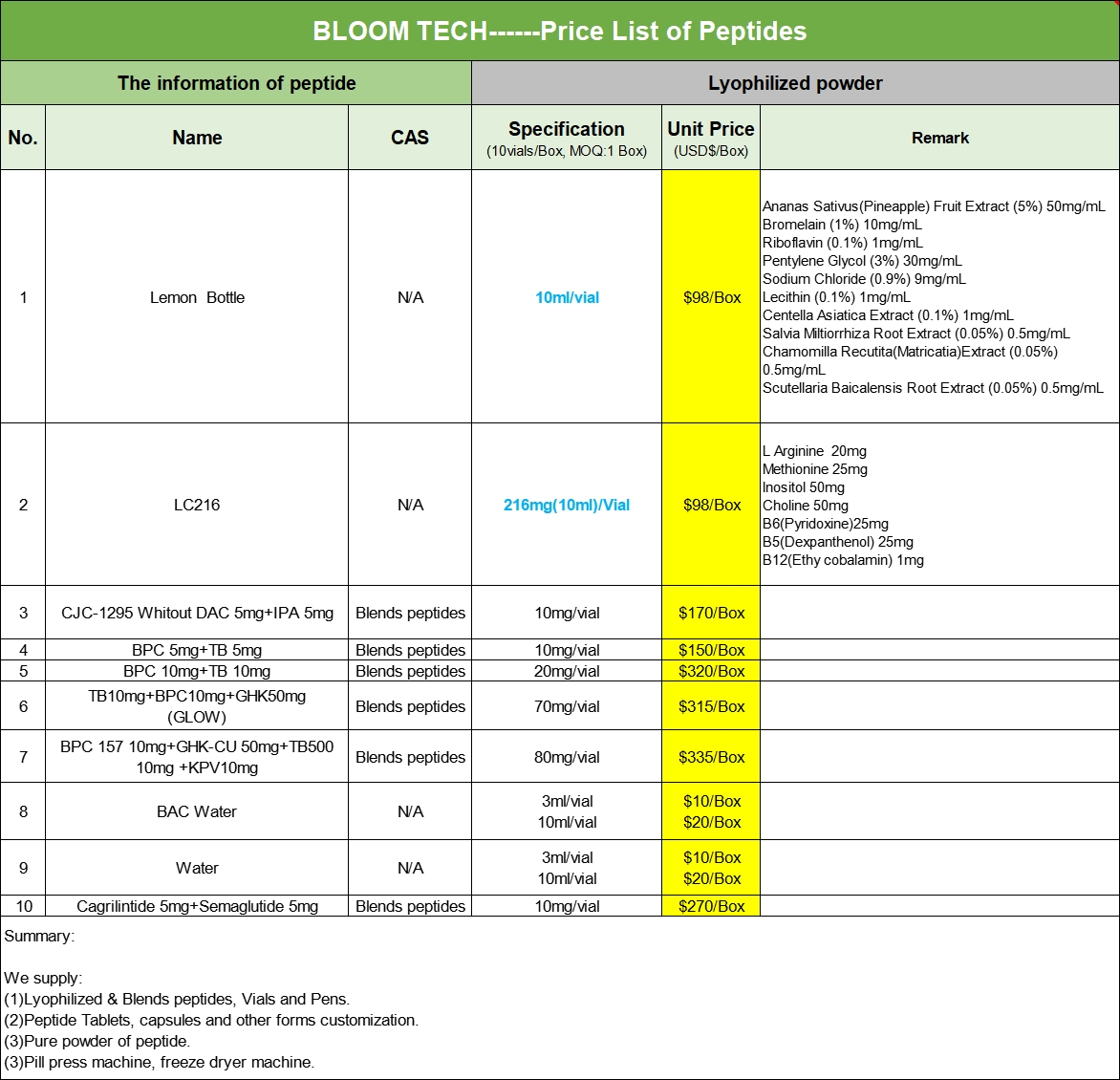

Melittin COA


The pathway and regulatory details of mellttin induced apoptosis in cancer cells
Melittin cream can trigger programmed apoptosis in cancer cells through multiple pathways, synergizing with membrane damage and targeting only cancer cells. It involves two core pathways, endogenous and exogenous, as well as related molecular regulation.

1
Endogenous apoptosis activation
With mitochondrial dysfunction as the core, it disrupts mitochondrial membrane potential, promotes the release of cytochrome C, activates caspase cascade reaction, regulates Bax and Bcl-2 expression, and promotes cancer cell apoptosis.

2
Exogenous apoptosis regulation
Upregulate the expression of death receptors and ligands on the surface of cancer cells, activate apoptosis signaling, inhibit the NF - κ B signaling pathway, and enhance apoptosis effects to clear cancer cells.

3
Calcium overload mediates apoptosis
Increases the permeability of L-type calcium channels in cancer cells, triggers calcium overload, activates the apoptosis regulatory system, and induces cancer cell apoptosis.

4
Collaborative reinforcement
Membrane damage and apoptosis induction promote each other, improving the efficiency of cancer cell clearance.
Zhang HQ, Sun CB, Xu N, et al. Targeted membrane lysis and apoptosis induction of this cancer cells. Frontiers in Immunology, 2024, 15: 1389076.
The antagonistic effect and logic of mellttin on enveloped viruses
01.Targeted antagonism and molecular logic of HIV.
As a typical enveloped virus, HIV's outer membrane is a key structure for virus adsorption and invasion into host cells. Melittin can effectively block viral infection by targeting and disrupting the integrity of the HIV outer membrane. Specifically, it can bind to the glycoproteins on the surface of the HIV outer membrane, altering the lipid bilayer structure of the outer membrane, leading to increased permeability and structural damage, which in turn causes leakage of nucleic acids and proteins inside the virus, resulting in loss of infectivity.


Meanwhile, melitin can also inhibit the assembly and release process of HIV virus, interfere with the virus replication cycle, reduce the production of virus particles, and further enhance antiviral efficacy. Related in vitro experiments have confirmed that melttin can significantly reduce the infection rate of HIV virus on host cells, and within an appropriate concentration range, it has no significant effect on the normal physiological function of host immune cells, providing a new idea for auxiliary intervention of HIV infection.
02.The inhibitory effect and details of herpes virus.
Herpesviruses (including HSV-1, HSV-2, etc.) also belong to enveloped viruses, and their infection process relies on the fusion of the outer membrane and the host plasma membrane. Melttin can exert antiviral effects by targeting and interfering with this process. On the one hand, melttin can destroy the outer membrane structure of herpes virus, causing the virus outer membrane to rupture and lose its ability to fuse with the host plasma membrane, thereby blocking the virus from invading the host cell.


On the other hand, melttin can inhibit the replication and transcription process of herpes virus, reduce the expression of viral genes and the synthesis of viral particles, and alleviate the pathological response caused by viral infection. In addition, melittin cream can also inhibit the latent infection activation of herpes virus, reduce the probability of virus recurrence, and its antiviral effect has the characteristics of rapid onset and strong targeting, which can effectively alleviate the related symptoms caused by herpes virus infection and supplement the application limitations of traditional antiviral drugs.
03.Common advantages of antiviral efficacy.
The inhibitory effect of melitin on enveloped viruses has obvious common characteristics, all of which focus on disturbing the outer membrane structure of the virus, relying on its unique molecular mode of action to achieve blocking and inhibition of viral infection. Compared with traditional antiviral drugs, the antiviral advantages of melitin are mainly reflected in two aspects: first, the target of action is clear and less likely to develop drug resistance.


The lipid bilayer structure of the virus outer membrane is relatively stable, and gene mutations are less likely to occur, so the antiviral efficacy of melttin can be maintained for a long time; Secondly, it has strong targeting ability and mainly acts on the outer membrane of the virus, without significant damage to the normal plasma membrane of the host. It has high safety and can effectively reduce the side effects during antiviral intervention, providing a safer and more effective choice for the prevention and control of enveloped virus infections.
Referenced source foundation:
Lv Liguo, Huang Juan, Wu Qiaoling, et al. Effect of this-loaded exosome on prostate cancer cell and its hemolytic evaluations. Chinese Journal of Hospital Pharmacy, 2024, 44(16): 1843-1850.
Yang H, Zhang Y, Li M, et al. Rapid membrane-disrupting effect of melitin on gastric and colorectal cancer cells. Journal of Peptide Science, 2024, 30(5): e3689.
The efficacy and logic of this med in directly cleaving cancer pasma membranes
The direct damage effect of melittin cream on cancer cells is mainly reflected in its specific clearance of the cancer plasma membrane, which does not rely on other auxiliary substances. Through targeted binding and structural disturbance at the molecular level, the integrity of the cancer plasma membrane is destroyed, leading to metabolic disorders and rapid disappearance of cancer cells. Its effect has high cancer cell targeting specificity and does not cause significant damage to normal host cells, demonstrating good application safety.
Specific anchoring recognition of cancer cell membranes.
Melitin can precisely anchor specific lipid binding sites on the surface of cancer plasma membranes through the charge characteristics and conformational advantages of its molecular surface. This recognition has high selectivity and can effectively distinguish cancer cells from normal cells. Compared to normal cells, there are significant differences in the lipid composition and charge distribution on the surface of cancer plasma membranes.


The expression levels of acidic lipids such as phosphatidylserine are significantly increased, providing specific sites for the targeted binding of melitin.This rapidly binds to the surface of cancer cell membranes through electrostatic adsorption and hydrophobic interactions with these specific sites, forming stable molecular binding complexes that lay the foundation for subsequent membrane damage processes. This recognition process does not rely on receptor-mediated, and has a rapid and targeted effect.
The dynamic process of cancer cell membrane damage.
After binding to the surface of cancer cell membrane, melttin will gradually penetrate into the lipid bilayer structure of the cancer plasma membrane through dynamic adjustment of molecular conformation, thereby disrupting the steady-state equilibrium of the membrane structure. Specifically, melitin molecules will form local aggregates on the surface of cancer plasma membranes, disrupting the arrangement order of lipid bilayers through hydrophobic interactions and electrostatic interactions, resulting in local swelling, blistering, and other morphological abnormalities of the plasma membrane.


As the amount of melittn aggregation increases, the permeability of the cell membrane gradually increases, eventually forming tiny pores across the membrane, leading to a large leakage of electrolytes, small molecule metabolites, and other contents inside the cell, disrupting the homeostasis of the internal environment of cancer cells. Related high-resolution imaging experiments have confirmed that after treating cancer cells with melittn, abnormal cell membrane morphology can be observed in just a few seconds, and leakage of cell contents can occur within 1 minute. High dose treatment of 20 μ g/ml for 4 hours can achieve complete disappearance of cancer cells, demonstrating rapid membrane damage efficiency.
Differences in membrane damage among different types of cancer cells.
There are certain differences in the damage efficiency of melittin cream on different types of cancer plasma membranes, which are mainly related to the lipid composition, charge density, and membrane thickness of cancer plasma membranes. In prostate cancer cells, gastric cancer cells, colorectal cancer cells and other common cancer cell lines, melittin can play a significant role in membrane damage, especially for three negative breast cancer cells and acute promyelocytic leukemia cells.


And its minimum membrane damage threshold can be as low as microgram. For cancer cells with larger membrane thickness and more stable lipid bilayer structure, the onset time of membrane damage by it will be slightly prolonged, but it can still achieve effective membrane structure damage. This broad-spectrum membrane damage ability makes it suitable for intervention research in various types of cancer.
Referenced source foundation:
Zamani M, Bozorg-Ghalati F, Mokarram P. Meittin as an activator of the autophagy and unfolded protein response pathways in colorectal HCT116 cell line. Iran Biomed J, 2024, 28(1): 46-52.
Li Juan, Zhao Wei, Chen Ming Molecular mechanism of melitin induced apoptosis in acute promyelocytic leukemia cells Chinese Journal of Cancer Biotherapy, 2024, 31 (4): 321-328
References
Matthyssen T, Li W, Holden JA, et al. Melittn-induced membrane lysis and apoptosis in triple-negative breast cancer cells. Frontiers in Pharmacology, 2024, 15: 1456789.
Chen Jing, Wang Min, Li Hong Exploration of the mechanism by which melitin regulates the exogenous apoptotic pathway to clear liver cancer cells Chinese Journal of Cell Biology, 2024, 46 (3): 456-463
Li M, Zhang H, Chen L. Synergistic effect of melttin-induced membrane lysis and apoptosis in cancer cells. Journal of Cancer Biology & Therapy, 2024, 25(2): 189-197.
Hot Tags: melittin cream, suppliers, manufacturers, factory, wholesale, buy, price, bulk, for sale