




Shaanxi BLOOM Tech Co., Ltd. is one of the most experienced manufacturers and suppliers of prilocaine ointment in China. Welcome to wholesale bulk high quality prilocaine ointment for sale here from our factory. Good service and reasonable price are available.
Prilocaine ointment--a versatile tool in the field of local anesthesia. In the field of medicine, local anesthetics play a crucial role as they can effectively alleviate local pain and provide convenience for various medical procedures without affecting the patient's overall condition. As a member of local anesthetic drugs, prilocain ointment plays an important role in clinical practice due to its unique pharmacological properties and wide range of applications.

Prilocaine belongs to the amide class of local anesthetics, and its chemical structure endows it with unique pharmacological properties. Amide type local anesthetics produce local anesthetic effects by blocking the ion flow required for nerve impulse generation and conduction, stabilizing nerve cell membranes.
Our product



Additional information of chemical compound:
| Product Name | Ketoconazole powder | Prilocaine Ointment |
| Product Type | Powder | Ointment |
| Product Purity | HPLC≥99.0% | ≥99% |
| Product Specifications | Customizable | Customizable |
| Product Package | PE/Al foil bag/ paper box for Pure powder |
Customizable |
|
|
|
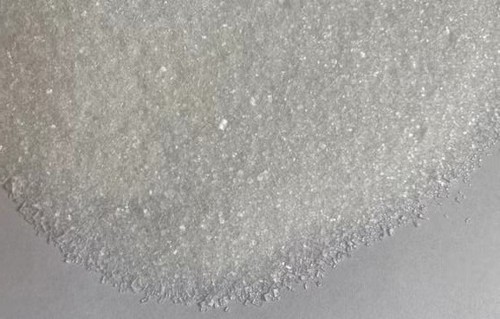
Propionacaine+. COA
 |
||
Certificate of Analysis |
||
| Compound name | Ketoconazole | |
| CAS No. | 65277-42-1 | |
| Grade | Pharmaceutical grade | |
| Quantity | Customized | |
| Packaging standard | Customized | |
| Manufacturer | Shaanxi BLOOM TECH Co., Ltd | |
| Lot No. | 20250109001 | |
| MFG | Jan 12th 2025 | |
| EXP | Jan 8th 2028 | |
| Structure |  |
|
| TEST STANDARD | GB/T24768-2009 Industry. Stnndard | |
| Item | Enterprise standard | Analysis result |
| Appearance | White or almost white powder | Conformed |
| Water content | ≤4.5% | 0.30% |
| Loss on drying | ≤1.0% | 0.15% |
| Heavy Metals | Pb≤0.5ppm | N.D. |
| As≤0.5ppm | N.D. | |
| Hg≤0.5ppm | N.D. | |
| Cd≤0.5ppm | N.D. | |
| Purity (HPLC) | ≥99.0% | 99.5% |
| Single impurity | <0.8% | 0.48% |
| Residue on ignition | <0.20% | 0.064% |
| Total microbial count | ≤750cfu/g | 80 |
| E. Coli | ≤2MPN/g | N.D. |
| Salmonella | N.D. | N.D. |
| Ethanol (by GC) | ≤5000ppm | 400ppm |
| Storage | Store in a sealed, dark and dry place at-20 degrees | |
 |
||
 |
||
clinical application

Epidermal anesthesia
Venous puncture: Venous puncture is one of the common clinical procedures, often causing pain and discomfort to patients. Prilocaine ointment can be applied to the puncture site before puncture to alleviate the patient's pain through local anesthesia. Its effective time is about 1 hour after application, and the duration can reach 2-4 hours, which can meet the time requirements of venipuncture operation.
Laser therapy: Patients often feel pain during laser treatment of skin diseases or cosmetic procedures. Propionacaine ointment can be used as a surface anesthetic and applied to the treatment area before laser therapy to improve patient tolerance. Research has shown that using lidocaine/prilocaine cream for laser treatment of local pain in male genitalia results in less pain compared to using lidocaine alone, making it a better anesthesia method.
Skin biopsy: Skin biopsy is an important means of diagnosing skin diseases, but the pain during the biopsy process may affect the patient's compliance. Propacacaine ointment can provide local anesthesia to the operating area before biopsy, allowing patients to complete the examination in a relatively painless state, improving the accuracy of the examination and patient satisfaction.


Relieve skin discomfort
Mild to moderate skin injuries: For mild to moderate skin abrasions, sunburns, and other conditions, prilocain ointment can alleviate discomfort symptoms such as itching and burning caused by the injury. Its local anesthetic effect can reduce the sensitivity of skin nerve endings, thereby alleviating the pain of patients.
Skin inflammation: Some skin inflammatory diseases can cause symptoms such as itching and pain on the skin, affecting the quality of life of patients. Propionacaine ointment can alleviate these symptoms to a certain extent and provide comfort for patients. However, it should be noted that for situations accompanied by skin damage or infection, the use of this ointment should be avoided to avoid worsening the condition.
Special scenario application - premature ejaculation treatment
Premature ejaculation is one of the common sexual dysfunction in men, and its occurrence is usually related to excessive sensitivity of the glans penis. As a surface anesthetic, prilocain ointment can temporarily block nerve impulse transmission, reduce glans sensitivity, thereby prolonging ejaculation latency and achieving the goal of delayed ejaculation. Applying prilocain ointment to the glans penis about 20 minutes before sexual intercourse may have a certain delaying effect on ejaculation for some patients. However, the medication can affect pleasure and may also affect erectile function, and is not effective for all patients. Therefore, it is necessary to fully evaluate the patient's condition and needs before use, and use it reasonably under the guidance of a physician.


Clean the skin:Before using prilocaine ointment, ensure that the skin is clean and dry. Wash the skin with warm water and mild soap, and avoid using cleaning agents containing alcohol or other irritating ingredients to prevent irritation to the skin and affect the absorption and effectiveness of medication.
Apply evenly:Apply an appropriate amount of prilocain ointment evenly to the skin area that requires anesthesia or relief of discomfort, gently massage until fully absorbed. When applying, attention should be paid to covering the entire operating area, but excessive use should be avoided to prevent local numbness or other adverse reactions.
Use sealed dressing (optional):In some cases, if you need to enhance the efficacy, you can wrap the application area with a sealed dressing after applying the ointment. However, attention should be paid to the use time and method of dressings to avoid excessive sealing that may cause skin irritation or excessive drug absorption.
Dose control
Adult dose:
The maximum single use area for adults should not exceed 200 grams of cream (calculated based on body surface area). The specific dosage should be determined by the doctor based on operational needs and personal health conditions, avoiding long-term extensive use to reduce systemic absorption and potential adverse reactions.
Dosage for children:
Propionacaine ointment is contraindicated for children under 2 years old, and strict dosage control is required for children aged 2-12 according to medical advice. Children's skin is more delicate and sensitive to medication, so they need to be more cautious when using it.
Contraindications and Use with Caution
Allergy history:
Prohibited for individuals allergic to prilocaine or similar drugs. Before use, it is necessary to inquire in detail about the patient's allergy history to avoid serious consequences caused by allergic reactions.
Liver and kidney dysfunction:
Patients with severe liver and kidney dysfunction should use with caution. Liver and kidney dysfunction may affect the metabolism and excretion of drugs, increase the risk of drug accumulation in the body, and thus trigger toxic reactions.
Special disease:
Patients with congenital methemoglobinemia should use with caution. Propavacaine may affect the metabolism of hemoglobin, which may pose potential risks for such patients.
Adverse reactions and countermeasures
Local reactions:
Occasional local allergic reactions such as redness, swelling, and rash at the applied area. Once such symptoms occur, the medication should be stopped immediately and the applied area should be washed with water. If necessary, anti allergic drugs can be used according to medical advice.
Systemic reactions:
Rare systemic reactions such as dizziness and nausea. If severe systemic reactions occur, such as difficulty breathing, pale skin, etc., the medication should be stopped immediately and medical attention should be sought for comprehensive examination and treatment.

Security considerations
Topical use of prilocaine ointment results in less systemic absorption, but the degree of absorption is influenced by various factors. For example, in cases of skin damage, mucosal areas, or extensive use, drug absorption may increase, thereby increasing the risk of systemic adverse reactions. Therefore, strict adherence to indications should be followed when using, avoiding use in unsuitable areas.
Long term and extensive use of prilocain ointment may cause allergic or toxic reactions. The accumulation of drugs in the body may have adverse effects on the nervous system, cardiovascular system, etc. Therefore, long-term and extensive use should be avoided, and the usage time and dosage should be strictly controlled according to medical advice.
Children: It is prohibited for children under 2 years old, and children aged 2-12 should strictly follow medical advice to control the dosage. Children's physiological characteristics and drug metabolism abilities are different from adults, and they need to use drugs more cautiously.
Pregnant and lactating women: Currently, there is relatively little research on the safety of prilocain ointment in pregnant and lactating women. Before use, it is necessary to fully assess the risks, weigh the pros and cons, and use under the guidance of a doctor if necessary.
Elderly people: Liver and kidney function may decline, and drug metabolism and excretion ability may be weakened. When using prilocain ointment, the dosage should be adjusted according to the physical condition of the elderly, and adverse reactions should be closely observed.
Frequently Asked Questions
What is prilocaineused for?
+
-
Prilocaine (typically formulated as a combination of lidocaine and prilocaine) is a topical local anesthetic used to numb intact skin or genital mucous membranes to prevent pain before superficial medical procedures, needle insertions (blood draws or IVs), skin laser surgery, or minor genital surgeries.
How to use prilocaine cream?
+
-
How long does prilocaine work?
+
-
Prilocaine is an amide-type local anesthetic with an intermediate to short duration of action, typically lasting between 1 and 3 hours depending on the method of administration and dosage.
How effective is prilocaine gel?
+
-
The proportion of patients with excellent pain control was 49.4% [95% confidence interval (CI) 42.1%–56.7%] and failed pain control was 6.9% (95% CI 4.1%–11.6%).
Hot Tags: prilocaine ointment, suppliers, manufacturers, factory, wholesale, buy, price, bulk, for sale