


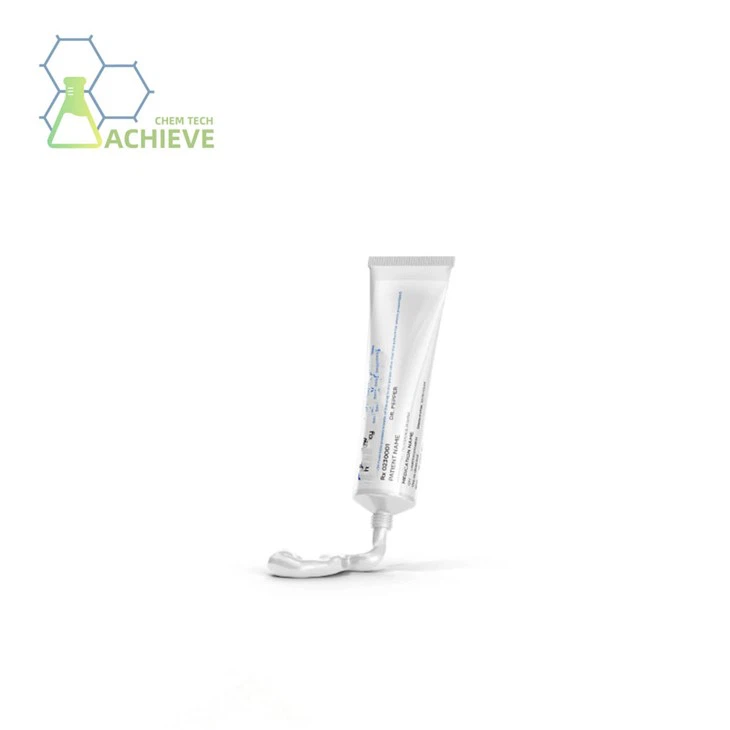

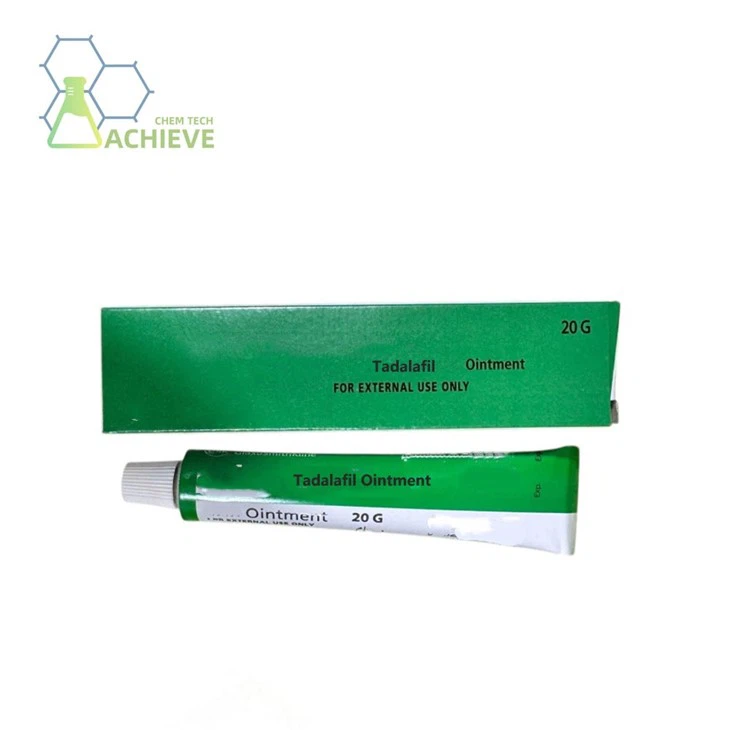


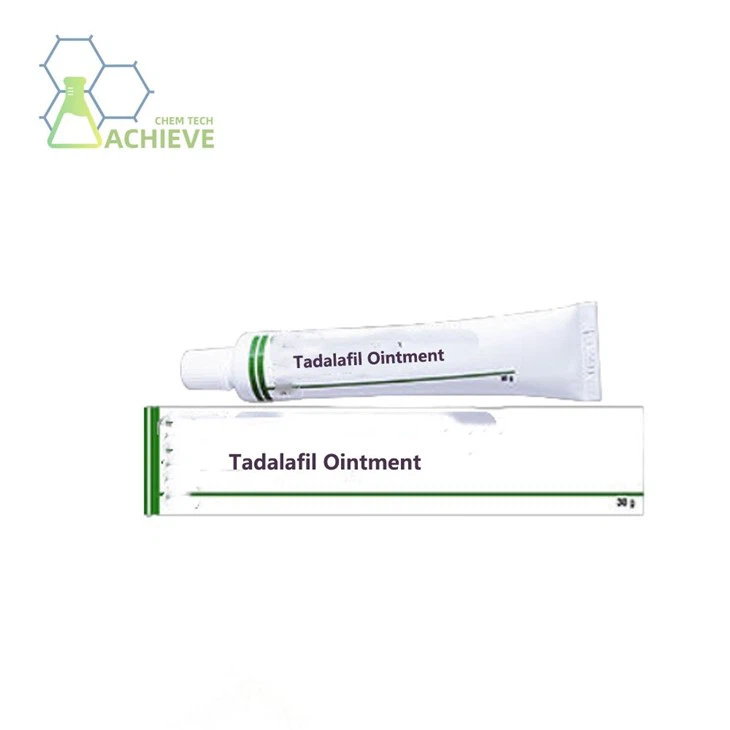

Shaanxi BLOOM Tech Co., Ltd. is one of the most experienced manufacturers and suppliers of tadalafil ointment in China. Welcome to wholesale bulk high quality tadalafil ointment for sale here from our factory. Good service and reasonable price are available.
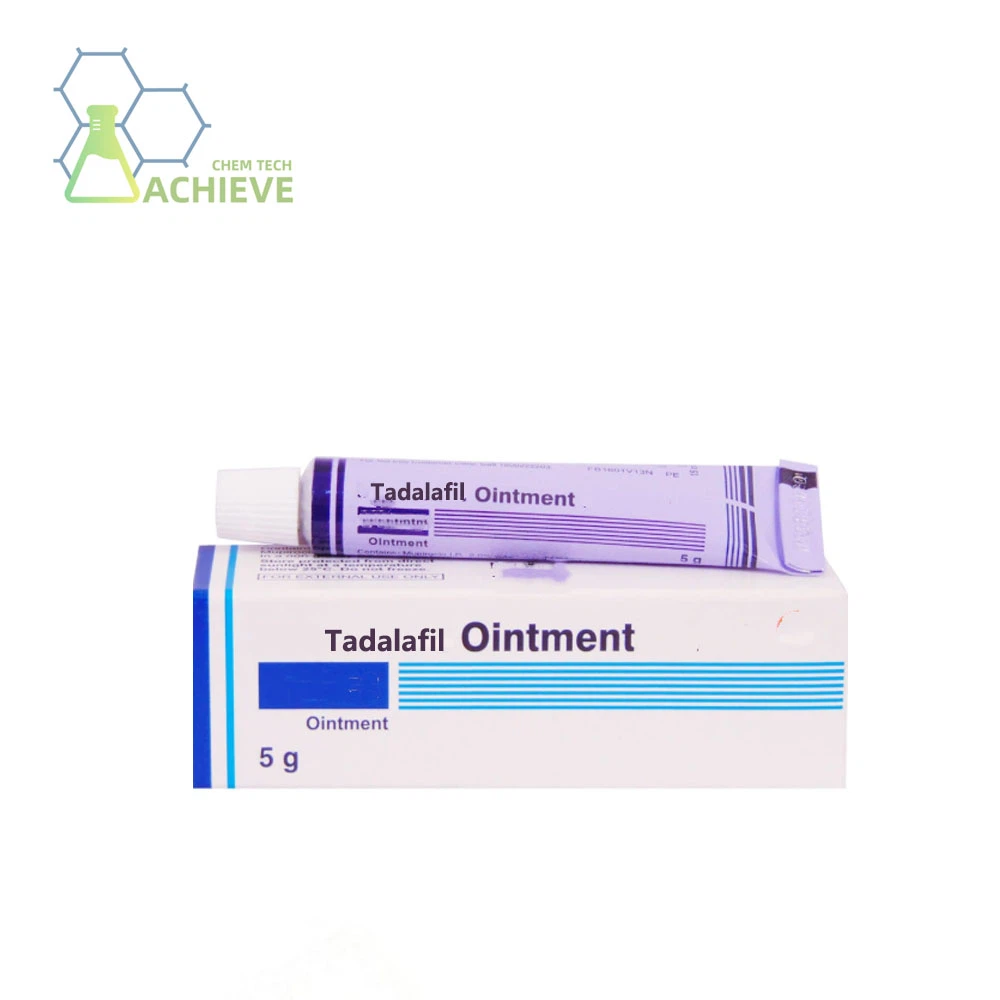
Tadalafil Ointment is a topical preparation that uses Tadalafil as the active ingredient and exerts its therapeutic effect through local application. It is mainly used to treat blood flow related diseases, such as erectile dysfunction (ED), benign prostatic hyperplasia (BPH) related symptoms, and as an adjuvant therapy for certain skin diseases such as psoriasis and eczema. After being absorbed through the skin, Tadalafil in the ointment directly acts on the smooth muscle cells of the corpus cavernosum of the penis, inhibiting PDE5 and increasing cGMP levels, leading to vasodilation and increased blood flow, thereby improving erectile function. In benign prostatic hyperplasia, tadalafil relaxes the smooth muscles of the prostate and bladder neck, reduces urethral resistance, and improves symptoms such as difficulty urinating and frequent urination. For skin diseases such as psoriasis and eczema, tadalafil may play an adjuvant therapeutic role by regulating local inflammatory responses and angiogenesis. Topical ointment can reduce systemic absorption, lower the incidence of common side effects such as headache and facial flushing, and is particularly suitable for patients with poor tolerance to oral medication. When using, apply an appropriate amount of ointment to the skin of the penis about 30 minutes before sexual activity, gently massage until absorbed.
Our products
 |
 |
 |
 |
 |
Additional information of chemical compound:

|
|
|

Tadalafil COA

The starting point of Tadalafil transformation: building a fragile bridge between "in vitro" and "in vivo"
As a representative drug of phosphodiesterase 5 (PDE5) inhibitors, Tadalafil Ointment's development and application have always been accompanied by a profound contradiction between "in vitro precision" and "in vivo complexity". From a philosophical perspective, this contradiction mirrors Zeno's "binary paradox": drugs need to break through the infinite divisibility of in vitro experiments to achieve local permeation, but cannot completely avoid systemic effects due to the dynamic nature of the internal circulatory system. For example, in vitro experiments can accurately control drug concentration and duration of action, but individual differences in metabolic enzymes, heterogeneity in tissue distribution, and interference from the neuroendocrine immune network in the body may lead to significant deviations between in vitro data and clinical efficacy. The tension between the "laboratory ideal" and the "complexity of the real world" constitutes the core challenge for the transformation of Tadalafil from basic research to clinical application.
The 'pursuit of certainty' in vitro experiments: technological breakthroughs from molecular mechanisms to formulation optimization
In vitro validation of molecular mechanisms: the "key model" of PDE5 inhibition
The target of Tadalafil is the PDE5 enzyme, which competitively binds to the catalytic site of PDE5, preventing the breakdown of cyclic guanosine monophosphate (cGMP) and maintaining the relaxation state of sponge smooth muscle. In vitro experiments, researchers constructed a highly sensitive enzyme activity detection system using recombinant human PDE5 enzyme and radiolabeled cGMP substrate. For example, by measuring the inhibition rate (IC50 value) of different concentrations of tadalafil on PDE5 enzyme activity, the strength and selectivity of its action can be determined. The data shows that Tadalafil has an IC50 of 1.6 nM for PDE5, which is much lower than the inhibitory concentration for other subtypes such as PDE1 (IC50=2100 nM) and PDE6 (IC50=180 nM), providing a molecular basis for its specificity in the treatment of erectile dysfunction (ED).


In vitro optimization of formulation technology: the "nano revolution" of insoluble drugs
Tadalafil is a poorly soluble drug (with solubility below 250 mL/20 mg in the pH range of 1.0-7.5), and its oral bioavailability is only 36%. To overcome this bottleneck, researchers have developed particle formulation technology. By using rapid membrane emulsification solvent evaporation method, the drug was encapsulated in poly (lactic acid glycolic acid) copolymer (PLGA) nanoparticles, significantly improving the in vitro dissolution rate. Experiments have shown that in an acetic acid sodium acetate buffer (pH 3.6) containing 0.1% sodium dodecyl sulfate (SDS), the 4-hour cumulative release rate of tadalafil particles reaches 94.0%, while the active pharmaceutical ingredient only has 54.6%. This "nanoization" strategy not only solves the solubility problem, but also further enhances absorption efficiency by prolonging the retention time of drugs in the gastrointestinal tract.
Mathematical fitting of in vitro release model: a leap from experience to theory
To predict the release behavior of drugs in the body, researchers have established various mathematical models. For example, the logistic equation (Y=1/(1+e ^ (- k (t-t0))) has been shown to best fit the in vitro release curve of tadalafil particles (R ²=0.9942), where k is the release rate constant and t0 is the release midpoint time. This model not only reveals the "S-type" kinetic characteristics of drug release, but also provides a quantitative basis for the optimization of preparation process. For example, by adjusting the molecular weight of PLGA or emulsifier concentration, the k value can be precisely controlled, thereby achieving "time programming" of drug release.

Bridge construction of in vitro in vivo transformation: an innovative path from empirical trial and error to system modeling
Physiological pharmacokinetic model (PBPK): a "virtual human body" integrating multi-scale data
To bridge the gap between in vitro experiments and in vivo reality, researchers have developed a physiological pharmacokinetic model (PBPK). This model can predict the dynamic behavior of drugs in vivo by integrating the physicochemical properties of drugs (such as logP, pKa), organ physiological parameters (such as blood flow, tissue volume), and individual characteristics (such as age, weight, genotype). For example, a PBPK study on tadalafil showed that the model's predicted Cmax (264 ng/mL) was highly consistent with the clinically measured value (263 ng/mL), and could accurately simulate the pharmacokinetic changes in patients with renal insufficiency (GFR<30 mL/min). This' virtual human 'technology not only reduces the need for animal experiments, but also provides scientific basis for dose optimization.


Microdose Trial: Early Exploration of Low Risk and High Information
Microdosing experiments provide volunteers with extremely low doses (usually 1/100 therapeutic dose) of drugs, combined with accelerator mass spectrometry (AMS) or positron emission tomography (PET), to obtain early information on drug absorption, distribution, and metabolism. For example, a low-dose trial of Tadalafil showed that the drug could be detected in prostate tissue 30 minutes after oral administration, and its distribution was linearly correlated with plasma concentration. This' low-risk, high information 'strategy provides key data for dose selection in subsequent clinical trials.
Real World Data (RWD): The Extension from "Ideal Patients" to "Real People"
Real world data (RWD) can reflect the actual effectiveness of drugs in complex clinical environments by collecting electronic health records (EHR), wearable device data, and patient reported outcomes (PRO). For example, a RWD based study found that the effective rate of tadalafil in ED patients with diabetes (62%) was significantly lower than that in non diabetes patients (81%), and higher doses (10 mg vs. 5 mg) were needed to achieve similar efficacy. This' real population 'evidence not only corrects the' idealization 'bias of randomized controlled trials (RCTs), but also drives the update of treatment guidelines.

Philosophical Reflection: Dialectical Analysis of "Certainty" and "Uncertainty" in Medical Transformation
The transformation process of Tadalafil Ointment reveals a deep paradox in medical research: on the one hand, scientists constantly pursue a "deterministic" understanding of drug behavior through in vitro experiments, animal models, and mathematical modeling; On the other hand, the complexity of the human body, such as genetic polymorphism, environmental interactions, and psychological factors, always challenges this certainty. For example, although the PBPK model can accurately predict the pharmacokinetics of healthy volunteers, it is difficult to simulate the dynamic changes of elderly patients with multiple diseases. The tension between the pursuit of certainty and the recognition of uncertainty has prompted medicine to transition from reductionism to systems theory, accepting the essence of the human body as a complex adaptive system and seeking optimal intervention strategies under controllable uncertainty.
Precision realization of in vivo experiments: from molecular mechanisms to formulation optimization
The precision of Tadalafil Ointment in vivo experiments requires the construction of a transformation bridge from four dimensions: molecular mechanism analysis, signal pathway targeting, formulation technology optimization, and experimental model innovation. The specific steps are as follows:
Optimization of Formulation Technology: Innovative Practice from "Difficult to Dissolve Breakthrough" to "Targeted Delivery"
The insolubility of Tadalafil (solubility below 250 mL/20 mg in the pH range of 1.0-7.5) is the main obstacle to its in vivo absorption. To overcome this bottleneck, researchers have developed PLGA nanoparticle formulation technology. By using rapid membrane emulsification solvent evaporation method, the drug was encapsulated in nanoparticles, significantly improving the in vitro dissolution rate: in acetic acid sodium acetate buffer containing 0.1% SDS (pH 3.6), the cumulative release rate reached 94.0% after 4 hours, while the active pharmaceutical ingredient was only 54.6%. More importantly, nanoparticle formulations enhance in vivo bioavailability by prolonging the retention time of drugs in the gastrointestinal tract. Clinical studies have shown that the Cmax of nanoparticle formulations is 2.3 times higher than that of active pharmaceutical ingredients, and the Tmax is shortened to 1.5 hours, achieving precise conversion from in vitro dissolution to in vivo absorption.
Innovation in Experimental Models: Technological Breakthrough from "Traditional Animals" to "Organoids/Organ Chips"
Traditional animal models, such as rats and dogs, have limitations in predicting human pharmacokinetics. For example, mini pig skin has become an ideal model for transdermal drug delivery in vivo research due to its high similarity in structure, enzyme activity, and other aspects with human skin. The mini pig model can accurately simulate the distribution of Tadalafil in the epidermis, dermis, and subcutaneous tissues for transdermal drug delivery research, providing key data for the development of transdermal formulations. In addition, the rise of organoid and organ-on-a-chip technology has provided more accurate models for in vivo experiments. For example, based on patient derived prostate organoids, the metabolism and efficacy of tadalafil in target tissues can be simulated, providing a basis for personalized medication. The application of these innovative models has significantly improved the accuracy and predictive value of in vivo experiments.
FAQ
1. What is the main purpose of this ointment?
Tadalafil ointment is a topical medication primarily used for assisting in the regulation of local blood vessels, aiming to improve specific local conditions. It is commonly used in scientific research and specific clinical settings.
2. How long after use can one observe the effects?
After local application, it usually takes effect quickly in the target area under suitable conditions. The specific onset time is recommended to be observed according to the actual usage instructions or doctor's advice.
3. Will there be any systemic side effects?
Due to the use of local administration, this ointment is designed to reduce systemic absorption. However, it is still recommended to follow the instructions for use and to use it under the guidance of a professional to ensure its suitability and safety.
Hot Tags: tadalafil ointment, suppliers, manufacturers, factory, wholesale, buy, price, bulk, for sale