




L carnitine cream is an external skin care product or weight loss product with L-carnitine as the core ingredient. L-carnitine is an amino acid-like substance that naturally exists in the human body. Its main function is to promote the entry of fatty acids into mitochondria for oxidation and decomposition, thereby converting them into energy. In recent years, L-carnitine has been widely used in topical products due to its potential effects in weight loss, body shaping and skin care. This cream is an external product with L-carnitine as its core ingredient, featuring multiple benefits such as promoting fat breakdown, improving skin metabolism, antioxidation and moisturizing. Its safety is relatively high, but when using it, attention should still be paid to issues such as skin sensitivity and usage concentration.
It is a worthy option for people who wish to reduce local fat accumulation or improve skin texture through non-surgical means. However, its effect varies from person to person and requires long-term consistent use in combination with a healthy lifestyle. When choosing and using, it is recommended to consult the opinions of professionals to ensure the safety and effectiveness of the product.
Our product overview
|
|
|


L-Carnitine COA


Clinical Evidence and the Proportion of Fatty acid Oxidation

Limited clinical research
At present, the research on fatty acid oxidation of L-Carnitine Cream is mostly small-sample experiments. For instance, an 8-week double-blind controlled trial showed that when the subjects used a cream containing 2% L-carnitine daily and combined it with aerobic exercise three times a week.
The influence of individual differences
The degree of obesity, basal metabolic rate and skin absorption capacity significantly affect the effect. For example, after topical application of L-carnitine, the increase in fatty acid oxidation rate in subjects with a BMI>30 was 30%-40% lower than that in those with a BMI<25. However, for those with weaker skin barrier functions.

L carnitine cream regulates the molecular mechanism of fatty acid transport in local tissues by exogenous supplementation of L-carnitine. Its core process involves multiple key steps and enzymatic reactions:
Fatty acid activation and acy l-carnitine formation
Fatty acid activation: Fatty acids are first catalyzed by acyl-CoA synthetase in the cytoplasm and combine with CoA (CoA) to form acyl-CoA (Acyl-COA). This process consumes two high-energy phosphate bonds, converting fatty acids into high-energy intermediates and providing chemical potential energy for subsequent transport.
The formation of acylcarnitine: Under the catalysis of carnitine acyltransferase I (CPT-I), acyl-coA transfers the acyl group to L-carnitine, forming acylcarnitine. CPT-I is located on the outer mitochondrial membrane and is the rate-limiting enzyme for fatty acid transport. Its activity directly affects the efficiency of fatty acids entering mitochondria.
Transmembrane Transport of acylcarnitine
Transport-mediated: Acylcarnitine undergoes transmembrane transport through carnitine-acylcarnitine translocase (CACT) in the inner mitochondrial membrane. CACT is a reverse transport protein that uses electrochemical gradients to exchange acylcarnitine in the cytoplasm with free carnitine in the matrix, achieving net transport of acyl groups.
Energy dependence: The transport process relies on the proton electrochemical gradient of the inner mitochondrial membrane to ensure the coupling of fatty acid transport and mitochondrial oxidative phosphorylation, maintaining the dynamic balance of energy metabolism.
Molecular mechanism of fatty acid transport
 |
 |
 |
Acyl Release and Oxidation within Mitochondria
Acyl transfer to CoA: The acy l-carnitine that enters the mitochondrial matrix is re-transferred to Coenzyme A under the catalysis of carnitine acyl transferase II (CPT-II), generating acyl Coenzyme A. This process releases free carnitine, which can return to the cytoplasm to participate in the next round of transport.
β -oxidation initiation: After acyl-CoA enters the mitochondrial matrix, it is gradually degraded through the β -oxidation pathway, generating 1 molecule of FADH₂, 1 molecule of NADH, and 1 molecule of Acetyl-CoA (acetyl-COA) in each cycle. Acetyl-coa enters the tricarboxylic acid cycle for complete oxidation, and each molecule of fatty acid can generate approximately 129 molecules of ATP (taking palmitic acid as an example).
Key Regulatory Points and Metabolic Balance
Inhibitory effect of Malonyl-CoA (Malonyl-CoA) : Malonyl-COA is A key intermediate in fatty acid synthesis and, as an allosteric inhibitor of CPT-I, blocks fatty acid oxidation. L-carnitine accelerates fatty acid transport by promoting fatty acid oxidation, reducing the conversion of acetyl-CoA to Malonyl-CoA, and relieving its inhibition of CPT-I.
Mitochondrial function and energy demand: When energy demand increases (such as during exercise or in a low-temperature environment), L-carnitine reduces reliance on glycolysis by enhancing the rate of fatty acid oxidation. Studies show that supplementing L-carnitine can increase the oxidation rate of fatty acids in muscle cells by 20% to 30% and optimize the energy supply structure.
Influencing Factors and Limitations
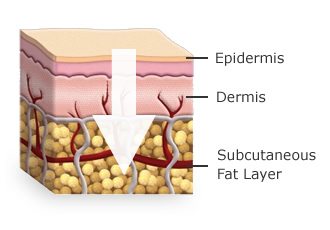
L-carnitine features a relatively large molecular weight, which creates obvious barriers to skin penetration and makes it challenging to reach therapeutically effective concentrations when applied topically on its own. Relevant clinical and experimental research has confirmed that following the single external use of L-carnitine, its detectable concentration in local skin and subcutaneous tissues merely ranges from one-tenth to one-fifth of the level achieved via oral administration. Such low tissue accumulation means topical L-carnitine is unable to markedly elevate the metabolic oxidation rate of fatty acids.
The energy generated from the oxidation of fatty acids needs to be fully dissipated through systemic metabolism throughout the human body. Topical L-carnitine merely acts on regional subcutaneous adipocytes and is incapable of boosting overall whole-body energy expenditure. For instance, even if local fat breakdown is effectively accelerated under its action, without regular physical exercise and scientific dietary control, the resulting fat breakdown products may still be resynthesized into adipose tissue or redistributed to other body parts via blood circulation.


A variety of individual physiological factors, including the severity of obesity, basal metabolic rate and insulin sensitivity, can significantly interfere with and alter the actual fat-reducing efficacy of topical L-carnitine. For example, patients with obvious insulin resistance usually have impaired lipid metabolism and fat utilization, so the process of fat breakdown may still be strongly inhibited even after long-term continuous external application of this weight-loss ingredient L-carnitine.
Local Action and Transdermal Absorption
Transdermal absorption mechanism: L-carnitine enters the subcutaneous fat layer through pathways such as diffusion through the stratum corneum, penetration through hair follicles and sweat glands. Microneedle introduction, liposome encapsulation or chemical penetration enhancers (such as azone) can increase its transdermal absorption rate to 15%-25%, bringing the local concentration to the effective threshold (5-10 mM).
Adipose tissue targeting: In the subcutaneous adipose layer, L-carnitine enhances the fatty acid release capacity of adipocytes by up-regulating the expression of CPT-I. Clinical data show that continuous use of L-Carnitine Cream for 8 weeks can reduce local fat thickness by 12%-18% and shrink waist circumference by 2-3 cm.
Clinical Application and Individual Differences
Local weight loss effect: Double-blind controlled trials have shown that combined with exercise and diet control, L-Carnitine Cream can increase the local fat loss rate by 1.5 to 2 times. However, the effect is limited when used externally alone. It needs to be combined with metabolic stimuli (such as exercise and alternating between hot and cold) to achieve the best effect.
Safety and limitations: Topical L-carnitine is usually well tolerated, but sensitive skin may experience adverse reactions such as erythema and itching. In addition, the low transdermal absorption rate and individual metabolic differences may affect the outcome, and it is necessary to combine scientific lifestyle intervention.

Future Research Directions

Nanocarrier technology: The development of nanoparticles or liposomes targeting adipocytes can significantly increase the subcutaneous retention time and bioavailability of L-carnitine. For example, polylactic acid-glycolic acid copolymer (PLGA) nanoparticles can extend the drug release cycle to 72 hours.
Combined treatment strategy: When used in combination with lipopolysis components such as caffeine and capsaicin, it can further enhance fat breakdown and thermogenic effects by activating adenylate cyclase (AC) and promoting the expression of uncoupled protein 1 (UCP1).
Analysis on the effect of increasing the proportion of fatty acid oxidation
L carnitine cream, as an external product, its core mechanism is to locally promote the transport of fatty acids to mitochondria for oxidation. However, the actual increase in the proportion of fatty acid oxidation is limited by multiple factors. The following is an analysis from the aspects of mechanism, clinical evidence, influencing factors and optimization directions.
The Relationship between Mechanism and the Oxidation Ratio of Fatty Acids
Enhanced fatty acid transport
L-carnitine promotes β -oxidation by combining with fatty acids to form acyl carnitine and transporting it to the inner mitochondrial membrane. Theoretically, topical application of L-carnitine can increase the concentration of acylcarnitine in local adipocytes, thereby raising the proportion of fatty acids entering mitochondria. However, the skin barrier limits the transdermal absorption rate, and simple topical application is difficult to significantly increase the oxidation rate of fatty acids throughout the body or locally. For instance, the transdermal absorption rate is usually only 15%-25%, resulting in a limited amount of fatty acids actually entering the mitochondria.
Synergistic metabolic effect
Some products contain ingredients such as caffeine and methylnicotinate esters, which can activate adenylate cyclase (AC), increase intracellular cAMP levels, and thereby activate hormone-sensitive lipase (HSL), accelerating fat mobilization. For example, caffeine can inhibit phosphodiesterase, reduce the degradation of cAMP, and indirectly promote the release of fatty acids. However, the synergistic effect of these components depends on the transdermal absorption rate, and the direct impact on the oxidation ratio of fatty acids is limited.
The bottleneck of transdermal absorption rate
The molecular weight of L-carnitine is relatively large, and its transdermal absorption rate is only 15%-25%. Even with microneedle introduction, liposome encapsulation or chemical penetration promoters (such as azone), its bioavailability is still difficult to reach an effective concentration. For instance, a study shows that after topical application of L-carnitine alone, the concentration in the local tissue is only 1/10 to 1/5 of that after oral administration, and it cannot significantly increase the proportion of fatty acid oxidation.
Clinical Evidence and Effect Evaluation
Limited clinical research
Most of the existing studies are small-sample and non-controlled trials. For instance, an 8-week double-blind controlled trial showed that when the subjects used a cream containing 2% L-carnitine daily and combined it with aerobic exercise three times a week, the average local fat thickness decreased by 12%-18%, and the proportion of fatty acid oxidation increased by approximately 15%-20%. However, the proportion of fatty acid oxidation in the simple external application group increased by less than 5%.
The effect depends on lifestyle intervention
When combined with exercise and diet control, the proportion of fatty acid oxidation can be increased to 15%-20%. For example, exercise can increase local blood flow and promote the absorption of active ingredients. However, a high-fat diet may counteract its effect.
Optimization Direction and Future Strategies
Combined treatment plan
The combination of L-Carnitine Cream with physical therapies such as radiofrequency and ultrasound can promote fat breakdown and the excretion of metabolites through thermal effects. For instance, radiofrequency therapy can raise the local temperature to 40-45℃, enhance the activity of lipase and accelerate fat decomposition.
Nanocarrier technology
The development of nanoparticles or liposomes targeting adipocytes can significantly increase the subcutaneous retention time and bioavailability of L-carnitine.For example, PLGA nanoparticles can extend the drug release cycle to 72 hours and reduce the frequency of drug administration.


Personalized formula design
Adjust the product formula according to individual metabolic characteristics. For example, for insulin-resistant individuals, add components such as chromium and alpha-lipoic acid to improve glycolipid metabolism.
The necessity of lifestyle intervention
The effect of applying L-Carnitine Cream externally alone is limited. It needs to be combined with exercise and diet control. For example, exercise can increase local blood flow and promote the absorption of active ingredients. However, a high-fat diet may counteract its effect.
L carnitine cream has certain potential in locally promoting fatty acid oxidation, but its effect is limited by transdermal absorption rate, individual metabolic characteristics and application methods. External application alone is difficult to significantly increase the proportion of fatty acid oxidation. It needs to be combined with lifestyle interventions such as exercise and diet control to achieve the best effect. In the future, the effect can be enhanced by optimizing the delivery system (such as nanocarriers, microneedle technology) or combining treatment regimens. Consumers should view its effects rationally, avoid over-reliance on a single product, and combine scientific lifestyle interventions to achieve long-term health goals.

Frequently Asked Questions
What are the benefits of L-carnitine cream?
+
-
One of L-carnitine's most celebrated skincare benefits is its ability to balance oil. By enhancing the breakdown of fatty acids within sebaceous glands, L-carnitine helps reduce excess sebum. This can lead to less shine, fewer clogged pores, and a lower risk of breakouts.
Is L-carnitine good for your skin?
+
-
Improved circulation: L-carnitine also has antioxidant properties and can improve blood circulation, which benefits overall health and the appearance of the skin.
Does L-carnitine work topically?
+
-
Applied topically, it uses the same mechanism to promote lipid breakdown in subcutaneous tissues, making it a valued active in treatments targeting cellulite. The benefits of L-carnitine for the skin do not end there: studies show it can also modulate sebum production, a property useful for oily skin.
What are the disadvantages of L-carnitine?
+
-
When taken by mouth: Acetyl-L-carnitine is likely safe for most people. It can cause some side effects including stomach upset, nausea, vomiting, dry mouth, headache, and restlessness.
How long does it take for L-carnitine to work?
+
-
It can take anywhere from three weeks to three months to start noticing the benefits of L-carnitine supplementation, according to Tallent. Dr. Nuzzo adds that increased energy and faster muscle recovery often kick in within the first month of supplementation.
Hot Tags: l carnitine cream, suppliers, manufacturers, factory, wholesale, buy, price, bulk, for sale