




Shaanxi BLOOM Tech Co., Ltd. is one of the most experienced manufacturers and suppliers of gabapentin spray in China. Welcome to wholesale bulk high quality gabapentin spray for sale here from our factory. Good service and reasonable price are available.
Gabapentin Spray is an antiepileptic drug, which is also used to treat neuralgia. Its common dosage form is oral capsule or tablet. It is easily absorbed and reaches peak concentration in 2-3 hours. The bioavailability is dose-dependent, with a single oral dose of 300mg resulting in a bioavailability of 60%;
But as the dosage increases, the bioavailability actually decreases. Gabapentin is widely distributed throughout the body, especially in the pancreas and kidneys. The drug is not metabolized in the body and is excreted in its original form through the kidneys. Its excretion rate is proportional to the clearance rate of inosine. The clearance half-life of gabapentin is 5-7 hours. In patients with renal insufficiency, their excretion is slowed down and the plasma protein binding rate is very low (<5%).
When stopping the medication, it should be gradually reduced, at least within one week. Patients with renal insufficiency must reduce their dosage when taking medication. Patients treated with morphine at the same time may experience an increase in blood concentration of gabapentin, and should be carefully observed for central nervous system suppression such as drowsiness, and the dosage should be appropriately reduced.
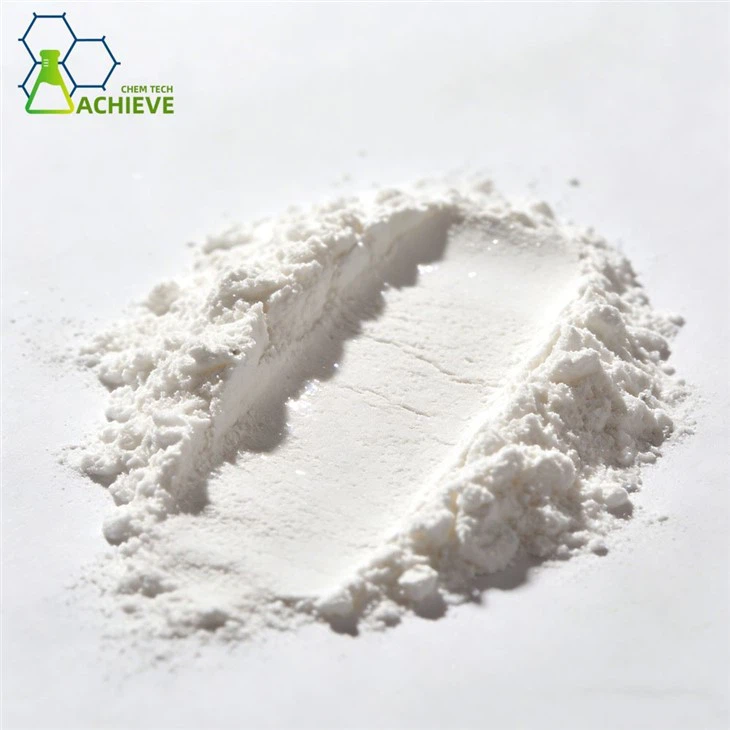
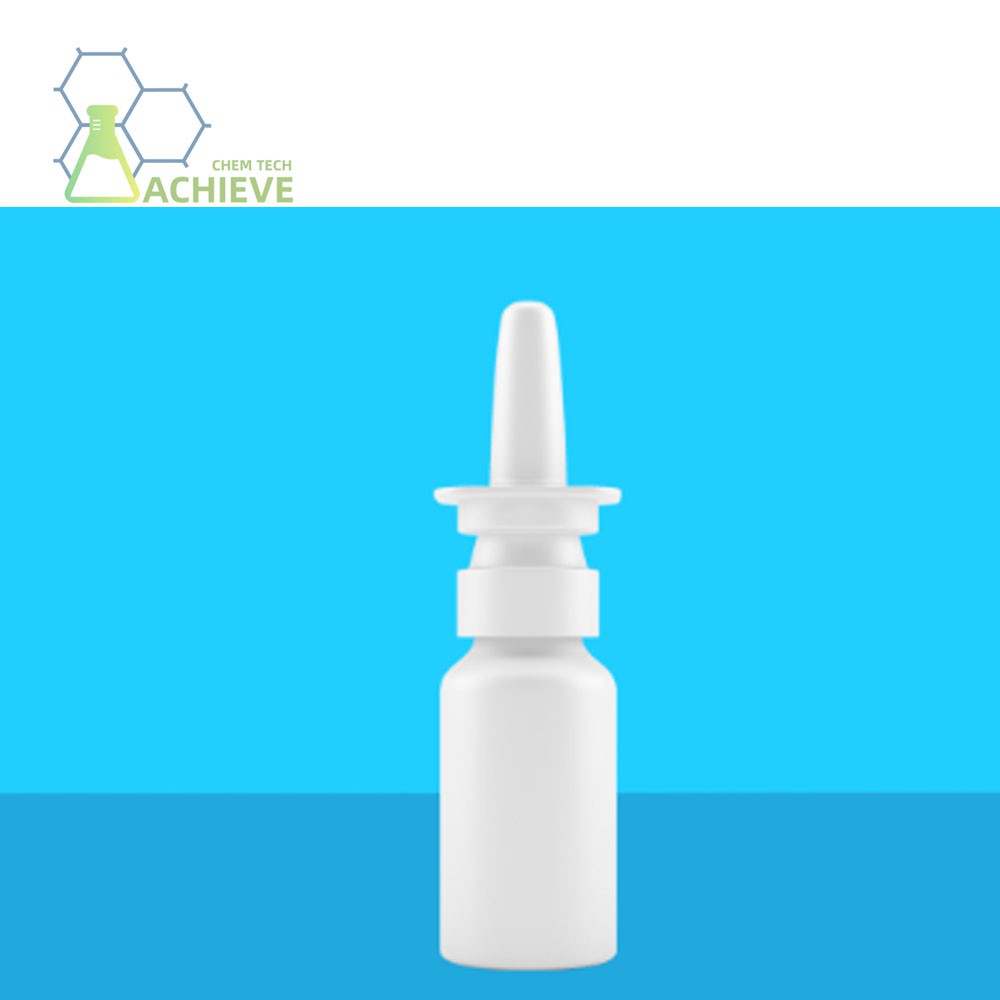
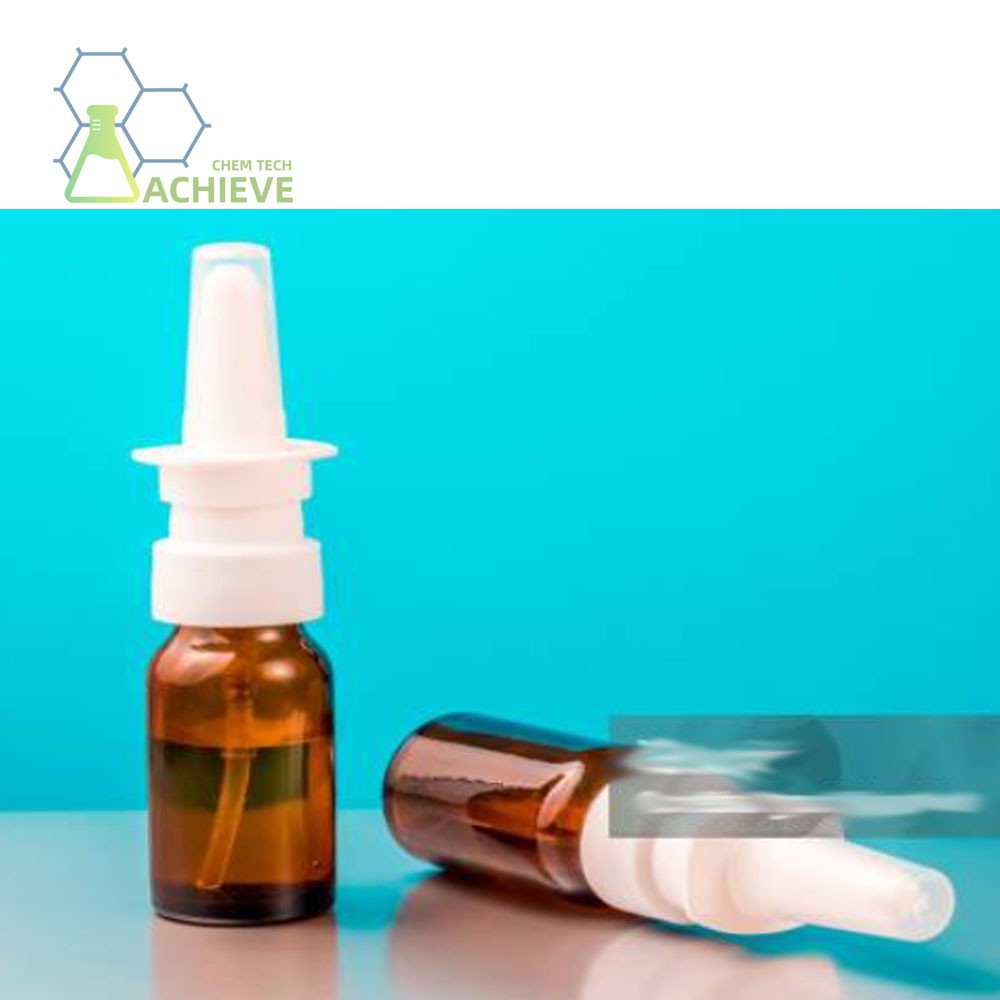
Our product form


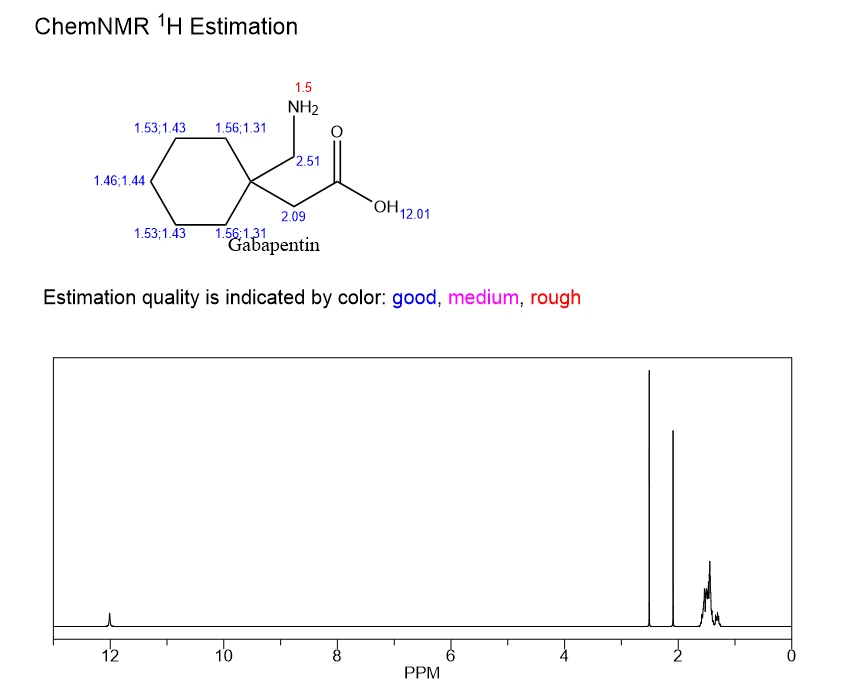
Additional information of chemical compound:

|
|
|
Gabapentin COA
 |
|
|
|
|

The mucosal adhesion mechanism of Gabapentin on chitosan alginate composite nanoparticles
Gabapentin Spray, as a widely used antiepileptic drug, has shown significant efficacy in the treatment of neuropathic pain and adjuvant therapy for partial seizures. However, traditional oral dosage forms face challenges such as first pass effects in the liver, poor gastrointestinal metabolism, and drug stability, which limit their bioavailability. In recent years, non gastrointestinal drug delivery routes, especially oral mucosal drug delivery systems, have become a research hotspot due to their ability to avoid first pass effects, increase local drug concentrations, and improve patient compliance. Chitosan alginate composite nanoparticles, as a novel drug delivery carrier, provide an innovative solution for the mucosal delivery of gabapentin due to their excellent biocompatibility, mucosal adhesion, and controllable release characteristics.
Preparation and Characteristics of Chitosan Alginate Composite Nanoparticles
Chitosan is a natural cationic polysaccharide obtained by deacetylation of chitin. The amino group (- NH ₂) on its molecular chain is protonated to - NH3+ under acidic conditions, giving it a positive charge. Alginic acid is an anionic polysaccharide extracted from brown algae, composed of β -1,4-D-mannuronic acid (M) and α -1,4-L-guluronic acid (G) connected by 1,4-glycosidic bonds. Alginate (such as sodium alginate) can form a gel network structure in the presence of calcium ions (Ca ²+), which is pH sensitive (acid stable, neutral/alkaline dissolution).

Preparation method of composite nanoparticles

Chitosan alginate composite nanoparticles are usually prepared by ion gel method or self-assembly method:
Ion gel method: after mixing chitosan solution and sodium alginate solution, cross-linking agent (such as sodium tripolyphosphate TPP or Ca ²+) is added to form nanoparticles through electrostatic interaction.
The phosphate ion in TPP binds with the amino group of chitosan to form a stable cross-linked structure.
Self assembly method: utilizing the intermolecular forces between chitosan and alginate, such as hydrogen bonding and hydrophobic interactions, to spontaneously form nanoparticles.

Characteristics of Composite Nanoparticles

Particle size and morphology: The particle size of composite nanoparticles is usually between 100-300 nm, spherical or nearly spherical, with a smooth surface and good dispersibility.
Zeta potential: The positive charge of chitosan and the negative charge of alginate neutralize each other through static electricity, making the Zeta potential of composite nanoparticles close to neutral (± 10 mV), which is beneficial for reducing adhesion with mucin and improving penetration ability.
Encapsulation efficiency and drug loading: By optimizing the preparation process (such as the ratio of chitosan to alginate, crosslinking agent concentration), high encapsulation efficiency (>80%) and high drug loading (>40%) of gabapentin Spray can be achieved.
PH sensitivity: alginate gel is stable in acidic environment and dissolves in neutral/alkaline environment, which can realize the targeted release of drugs in the intestinal tract or mucosa.

Structure and physiological characteristics of oral mucosa
Histological structure of oral mucosa

The oral mucosa is composed of the epithelial layer, lamina propria, and submucosal layer
Epithelial layer: Unkeratinized stratified squamous epithelium, with a thickness of approximately 500-800 μ m and a permeability of 4-4000 times that of the skin. Epithelial cells form a physical barrier through tight junctions, and drugs can enter the body through transcellular or paracellular pathways.
Inherent layer: composed of dense connective tissue, rich in capillaries and lymphatic vessels, drugs are absorbed and directly enter the systemic circulation through the jugular vein, avoiding first pass effects.
Submucosal layer: loose connective tissue containing glands and adipose tissue, providing mechanical support for drug delivery.

Physiological environment of oral mucosa

PH value: The pH value of saliva is 6.2-7.6, which is weakly alkaline and beneficial for the stability of chitosan alginate composite nanoparticles.
Enzyme activity: Saliva contains a small amount of amylase and protease, but has weak degradation effects on chitosan and alginate.
Saliva secretion: At rest, saliva secretion is 0.5-1.5 L/d, with a flow rate of 0.3-0.5 mL/min, which may cause mechanical flushing of drugs.
Avoiding first pass effects: Drugs are directly absorbed into the systemic circulation through the mucosa, significantly increasing their bioavailability.
Quick onset: The abundant vascular network beneath the mucosa promotes rapid drug absorption, making it suitable for the treatment of acute pain.
High compliance of patients: the spray is easy to use, especially suitable for children, the elderly or patients with dysphagia.

The mucosal adhesion mechanism of chitosan alginate composite nanoparticles
Adhesion Theory

Mucosal adhesion refers to the non covalent bonding (such as hydrogen bonding, electrostatic interactions, van der Waals forces) or covalent bonding between drug carriers and mucosal surfaces, which prolongs the retention time of drugs in mucosal sites. The adhesion mechanism of chitosan alginate composite nanoparticles mainly includes the following theories:
Electronic theory: The amino groups of chitosan bind to sialic acid residues (negatively charged) on the mucosal surface through electrostatic interactions.
Diffusion theory: Chitosan molecular chains penetrate into the mucosal mucus layer and form hydrogen bonds or hydrophobic interactions with mucin molecules.
Adsorption theory: The surface of nanoparticles adsorbs onto the mucosal surface through van der Waals forces or hydrophobic interactions.
Dehydration theory: When nanoparticles come into contact with the mucosa, water is expelled, forming a high concentration polymer region that promotes adhesion.

Adhesive effect of chitosan

Chitosan is the main adhesive component of composite nanoparticles, and its adhesion mechanism includes:
Electrostatic interaction: The - NH ∝⁺ of chitosan binds with negative charges on the mucosal surface (such as sialic acid and mucin) to form a stable adhesive layer.
Hydrogen bonding formation: The hydroxyl (- OH) and amino (- NH ₂) groups of chitosan form hydrogen bonds with the carboxyl (- COOH) and hydroxyl groups of mucin.
Mucosal barrier opening: Chitosan can activate the focal adhesion kinase (FAK) and tyrosine kinase signaling pathways, induce the degradation of tight junction proteins (such as ZO-1 and Claudin-1), reversibly open the mucosal barrier, and promote drug penetration.
Alginate enhances the adhesion properties of composite nanoparticles through the following mechanisms:
Gel network formation: alginate and Ca ²+crosslink to form a gel network, which increases the mechanical strength of nanoparticles and resists saliva washing.
PH sensitivity: In a neutral/alkaline environment, alginate gel dissolves, releasing drugs while maintaining the adhesion of nanoparticles.
Biocompatibility: Alginate can reduce the cytotoxicity of chitosan and improve mucosal tolerance.

Adhesion kinetics of composite nanoparticles

The adhesion process of composite nanoparticles can be divided into three stages:
Wetting stage: Nanoparticles come into contact with the mucosal surface, water is expelled, and preliminary adhesion is formed.
Penetration stage: Chitosan molecular chains penetrate into the mucus layer, forming hydrogen bonds and electrostatic interactions with mucin.
Curing stage: alginate gel network is formed to enhance adhesion strength and stability.
Release mechanism of gabapentin in composite nanoparticles
The release of Gabapentin Spray from chitosan alginate composite nanoparticles follows the following mechanism:
Diffusion mechanism: the drug diffuses into the surrounding medium through the pores or gel network on the surface of the nanoparticles.


Dissolution mechanism: Chitosan and alginate gradually degrade in the in vivo environment, and the drug is released as the carrier dissolves.
Ion exchange mechanism: In a physiological environment rich in anions, the - NH ∝⁺ of chitosan exchanges with anions, causing nanoparticle swelling or dissolution and releasing drugs.
The release curve of composite nanoparticles usually exhibits biphasic characteristics:
Initial burst release: The drug adsorbed on the surface of the nanoparticle is rapidly released (0-2 hours), providing an initial therapeutic concentration.
Continuous release: Slowly release the drug through diffusion and dissolution mechanisms (2-24 hours) to maintain effective blood drug concentration.

Factors affecting release

Nanoparticle size: The smaller the particle size, the larger the specific surface area, and the faster the drug release rate.
The ratio of chitosan to alginate: The higher the chitosan content, the stronger the adhesion, but it may reduce the drug release rate.
Crosslinking agent concentration: An increase in crosslinking agent concentration can enhance the mechanical strength of nanoparticles, but may hinder drug release.
PH value: alginate gel is stable in acidic environment, and drug release is slow; The gel dissolves in neutral/alkaline environment, and the drug release is accelerated.

Frequently Asked Questions
Is gabapentin as strong as morphine?
+
-
Gabapentin is less potent than morphine in the tail-flick test, so that a subantinociceptive spinal dose was found to be 300 μg as compared to a subantinociceptive dose of 0.2 μg for morphine .
What organ is gabapentin bad for?
+
-
If you have impaired kidney function, gabapentin may build up in the body and cause side effects. In rare cases, gabapentin can cause DRESS (drug reaction with eosinophilia and systemic symptoms) syndrome. This is a severe allergic reaction that can cause damage to major organs, including the liver and kidneys.
Why is gabapentin a high risk medication?
+
-
Gabapentin misuse has been reported to produce anxiolytic effects and a euphoria similar to that of opioid misuse. Gabapentin is known to cause respiratory depression, particularly when combined with other central nervous system depressants.
What are the red flags of gabapentin?
+
-
have a high temperature, swollen glands that do not go away, your eyes or skin turn yellow (this may be less obvious on brown or black skin), unusual bruises or bleeding, severe tiredness or weakness, unexpected muscle pain or weakness, with or without a rash – these may be symptoms of a serious reaction.
Hot Tags: gabapentin spray, suppliers, manufacturers, factory, wholesale, buy, price, bulk, for sale