




Shaanxi BLOOM Tech Co., Ltd. is one of the most experienced manufacturers and suppliers of semaglutide spray in China. Welcome to wholesale bulk high quality semaglutide spray for sale here from our factory. Good service and reasonable price are available.
Semaglutide spray mucosal delivery, as a non-invasive administration route, has the potential to improve patient compliance. The nasal cavity, oral cavity and buccal mucosa and other routes may all become effective ways for its mucosal delivery. However, the mucosal delivery of this spray also faces predicaments such as low bioavailability, mucosal barrier limitations, drug stability issues, and patient acceptance. In response to these predicaments, coping strategies such as optimizing drug formulations, using penetration enhancers, developing new delivery devices and strengthening patient education can be adopted. In the future, with the continuous advancement of technology and the deepening of research, its mucosal delivery is expected to become a safe and effective drug administration method, providing more treatment options for patients with diabetes and obesity.
Be used in a wide range of industries.


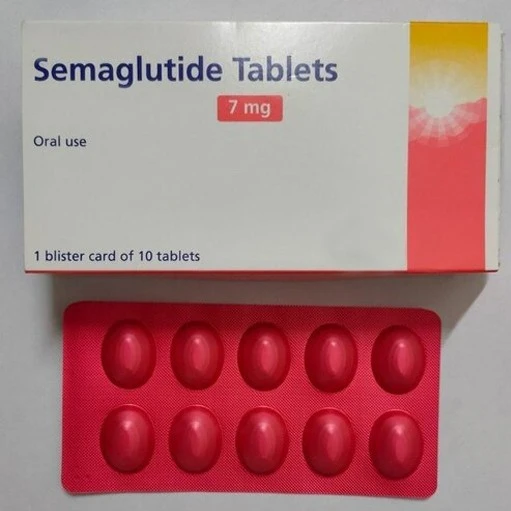

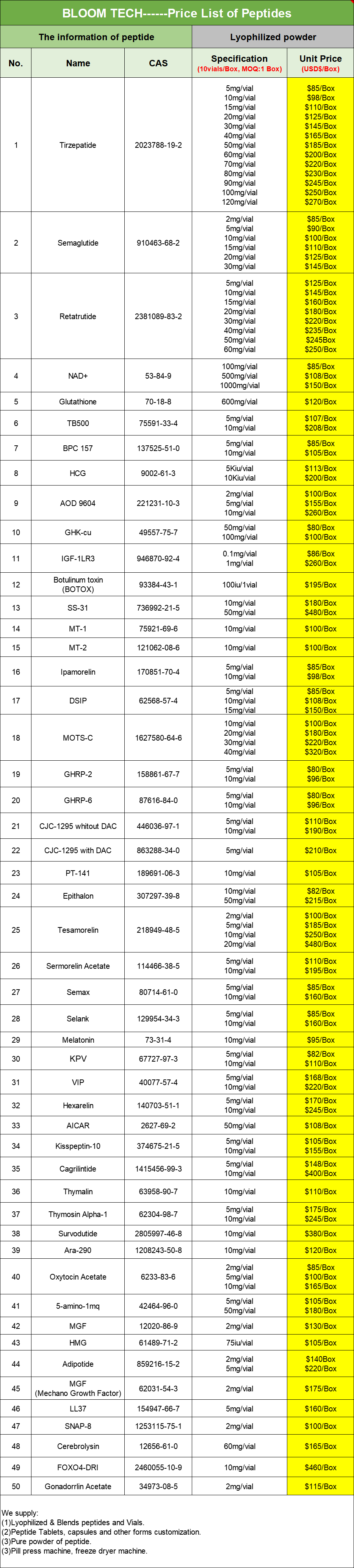


Semaglutide COA


The possibility of mucosal delivery of Semaglutide Spray
 |
 |
 |
The nasal mucosa is rich in blood vessels and lymphatic vessels. Semaglutide spray can be rapidly absorbed through the nasal mucosa and enter the bloodstream, avoiding the first-pass effect of the liver and improving bioavailability. Nasal administration also has the advantages of simple operation and high patient compliance. For semaglutide, nasal mucosal delivery may be an effective alternative route of administration. Some studies have shown that nasal spray administration can achieve rapid absorption and effective delivery of drugs.


However, there are also some limiting factors in the nasal mucosa, such as enzyme degradation and limited absorption surface area. Semaglutide may be degraded by nasal enzymes in the nasal environment, resulting in a decrease in drug activity. In addition, the absorption surface area of the nasal mucosa is relatively small, which may limit the amount of drug absorption. Besides, continuous nasal clearance driven by nasal mucus and ciliary movement can swiftly eliminate drug formulations from nasal cavities, shortening the residence time of semaglutide in contact with mucosal epithelia and further restraining transmembrane drug transport.
Moreover, nasal tissues possess relatively rigorous barrier characteristics. Tight junctions between epithelial cells obstruct the permeation of macromolecular polypeptides such as semaglutide. Local irritation induced by formulations is another hidden obstacle; irritating excipients may trigger nasal itching, congestion or sneezing, lowering patients' long-term adherence. To tackle these drawbacks, rational application of penetration enhancers, liposomal carriers and formulation optimization is required to prolong mucosal retention, resist enzymatic hydrolysis and boost transnasal absorption efficiency, so as to realize stable therapeutic concentrations of semaglutide via nasal spray.

Oral mucosal Delivery

The oral mucosa covers multiple physiological regions, including the sublingual area, buccal mucosa and gingival tissues, and exhibits superior transmembrane permeability alongside dense capillary and lymphatic networks. Such unique histological characteristics enable exogenous drugs to permeate the mucosal barrier and enter systemic circulation rapidly, achieving fast onset of pharmacological action.
As a non-invasive administration pathway, oral mucosal delivery effectively bypasses gastrointestinal digestion and hepatic first-pass metabolism, significantly elevating systemic bioavailability and reducing drug metabolism loss compared with conventional oral dosage forms. Furthermore, this delivery modality features convenient administration procedures, minimal operational complexity and favorable sensory tolerance, which greatly improves patient adherence and long-term medication compliance.


Therefore, oral mucosal delivery is considered a promising and feasible alternative administration route for semaglutide, a macromolecular polypeptide hypoglycemic agent. Novel dosage forms such as sublingual lozenges and buccal mucosal films can prolong local mucosal retention and facilitate rapid transepithelial absorption, laying a theoretical foundation for non-invasive semaglutide administration.Nevertheless, oral mucosal delivery still faces multiple inherent limitations and practical challenges.
The oral cavity constitutes an intricate dynamic microenvironment with continuous saliva secretion, diverse oral flora and abundant hydrolytic enzymes. These endogenous factors may trigger structural degradation, conformational changes and metabolic inactivation of semaglutide molecules, undermining drug stability and reducing effective absorption dosage. In addition, compared with nasal mucosa, the oral epithelial barrier presents relatively lower overall permeability. The compact intercellular tight junctions greatly hinder the transmembrane transport of high-molecular polypeptide drugs.


Given the large molecular weight and hydrophilic properties of semaglutide, passive diffusion across oral mucosal tissues is severely restricted, resulting in insufficient systemic drug exposure. Moreover, frequent swallowing behavior and continuous saliva clearance further shorten the residence time of topical preparations, which impedes sustained drug absorption and stable therapeutic effect. Accordingly, rational formulation optimization, penetration enhancer application and carrier system introduction are urgently required to overcome oral mucosal barrier limitations.
As a crucial subdivision of oral mucosal tissues, the buccal mucosa possesses distinct histological and pharmacological advantages that render it superior to other mucosal delivery pathways. In comparison with nasal and sublingual mucosa, the buccal mucosa exhibits relatively elevated transmembrane permeability and stable tissue structure, coupled with exceptional patient compliance owing to its non-invasive, convenient and comfortable administration experience.


Similar to other mucosal delivery modes, buccal medication administration successfully circumvents gastrointestinal metabolic degradation and hepatic first-pass effect, which substantially improves the systemic bioavailability of active pharmaceutical ingredients. Notably, the buccal cavity allows prolonged drug residence time without frequent mucus clearance or rapid tissue metabolism, providing sufficient duration for transmembrane drug permeation and steady absorption.
For semaglutide, a high-molecular-weight polypeptide drug with poor oral absorption characteristics, buccal mucosal delivery emerges as a highly potential alternative non-invasive administration route. Current pharmaceutical researches have focused on developing diversified buccal delivery devices, including microneedle patches, needle-free syringes and targeted jet injection systems. Each device adopts unique working mechanisms to break through mucosal absorption limitations, effectively promoting transbuccal drug penetration and further enhancing the bioavailability of semaglutide.


Despite the prominent strengths of buccal mucosal delivery, semaglutide spray still confronts multifaceted inherent challenges restricting its clinical application. The buccal mucosa integrates multilayered osmotic barriers, encompassing physical, biochemical and microbial defensive barriers that jointly impede transmembrane drug transport. The compact stratified epithelial structure serves as a rigid physical barrier to block the permeation of macromolecular semaglutide. Meanwhile, abundant hydrolytic enzymes and microbial flora in the buccal microenvironment constitute biochemical and microbial barriers, triggering drug molecular degradation and inactivation.
Furthermore, significant individual heterogeneity exists in buccal mucosal characteristics, including variations in epithelial thickness, tissue morphology, extracellular matrix composition and endogenous enzyme activity. Such individual differences lead to inconsistent drug absorption efficiency among different individuals, destabilizing in vivo drug exposure and therapeutic outcomes. These inherent defects greatly limit the repeatability and clinical popularization of buccal semaglutide delivery, necessitating targeted formulation modification and delivery system optimization to break through barrier restrictions.

The predicament faced by the mucosal delivery of Semaglutide Spray


Low bioavailability

Bioavailability serves as a vital pharmacokinetic indicator that quantifies the relative proportion and absorption rate of a drug entering systemic circulation after administration. Mucosal drug delivery is confronted with the prevalent challenge of insufficient bioavailability in clinical research. Semaglutide, a macromolecular polypeptide agent, is particularly susceptible to poor absorption when administered via mucosal routes. Multiple obstacles hinder its transport across nasal, oral and buccal mucosal barriers.
Endogenous mucosal enzymes readily degrade polypeptide molecules before they enter the bloodstream. Meanwhile, restricted absorption surface area and tight epithelial junctions create low membrane permeability, further obstructing drug penetration. Collectively, these barriers drastically cut down the effective absorbed dose of semaglutide upon mucosal delivery. The resultant drop in bioavailability fails to achieve the required systemic drug concentration, ultimately weakening pharmacological activity and restricting the practical application of mucosal semaglutide preparations.

Mucosal barrier limitation

Mucosa, as the first line of defense of the immune system in organisms, has multiple barrier functions, including physical barriers, biochemical barriers and microbial barriers, etc. These barriers can prevent the invasion of foreign substances and protect the body from infection. However, for drug delivery, the mucosal barrier has become an important limiting factor. Semaglutide needs to overcome these barriers during mucosal delivery in order to achieve effective absorption.
For instance, in the buccal mucosa, the epithelial layer is a non-keratinized layer with a thickness of 500-800 μm, composed of 40-50 layers of closely arranged squamous cells, forming a physical barrier. In addition, there are polar and non-polar lipids between the buccal mucosal epithelial cells. These lipids self-assemble into sheet-like structures and membrane-coated particles, forming a biochemical barrier. The oral microbiota and salivary enzymes, etc. may also have an impact on the stability and absorption of semaglutide.

Patient acceptance

Patient acceptance constitutes one of the pivotal determinants governing the clinical translation and large-scale application of mucosal delivery pharmaceuticals. Mucosal administration pathways covering nasal, oral and buccal routes possess prominent merits, including convenient operation, pain-free injection and favorable initial patient compliance, which endow them with bright prospects for chronic disease treatment. Nevertheless, such delivery modes are likely to trigger local adverse sensations and discomfort, undermining patients' subjective experience and long-term adherence.
To specify, nasal spray formulations frequently induce local mucosal irritation, accompanied by frequent sneezing, nasal dryness and slight itching, discouraging repeated daily administration. Drugs delivered via the oral mucosa often bring unpleasant bitter or strange tastes as well as persistent foreign body sensation in the mouth, exerting negative impacts on patients' daily life. Similarly, devices designed for buccal mucosal drug delivery may produce continuous pressure on local tissues, resulting in mild pain and irritation. Beyond physical discomfort, patients' health literacy and inherent perceptions of novel mucosal preparations cannot be overlooked.


Limited understanding of therapeutic principles, doubts over efficacy, and concerns about potential side effects will further lower patients' initiative to receive treatment. Poor acceptance easily leads to irregular medication and premature discontinuation, greatly compromising therapeutic outcomes. Accordingly, enhancing patient acceptance of the novel mucosal spray formulation of semaglutide deserves sufficient attention in formulation design and clinical research. Optimizing taste, reducing mucosal irritation and conducting popular science education are all essential strategies to stabilize patient adherence and facilitate subsequent clinical promotion.

Coping strategy
Optimizing formulations is vital to raise the bioavailability of mucosal it. Chemical modification like acylation and PEGylation stabilizes semaglutide. Carriers including nanoparticles and liposomes can shield the drug from degradation and facilitate mucosal penetration and absorption.
Penetration enhancers elevate mucosal permeability and drug bioavailability. Typical varieties include surfactants, bile salts and fatty acids. SNAC, adopted in oral semaglutide Rybelsus®, stabilizes semaglutide and enhances gastric mucosal permeability. Comparable enhancers may improve bioavailability of this mucosal spray.
Developing novel delivery devices is critical to optimize the mucosal delivery performance of semaglutide spray. Existing studies have developed nasal sprays, microneedle patches, needle-free syringes and jet injection systems to facilitate drug absorption and bioavailability via distinct mechanisms. Device safety, efficacy and patient acceptability are essential considerations in related development.
Strengthening patient education boosts acceptance of the spray's mucosal delivery via publicity and medical guidance. Relevant clinical research can validate its safety and efficacy, raising patient trust and optimizing therapeutic outcomes.
Hot Tags: semaglutide spray, suppliers, manufacturers, factory, wholesale, buy, price, bulk, for sale