


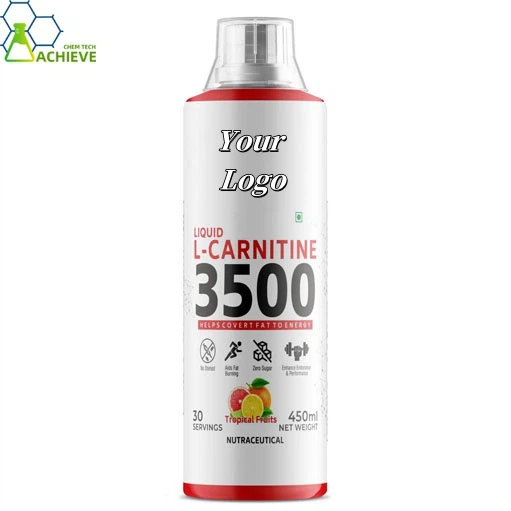

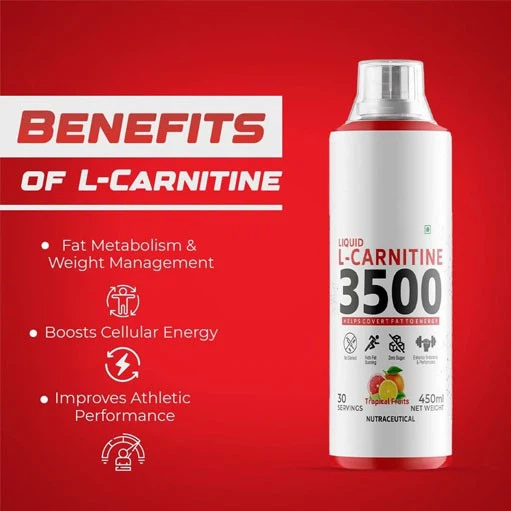
Shaanxi BLOOM Tech Co., Ltd. is one of the most experienced manufacturers and suppliers of l carnitine spray in China. Welcome to wholesale bulk high quality l carnitine spray for sale here from our factory. Good service and reasonable price are available.
L Carnitine Spray is an topical preparation with L-Carnitine (L-Carnitine) as the main active ingredient, aiming to promote fatty acid oxidation, assist in weight loss or improve exercise performance through local application. The spray dosage form can achieve precise local drug administration, avoiding the first-pass effect of oral preparations (such as fluctuations in gastrointestinal absorption rate and liver metabolism), and increasing the local drug concentration. In addition, the spray form is portable and easy to use, making it suitable for quick replenishment before and after exercise. The skin barrier limits the transdermal absorption rate.
 |
 |


L-Carnitine COA


L Carnitine Spray, as an external weight loss or metabolic auxiliary product, has received certain attention in the market in recent years. However, from the perspective of customer evaluation, there is considerable controversy over its effectiveness and safety, and the feedback from different customer groups varies significantly. The following analysis is conducted from three aspects: positive evaluations, negative evaluations, and comprehensive suggestions.
Positive evaluation: Some users recognize its auxiliary role
Improvement of local metabolism
Some users have reported that after using L-Carnitine Spray, the firmness in local fat accumulation areas (such as the abdomen and thighs) has improved. For instance, some users have indicated that when combined with exercise and diet control, the spray might help accelerate fat breakdown, but they emphasize that "the effect requires long-term persistence".
Improvement in sports performance
Some fitness enthusiasts believe that L-Carnitine Spray may indirectly enhance exercise endurance by promoting the oxidation of fatty acids. For instance, some users mentioned that after using the spray before exercising, the fatigue during high-intensity interval training (HIIT) was alleviated, but they also pointed out that "the effect varies from person to person".
Convenience is favored
The convenience of the spray formulation is one of its major advantages. Users generally believe that compared with oral L-carnitine supplements, spray is easier to carry and use, especially suitable for busy office workers or travel scenarios.
Negative reviews: Limited effect and risks involved
The effect is not obvious
Most users have reported that relying solely on L-Carnitine Spray is difficult to achieve significant weight loss effects. For instance, some users have reported that "after using it for a month, there is no significant change in weight or body fat percentage", and even some users have directly stated that "it's completely a tax on intelligence".
Low transdermal absorption rate
Scientific research indicates that the transdermal absorption rate of L-carnitine is limited, typically only 10% to 20% of that of oral administration. Many users have reported that the spray products "make the skin feel sticky after application, but no obvious absorption is observed", and even some users have questioned "whether the ingredients have truly penetrated".
Allergies and Side Effects
Some users experienced skin irritation symptoms such as redness and itching after use. For instance, some users with sensitive skin have reported, "After using it, my skin becomes red and itchy, and I have to stop using it." In addition, some users are concerned that long-term use may have potential impacts on heart health, especially those with heart diseases.
The price does not match the value
Compared with its actual effect, some users think that the price of L-Carnitine Spray is relatively high. For instance, some users pointed out that "the price of a bottle of spray is nearly twice that of an oral supplement, but its effect is far inferior to that of an oral one."

L Carnitine Spray is a naturally occurring amino acid substance, whose core function is to act as a key carrier for long-chain fatty acids to enter mitochondria for β - oxidation. In scenarios with high energy metabolism requirements, such as exercise and weight loss, exogenous supplementation of L-carnitine is widely believed to enhance fat mobilization efficiency.
The absorption and transport mechanism of L-carnitine
The absorption of L-carnitine mainly relies on the organic cation transporter protein 2 (OCTN2, SLC22A5) on the brush border membrane of small intestinal epithelial cells. OCTN2 is a high affinity, sodium dependent transporter with a Km value of approximately 20-50 μ M for L-carnitine. It can efficiently transport carnitine and its derivatives with a molecular weight of<500 Da.
Transport process: Free L-carnitine enters intestinal cells through the intestinal lumen; OCTN2 mediated active transport transports carnitine into cells; Carnitine enters the portal venous circulation through passive diffusion or secondary active transport via the basolateral membrane; Finally, it is metabolized by the liver and distributed to tissues throughout the body.

Capacity limitations of the transportation system

There is a saturation threshold for the transport capacity of OCTN2. When the intake of exogenous carnitine exceeds the maximum transport rate (Vmax) of the transporter protein, excess carnitine cannot be absorbed, resulting in:
The concentration of carnitine in the intestine increases, and the proportion of it entering the bloodstream through passive diffusion increases (but the efficiency is extremely low);
Unabsorbed carnitine is excreted in feces or metabolized by gut microbiota into trimethylamine (TMA), which is further converted into trimethylamine-N-oxide (TMAO) - the latter of which is associated with cardiovascular disease risk.
Molecular mechanism of dose bioavailability inverse relationship
Dose threshold for transporter saturation

Clinical data support:
After a single oral administration of 0.5 g of L-carnitine in healthy subjects, the peak plasma concentration (Cmax) was 48.5 μ mol/L, with a bioavailability of approximately 14-18%;
When the dose was increased to 2 g, Cmax only increased to 60-70 μ mol/L, and the bioavailability decreased to below 10%;
Continuous high-dose supplementation (such as 3 g per day) may lead to a stabilization of plasma carnitine concentration, indicating that the transport system is fully saturated.
Dynamics model:
According to the Michaelis Menten equation, the relationship between transport rate (v) and substrate concentration ([S]) is:

When [S] ≫ Km, v ≈ Vmax, The transfer rate has reached its upper limit. At this point, increasing the dosage only leads to an increase in the proportion of unabsorbed carnitine, and the bioavailability (defined as the amount of drug absorbed into the circulation/dose administered) will inevitably decrease.

Competitive inhibition and metabolic regulation

Competition of endogenous carnitine
Intestinal endogenous carnitine (approximately 100-200 mg/day, from diet and self synthesis) competes with exogenous supplements for OCTN2 binding sites. High doses of exogenous carnitine may temporarily "squeeze" transport proteins, but in the long run, the sustained secretion of endogenous carnitine will reduce OCTN2 expression through negative feedback regulation, further limiting absorption.
Induction of Metabolic Enzymes
High doses of carnitine may induce the activity of carnitine metabolizing enzymes (such as carnitine acetyltransferase and carnitine palmitoyltransferase) in the liver and intestine, accelerating the breakdown or conversion of carnitine into inactive acylcarnitine derivatives, thereby reducing bioavailability.


The impact of gut microbiota
Unabsorbed carnitine is metabolized by specific bacterial communities (such as Escherichia coli) in the colon to TMA, which is then oxidized to TMAO by hepatic flavin monooxygenase (FMO). The accumulation of TMAO may feedback inhibit carnitine absorption through the following mechanisms:
Changing the pH value of the intestine affects the ion dependent transport function of OCTN2;
Inducing intestinal inflammation and disrupting the integrity of intestinal epithelial cells;
Regulating appetite related hormones such as leptin and ghrelin through the gut brain axis indirectly affects energy metabolism requirements.
Optimization strategy: Breaking through the 'saturation trap'
Formulation improvement
Nanotechnology
Encapsulating L-carnitine in nanoparticles such as liposomes and polymer micelles can significantly improve its solubility and mucosal permeability, thereby bypassing the capacity limitation of OCTN2. For example:
The absorption rate of L-carnitine encapsulated in liposomes in Caco-2 cell models is 3-5 times higher than that in its free form;
Nanocrystalline formulations can increase the bioavailability of carnitine to over 30%.
Transdermal drug delivery system
Direct delivery of L-carnitine to the dermis layer through microneedle array or iontophoresis technology can avoid the saturation effect of intestinal absorption. Animal experiments have shown that the bioavailability of carnitine through transdermal administration can reach 2-3 times that of oral administration.
Combination therapy strategy
Inhibition of TMAO generation
The combined use of TMA synthesis inhibitors such as 3,3-dimethyl-1-butanol (DMB) can reduce the metabolic loss of unabsorbed carnitine and indirectly improve its bioavailability.
Regulation of transporter protein expression
Short term use of OCTN2 inducers (such as vitamin C and vitamin E) can enhance transporter activity, but the dosage needs to be strictly controlled to avoid feedback inhibition caused by excessive induction.
Individualized Dose Design
Develop a dosage regimen based on individual differences in OCTN2 genotype (such as SLC22A5 single nucleotide polymorphism):
Individuals with fast metabolism (high OCTN2 activity) can increase their dosage appropriately;
Individuals with slow metabolism (low OCTN2 activity) need to reduce their dosage to avoid excessive intake.
Frequently Asked Questions
Can spraying on the skin burn fat? How did it get in?
+
-
It cannot directly burn fat, but it can indeed penetrate the skin. L-carnitine is a hydrophilic molecule that is difficult to cross the skin barrier on its own. Spray agents usually rely on transdermal enhancers (such as alcohol and lecithin) or nano liposome technology to help carnitine molecules enter the subcutaneous microcirculation through hair follicles or cell spaces. Its goal is to enter the blood, rather than directly decompose fat in the spray area.
Where is it "faster" compared to oral capsules?
+
-
Quickly bypassing the first pass effect of the liver. Most of the oral L-carnitine is metabolized by the liver, with a bioavailability of only 5-15%. The spray is absorbed by the oral mucosa or skin and directly enters the systemic circulation. Theoretically, the blood concentration rises faster. But the disadvantage is that the single dose is limited, and the total intake is usually lower than oral intake.
Why do some spray require refrigeration? Will it break in the bag?
+
-
Because some high-end spray use liposome coating technology. Liposomes are phospholipid bilayer small spheres similar to cell membranes, which are prone to fusion, rupture, or leakage at high temperatures, leading to the failure of active ingredients. These types of products are usually labeled as refrigerated at 2-8 ° C, and may deteriorate within a few days of being stored at room temperature.
Hot Tags: l carnitine spray, suppliers, manufacturers, factory, wholesale, buy, price, bulk, for sale