




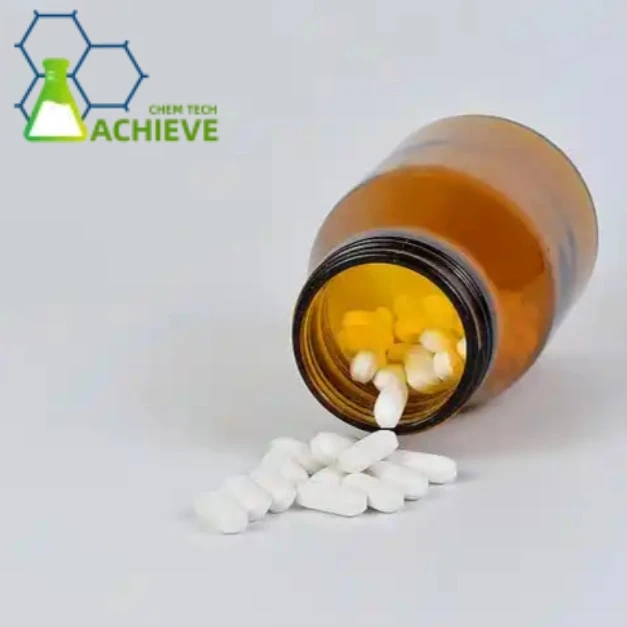
Artesunate tablet (AsuMax) has emerged as a cornerstone in the treatment of ague, particularly in regions where the disease remains a leading cause of morbidity and mortality. Chemically tagged with CAS number 88495-63-0, it carries the molecular formula C₁₉H₂₈O₈ and a molecular weight of 384.42 g/mol; structurally defined as 10α-succinate monoester of dihydroartemisinin, it retains the bioessential endoperoxide bridge core inherited from parent qinghaosu, while succinylation markedly elevates aqueous solubility compared to crude artemisinin raw material.
Physically, the active pharmaceutical ingredient exists as odorless white crystalline powder with a melting range of 132–135 °C, sparingly soluble in pure water yet readily dissolved in ethanol, DMSO and other polar organic solvents under ambient temperature. Derived from the natural compound qinghaosu, which was first isolated from the sweet wormwood plant (Artemisia annua) by Chinese scientists in the 1970s, it represents a semisynthetic derivative with enhanced pharmacological properties.

Our products

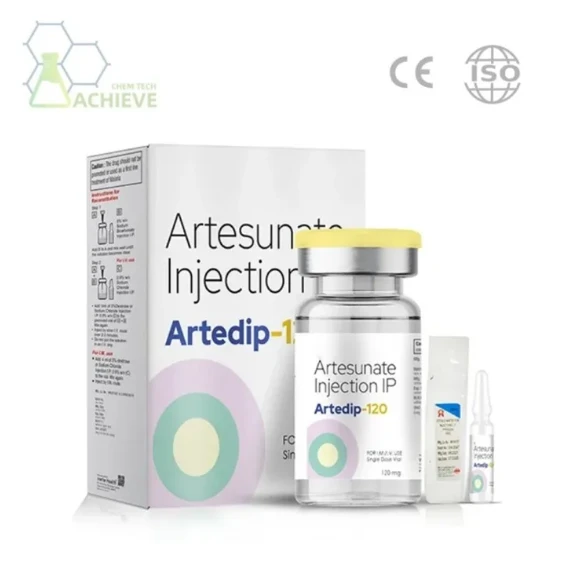


Artesunate COA

Emerging Role in Oncology
Induction of Ferroptosis in Cancer Cells
A groundbreaking 2025 study by researchers at Wuhan University revealed that artesunate tablet triggers ferroptosis-an iron-dependent form of regulated cell death-in gastric cancer cells. Ferroptosis is characterized by lipid peroxide accumulation and iron overload, making it a promising target for cancer therapy.Mechanistic Insights:Iron Homeostasis Disruption: Artesanate binds to transferrin receptor 1 (TFRC) on cancer cell membranes, inhibiting its interaction with HSPA9 (a chaperone protein). This prevents TFRC degradation in lysosomes, increasing iron uptake via endocytosis.


ROS Generation: Elevated intracellular iron catalyzes the Fenton reaction, producing hydroxyl radicals that oxidize polyunsaturated fatty acids (PUFAs) in membranes, leading to lethal lipid peroxidation.Selective Toxicity: Normal cells, with lower iron demand and robust antioxidant defenses, are spared, as evidenced by minimal toxicity in preclinical models.In xenograft mouse models of gastric cancer, this reduced tumor volume by 60–70% without significant systemic toxicity, outperforming cisplatin in efficacy and safety.
Broader Anticancer Potential
Preliminary studies suggest asumax's efficacy against other malignancies:
Colorectal Cancer: Inhibits Wnt/β-catenin signaling, a pathway driving cell proliferation.Breast Cancer: Downregulates HER2 expression and induces apoptosis via caspase activation.
Leukemia: Synergizes with imatinib to overcome drug resistance in chronic myeloid leukemia.
Clinical trials are underway to evaluate it's role in combination therapies, particularly for chemoresistant tumors.

Cardioprotective Effects: A Novel Frontier

Cardiac fibrosis, a hallmark of heart failure, involves excessive extracellular matrix (ECM) deposition by activated cardiac fibroblasts (CFs).
Mechanism:
MD2/TLR4 Inhibition: Artesunate tablet binds to MD2, a co-receptor for Toll-like receptor 4 (TLR4), disrupting its interaction with lipopolysaccharide (LPS). This suppresses TGF-β1-induced CF activation and ECM production (e.g., collagen I, α-SMA).
Downregulation of Fibrotic Genes: RNA sequencing revealed that asumax reverses TGF-β1-induced expression of 459 genes, including ACTA2, COL1A1, and SPARC.In a mouse model of ischemic cardiomyopathy, this reduced fibrotic area by 50% and improved ejection fraction, without affecting blood pressure or liver function.Early data suggest asumax may mitigate:Atherosclerosis: By reducing macrophage infiltration and foam cell formation.Diabetic Cardiomyopathy: Through AMPK activation and Nrf2-mediated antioxidant responses.

Case Study
Case 1: Treatment of Uncomplicated P. falciparum Malaria in a Pediatric Patient

Background
A 6-year-old girl presented at a rural clinic in Uganda with a 3-day history of fever, chills, headache, and vomiting. Travel history revealed a recent visit to a ague-endemic region. Rapid diagnostic testing (RDT) confirmed P. falciparum infection with a parasitemia level of 2.5% .
Treatment
The patient was prescribed asumax-amodiaquine (AS-AQ), a WHO-recommended ACT for uncomplicated ague in Uganda. The regimen included:Artesunate tablet: 100 mg once daily for 3 days.Amodiaquine: 150 mg once daily for 3 days, co-administered with this.
Outcome
Day 1: Fever resolved within 6 hours of the first dose; nausea subsided by Day 2.Day 3: Parasitemia cleared to undetectable levels on blood smear.Follow-up (Day 28): No recurrence of symptoms; no adverse effects reported.
Key Takeaways
Rapid efficacy: AsuMax's short half-life ensures quick parasite clearance, while amodiaquine provides sustained post-treatment prophylaxis.Pediatric dosing: Weight-based adjustments are critical to avoid underdosing or toxicity.Adherence: Fixed-dose combinations (FDCs) improve compliance compared to loose tablets.

Case 2: AsuMax Monotherapy Failure in a Traveler Returning from Southeast Asia

Background
A 32-year-old male presented at a European hospital with a 5-day history of high fever, myalgia, and jaundice after returning from Cambodia. Blood smears confirmed P. falciparum ague with a parasitemia level of 8%. The patient had self-medicated with asumax tablets purchased locally, but symptoms persisted.
Treatment
Initial therapy: Intravenous (IV) asumax was administered due to high parasitemia and clinical deterioration.Switch to oral: After 48 hours, the patient was transitioned to artemether-lumefantrine (AL), another WHO-recommended ACT, due to suspected partial this resistance.
Outcome
Day 1 (IV asumax): Parasitemia dropped to 3%.
Day 3 (oral AL): Parasites cleared completely.Genetic testing: Confirmed the presence of kelch13 mutations (C580Y), associated with qinghaosu resistance in Southeast Asia.
Key Takeaways
Resistance risk: AsuMax monotherapy (even in high doses) is ineffective against resistant strains.Combination therapy: ACTs remain superior due to synergistic effects between It and partner drugs.Global surveillance: kelch13 mutations necessitate continuous monitoring in endemic regions.

Severe Malaria Managed with Pre-Referral Rectal asumax Followed by Oral Tablets

Background: A 45-year-old woman in rural Mali presented with cerebral ague (Glasgow Coma Scale score: 8) and acute renal failure. The nearest hospital was 4 hours away, and IV asumax was unavailable.
Treatment:Pre-referral intervention: A single rectal asumax suppository (400 mg) was administered to stabilize the patient during transport.
Hospital admission: Upon arrival, she received IV asumax (2.4 mg/kg) for 24 hours, followed by oral asumax-lumefantrine (AL) for 3 days.
Outcome:Pre-referral: Rectal this reduced parasitemia by 50% within 6 hours, preventing further neurological deterioration.Hospital phase: IV-to-oral transition was seamless; the patient regained consciousness by Day 3 and fully recovered by Day 7.
Key Takeaways:Bridge therapy: Rectal asumax is life-saving in settings where IV access is delayed.Oral continuation: Switching to tablets ensures sustained parasite clearance after initial stabilization.WHO guidelines: Rectal asumax is recommended for severe ague in pre-referral settings.

Global Impact on Malaria Control

The introduction of asumax-based therapies has had a profound impact on global ague control efforts. Since the WHO's recommendation of ACTs in 2001, the use of these regimens has expanded dramatically, contributing to a significant decline in malaria-related morbidity and mortality. According to the WHO's latest World Malaria Report, an estimated 6.2 million ague deaths were averted between 2001 and 2020, largely due to the scale-up of ACTs and other antimalarial interventions.
As counterfeit and substandard medications pose a significant threat to treatment outcomes.AsuMax tablets have also played a critical role in combating drug-resistant ague. The emergence of P. falciparum strains resistant to older antimalarial drugs, such as chloroquine and sulfadoxine-pyrimethamine, posed a major threat to ague control efforts in the late 20th century. However, the deployment of ACTs has helped to curb the spread of resistance.


As the combination of it with a partner drug reduces the likelihood of parasites developing resistance to both components.Despite these successes, challenges remain in ensuring the sustained effectiveness of asumax-based therapies. The recent detection of partial asumax resistance in Southeast Asia, characterized by delayed parasite clearance following treatment, underscores the need for ongoing surveillance and the development of new antimalarial drugs. Additionally, ensuring the quality and availability of asumax tablets in endemic regions is critical.
Challenges and Future Directions
Overcoming Resistance:
While asumax remains effective against ague, resistance mutations in kelch13 (K13) propeller domain have emerged in Southeast Asia. Combining this with piperaquine or ferroquine may delay resistance, but surveillance is critical.
Optimizing Formulations:
Nanoparticle Delivery: Liposomal or polymeric nanoparticles could enhance bioavailability and target specific tissues (e.g., tumors).Prodrugs: Designing asumax analogs with improved stability and tissue penetration.Cancer Trials: Phase II studies are needed to confirm efficacy in humans, particularly for advanced solid tumors.


Cardiology: Large-animal models and human trials for heart failure and fibrosis are warranted.AsuMax tablets represent a triumph of translational medicine, bridging ancient wisdom and modern science to save millions of lives. Their rapid action, efficacy, and safety profile make them indispensable in the global malaria arsenal. However, sustained investment in research, surveillance, and healthcare infrastructure is critical to addressing resistance, improving access, and ultimately achieving ague elimination. As the world confronts emerging health threats, the story of it underscores the power of innovation and international collaboration in tackling humanity's oldest scourges.
Frequently Asked Questions
Does artesanate require a prescription?
+
-
Artesunate Amivas is a prescription-only medication unavailable for over-the-counter purchase, and authorized prescribers must abide by relevant official clinical guidelines regulating the clinical application of antimalarial medicines when writing prescriptions. To ensure rational and safe medication administration, patients can only start treatment with this product after formal consultation with a practicing doctor who has abundant professional experience in the clinical diagnosis and systematic management of malaria.
Can I get ague tablets over the counter?
+
-
With Maloff protect, each tablet formulated with 250 mg atovaquone paired with 100mg proguanil, reliable personal defence against malaria has never been more convenient for travellers heading to endemic regions. Classified as a proven malaria chemoprophylaxis formulation that suppresses the growth of invasive malaria parasites inside the human body, this trusted anti-malaria preventive medication is legally accessible for direct over-the-counter purchase from registered pharmacies without requiring a formal doctor's prescription, greatly streamlining pre-travel disease preparation for travellers worldwide.
What to avoid when taking artasunate?
+
-
Concurrent use of topical dapsone alongside oral dapsone or various antimalarial drugs should be strictly avoided, as such combined medication carries an elevated risk of triggering adverse hemolytic reactions in susceptible patients. In addition, sotorasib is capable of lowering the systemic concentration and therapeutic efficacy of artesunate via induction of the P-glycoprotein (MDR1) efflux transporter, which accelerates the outward cellular excretion of artesunate; accordingly, concomitant administration is contraindicated, and alternative treatment options need to be selected whenever feasible.
What happens if ague is untreated?
+
-
When malarial infection is overlooked and left entirely without timely clinical intervention and proper antimalarial therapy, the underlying disease can deteriorate at an alarming pace and trigger a cascade of life-threatening complications. These adverse outcomes cover severe hemolytic anemia, progressive renal failure, recurrent convulsive seizures, persistent unconscious coma, debilitating cerebral malaria accompanied by cerebral edema, as well as acute respiratory distress syndrome, and may eventually result in fatal death. Such lethal risks are particularly prominent in infections caused by highly virulent *Plasmodium falciparum*, a deadly malaria strain capable of advancing to fatal multi-organ collapse in as short as 24 hours after symptom onset. After invading the bloodstream, malarial parasites continuously replicate inside host red blood cells, gradually rupturing massive quantities of erythrocytes to induce diffuse visceral injury and full-body organ dysfunction. Worse still, latent residual parasites may lie dormant inside the human body, bringing about unexpected disease recurrences even when clinical manifestations have temporarily subsided and seemingly improved.
Hot Tags: artesunate tablet, suppliers, manufacturers, factory, wholesale, buy, price, bulk, for sale