




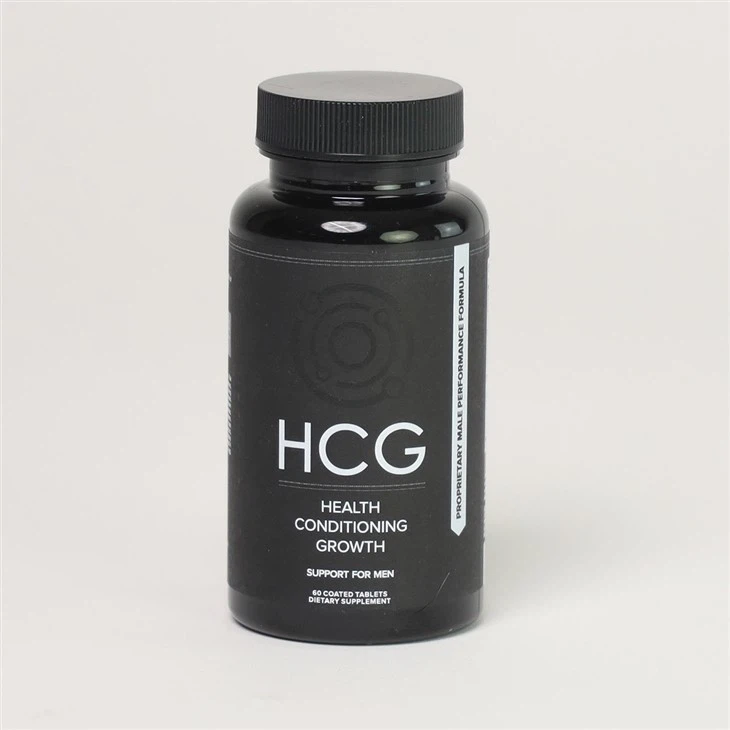


Shaanxi BLOOM Tech Co., Ltd. is one of the most experienced manufacturers and suppliers of hcg tablets in China. Welcome to wholesale bulk high quality hcg tablets for sale here from our factory. Good service and reasonable price are available.
When HCG tablets is present in tablet form, it is usually not the mainstream form of medication. As its essence is a peptide hormone, it is easily broken down by digestive enzymes when taken orally, and its bioavailability is extremely low. Therefore, injectable form is often used in clinical practice. The core function of the tablet is consistent with that of the injection, which simulates the biological activity of luteinizing hormone (LH), triggers follicle maturation and ovulation, and increases the probability of pregnancy. At the same time, it can stimulate testicular interstitial cells to secrete testostrone, promote sperm production, and improve male sexual dysfunction. In the field of assisted reproduction, it is commonly used for luteal support, maintaining endometrial receptivity in early cyophoria, and reducing the risk of miscarriage.

Additional information of chemical compound:

Our product form
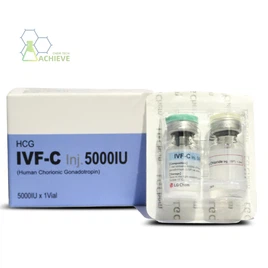
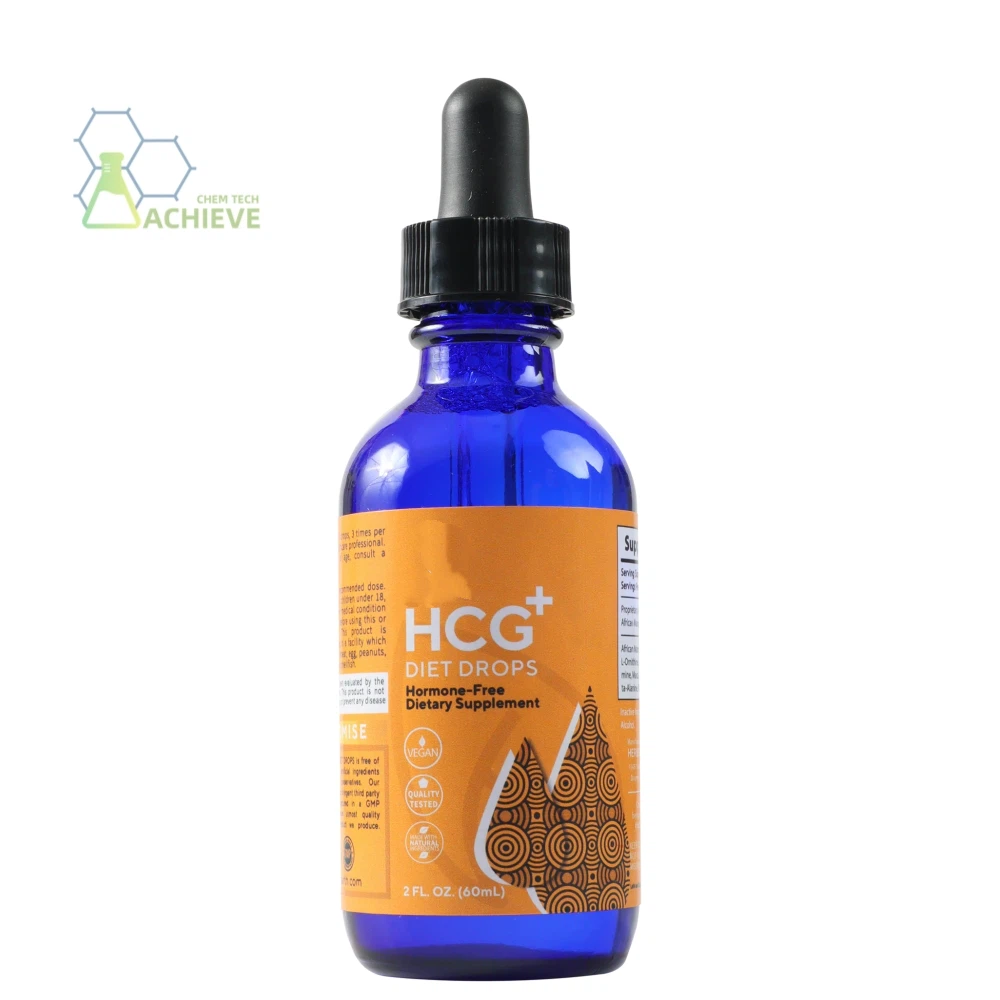

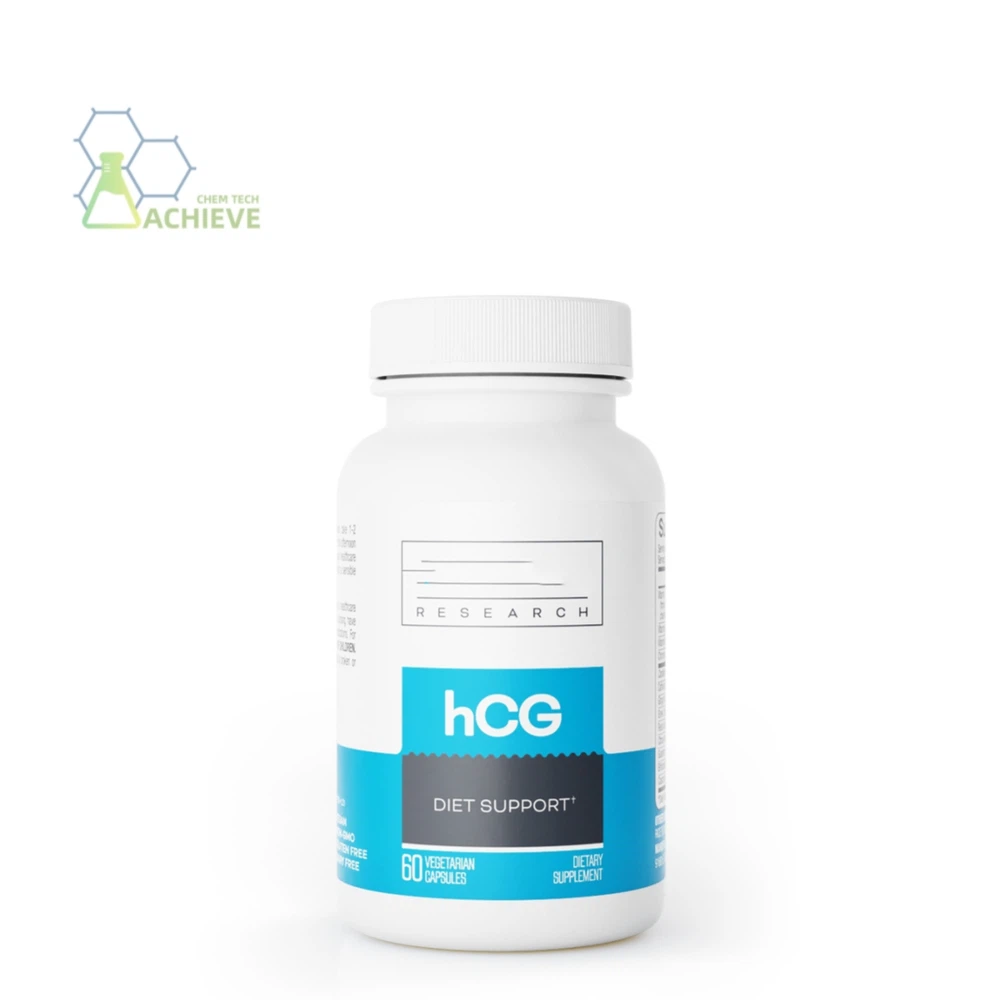
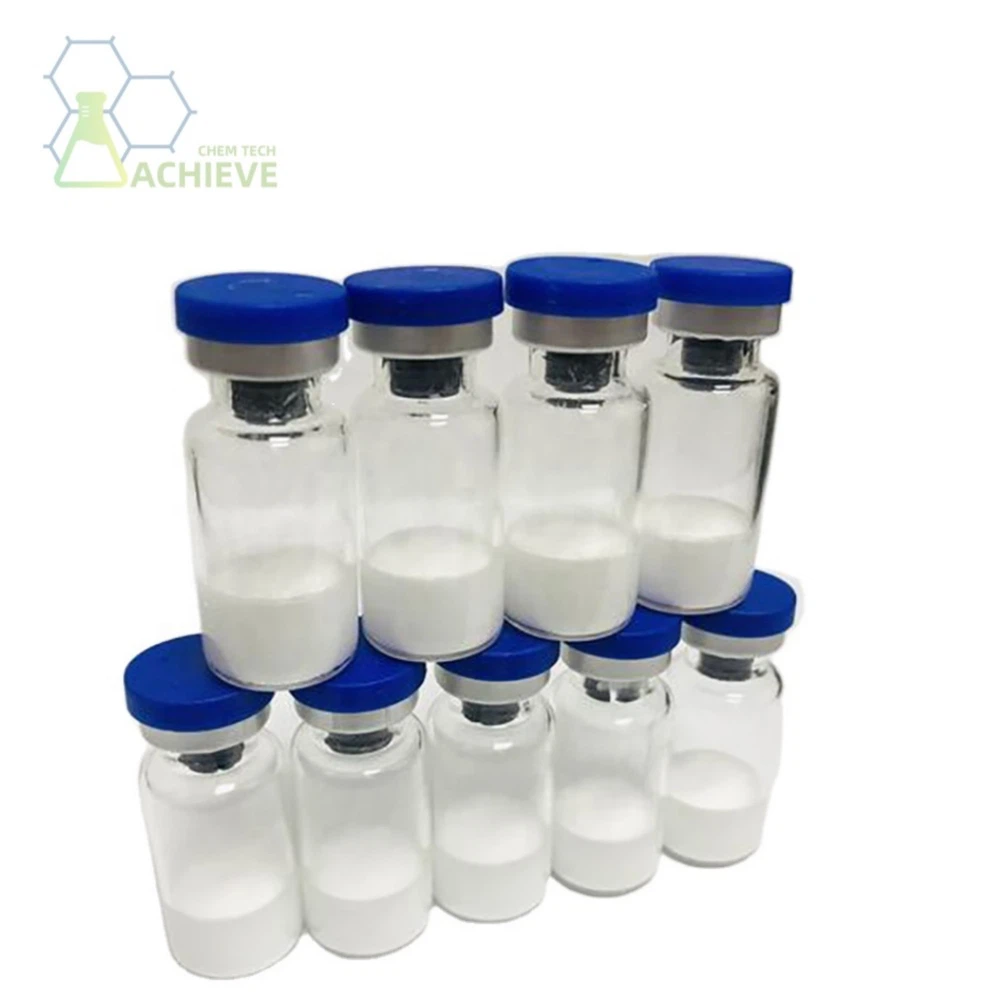
Chorionic Gonadotropin COA


HCG tablets, as a core member of the glycoprotein hormone family, has a highly homologous molecular structure to luteinizing hormone (LH) and plays the role of a "full cycle guardian" in assisted reproductive technology, from follicle regulation to embryo implantation, from luteal support to cyophoria monitoring.
Precise triggering in ovulate induction cycle: control of ovulate timing from follicle maturation to ovulate
In the controlled ovarian stimulation (COS) cycle, choriogonin is a key "trigger" that simulates the natural ovulate LH peak. When ultrasound monitoring shows that the dominant follicle diameter is 18-20mm and serum estradiol (E2) levels are greater than 1500pg/mL, injection of 5000-10000IU can activate LH/choriogonin receptors on follicular membrane cells, activate the cholesterol side chain lyase system, promote the conversion of pregnenolone to progesterone, and induce follicular wall rupture to release eggs. This process requires strict timing:

Time window control: 24-48 hours after injection is the peak ovulate period, which is consistent with the physiological pattern of ovulate 36 hours after the natural LH peak. Clinical data shows that in the "dual trigger" regimen (2500IU choriogonin+GnRH agonist), the egg maturation rate can reach 92%, significantly higher than the 78% in the choriogonin group alone.
Individualized dosage: Patients with polycystic ovary syndrome (PCOS) need to use a low-dose combination of 5000IU and GnRH antagonists due to ovarian hyperresponsiveness to reduce the risk of ovarian hyperstimulation syndrome (OHSS);
Patients with low ovarian reserve require a high dose of 10000IU to ensure sufficient follicle maturation.
Risk warning: If ovulate does not occur 72 hours after injection, one should be alert to Luteinized Unruptured Follicle Syndrome (LUFS). At this time, serum progesterone levels are greater than 3ng/mL and ultrasound shows thickening of the follicle wall, requiring adjustment of subsequent ovulate induction plans.

Luteal supportive therapy: dual regulation from progesterone secretion to immune tolerance
Luteal insufficiency is one of the main causes of early miscarriage in ART cycles. Maintain luteal function through the following mechanisms:

Direct stimulation of progesterone synthesis: choriogonin binds to the surface receptors of luteal cells, activating StAR protein (steroidogenesis acute regulatory protein), promoting cholesterol transport to the mitochondrial membrane, and accelerating the conversion of pregnenolone to progesterone. The clinical use of 2000-5000IU intramuscular injection every other day combined with vaginal progesterone soft capsules (200mg/day) can maintain serum progesterone levels above 15ng/mL and significantly reduce miscarriage rates.
Immune regulatory effect: It can inhibit the activity of maternal natural killer (NK) cells, reduce the secretion of pro-inflammatory factors such as tumor necrosis factor - α (TNF - α), and upregulate the expression of endometrial integrin α v β 3, enhancing embryonic adhesion ability.
For patients with recurrent miscarriage, the combination of 10mg bid of progesterone and choriogonin injection can increase the live birth rate from 45% to 68%.
Angiogenesis promotion: By upregulating the expression of vascular endothelial growth factor (VEGF), increasing the resistance index (RI) of uterine spiral artery blood flow, and improving endometrial receptivity. During the frozen embryo transfer cycle, uterine cavity perfusion (1000IU/time) combined with estradiol valerate tablets (3mg bid) can increase the thickness of the endometrium from 7.2mm to 9.5mm and increase the embryo implantation rate by 22%.

Biomarkers in Embryo Culture Fluid: A New Dimension of Non invasive Quality Assessment

The concentration in embryo culture medium can serve as an independent indicator for evaluating the developmental potential of embryos
Correlation between concentration and quality: A study of 60 IVF patients showed that the average concentration in the embryo culture medium on day 3 was 0.85 ± 0.43 mIU/ml. The concentration of high-quality embryos (≥ 8 cells) was significantly higher than that of low scoring embryos (0.52 ± 0.21 mIU/ml vs. 0.28 ± 0.15 mIU/ml).
Prediction value verification: A retrospective study in 2025 included 1200 embryos and found that embryos with a culture medium concentration greater than 1.0 mIU/ml had significantly higher clinical cyophoria rates (62%) and live birth rates (54%) than the low concentration group (41% and 33%), and were complementary to embryo morphology scores.
Technical optimization direction: Combined time Raman spectroscopy technology can monitor the dynamic changes of choriogonin secretion in embryos in real time, providing more accurate biological information for embryo selection.

Early cyophoria monitoring: from doubling of blood HCG tablets to abnormalcyophoria warning
Dynamic monitoring of serum β - HUCG is a core indicator for cyophoria management after ART cycles:
Implantation and early cyophoria determination:
After 7 days of implantation of the fertilized egg, the serum β - HUCG level can rise to 5-50 IU/L, which is 3-5 days earlier than the delayed detection of menstruation. 12 days after embryo transfer, if β - HUCG>100 IU/L, it indicates a high possibility of clinical cyophoria.
Analysis of Doubling Pattern:
In normal intrauterine cyophoria, β - HUCG increases by ≥ 66% every 48 hours; If the growth rate is less than 50%, one should be alert to ectopic cyophoria or embryonic dysplasia. A multicenter study involving 2000 patients showed that the group with good doubling of β - HUCG (≥ 66%) had a sustained cyophoria rate of 89%, while the group with slow growth rate (<50%) had only 12%.
Abnormal cyophoria identification:
β - HUCG levels in ectopic cyophoria are often less than 2000 IU/L and rise slowly; Patients with molar cyophoria may have a β - HUCG level greater than 100000 IU/L and require ultrasound diagnosis. In addition, β - HUCG and its β subunits are significantly elevated in Down syndrome pregnancies, and combined NT testing can increase the accuracy of prenatal screening to 95%.
OHSS risk prevention and control: from screening high-risk populations to optimizing treatment strategies
OHSS is one of the most serious complications in the ART cycle, and HUCG is both a risk predictor and a treatment target:
Risk prediction model:
In 2015, the "Consensus on Diagnosis and Management of Complications of Assisted Reproductive Technology in China" listed serum E2 levels>5000 pg/mL on the day of HUCG injection, number of retrieved eggs>20, and pre injection luteinizing hormone (LH)>10 IU/L as high-risk factors for OHSS. Clinically, the "Trigger Day Risk Score" (0-10 points) is used, and those with a score ≥ 5 need to use GnRH agonists to trigger replacement choriogonin.
Adjustment of treatment strategy:
For patients who have already developed OHSS, antagonists (such as cetuximab) can block receptor signaling and alleviate increased vascular permeability; Combined albumin infusion (20g/day) and intraperitoneal aspiration can shorten the hospitalization time of severe OHSS patients from 7.2 days to 3.5 days.
Male infertility treatment: from gonadal function recovery to sperm production promotion
In male ART, it is mainly used to treat hypogonadotropic hypogonadism (IHH):
Testostrone replacement therapy: Choriogonin (2000-5000 IU twice a week) combined with human menopausal gonadotropin (HMG, 75 IU three times a week) treatment for 6 months can increase serum testostrone levels from 0.5 ng/mL to 4.2 ng/mL, and total sperm count from 0 to (12.5 ± 3.2) × 10 ⁶/ml.
Treatment of cryptorchidism: For prepubertal cryptorchidism patients, injection (1500 IU twice a week for 5 weeks) can cause a testicular descent rate of up to 65%. The mechanism is related to choriogonin stimulating testicular interstitial cells to secrete testostrone and promoting testicular cord contraction.
Hormone synergy in freeze-thaw embryo transfer cycle: from endometrial preparation to luteal support
In artificial cycle frozen embryo transfer, cyophoria outcomes are optimized through the following mechanisms:
Endometrial synchronization regulation: Sequential treatment with estradiol (E2) until endometrial thickness ≥ 8mm, injection of 1000 IU can simulate the natural LH peak, causing the endometrium to transition from the proliferative phase to the secretory phase, and increasing the synchronization rate between implantation window opening time and embryonic development by 30%.
Luteal function prolongation: Inhibiting the hypothalamic pituitary axis through negative feedback to prevent premature degeneration of the corpus luteum. The clinical application of "HUCG+progesterone" joint support scheme (5000 IU choriogonin intramuscular injection+vaginal progesterone gel 90mg/day) can increase the sustained cyophoria rate of frozen embryo transfer cycle from 52% to 68%.
Tumor biomarker monitoring: from cyophoria related diseases to germ cell tumors
Abnormal elevation requires vigilance against the following diseases:
Gestational trophoblastic tumor (GTN): Serum β - HUCG did not show a logarithmic decrease after curettage of molar cyophoria, or the plateau period was>4 weeks and the increase was>10%, indicating the possibility of GTN. The combination of ultrasound and MRI can clarify the extent of the lesion, and the chemotherapy regimen needs to be adjusted according to the WHO prognostic score.
Reproductive cell tumors: In testicular cancer patients, 20% -30% show elevated serum β - HUCG levels, which are positively correlated with tumor burden. Postoperative dynamic monitoring of β - HUCG can detect recurrence early with a sensitivity of 92%.
With the development of single-cell sequencing, metabolomics and other technologies, the mechanism of action of HCG tablets is extending from macroscopic regulation to microscopic molecular networks. In the future, personalized medication regimens based on individual patient genotypes (such as LH/choriogonin receptor gene polymorphism) and embryonic metabolomic characteristics will become a key direction for improving the success rate of ART. Meanwhile, the mechanism research in the fields of endometrial receptivity regulation and immune tolerance induction will provide new ideas for solving problems such as repeated implantation failures.
Hot Tags: hcg tablets, suppliers, manufacturers, factory, wholesale, buy, price, bulk, for sale