




Shaanxi BLOOM Tech Co., Ltd. is one of the most experienced manufacturers and suppliers of firocoxib tablets in China. Welcome to wholesale bulk high quality firocoxib tablets for sale here from our factory. Good service and reasonable price are available.
The core active ingredient of firocoxib tablets is Firocoxib, with the chemical name 3- (cyclopropylmethoxy) -5,5-dimethyl-4- [4- (methylsulfonyl) phenyl] -2 (5H) - furanone. Its molecular formula is C17H20O5S, with a molecular weight accurate to 336.40 and a CAS number of 189954-96-9. The compound is in the form of white or off white crystalline powder, with a melting point range of 78-80 ° C, a predicted boiling point of 563.9 ± 50.0 ° C, and a density of 1.31g/cm ³. Its solubility characteristics are manifested as being soluble in chloroform, ethyl acetate, and methanol, but the solubility is limited, and the formulation process needs to be optimized through a specific solvent system. The cyclopropylmethoxy group, methylsulfonylphenyl group, and furanone ring in the chemical structure together form the active center for selective inhibition of COX-2 enzyme.

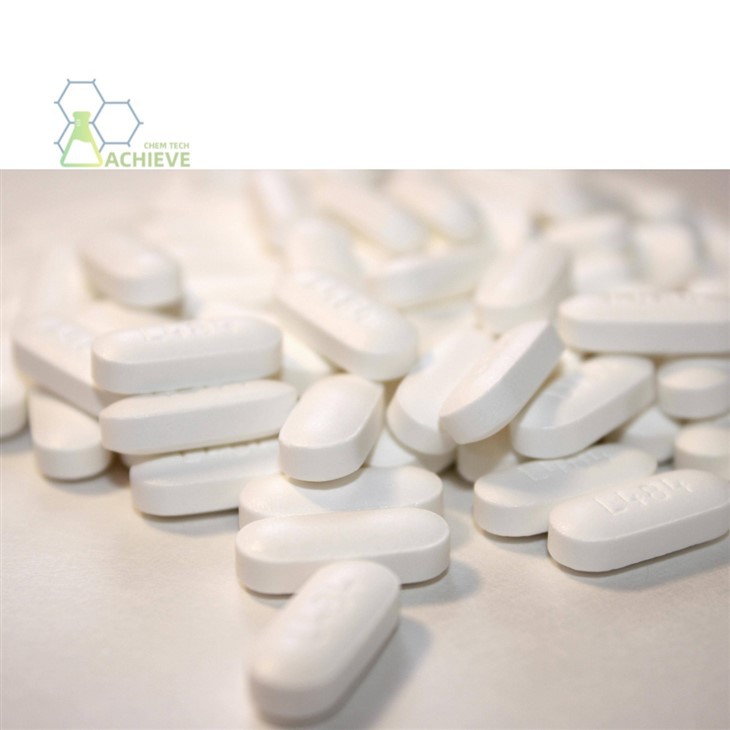
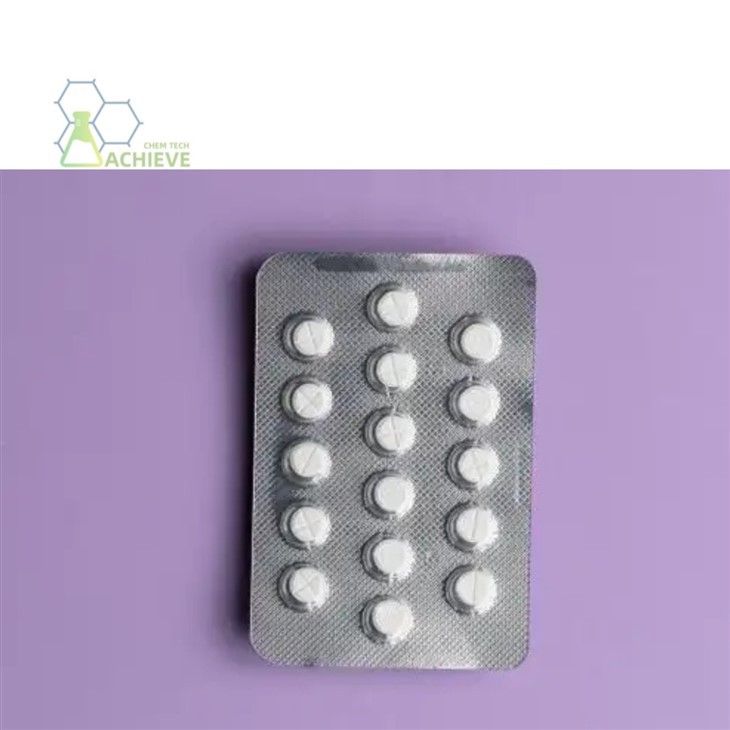
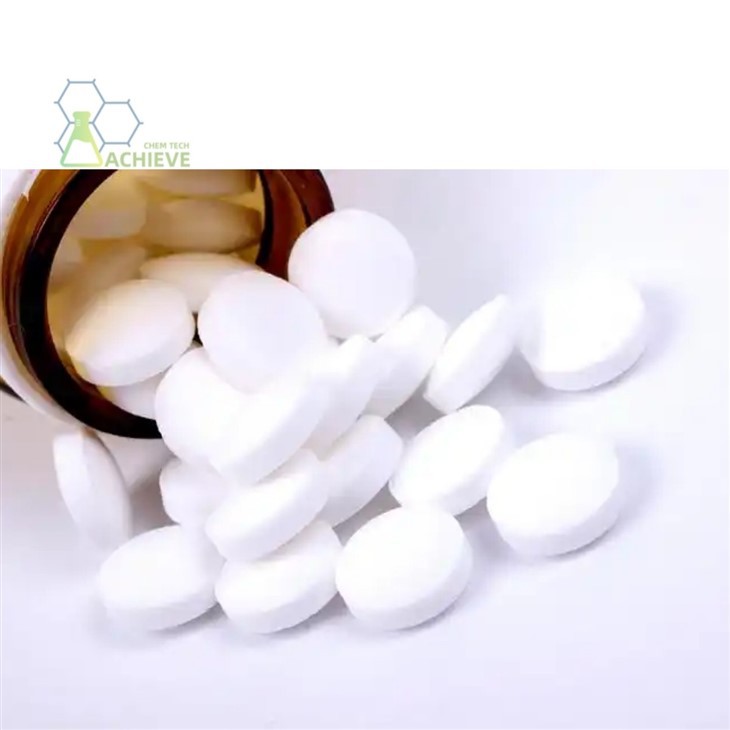
Ferocoxib tablets are supplied in the form of chewable tablets, with common specifications including 57mg and 227mg. This dosage form design significantly improves the convenience of administration, especially suitable for animals such as dogs that require long-term medication. Chewing tablets are processed through special techniques to rapidly disintegrate drugs in the oral cavity, reducing direct irritation to the gastrointestinal tract while increasing bioavailability.
Our product




Additional information of chemical compound:
| Product Name | Ketoconazole Tablets | Prilocaine Injection |
| Product Type | Tablets | Injection |
| Product Purity | HPLC≥99.0% | ≥99% |
| Product Specifications | Customizable | Customizable |
| Product Package | PE/Al foil bag/ paper box for Pure powder |
Customizable |
|
|
|


Ketoconazole+. COA
 |
||||
Certificate of Analysis |
||||
|
Compound name |
Ketoconazole | |||
|
CAS No. |
Pharmaceutical grade | |||
|
Grade |
65277-42-1 | |||
|
Quantity |
Customized | |||
|
Packaging standard |
Customized | |||
| Manufacturer | Shaanxi BLOOM TECH Co., Ltd | |||
|
Lot No. |
202512090051 | |||
|
MFG |
Jan 9th 2026 | |||
|
EXP |
Jan 8th 2029 | |||
|
Structure |
|
|||
| TEST STANDARD | GB/T24768-2009 Industry. Stnndard | |||
|
Item |
Enterprise standard |
Analysis result |
||
|
Appearance |
White or almost white powder |
Conformed |
||
|
Water content |
≤4.5% |
0.30% |
||
| Loss on drying |
≤1.0% |
0.15% |
||
|
Heavy Metals |
Pb≤0.5ppm |
N.D. |
||
|
As≤0.5ppm |
N.D. | |||
|
Hg≤0.5ppm |
N.D. | |||
|
Cd≤0.5ppm |
N.D. | |||
|
Purity (HPLC) |
≥99.0% |
99.9% |
||
|
Single impurity |
<0.8% |
0.58% |
||
|
Total microbial count |
≤750cfu/g |
95 |
||
|
E. Coli |
≤2MPN/g |
N.D. |
||
|
Salmonella |
N.D. | N.D. | ||
|
Ethanol (by GC) |
≤5000ppm |
500ppm |
||
|
Storage |
Store in a sealed, dark and dry place at-20 degrees |
|||
|
|
||||
|
|
||||


| Chemical Formula | C12H13N5O4 |
| Exact Mass | 291.1 |
| Molecular Weight | 292.1 |
| m/z | 291.1(100.0%), 292.1(13.0%),292.09(1.8%) |
| Elemental Analysis | C,49.48; H,4.50; N,24.04; O,21.97 |

Remedial Potency for Osteoarticular Lesions and Degenerative Afflictions
As a long-duration peroral anti-inflammatory and analgesic pharmacon for veterinary application, firocoxib tablets capitalize on enteric absorptive superiority to deliver sustained interventional modulation for manifold chronic locomotor pathologies affecting canines, felines, bovines, ovines and other domestic ungulates, conforming to long-duration domestic custodianship and large-scale husbandry paradigms. A multitude of senescent companion creatures are predisposed to progressive chondral attrition, degenerative osteoarthropathy and congenital coxarthrodysplasia; agronomic livestock recurrently endure chronic podal phlogosis, synovial hyperplasia and weight-bearing locomotor impediments.


Morbid subjects commonly manifest post-static ankylosis, post-exertional claudication, disinclination toward ascending and saltation, plus tactile evasion upon load-bearing limbs. Such morbid presentations originate from uninterrupted chondral matrix depletion, chronic proliferative synovitis and augmented intra-articular effusion. Persistent phlogistic stimulation steadily exacerbates ambulatory incapacitation. In the absence of timely intervention, chondral defects expand incessantly, inciting compensatory osteoproliferation together with irreversible arthrokinematic restriction.
Endowed with a high-selectivity COX-2 inhibitory modality, this galenical targets the biosynthesis of phlogistic mediators within lesional loci, gradually mitigating synovial hyperplasia, diminishing intra-articular exudate and alleviating articular calor, tumefaction and persistent algesthesia. Dissimilar to injectable formulations dominantly deployed for short-term acute governance, these tabloids adapt to protracted maintenance therapeutics. They perpetually restrain the advancement of chronic aseptic phlogosis, retard degenerative chondral depletion, facilitate afflicted beasts to recapture the aptitude for orthograde ambulation and cursorial movement, and elevate locomotor volition.


For geriatric companion animals and perpetually toiling livestock, the agent exerts steady governance over chronic osteoarticular malaise, ameliorates hyporexia and prolonged sternal recumbency triggered by algesthesia, elevates zoic welfare and safeguards normative somatic accretion and propagative performance of domesticated fauna.Most commercially obtainable analgesic agents merely repress algesthesia transiently and fail to modulate progressive chondral degeneration.
It act upon pivotal phlogistic cascades, exert enduring and stable suppression against phlogistic progression, conserve residual chondral parenchyma and curtail recurrent intermittent claudication, rendering them a preeminent alternative for long-duration conservative regulation of chronically infirmed subjects. The pharmacon targets lesional territories with minimal perturbation of fundamental somatic metabolism.


While conferring potent anti-phlogistic and analgesic efficacy, it markedly abates hazards of gastrointestinal, hepatic and nephritic untoward reactions. It yields stable modulatory outcomes for intractable chronic osteoartropathies exhibiting feeble responsivity to conventional veterinary medicaments, furnishing uninterrupted osteal and articular shelter for fauna throughout their ontogenetic cycles.
Perioperative Algesthesia Governance and Traumatic Reconstruction Sustainment
Firocoxib tablets enjoy extensive utilization in preemptive analgesia prior to surgical intervention, postoperative phlogosis modulation for companion and agronomic fauna, alongside the management of phlogalgesthesia engendered by diverse closed soft-tissue traumata. Routine veterinary operative interventions encompass gonadectomy, odontotherapy, fracture osteosynthesis and cutaneous neoplasm extirpation for minor companion animals; for livestock, the spectrum comprises orchiectomy, cornual ablation, caesarean delivery and wound debridement.


Surgical trauma readily provokes regional somatic oedema, phlogistic transudation and persistent algesthesia, manifesting as psychasthenia, hypophagia and recurrent wound licking. Severe postoperative algesthesia elicits systemic stress cascades, decelerates wound restitution and amplifies secondary infection risks.Timely peroral administration preoperatively and postoperatively can preemptively obstruct nociceptive signal transduction, mitigate intense postoperative distress, abate restlessness, struggling and wound autolicking, alongside diminishing risks of wound dehiscence and secondary trauma.
The pharmacon efficaciously alleviates operative-site oedema, inhibits phlogistic transudation, curtails wound suppuration and expedites soft-tissue regeneration. For closed traumata including contusions, myofascial strains and arthrosprain, it rapidly ameliorates tissue tumefaction, calor and lancinating pain, diminishes avoidance conduct stemming from distress and accelerates traumatic restitution. The peroral dosage form facilitates sustained pharmaceutics delivery post-discharge from veterinary facilities, maintaining stable haemopharmacological concentration to assist fauna in traversing the 48-hour high-risk algesthetic phase after operations.


It conspicuously lowers the prevalence of postoperative stress disorders and retarded wound restitution within clinical zoiatric practice.
The agent perpetually modulates regional phlogistic intensity, optimizes the microenvironment for wound rehabilitation and lessens tissue adhesion and transudation. It sustains congruent therapeutic potency whether deployed in minimally invasive aesthetic operations or extensive traumatic reconstructive procedures, and effectively elevates wound restitution success ratios among fauna.
Antipyretic Potency and Systemic Phlogosis Modulatory Attributes
It possess mild yet durable antipyretic activity, targeting hyperthermia, lethargy and somnolence induced by multifarious phlogistic triggers. They apply to mucosal phlogosis, mammary parenchymal afflictions and superficial tissue congestion in canines and felines; concurrently, they modulate respiratory phlogosis, postpartum genital-tract disorders and systemic pyrexia incited by pathogenic stimuli in agronomic livestock. Persistent hyperthermia expedites nutritional catabolism, suppresses appetite and imposes substantial burdens on juvenile fauna, postpartum dams and debilitated individuals.


Distinct from short-acting rapid antipyretic medicaments prone to drastic thermal oscillation, this formulation inhibits the biosynthesis of endogenous pyrogenic substances to curb phlogogenic pyrexia at its fountainhead. Thermal abatement proceeds gently and persistently without frequent thermal rebound. Synchronously, it ameliorates a serial systemic sequela encompassing asthenia, hyporexia and general malaise originating from somatic dysfunction.
When amalgamated with antimicrobial agents, it rapidly relieves pyrexia and anorexia derived from postpartum mastitis, uterine pathologies and respiratory disorders in livestock, restores normative ingestive behaviours and curtails economic attrition stemming from morbid episodes. It generates synergistic interplay with antibiotics and antibacterial compounds, amplifying comprehensive therapeutic efficacy, shortening restitution cycles of tissue pathologies, forestalling chronic afflictions evolved from uncured acute lesions and furnishing omnidirectional shelter for morbid fauna.


The temperate antipyretic modality averts circulatory collapse induced by abrupt thermal decline, securing lenient and secure pyrexia relief for vulnerable fauna with low somatic tolerability. By ameliorating metabolic performance and immunological status of infirmed subjects, it fundamentally reinforces somatic resistance against pathogenic incursion and drastically diminishes recrudescence hazards of systemic somatic disorders.
Somatic Stabilization and Protective Efficacy against Stress Cascades and Kinetic Tissue Traumata
Within companion animal custodianship and commercial agronomic husbandry, jolting conveyance, environmental transmutation and strenuous locomotor exertion recurrently incite stress cascades and superficial tissue traumata among fauna, culminating in somnolence, hyporexia, myalgia and subfebrile temperature elevation. Firocoxib tablets efficaciously alleviate muscular ecchymosis and tissue malaise induced by locomotor exertion and transit, eradicate aseptic tissue afflictions and mild stress-associated hyperthermia, and rapidly reinstate zoic vitality and normative ingestive routines.


The peroral formulation enables facile medicament delivery without professional injection manipulations, suited for daily domestic companion animal custodianship and large-scale herd governance on agronomic premises. Boasting superior gastrointestinal biocompatibility, the galenical can be safely dispensed to juvenile, senescent and enfeebled fauna.
A single dosage sustains therapeutic potency over an extended timeframe, obviating repetitive dosing and extraneous stressors, simplifying medicament protocols and curtailing husbandry administrative expenditures. Possessing exceptional biocompatibility and negligible hazards of hepatic or nephritic accumulation impairment under normative dosages, it efficaciously ameliorates locomotor inhibition stemming from transit stress and kinetic traumata, stabilizes livestock accretion and elevates aggregate economic yields of zoiatric services and large-scale animal husbandry.

Pain Management in Dogs

Osteoarthritis: It are one of the preferred drugs for osteoarthritis such as hip dysplasia and elbow dysplasia in dogs. Clinical studies have shown that a dose of 5mg/kg/d can significantly reduce lameness scores, improve the mobility and quality of life of dogs. Long term medication can delay joint degeneration and reduce the need for joint replacement surgery.
Postoperative analgesia: It is recommended to administer fexorubicin tablets for the first time 2 hours before orthopedic or soft tissue surgery, and it can effectively control postoperative acute pain for 3 consecutive days. Its long-lasting analgesic effect reduces the use of postoperative opioid drugs, lowers the risk of respiratory depression and addiction.
Special scenario: Non Rocoxib tablets can also be used to treat dental surgery pain and inflammation caused by traumatic injuries in dogs. Its rapid onset and long-lasting effect make it an indispensable analgesic drug in veterinary clinical practice.

Special populations and species differences

Young and elderly animals
Young animals: incomplete development of liver and kidney function, weak metabolism of NSAIDs, and prone to drug accumulation poisoning. It is recommended to start with a low dose (1mg/kg) and strengthen monitoring.
Elderly animals: often accompanied by complications such as liver.medication should be carefully evaluated for risks and benefits. It is recommended to start with low doses and monitor liver and kidney function every 2 weeks.
Pregnant and lactating animals
Pregnant animals: Ferocoxib can cross the placental barrier and potentially affect fetal development. In addition, NSAIDs can inhibit prostaglandin synthesis, leading to delayed or difficult delivery. Therefore, pregnant animals are prohibited from using fexorubicin.
Mammalian animals: The secretion of fexorubicin in breast milk is low, but it may have adverse effects on the offspring. It is recommended that breastfeeding animals avoid using it.


Current Status of Cat Applications
Although experimental studies have shown that fericoxib has good pharmacokinetic properties and anti-inflammatory effects in cats, there is currently no approved formulation for cat use. Cats are highly sensitive to NSAIDs and are prone to nephrotoxicity and gastrointestinal ulcers. Therefore, when cats use non Rocoxib drugs beyond the instructions, they need to be fully informed of the risks and closely monitored.
Off-label feline administration requires rigorous pre-medication assessment of renal function, gastrointestinal mucosal status and physical condition, especially for senescent, dehydrated and debilitated felines with elevated toxic reaction risks. Veterinarians shall adopt reduced dosage regimens and avoid prolonged continuous medication. Regular hematological and urinary biomarker detection is essential to identify early visceral injury. Medication must be terminated promptly once adverse symptoms occur, with timely symptomatic intervention to maintain feline physiological stability and mitigate off-label medication hazards.

Hot Tags: firocoxib tablets, suppliers, manufacturers, factory, wholesale, buy, price, bulk, for sale