




Shaanxi BLOOM Tech Co., Ltd. is one of the most experienced manufacturers and suppliers of nystatin tablets 100mg in China. Welcome to wholesale bulk high quality nystatin tablets 100mg for sale here from our factory. Good service and reasonable price are available.
Nystatin tablets 100mg are a polyene antifungal oral preparation primarily used to treat gastrointestinal candidiasis, such as oral, esophageal, and intestinal infections. Its core component, nystatin, exerts bactericidal effects by binding to sterols in fungal membranes, disrupting membane permeability and causing leakage of cellular contents. It is highly sensitive to common pathogenic fungi such as Candida, Cryptococcus, and Aspergillus. This drug is a sugar coated tablet that appears yellow or brownish yellow after removing the coating. It needs to be sealed and stored in a dry environment at no more than 20 ℃, away from light. The shelf life is usually 24 months.


Additional information of chemical compound:

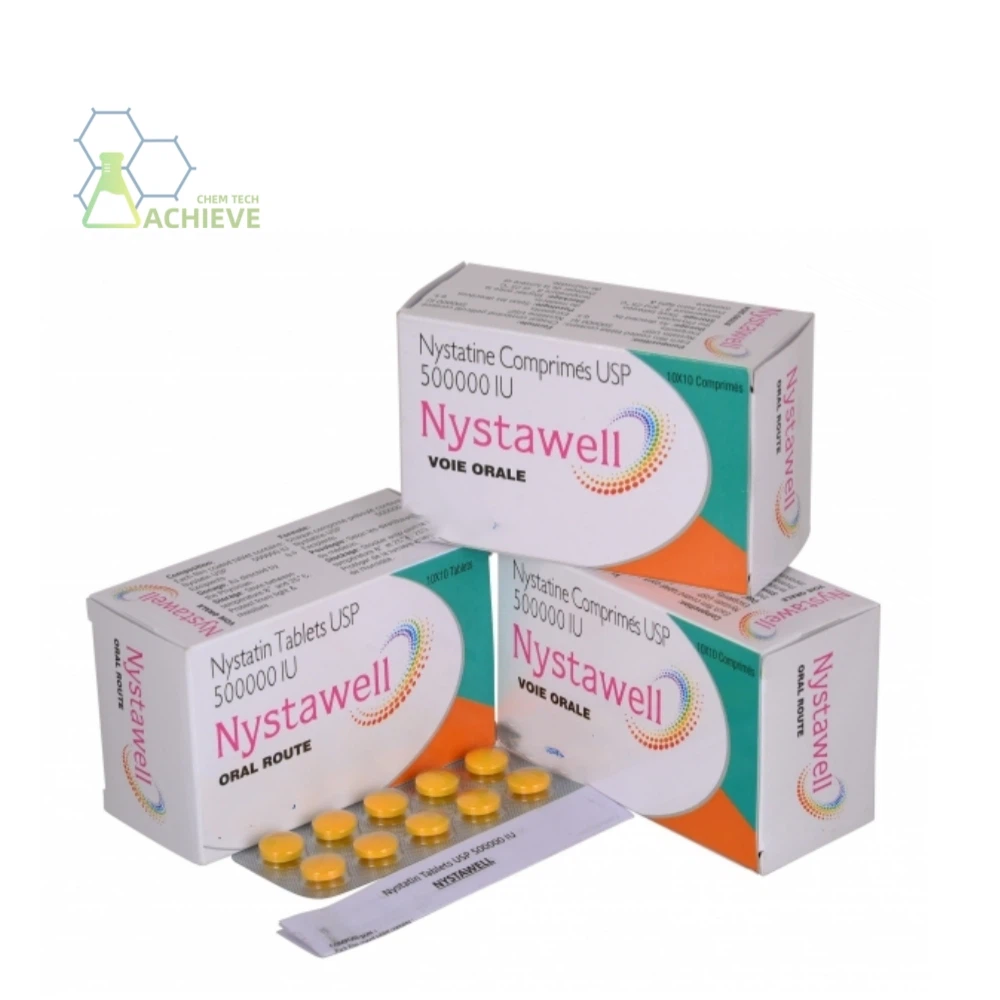
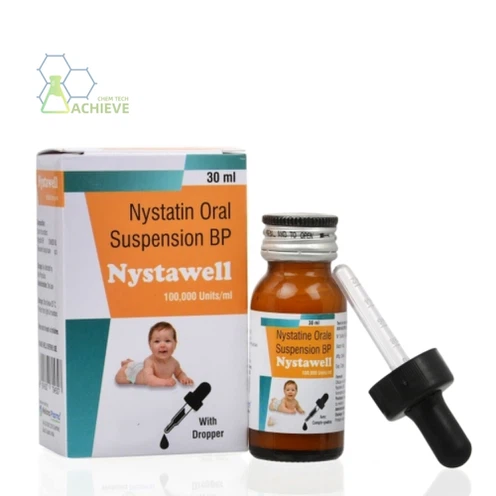
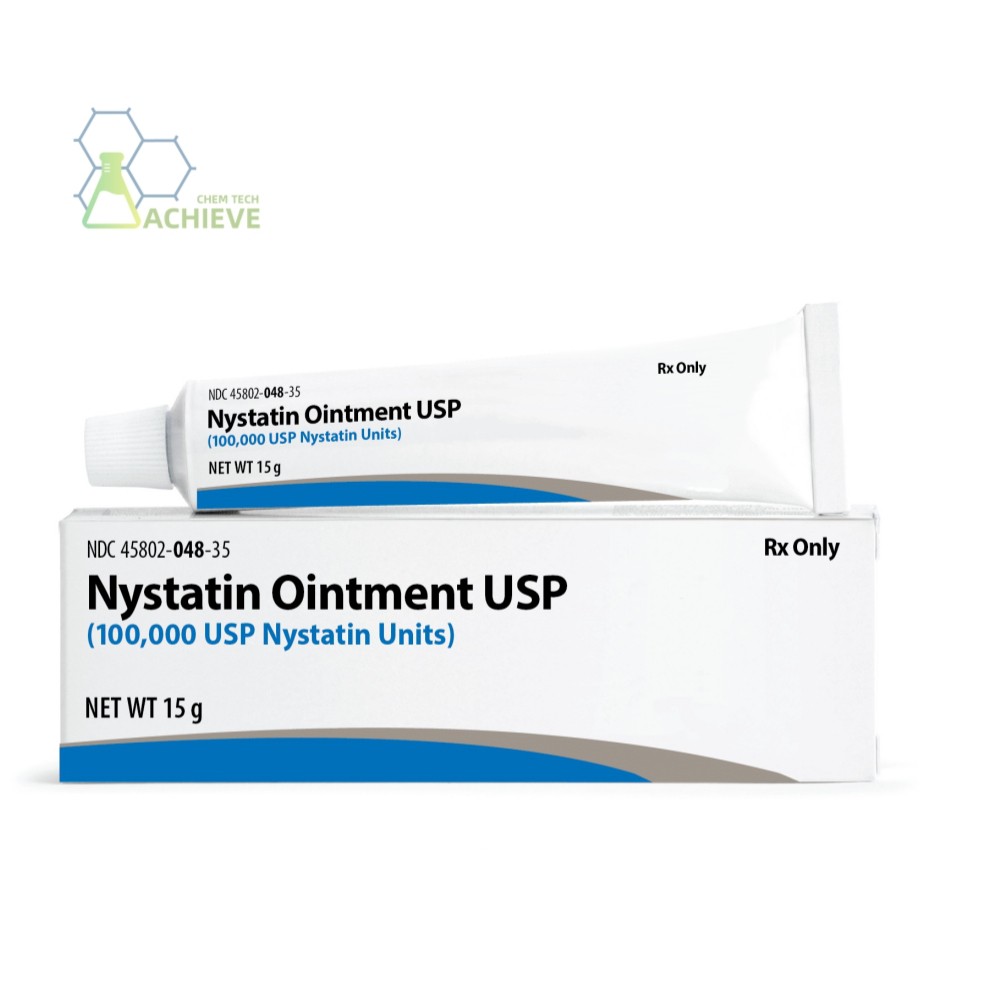
Our product form

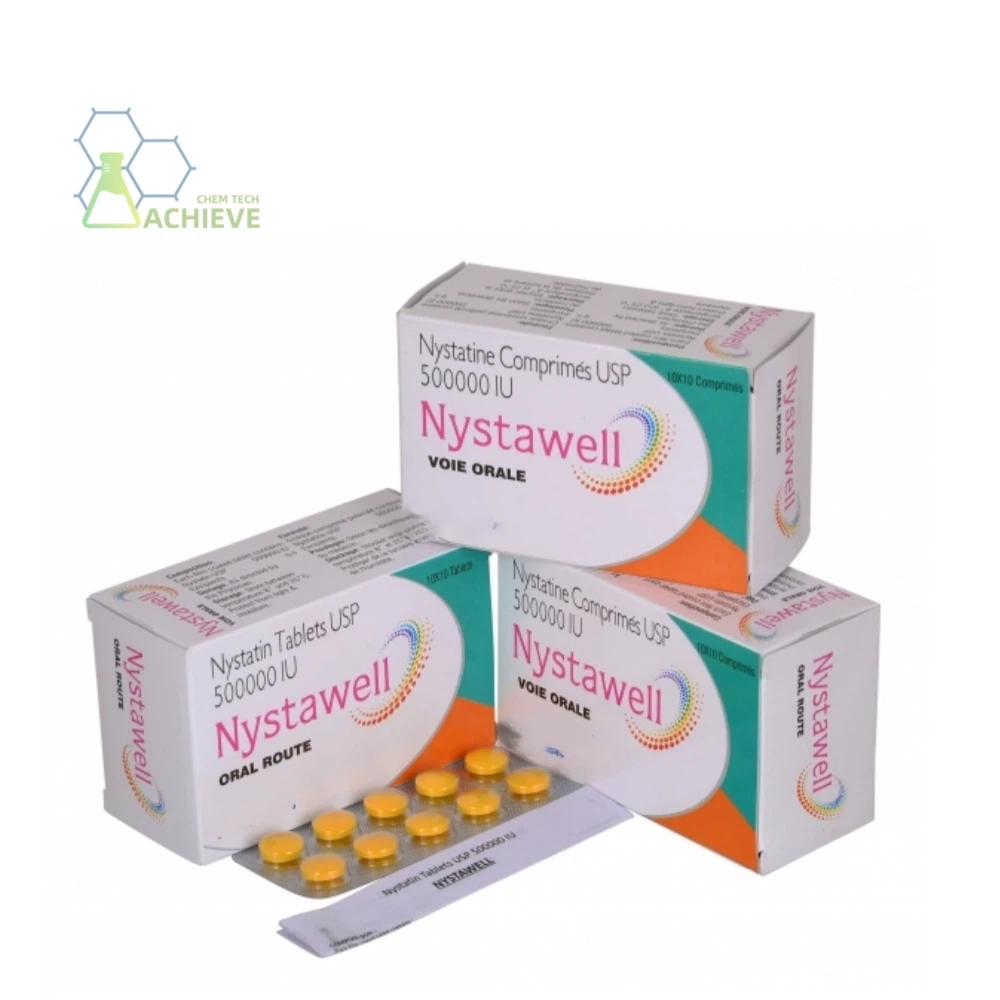
Nystatin +. COA


Drug Classification and Chemical Essence:
Belonging to polyene macrolide antifungal antibiotics, Nystatin tablets 100mg chemical structure includes conjugated polyene side chains and lactone ring skeleton. This structure endows it with unique antifungal activity: the conjugated double bond system can be inserted into the sterol structure of fungal membraes, while the lactone ring provides structural stability. The main ingredients of the drug include nystatin A1, A3, and polymyxin B, which synergistically enhance the antifungal spectrum and efficacy.

Core mechanism of action: Sterol binding and membrne permeability changes
1. Sterol specific binding
Nystatin specifically binds to ergosterol in fungal membrans through its polyene structure. Ergosterol is a key component of funga membrans, responsible for maintaining membran fluidity and integrity. The conjugated double bond system in drug molecules is embedded in the hydrophobic region of ergosterol in a π - π stacking manner, forming a stable complex. This binding has high selectivity, and cholesterol in mammalian membrans cannot effectively bind to Nystatin due to spatial conformational differences, thus explaining the selective toxicity of drugs to fungi.
2. Catastrophic changes in membrae permeability
The formation of sterol drug complexes leads to the following structural damage to fungal membraes:
Micro pore formation: The combined complex causes local reconstruction of the membane lipid bilayer, forming non selective ion channels with a diameter of approximately 1-2 nm.
Dysregulation of lipid arrangement: Drug insertion disrupts the regular arrangement of membane lipids, leading to increased membane fluidity and loss of barrier function.
Conformational changes in membane proteins: Transporters and enzymes embedded in the membane become inactive due to changes in the membrae environment, further disrupting cellular metabolism.
These changes trigger uncontrolled efflux of key ions and small molecules within the cytomembrane:
Potassium ion depletion: The intracellular K ⁺ concentration drops sharply from about 140 mM to<10 mM, leading to a breakdown of resting membran potential.
ATP leakage: ATP produced by mitochondria leaks directly through membrae pores, and intracellular ATP levels decrease by more than 80% within 30 minutes.


Loss of metabolic intermediates: Amino acids such as glutamate and aspartic acid, as well as sugar metabolic intermediates such as glucose-6-phosphate, flow out, blocking the energy production pathway.
3. Cascade reaction of cytomembrane death
Membrae integrity disruption triggers multiple cytomembrane death pathways:
Permeative swelling: Water molecules enter cytomembans through membane pores, causing a 30-50% increase in cytomembran volume and ultimately leading to membran rupture.
Oxidative stress: Leaked ATP is degraded by extracellular ATPase into adenosine, which activates NADPH oxidase through purine receptors, producing superoxide anion (O ₂⁻) and hydrogen peroxide (H ₂ O ₂).
Apoptosis like program: Loss of mitochondrial membane potential leads to release of cytochrome c, activation of caspase cascade reaction, and initiation of DNA fragmentation.
1. Dose effect relationship
In vitro experiments have shown that Nystatin has a minimum inhibitory concentration (MIC) of 0.5-2 μ g/mL and a minimum bactericidal concentration (MBC) of 1-4 μ g/mL against Candida albicans. The drug concentration and bactericidal effect exhibit a biphasic curve:
Low concentration (<1 μ g/mL): mainly inhibits fungal growth, blocks spore germination and hyphal extension by interfering with membane function.
High concentration (>5 μ g/mL): induces rapid cytomembane death, killing over 90% of fungal cytomembranes within 30 minutes.

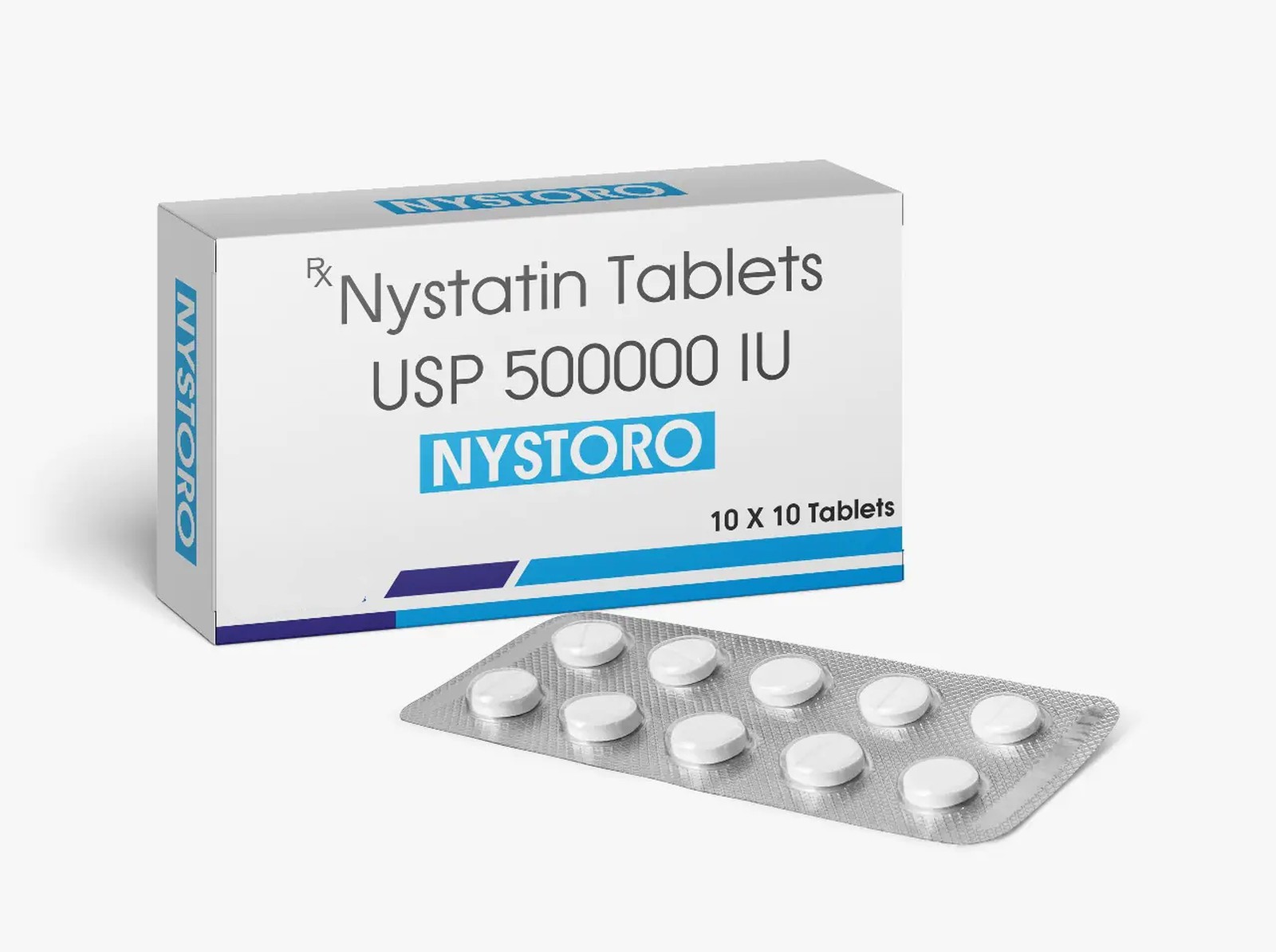
2. Time effect curve
After oral administration, the drug forms a high concentration environment in the local gastrointestinal tract:
Esophageal infection: Effective concentration can be reached at the lesion site within 5 minutes after ingestion, with a duration of>4 hours.
Intestinal infection: Peak concentrations (approximately 10-20 μ g/g tissue) are reached in the terminal ileum and colon 2-4 hours after oral administration, and persist for 12-24 hours.
3. Antifungal spectrum
Nystatin has a potent killing effect on the following fungi:
Candida genus: Candida albicans, Candida tropical, Candida smooth (MIC range 0.125-2 μ g/mL)
Cryptococcus genus: Cryptococcus neoformans (MIC 0.5-4 μ g/mL)
Aspergillus genus: Aspergillus fumigatus, Aspergillus flavus (MIC 1-8 μ g/mL)
Mucomycota: Rhizopus, Mucomycota (MIC 2-16 μ g/mL)
Skin ringworm: Trichophyton rubrum, Trichophyton rubrum (MIC 0.25-4 μ g/mL)
It also shows moderate sensitivity to biphasic fungi (such as Clostridium perfringens and Dermatitis blastogenes) and certain dark colored fungi (such as Peyer's patches).

Mechanisms of Drug Resistance and Response Strategies

1. Mechanism of drug resistance
Clinical observations have shown that long-term use of nystatin tablets 100mg may induce the following resistance mechanisms:
Upregulation of ergosterol synthesis: Overexpression of ERG11 gene leads to a 3-5 fold increase in ergosterol production, competitively inhibiting drug binding.
Membrae pump efflux: Overexpression of ATP binding cassette transporters such as CDR1 and MDR1 pumps drugs out of the cytomembrane.
Changes in membran composition: Some drug-resistant strains reduce drug binding affinity by increasing sphingolipid content or altering membran lipid saturation.
Biofilm formation: Candida albicans biofilm can reduce drug penetration by 50-80% and increase MIC by 16-32 times.
2. Clinical coping strategies
Combination therapy: When used in combination with fluconazole, it can overcome biofilm barriers and have an in vitro synergistic index (FIC) of less than 0.5.
Pulse administration: Using high-dose intermittent therapy (such as 2 million units once a day) can reduce resistance selection pressure.
Local enhancer: Combined with EDTA, it can chelate calcium ions to destroy the biofilm matrix and enhance drug penetration.


Nystatin exerts antibacterial effects by selectively disrupting fungal membrans. The conjugated double bonds in its polyene structure can form complexes with the conjugated double bond system of ergosterol, leading to the disruption of membane structure and increased permeability. This process is highly selective, as human membanes do not contain ergosterol, so Nystatin has no direct toxicity to host cytomembrans.
Oral absorption: Nystatin is almost not absorbed by the gastrointestinal tract after oral administration, and its bioavailability is extremely low (<1%), so the systemic blood concentration can be ignored. This characteristic makes it an ideal drug for treating fungal infections in the digestive tract, which can avoid systemic side effects.
Localized infiltration:
Eye drops: After topical administration, the drug mainly remains in the conjunctival sac, making it difficult to penetrate the cornea and enter the anterior chamber of the eye. Therefore, it is ineffective against deep-seated infections such as intraocular inflammation and is only suitable for fungal infections on the surface of the cornea or conjunctiva.
Oral drops: can form a protective film in the oral cavity, directly acting on the infected area, with high local concentration and long duration.
Metabolism and excretion: Unabsorbed drugs are excreted through feces without liver or kidney function dependence, so patients with liver or kidney dysfunction do not need to adjust the dosage.
Nystatin tablets 100mg has a potent inhibitory effect on the following fungi:
Candida genus: Candida albicans, C. tropicalis, etc., are one of the preferred drugs for treating oral candidiasis (thrush) and vaginal candidiasis.
Cryptococcus genus: It has certain activity against Cryptococcus neoformans, but fluconazole or amphotericin B are more commonly used clinically.
Other fungi: Some dermatophytes (such as Trichophyton epidermidis) are sensitive to Nystatin, but their clinical application is limited.
It should be noted that long-term use of Nystatin may lead to fungal resistance, especially in immunocompromised patients. Therefore, it is recommended to combine other antifungal drugs (such as fluconazole eye drops) to treat severe infections.

Pharmacokinetic characteristics and clinical significance
1. Absorption and distribution
Oral absorption: Almost not absorbed by the gastrointestinal tract, with a bioavailability of<0.5%, ensuring that the drug is limited to the digestive tract to exert local effects.
Organizational distribution: High concentrations (10-50 μ g/g) are achieved in the mucosa of the esophagus, stomach, small intestine, and colon, with serum concentrations<0.1 μ g/mL.
Penetration ability: unable to penetrate healthy skin or mucosal barriers, but can penetrate inflammatory lesions (such as ulcerated surfaces of candidal esophagitis).
2. Metabolism and excretion
Metabolic pathway: The gut microbiota can hydrolyze about 10% of drugs into inactive metabolites.
Excretion method: Over 95% is excreted in its original form through feces, with a half-life of 6-8 hours.
Special populations: Patients with liver dysfunction do not need to adjust the dosage, and patients with kidney dysfunction do not need to adjust the dosage as the medication is not excreted through the kidneys.
Clinical Application and Efficacy Evidence
1. Indications, usage and dosage
Oral candidiasis: Take orally, 500000 units (1 tablet) each time, 4 times a day, with a treatment course of 7-14 days.
Esophageal candidiasis: Oral administration, 1 million units (2 tablets) each time, 3 times a day, with a treatment course of 14-21 days.
Intestinal candidiasis: Oral administration, 1-2 million units (2-4 tablets) each time, 3 times a day, with a treatment course of 14-28 days.
Preventive medication: Immunosuppressed patients (such as organ transplant recipients) can take 500000 units orally per day to prevent Candida infection.
2. Evidence of therapeutic efficacy
Oral infection: Randomized controlled trials showed that on the 5th day of treatment, the clinical symptom relief rate reached 85% and the fungal clearance rate was 92%.
Esophageal infection: Endoscopic examination showed that after 2 weeks of treatment, the ulcer healing rate was 78%, and the disappearance rate of the false membane was 91%.
Intestinal infection: Diarrhea symptoms significantly improve within 3-5 days, and the conversion rate of fecal fungal culture to negative is>85%.
Drug Interactions and Compatibility Taboos
1. Significant interaction
Saccharomyces boulardii: Cystatin can inhibit the activity of this probiotic, and the combination of the two requires an interval of at least 2 hours.
Voclosporin: may increase the risk of nephrotoxicity and requires monitoring of blood creatinine and electrolytes.
Antacids: Antacids containing aluminum and magnesium can reduce drug solubility, and it is recommended to take them every hour.
2. Compatibility taboos
Alcohol: May increase gastrointestinal irritation, alcohol consumption should be avoided during treatment.
High fat diet: can delay gastric emptying, but does not affect drug absorption rate.
Nystatin tablets 100mg specifically disrupt the sterol structure of fungal membanes, causing catastrophic changes in membane permeability and ultimately leading to cytomembrane death. Its unique chemical structure endows it with highly selective toxicity to fungi, and its non absorbable nature when taken orally makes it the preferred treatment for gastrointestinal candidiasis.
Hot Tags: nystatin tablets 100mg, suppliers, manufacturers, factory, wholesale, buy, price, bulk, for sale