




Shaanxi BLOOM Tech Co., Ltd. is one of the most experienced manufacturers and suppliers of plecanatide tablets in China. Welcome to wholesale bulk high quality plecanatide tablets for sale here from our factory. Good service and reasonable price are available.
Plecanatide Tablets are a novel oral medication primarily used to treat adult chronic idiopathic constipation (CIC) and constipated irritable bowel syndrome (IBS-C). Since being approved for marketing by the US Food and Drug Administration (FDA) in 2017, it has gradually become an important choice in the field of constipation treatment due to its unique mechanism of action and good efficacy. Plecanatide is an artificially synthesized receptor agonist for guanylate cyclase C (GC-C), with a chemical structure similar to the endogenous hormone uroguanylin in the human body. This similarity enables Plecanatide to specifically bind to and activate intestinal GC-C receptors, thereby exerting its physiological effects. Each tablet contains 3mg of Plecanatide. This dosage is determined based on multiple clinical trial results, which can effectively alleviate constipation symptoms and control the incidence of adverse reactions at a low level.
Our products From
 |
 |
 |


Plecanatide COA
 |
||
| Certificate of Analysis | ||
| Compound name | Plecanatide | |
| Grade | Pharmaceutical grade | |
| CAS No. | 467426-54-6 | |
| Quantity | 337.3kg | |
| Packaging standard | 25kg/drum | |
| Manufacturer | Shaanxi BLOOM TECH Co., Ltd | |
| Lot No. | 202501090028 | |
| MFG | Jan 9th 2025 | |
| EXP | Jan 8th 2028 | |
| Structure |
|
|
| Item | Enterprise standard | Analysis result |
| Appearance | White or almost white powder | Conformed |
| Water content | ≤5.0% | 0.34% |
| Loss on drying | ≤1.0% | 0.28% |
| Heavy Metals | Pb≤0.5ppm | N.D. |
| As≤0.5ppm | N.D. | |
| Hg≤0.5ppm | N.D. | |
| Cd≤0.5ppm | N.D. | |
| Purity (HPLC) | ≥99.0% | 99.90% |
| Single impurity | <0.8% | 0.47% |
| Total microbial count | ≤750cfu/g | 97 |
| E. Coli | ≤2MPN/g | N.D. |
| Salmonella | N.D. | N.D. |
| Ethanol (by GC) | ≤5000ppm | 400ppm |
| Storage | Store in a sealed, dark, and dry place below 2-8°C | |
|
|
||
|
|
||


Plecanatide as a shaper of the gut's "intraluminal microenvironment"
The gut microenvironment is a complex and intricate ecosystem, including intestinal epithelial cells, immune cells, gut microbiota, and the various bioactive substances they secrete. The stability of this microenvironment is crucial for maintaining normal intestinal function, resisting pathogen invasion, and regulating systemic immune responses. However, various factors such as changes in dietary structure, lifestyle, medication use, and disease status can disrupt the balance of the intestinal microenvironment, leading to intestinal dysfunction and related diseases. Plecanatide Tablets, as a novel GC-C receptor agonist, was initially developed for the treatment of adult chronic idiopathic constipation (CIC) and constipated irritable bowel syndrome (IBS-C). With the deepening of research, it has gradually been discovered that Plecanatide has a unique role in reshaping the intestinal microenvironment, providing a new therapeutic strategy for intestinal health.
Basic information and mechanism of action of Plecanatide

Basic Information
Plecanatide is a cyclic peptide composed of 16 amino acids, and its chemical structure is similar to the endogenous hormone uroguanyln in the human body. Plecanatide exerts its biological effects by specifically binding to GC-C receptors on the surface of intestinal epithelial cells, activating downstream signaling pathways.
Mechanism of Action
After binding to GC-C receptors, Plecanatide promotes the generation of intracellular cGMP. CGMP, as an important cellular signaling molecule, activates the cystic fibrosis transmembrane regulator (CFTR) ion channel, stimulating the secretion of chloride and bicarbonate into the intestinal lumen, increasing the water content of intestinal contents, thereby softening feces and promoting defecation. Meanwhile, cGMP also promotes the contraction of intestinal smooth muscle, enhances intestinal peristalsis, and further improves constipation symptoms.

The role of Plecanatide in reshaping the intestinal microenvironment
Regulating intestinal water and electrolyte balance: Plecanatide activates GC-C receptors, promotes secretion of water and electrolytes by intestinal glands, and increases the water content of intestinal contents. This function not only helps soften feces and alleviate constipation symptoms, but also maintains the dynamic balance of fluid in the intestinal cavity, preventing intestinal dryness and damage.
Enhancing intestinal barrier function: The intestinal barrier is an important defense line that prevents harmful substances and pathogens from entering intestinal tissues. Plecanatide activates GC-C receptors, promotes the proliferation and repair of intestinal epithelial cells, enhances tight junctions between cells, and thus improves the integrity of the intestinal barrier. This effect helps to reduce intestinal permeability, prevent intestinal microbiota translocation, and prevent endotoxemia.


Regulating intestinal immune response: The intestine is one of the largest immune organs in the human body, and the stability of the intestinal immune system is crucial for maintaining systemic immune balance. Plecanatide activates GC-C receptors, regulates the function of intestinal immune cells, reduces the release of inflammatory factors, and thus alleviates intestinal inflammatory responses. This effect has potential application value in the treatment of intestinal inflammatory diseases such as inflammatory bowel disease (IBD).
Inhibition of pro-inflammatory cytokine production: In the intestinal inflammatory response, pro-inflammatory cytokines such as tumor necrosis factor - α (TNF - α), interleukin-6 (IL-6), etc. play a key role. Plecanatide reduces intestinal inflammation by regulating the function of intestinal immune cells and inhibiting the production of pro-inflammatory cytokines.
Promoting the production of anti-inflammatory cytokines: In contrast to pro-inflammatory cytokines, anti-inflammatory cytokines such as interleukin-10 (IL-10) have the ability to inhibit inflammatory responses. Plecanatide can promote the production of anti-inflammatory cytokines by intestinal immune cells, further balance intestinal immune response, and maintain intestinal health.
Impact on gut microbiota composition: The gut microbiota is an important component of the gut microenvironment, and its stable composition and function are crucial for maintaining gut health. Plecanatide affects the composition and diversity of gut microbiota by regulating the intestinal environment.
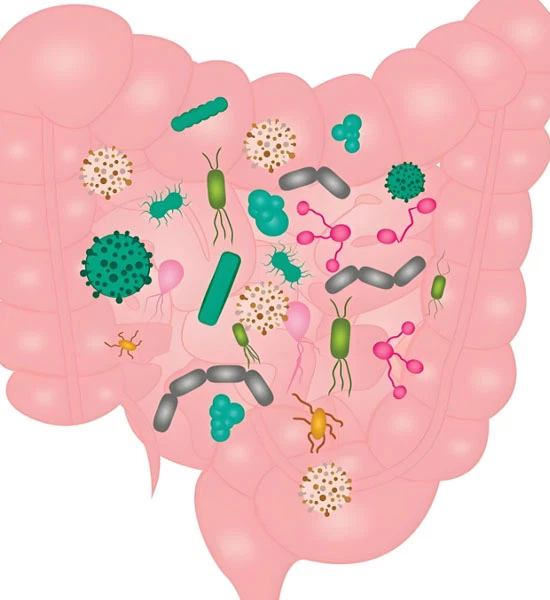

Promoting the growth of beneficial bacteria: Plecanatide can create an environment conducive to the growth of beneficial bacteria, promoting the proliferation of beneficial bacteria such as lactobacilli and bifidobacteria. These beneficial bacteria further regulate intestinal immune response and enhance intestinal barrier function by producing metabolites such as short chain fatty acids (SCFAs).
Inhibiting the growth of harmful bacteria: In contrast to beneficial bacteria, harmful bacteria such as Escherichia coli and Salmonella can produce toxins and harmful metabolites, disrupt intestinal barrier function, and trigger intestinal inflammatory reactions. Plecanatide regulates the intestinal environment, inhibits the growth of these harmful bacteria, and reduces their damage to the intestine.
Relieve intestinal pain: In functional intestinal diseases such as IBS-C, patients often experience symptoms such as abdominal pain and bloating. Plecanatide alleviates intestinal pain symptoms by activating GC-C receptors, reducing abdominal muscle contractions, and decreasing intestinal sensitivity to pain. This function helps to improve the quality of life of patients and reduce the burden of diseases.

The clinical application prospects of Plecanatide

Treatment of chronic idiopathic constipation (CIC): CIC is a common lower gastrointestinal motility disorder, which is related to colonic, anorectal motility, and psychological abnormalities. Plecanatide effectively alleviates constipation symptoms in CIC patients by increasing intestinal water secretion and promoting intestinal peristalsis. Multiple clinical trials have shown that compared to placebo, Plecanatide can significantly increase patients' spontaneous bowel movements (SBM), improve stool characteristics, and reduce the feeling of difficulty in defecation.
Treating Constipation predominant Irritable Bowel Syndrome (IBS-C): IBS-C is a subtype of irritable bowel syndrome, in which patients often experience abdominal pain and bloating in addition to constipation symptoms. Plecanatide can not only alleviate constipation symptoms in IBS-C patients, but also alleviate abdominal pain and bloating symptoms by regulating intestinal sensation. A 12 week clinical trial showed that compared to placebo, Plecanatide significantly increased the number of completely spontaneous bowel movements (CSBM) in IBS-C patients and improved abdominal pain and bloating symptoms.


Treatment of inflammatory bowel disease (IBD): Although Plecanatide was initially developed for the treatment of constipation related diseases, its potential in the treatment of intestinal inflammatory diseases is gradually being revealed. Plecanatide is expected to become a novel drug for treating IBD by regulating intestinal immune response and enhancing intestinal barrier function. At present, studies have validated the anti-inflammatory activity of Plecanatide in a mouse colitis model, providing a theoretical basis for its application in the treatment of IBD.
Preventing intestinal diseases: Plecanatide is expected to play an important role in preventing intestinal diseases by reshaping the microenvironment of the intestinal lumen. For example, by maintaining the balance of gut microbiota and enhancing intestinal barrier function, Plecanatide may help prevent the occurrence of diseases such as intestinal infections and tumors.

Frequently Asked Questions
How long does it take Trulance to produce a bowel movement?
+
-
Trulance can help provide relief from your constipation in as little as 24 hours* Remember that results can vary and relief can happen more quickly for some people than for others.
What is the use of plecanatide tablets?
+
-
Plecanatide is used to treat chronic idiopathic constipation (CIC) and irritable bowel syndrome with constipation (IBS-C). It works by increasing the fluid secretion of the bowels, which helps ease the passage of stools and relieve the symptoms of constipation.
Is weight loss a side effect of Trulance?
+
-
No, Trulance should not cause changes in your body weight, such as weight gain or weight loss. These were not side effects that people taking Trulance reported in clinical trials. However, constipation may cause bloating.
Hot Tags: plecanatide tablets, suppliers, manufacturers, factory, wholesale, buy, price, bulk, for sale