


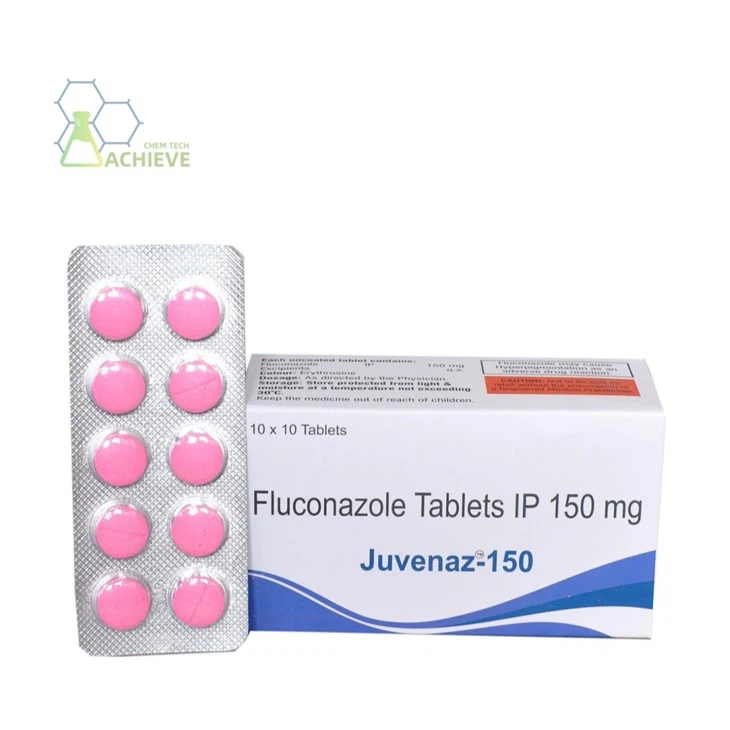


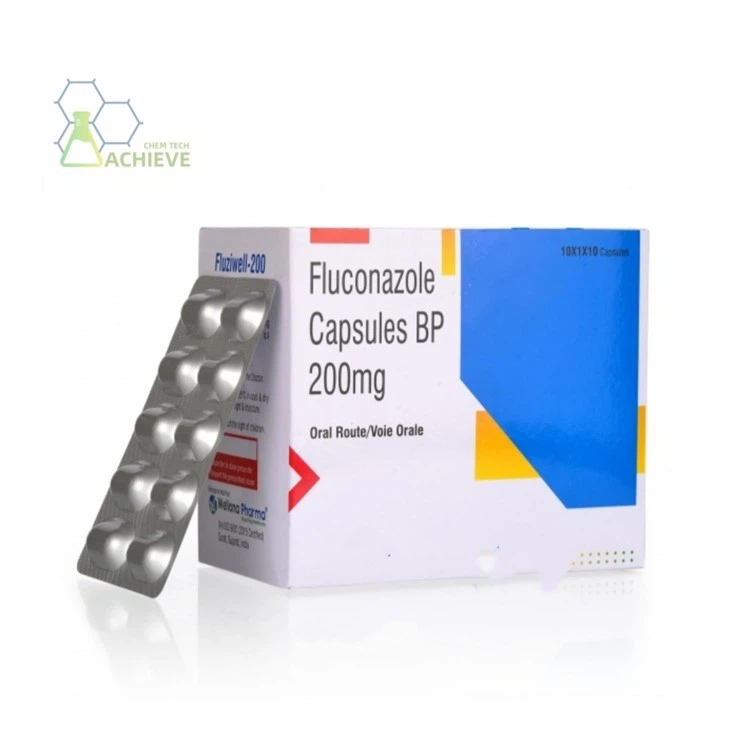
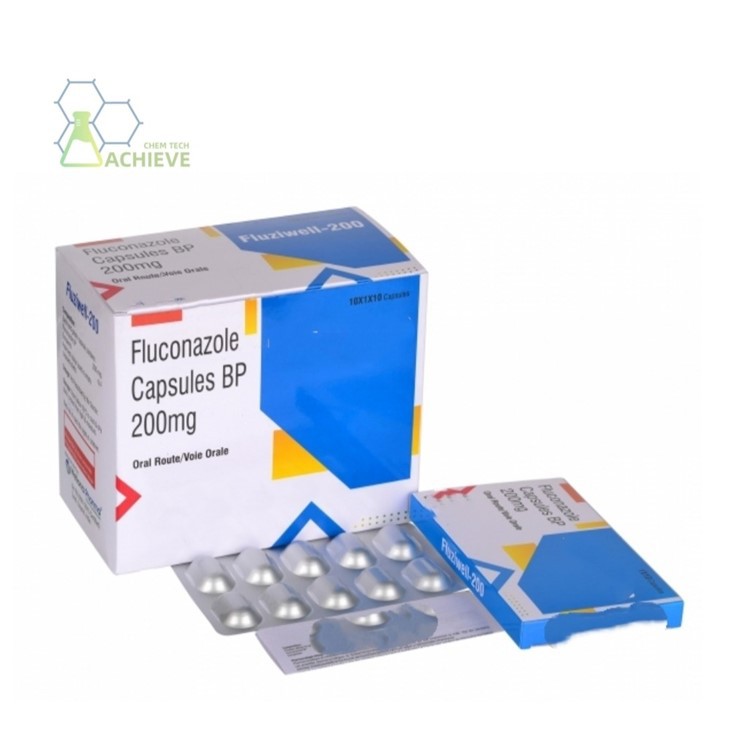

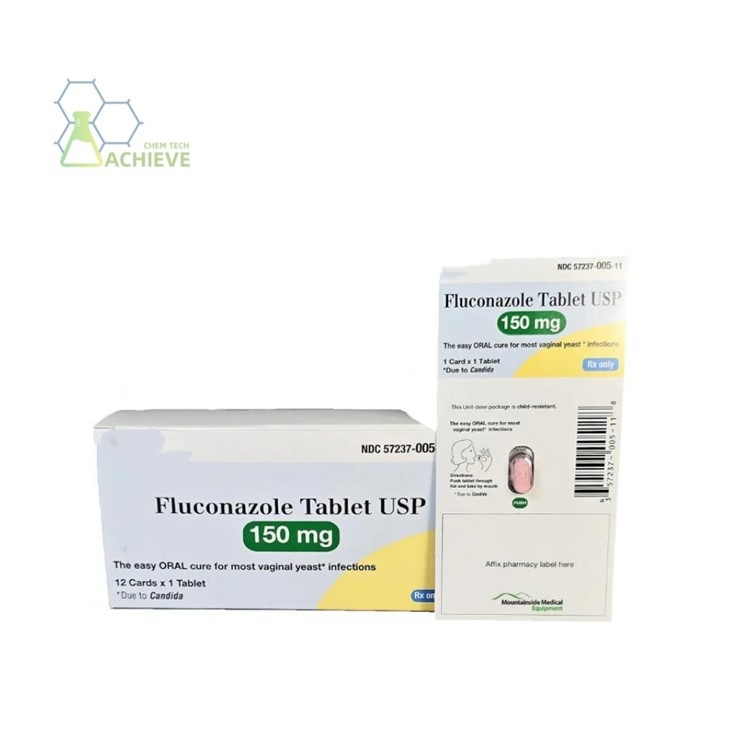

Shaanxi BLOOM Tech Co., Ltd. is one of the most experienced manufacturers and suppliers of fluconazole tablets 150mg in China. Welcome to wholesale bulk high quality fluconazole tablets 150mg for sale here from our factory. Good service and reasonable price are available.
Fluconazole tablets are a broad-spectrum triazole antifungal drug that exerts therapeutic effects by inhibiting the synthesis of ergosterol on fungal cell membranes, blocking key links in fungal growth and reproduction. Its core advantage lies in its oral bioavailability of over 90%, strong tissue penetration, and wide distribution in saliva, cerebrospinal fluid, urine, skin and mucous membranes, making it suitable for the treatment of systemic fungal infections.
In clinical applications, it is one of the preferred drugs for Candida infection. For mucosal candidiasis, such as oropharyngeal candidiasis, esophageal candidiasis, and vaginal candidiasis, a single 150mg regimen can quickly alleviate symptoms. Periodic maintenance therpy can significantly reduce the recurrence rate in patients with recurrent infections. For invasive candidiasis, such as candidemia, intra-abdominal infections, and central nervous system infections, the blood-brain barrier makes it a key drug for treating meningitis. The initial high dose (800mg) combined with subsequent dose adjustments can effectively clear bacteremia and prevent recurrence.


Additional information of chemical compound:
| Product Name | Fluconazole Gel | Fluconazole Tablet | Fluconazole Suspension | Fluconazole Injection | Fluconazole Capsule |
| Product Type | Gel | Tablets | Liquid | Injection | Capsules |
| Product Purity | ≥99% | ≥99% | ≥99% | ≥99% | ≥99% |
| Product Specifications | Customizable | Customizable | Customizable | Customizable | Customizable |
| Product Package | Customizable | Customizable | Customizable | Customizable | Customizable |
Our product form


Fluconazole +. COA
 |
||
Certificate of Analysis |
||
|
Compound name |
Fluconazole | |
|
CAS No. |
86386-73-4 | |
|
Grade |
Pharmaceutical grade | |
|
Quantity |
Customized | |
|
Packaging standard |
Customized | |
| Manufacturer | Shaanxi BLOOM TECH Co., Ltd | |
|
Lot No. |
20250109001 |
|
|
MFG |
Jan 12th 2025 |
|
|
EXP |
Jan 8th 2029 |
|
|
Structure |
|
|
| TEST STANDARD | GB/T24768-2009 Industry. Stnndard | |
|
Item |
Enterprise standard |
Analysis result |
|
Appearance |
White or almost white powder |
Conformed |
|
Water content |
≤4.5% |
0.30% |
| Loss on drying |
≤1.0% |
0.15% |
|
Heavy Metals |
Pb≤0.5ppm |
N.D. |
|
As≤0.5ppm |
N.D. | |
|
Hg≤0.5ppm |
N.D. | |
|
Cd≤0.5ppm |
N.D. | |
|
Purity (HPLC) |
≥99.0% |
99.5% |
|
Single impurity |
<0.8% |
0.48% |
|
Residue on ignition |
<0.20% |
0.064% |
|
Total microbial count |
≤750cfu/g |
80 |
|
E. Coli |
≤2MPN/g |
N.D. |
|
Salmonella |
N.D. | N.D. |
|
Ethanol (by GC) |
≤5000ppm |
400ppm |
|
Storage |
Store in a sealed, dark and dry place at-20 degrees |
|
|
|
||


Fluconazole tablets, as the first generation of triazole antifungal drugs, exert broad-spectrum antifungal effects by inhibiting the synthesis of ergosterol on fungal cell membranes, especially highly sensitive to Candida species. Its oral bioavailability is over 90%, with strong tissue penetration, and can be widely distributed in saliva, sputum, cerebrospinal fluid, urine, and dermis, making it a core drug for treating Candida infections.
1. Mucosal candidiasis
(1) Oral, pharyngeal, and esophageal candidiasis
Adult plan: 200-400mg on the first day, 100-200mg/day thereafter, with a course of 14-21 days. For HIV infected individuals or chemotherapy patients, the course of theapy should be extended until 7 days after the symptoms have completely subsided.
Children's plan: 3-6mg/kg/day, maximum dose not exceeding 400mg/day. Premature infants require halving the dosage and extending the dosing interval due to immature liver enzyme system.
Special scenario: Dental stomatitis requires joint denture disinfection therpy (such as soaking in 2% sodium bicarbonate), and patients with esophageal stenosis require endoscopic dilation combined with fluconazol theapy.
(2) Candidiasis of the reproductive system
Vaginal candidiasis: The cure rate of a single 150mg regimen is 85% -90%. For recurrent infections (≥ 4 episodes per year),


150mg once a week for 6 months of maintenance therpy can be used in combination with local vaginal medication (such as clotrimazole suppositories) to improve efficacy.
Candidal balanitis: 150mg single oral dose combined with topical antifungal cream (such as terbinafine cream), therpy course 3-5 days, sexual partners need to be treated synchronously to reduce the risk of recurrence.
Chronic atrophic oral candidiasis: 50-100mg/day, 2-4 weeks of therpy, and basic diseases such as diabetes need to be checked.
(3) Candidiasis of the urinary system
Asymptomatic candidiasis urine: 200mg/day, therpy course 7-14 days, bladder catheter-related infection needs to be ruled out.
Pyelonephritis and cystitis: 400mg/day, therpy course 2-4 weeks, combined with kidney stones, surgical stone removal is required.
Dialysis patients: Adjust the dosage based on residual renal function, and supplement 25% of the dosage after hemodialysis.
2. Invasive candidiasis
Blood flow infection (candidemia)
Initial therpy: For patients with non neutropenia, the first dose is 800mg, followed by 400mg per day; Patients with neutropenia need to combine amphotericin B liposomes (3-5mg/kg/day).
Consolidation therpy: Continue therpy for 14 days after blood culture turns negative, with a total course of therpyof ≥ 2 weeks.
Special strain: Smooth Candida infection needs to be increased to 800mg/day and the therpy course extended to 4 weeks.
intraabdominal infection
Liver and spleen candidiasis: 400mg/day combined with surgical debridement, therpy course 6-12 weeks, regular monitoring of liver ultrasound and CT is required.


Peritonitis: 200-400mg/day, therpy course 2-4 weeks, patients with concurrent abdominal drainage need local flushing (such as 2% fluconazol solution).
central nervous system infection
Meningitis: The first dose is 800mg, followed by 400-800mg/day. The cerebrospinal fluid concentration can reach 60% -80% of the plasma concentration, and the therpy course is 6-8 weeks.
Brain abscess: requires combined surgical puncture drainage, 400mg/day, course of therpy 8-12 weeks, and regular follow-up of head MRI.
bone and joint infections
Vertebral candidiasis: 400mg/day combined with laminectomy for 6-12 months, with regular monitoring of erythrocyte sedimentation rate and CRP.
Arthritis: 200-400mg/day, therpy course 4-6 weeks, stop medication after joint cavity puncture fluid culture turns negative.
1. Drug resistance mechanism
ERG11 gene mutation: causes structural changes in the target enzyme 14 α - demethylase, reducing fluconazol affinity.
Overexpression of efflux pumps: upregulation of CDR1 and MDR1 genes increases drug efflux.
Biofilm formation: Smooth Candida biofilm can increase fluconazol MIC by 32-64 times.
2. Response plan
combination therapy
Fluconazole tablets (400mg/day) combined with amphotericin B (0.5mg/kg/day) is used to treat smooth candidal meningitis.
Fluconazole (800mg/day) combined with flucytosine (25mg/kg q6h) is used to treat Candida albicans endocarditis.


Drug replacement
Echinococcin (such as a loading dose of 70mg of caspofungin followed by 50mg/day) is the preferred alternative.
Fluconazole (6mg/kg q12h loading, followed by 4mg/kg q12h) was administered to individuals co infected with Aspergillus.
surgical intervention
Candidal endocarditis requires combined valve replacement surgery, followed by continued antifungal therpy for 6 weeks postoperatively.
Surgical puncture and drainage are required for liver and spleen abscess to reduce bacterial load.
1. High risk population
hematologic malignancy
During induction chemotherapy for acute leukemia, 200mg/day can reduce the incidence of invasive fungal infections by 30%.
Recipient of allogeneic hematopoietic stem cell transplantation: 400mg/day starting 3 days before transplantation until neutrophil recovery (ANC>500/μ L).
Physical organ transplantation
200mg/day after liver transplantation, with a prevention period of 3-6 months.
Kidney transplant patients can be downgraded to 100mg/day and blood drug concentration needs to be monitored.
ICU patients
For those who receive mechanical ventilation for more than 7 days and have an APACHE II score of more than 20 points, 200mg/day is recommended to prevent VAP related candidiasis.
Severe burn patients (TBSA>30%) require combined prevention with echinocandins.


2. Plan optimization
Dose adjustment
Obese patients (BMI>30) should calculate their dosage based on their ideal body weight to avoid drug accumulation.
Patients with liver failure need to extend the dosing interval to once every 48 hours.
Course management
Prevention of recurrence of cryptococcal meningitis in HIV patients: 200mg/day lifelong maintenance, CD4+T cell count>200/μ L for 6 months, and viral load<50 copies/mL can be discontinued.
Recurrent vaginal candidiasis: 150mg once a week for 6 months, combined with vaginal probiotics (such as lactobacillus suppositories) can improve the cure rate.
Drug sensitivity test: Candida drug sensitivity test should be performed before therpy to guide precise medication.
Therapeutic drug monitoring (TDM): Severely infected individuals need to monitor their blood drug concentration, with a target trough concentration>10mg/L.
Adverse reaction management: Hepatotoxicity (ALT>3 times ULN) requires immediate discontinuation of medication and detoxification with N-acetylcysteine; Allergic reaction (Stevens Johnson syndrome) requires permanent discontinuation of medication and transfer to ICU for therpy.
Multidisciplinary collaboration: Complex infections require the joint development of infection, surgery, and imaging departments to develop a plan, such as candidal endocarditis requiring the participation of cardiac surgery, cardiology, and microbiology departments.

Fluconazole tablets, as the cornerstone drug for the therpy of Candida infections, require comprehensive consideration of the site of infection, host factors, and resistance risks for their rational use. By precise dose adjustment, close monitoring of adverse reactions, and timely handling of drug interactions, clinical benefits can be maximized and therpy risks can be reduced. In the future, with the development of nanomedicine and in-depth pharmacokinetic research, its clinical application scope is expected to further expand.
The ecological niche of gut microbiota and the 'non selective' impact of Fluconazole tablets
As one of the most complex ecosystems in the human body, the gut microbiome is composed of bacteria, fungi, viruses, and archaea. Although the fungal group accounts for only 0.1% -1% of the total microbial population, it plays a crucial role in energy metabolism, immune regulation, and disease occurrence. Fluconazole, as a third-generation triazole antifungal drug, exerts broad-spectrum antifungal effects by inhibiting fungal cell membrane synthesis. However, its "non selective" properties may have a profound impact on the gut fungal niche.
Ecological niche characteristics of gut fungal community: dynamic balance of space, nutrition, and interaction
Spatial niche: hierarchical distribution and physical barriers
The distribution of intestinal fungi exhibits significant regional specificity. The small intestine is mainly composed of Candida species (such as Candida albicans) due to high oxygen concentration, abundant antimicrobial peptides (such as defense factors), and low fungal density; The colon, on the other hand, becomes the main site for fungal colonization due to a decrease in oxygen gradient and thickening of the mucus layer. The phyla Bacteroidetes and Firmicutes form a complex symbiotic network with fungi. For example, the cecum and colon folds are rich in mucus, providing an ecological niche for mucin degrading bacteria such as Akkermansia muciniphila, while attracting fungi such as Cryptococcus to obtain nutrients by secreting proteases to break down mucus.
Case support:
Laser microdissection technology shows that the abundance of fungi in the colonic crypts of mice is 3-5 times higher than that in digestive products, and is significantly positively correlated with the phyla Bacteroidetes and Firmicutes.
In human colon biopsy samples, there is a synergistic metabolic relationship between mucosal associated fungal communities (such as Malassezia) and bacterial communities (such as Actinobacteria), which jointly regulate host immune responses.
Nutritional niche: competition for carbon sources and metabolic interactions
Intestinal fungi and bacteria form a dynamic equilibrium through competition for carbon sources and exchange of metabolites. For example, Candida albicans can rapidly proliferate using simple carbon sources such as glucose and lactose, while Cryptococcus relies on complex polysaccharides (such as fucoidan in mucus) as an energy source. In addition, fungi regulate intestinal pH and affect bacterial community structure by secreting organic acids such as acetic acid and propionic acid; Bacteria produce short chain fatty acids (SCFAs) by decomposing dietary fiber, which inhibits fungal overgrowth.
Case support
In the experiment on Aedes albopictus larvae, fluconazole treatment resulted in a 50% reduction in intestinal fungi (such as Cryptococcus) and a 40% increase in bacteria (such as Bacteroidetes), indicating a nutritional competition between fungi and bacteria.
After transplanting normal gut microbiota from larvae to the fluconazole treatment group, the survival rate of larvae increased from 52% to 79%, indicating the crucial role of fungal bacterial interaction in host health.
Immune niche: dual regulation of tolerance and inflammation
Intestinal fungi maintain immune tolerance by interacting with host immune cells such as dendritic cells and Treg cells through pattern recognition receptors (PRRs). For example, β - glucan from Candida albicans can activate the Dectin-1 receptor, induce IL-10 secretion, and inhibit excessive inflammation; The capsule polysaccharides of Cryptococcus promote Treg cell differentiation and enhance immune tolerance through the TLR4 signaling pathway. However, fungal ecological niche imbalance (such as excessive proliferation or loss) may trigger inflammatory responses, leading to inflammatory bowel disease (IBD) or allergic diseases.
Case support:
The abundance of Candida albicans in the intestines of IBD patients is significantly increased, and its secreted aspartic protease can disrupt the intestinal epithelial barrier, promote bacterial translocation, and release inflammatory factors.
In a mouse model of antibiotic induced dysbiosis, supplementation with brewing yeast can restore the proportion of Treg cells and alleviate symptoms of colitis, indicating the regulatory effect of fungi on immune homeostasis.
Non selective Strike of Fluconazole: Mechanism, Scope, and Consequences
Mechanism of action: "Precision" and "Non precision" targeting of fungal cell membranes
Fluconazole inhibits the 14 α - demethylation activity of fungal cytochrome P450 enzyme (CYP51), blocking ergosterol synthesis, leading to increased cell membrane permeability and bacterial death. Although its original design intention was to "precisely" target fungi, the following factors lead to "non selective" effects:
Enzyme homology
The structural similarity between human CYP51 and fungal CYP51 is 40%. Fluconazole can inhibit human CYP3A4 enzyme at high doses (>400mg/day), affecting hormone metabolism (such as testosterone and estrogen), leading to sexual dysfunction or menstrual disorders.
Ecological niche overlap
Intestinal fungi and bacteria share metabolic pathways (such as competition for iron ions), and fluconazole induced fungal reduction may indirectly alter bacterial community structure, such as promoting the proliferation of opportunistic pathogens (such as Enterobacteriaceae).
Strike range: "indiscriminate" inhibition from pathogenic bacteria to symbiotic bacteria
Fluconazole has broad-spectrum activity against various fungi, including Candida, Cryptococcus, Aspergillus, etc., but its "non selectivity" is reflected in:
Low concentration effect
In vitro experiments, the minimum inhibitory concentration (MIC) of fluconazole against Candida albicans was 0.125-0.5 μ g/mL, but the MIC against non pathogenic Cryptococcus was only 0.06-0.125 μ g/mL, indicating that it may inhibit symbiotic fungi.
Long term drug use impact
After long-term use of fluconazole (>6 months) in AIDS patients, the colonization rate of intestinal Candida albicans decreased from 75% to 30%, but the abundance of non pathogenic Malassezia decreased by 50% synchronously, suggesting that the symbiotic fungal community was destroyed.
Ecological consequences: from dysbiosis to disease risk
The "non selective" strike of fluconazole may trigger the following ecological cascade reactions:
Microbial dysbiosis
A decrease in fungi leads to excessive bacterial growth, such as a 3-fold increase in the risk of Clostridium difficile infection (OR=3.2, 95% CI 1.8-5.6), as the organic acids secreted by fungi can inhibit the germination of Clostridium difficile spores.
Metabolic disorders
Fungi are involved in bile acid metabolism (such as 7 α - dehydroxylation), and their absence may lead to a decrease in secondary bile acids (such as deoxycholic acid), affecting lipid absorption and energy metabolism.
Immune imbalance
Loss of symbiotic fungi may weaken Treg cell function and increase the risk of autoimmune diseases. For example, the abundance of Candida albicans in the gut of patients with systemic lupus erythematosus is negatively correlated with disease activity (r=-0.62, p<0.01).
Hot Tags: fluconazole tablets 150mg, suppliers, manufacturers, factory, wholesale, buy, price, bulk, for sale