



Shaanxi BLOOM Tech Co., Ltd. is one of the most experienced manufacturers and suppliers of l-methionine powder cas 63-68-3 in China. Welcome to wholesale bulk high quality l-methionine powder cas 63-68-3 for sale here from our factory. Good service and reasonable price are available.
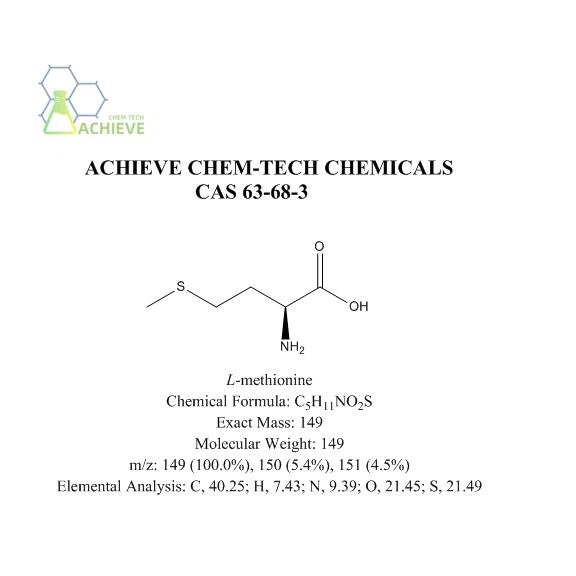
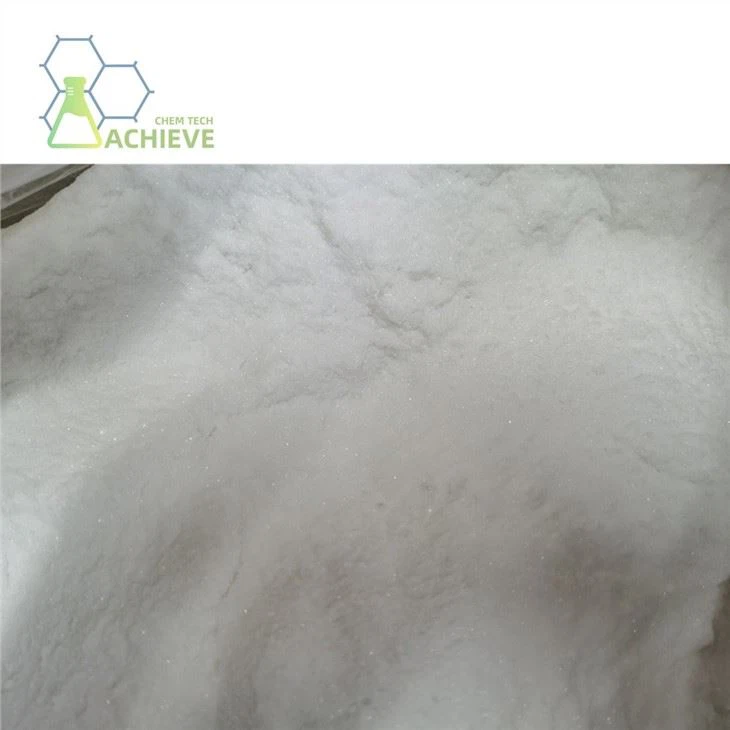
L-methionine powder is also known as methionine, and its chemical name is 2-amino-4-methylmercaptobutyric acid. The scientific name of L-methionine is methionine. Is one of the essential amino acids. White flake crystal or crystalline powder with special smell. Soluble in water, dilute acid and alkali, slightly soluble in 95chemicalbook% ethanol, insoluble in ether. L-methionine (levorotator) melting point 280 ~ 281 ℃ (decomposition). Soluble in water and hot dilute alcohol. Insoluble in absolute ethanol, ether, petroleum ether, benzene and acetone. D-methionine (dextral) melting point 273 ℃ (decomposition). Soluble in water, dilute acid and alkali, slightly soluble in alcohol, insoluble in ether. Methionine is an essential amino acid, which has important nutritional value for human body.

Methionine maintains the growth and development of the body and nitrogen balance, and plays a certain role in the synthesis of choline from adrenaline and liver fat in medicine; Methionine can promote intrahepatic fat metabolism and is used in the prevention and treatment of chronic hepatitis, cirrhosis and fatty liver; Methionine can be used in the adjuvant treatment of sulfonamides, arsenic or benzene poisoning, and also as a cholagogic. In the feed industry, methionine is one of the most important amino acids necessary for livestock and poultry to synthesize animal protein. It is a fortifier of protein feed and a nutritional additive to make up for the balance of amino acids. Since methionine cannot be synthesized in animals, it needs to be ingested from food, so it is added to feed. In addition, methionine is also a good antioxidant. The sulfur atom in methionine molecule can scavenge free radicals.
|
Chemical Formula |
C5H11NO2S |
|
Exact Mass |
234 |
|
Molecular Weight |
236 |
|
m/z |
149 (100.0%), 150 (5.4%), 151 (4.5%) |
|
Elemental Analysis |
C, 40.25; H, 7.43; N, 9.39; O, 21.45; S, 21.49 |
|
|
|
|


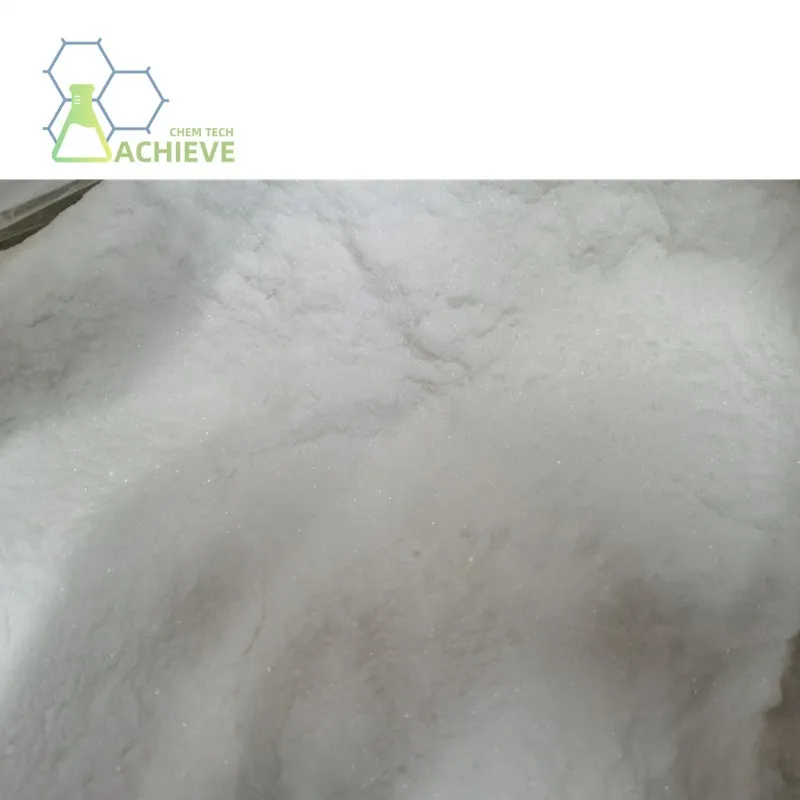
Melting point 83-87 ° C (lit.), Boiling point 219 ° C (lit.), Density 1.841 g/ml at 25 ° C (lit.), Vapor pressure 0.134 at 35 ° C (hine et al., 1963), Refractive index 1.5742, Flash point 219-220 ° C, Storage condition insert atmosphere, room temperature, Solubility in alcohol, benzene, chloroform, toluene and carbon tetrachloride Insoluble in ether., Morphology crystals, Colorless to almost white, Practically soluble, Maximum wavelength( λ max)282nm(EtOH)(lit.), BRN 1904543, Henry's Law Constant5.0 x 10-4 atm? m3/mol at 25 °C (Hine and Mookerjee, 1975), Stable Combustible. Incompatible with strong oxidizing agents., InChIKeySWJPEBQEEAHIGZ-UHFFFAOYSA-N.

Methionine, also known as methionine, is an important amino acid variety with wide applications in the feed industry. As an essential amino acid for livestock, ruminants, aquatic animals, and pets, it plays a key role in promoting animal growth, improving production performance, enhancing immunity, protecting the liver, and detoxification.
Promote growth and improve production performance

Participate in protein synthesis:
L-methionine powder is the starting amino acid for protein translation in all eukaryotic organisms and is crucial for protein synthesis. The protein in animal products comes from the protein in feed. When there is a lack of methionine in feed, protein synthesis is hindered, leading to delayed growth and poor development of animals. Adding an appropriate amount of methionine tolivestock and poultry feed can compensate for the lack of amino acids in the feed, promote protein synthesis, thereby accelerating animal growth and improving production performance.
For example, adding an appropriate amount of methionine to the feed of laying hens can effectively improve their production performance, promote poultry egg production, and improve egg quality. Adding methionine to broiler feed can increase daily weight gain and feed conversion rate, and shorten the feeding cycle.


Provide active methyl:
Methionine can provide active methyl groups for animals to synthesize methyl compounds such as choline, keratin, and nucleic acids. These methyl compounds play important roles in the growth and metabolic processes of animals. For example, choline is an important component of cell membranes and is crucial for the normal function of the nervous system; Nucleic acid is the carrier of genetic information and participates in cell division and proliferation. By providing active methyl groups, methionine promotes the synthesis of these important substances, which is beneficial for animal growth and development.
Promote cell proliferation:
Methionine can also provide active hydroxyl groups, partially supplementing the effects of choline or vitamin B12, promoting cell proliferation and animal growth. During the growth process of animals, cell proliferation and differentiation are the basis for tissue and organ formation and development. Methionine provides the necessary material basis for animal growth by promoting cell proliferation, which helps to improve animal productivity.

Enhance animal immunity

Affects immune function:
The levels of protein and amino acids in the diet affect the immune function of animals. As one of the essential amino acids, methionine has a positive impact on animal immune function. Increasing the methionine content in the diet significantly increases the antibody titers, immunoglobulins, and lymphocyte transformation rates in the body's serum. Antibodies are important substances for the body's immune system to recognize and eliminate foreign pathogens. Immunoglobulin has functions such as neutralizing toxins and activating complement. The lymphocyte transformation rate reflects the body's cellular immune function.
By improving these immune indicators, methionine enhances the immune function of animals and increases their resistance to diseases.
Promote nutrient absorption:
Methionine can promote the absorption of other nutrients in livestock and ruminant animals. When animals consume sufficient amounts of methionine, their digestive system function improves, allowing them to better absorb and utilize nutrients in feed such as protein, fat, carbohydrates, vitamins, and minerals. These nutrients are necessary for animals to maintain their life activities and growth and development. Adequate nutrient supply can help improve their resistance and reduce mortality rates.


Liver protection effect
Participate in liver metabolism:
Methionine is beneficial for protecting the liver during the body's metabolic process. It participates in the metabolism of phospholipids in the liver, helping to maintain the integrity and stability of liver cell membranes. Methionine can also be converted into S-adenosylmethionine (SAM) through demethylation, which is an important active methyl donor and plays a role in various biosynthetic pathways, including detoxification processes in the liver.
Preventing fatty liver:
If the intake of methionine in the body is too low, the urea and non protein nitrogen in the blood will increase, and fat will easily deposit in the liver, leading to the occurrence of fatty liver. Fatty liver can affect the normal function of the liver, and in severe cases, it can even lead to cirrhosis and some liver tumors. Adding an appropriate amount of methionine to feed can ensure the normal metabolic function of the liver, prevent fat deposition in the liver, and protect liver health.


Protect liver and detoxify:
The conversion of methionine to cysteine has a hepatoprotective and detoxifying effect. Cysteine can generate glutathione, which is an important antioxidant and detoxifier. It can form complexes with harmful substances such as metal ions and be excreted from urine, thereby reducing the damage of toxins to the liver and alleviating symptoms of poisoning.
Detoxification effect
Combined with mycotoxins:
Aflatoxin is a metabolite of Aspergillus flavus, which has the effects of inducing mutations, inhibiting immunity, and causing cancer. When livestock and poultry consume high doses of aflatoxin, it often causes acute poisoning symptoms, which can lead to death in severe cases. Methionine can bind with mycotoxins in feed, reducing their toxicity. By binding with mycotoxins, methionine reduces the absorption and toxic effects of mycotoxins in animals, protecting their health.


Inhibit fungal growth:
Methionine also has an inhibitory effect on mold. Adding methionine to feed can prevent or control the decomposition of mold in feed nutrients, reducing the production of fungal toxins. This helps to maintain the quality and nutritional value of the feed, avoiding animal poisoning and decreased growth performance caused by feed mold.
Improve amino acid balance:
Amino acid additives in aquatic feed mainly refer to restrictive amino acids that cannot be synthesized by aquatic animal bodies, such as lysine, methionine, etc. Most plant-based protein feed lacks lysine and methionine, which can lead to restrictive amino acid deficiencies when using large amounts of plant-based protein feed.


In compound feed lacking lysine and methionine, supplementing with synthetic lysine and methionine to the level required by aquatic animals can enhance the nutritional value of feed protein, improve the balance of amino acids, and make the amino acids and proteins in the feed have the highest nutritional value, thereby improving the digestion and utilization rate of feed protein. For example, adding a certain amount of lysine and methionine to the feed can reduce the crude protein content by more than 2% without affecting the feeding effect.
Promote the growth and development of fish:
Methionine is the only sulfur-containing amino acid among essential amino acids, involved in the transfer of methyl groups and the synthesis of adrenaline, choline, inositol in aquatic animals, as well as the metabolism of phospholipids in the liver. It can promote the growth of aquatic animals and prevent the occurrence of diseases such as fatty liver and hepatitis. Research has found that adding an appropriate amount of methionine to fish feed can increase the growth rate and survival rate of fish, and improve their muscle quality.


Has a food attractant effect:
Amino acids also have a feeding effect on fish. Adding glycine and alanine to fish feed not only supplements nitrogen sources, but also has a special effect on attracting fish populations. Numerous studies have shown that L-amino acids are effective attractants for the feeding behavior of fish and shrimp populations. The main type of amino acids that have feeding activity for fish and crustaceans are L-type amino acids, and different amino acids have different feeding activities for the same fish species. The same amino acid also has different feeding activities for different fish species and individuals of different sizes. DL methionine, as an amino acid additive, may also have a feeding effect on fish to some extent, increasing their feed intake.
Improve disease resistance:
Amino acids can also enhance the disease resistance of aquatic animals, such as tryptophan, which can increase the content of gamma globulin in fish. Although there is relatively little research directly on how methionine enhances the disease resistance of aquatic animals, considering its various physiological functions in animals, such as participating in immune regulation and providing nutritional support, L-methionine powder may also contribute to improving the disease resistance of aquatic animals to some extent. Strengthening nutrition and reducing the occurrence of diseases have important practical significance for protecting the ecological environment and enhancing the production of green food.


Participate in energy metabolism:
Methionine is an essential amino acid for pets and is closely related to the metabolism of sulfur-containing compounds in the body. It participates in the energy metabolism process of pets and provides energy for their life activities. For young pets in the growth stage, methionine is particularly important as it can promote their development and growth, ensuring their normal physiological functions and growth.
Promote reproductive function and lipid metabolism:
As an antioxidant, methionine can promote the reproductive function and lipid metabolism of pets. Adequate supply of methionine during pet breeding can help improve reproductive performance and ensure the health of offspring. At the same time, it can also regulate the lipid metabolism of pets, maintain the normal level of fat in their bodies, and prevent the occurrence of obesity and other related diseases.


Synthetic L-methionine powder: first acetylate DL Methionine to produce N-Acetyl-DL methionine, then dissolve the acetylated product containing N-Acetyl-DL methionine and some non acetylated DL Methionine in absolute ethanol to dissolve N-Acetyl-DL methionine in absolute ethanol, so as to separate N-Acetyl-DL methionine from non acetylated DL Methionine, and then extract N-Acetyl-DL methionine dissolved in absolute ethanol to produce L-methionine through enzymatic hydrolysis, Then, the enzymolysis product containing L-methionine and some UN enzymolysis N-Acetyl-DL methionine is mixed with ethanol solution to dissolve N-Acetyl-DL methionine in the enzymolysis product in ethanol solution, so that L-methionine and N-Acetyl-DL methionine are separated to obtain purified L-methionine.

Methionine is a sulfur-containing nonpolar aliphatic amino acid, also known as methionine. It is one of the essential amino acids for human body, abbreviated as met and m. Essential amino acids for sugar production. It was isolated from casein in 1922. It is the only amino acid with sulfur ether structure. There are l-bodies and DL chemicalbook bodies. Natural products are L-body. The relative molecular weight is 149.21. It has a special smell. Slightly sweet. Air and thermal stability. L-methionine can be hydrolyzed from many proteins or prepared by fermentation. DL Methionine is synthesized by chemical method through the following reactions, and the relevant reaction equations are as follows.
FAQ
What does L-methionine supplement do?
L-methionine is an essential sulfur-containing amino acid crucial for protein synthesis, detoxification, and metabolism. Key benefits include supporting liver health by reducing fat buildup, promoting skin, hair, and nail health, acting as an antioxidant, assisting in heavy metal detoxification, and aiding in the production of SAMe, which supports joint and mental health.
Who should not take methionine?
People with bipolar disorder should not take methionine supplements. Women who are pregnant or breastfeeding shouldn't use methionine supplements. Toxicity of methionine is rare. People with homocystinuria type I, an inherited disease, shouldn't use methionine supplements.
Is L-methionine good for sleep?
L-methionine is an essential amino acid that may indirectly support better sleep by aiding in the production of calming compounds, neurotransmitter balance, and melatonin. While some anecdotal reports suggest improved sleep, scientific evidence is mixed, with some studies indicating potential sleep cycle disturbances at high doses. It is primarily found in protein-rich foods.
Is L-methionine good for hair loss?
L-Methionine also works as an antioxidant. Oxidative stress can harm hair follicles and may lead to hair loss. The antioxidant work of L-Methionine helps protect hair. It makes the hair growth cycle more stable.
Hot Tags: l-methionine powder cas 63-68-3, suppliers, manufacturers, factory, wholesale, buy, price, bulk, for sale, Pamoic acid, Pure Talc Powder CAS 14807 96 6, Ethyl Pyruvate, Sucrose Powder CAS 57 50 1, Hinokitiol powder, Sodium Polyacrylate Solution CAS 9003 04 7