




Methyl dihydrojasmonate (MD), molecular formula C13H22O3, CAS 24851-98-7, is a colorless or light yellow transparent liquid with fresh jasmine fragrance, which makes it an important component in the perfume and perfume industry. Its fragrance is described as a mixture of jasmine and orange, gentle, warm, and sweet. Almost insoluble in water, but easily soluble in ethanol and oil solvents. This solubility property makes it easy to mix with other ingredients in the cosmetics and food industries, and also facilitates blending and processing during the manufacturing process. It is the most popular and popular synthetic fragrance among perfumers. In the past, it was mainly used in advanced perfume formulations due to price reasons, but now it is widely used in cosmetics essence formulations. Its chemical properties are relatively stable, and it has the advantage of not changing color. It is often used in the formulation of jasmine, lily of the valley, tuberose and oriental essence, and can make essence produce elegant and realistic natural flower like fragrance. Used for cosmetics; It can also be used for food.

|
|
|


|
Chemical Formula |
C13H22O3 |
|
Exact Mass |
226.16 |
|
Molecular Weight |
226.32 |
|
m/z |
226.16 (100.0%), 227.16 (14.1%) |
|
Elemental Analysis |
C, 68.99; H, 9.80; O, 21.21 |

Dihydrojasmonate methyl ester has a rich sweet floral aroma, with a hint of fruity and jasmine floral notes, while blending with fresh and soft lemon like fruit aromas. Its aroma is light, elegant, translucent, rich, and long-lasting, making it one of the favored synthetic fragrances by perfumers. In addition, methyl dihydrojasmonate is insoluble in water but soluble in organic solvents such as ethanol, making it easy to mix and apply in various formulations. As an important synthetic perfume, it plays a pivotal role in the perfume, essence and perfume industry due to its unique jasmine fragrance and wide applicability.
Application in the spice industry
In the spice industry, dihydrojasmonate methyl ester is widely used to blend artificial jasmine oil and other floral fragrances due to its unique aroma characteristics and chemical stability. Its aroma is fresh and elegant, which can not only be used to mix single spices, but also as an enhancer to enhance the overall quality of spices.
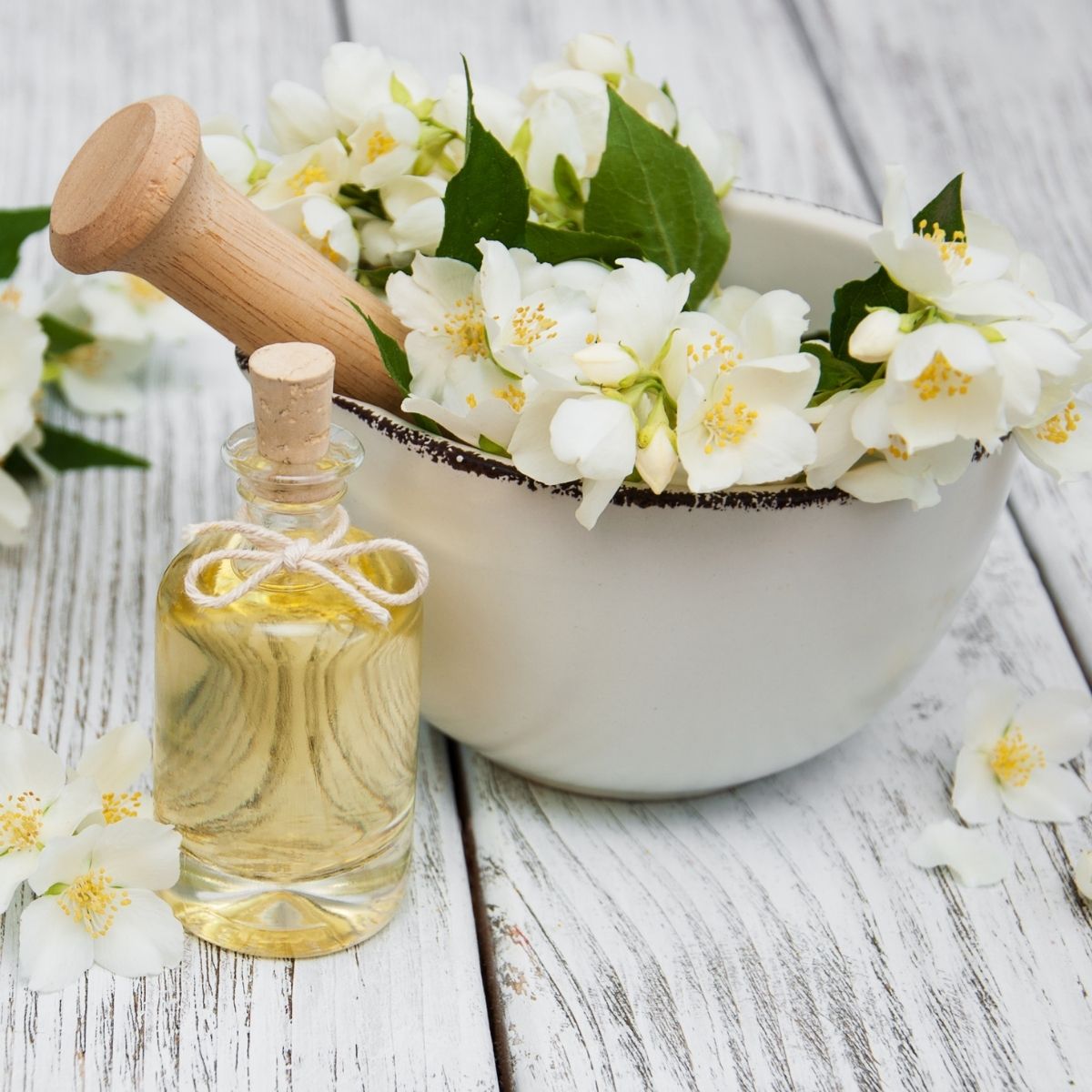
Preparation of Artificial Jasmine Oil
Dihydrojasmonate methyl ester is one of the important raw materials for blending artificial jasmine oil. By carefully proportioning with other spice ingredients such as ionone and lily of the valley aldehyde, the aroma of natural jasmine can be simulated, providing high-quality and low-cost artificial jasmine oil products for the spice industry.
A coordinating agent for floral fragrances
When blending floral fragrances, dihydrojasmonate methyl este can be used as a coordinating agent to balance the aroma differences between different fragrances, making the overall aroma more harmonious and unified. Its aroma is soft yet rich, which can enhance the quality and attractiveness of floral fragrances.


Additives for food flavorings
Dihydrojasmonate methyl este can not only be used to prepare essence, but also be used as an additive of food flavor to enhance the aroma and taste of food. In sweet foods such as candies, cookies, bread, cakes, etc., the addition of methyl dihydrojasmonate can make the aroma of the food more intense and the taste more tempting.
Application in essence industry
Dihydrojasmonate methyl este is also widely used in essence industry. It can not only be used as a single spice, but also be used together with other spices to enhance and adjust the aroma and taste of essence.

The main fragrance material of jasmine series essence
Dihydrojasmonate methyl este is one of the main fragrance ingredients of jasmine series essence. Its rich and lasting fragrance can endow essence with unique jasmine fragrance, making essence more realistic and natural. When preparing jasmine, lily of the valley, tuberose and other floral essence, the amount of dihydrojasmonate methyl este is often more than 20%, which is an indispensable fragrance raw material.
Preparation of Oriental essence
Oriental essence is famous for its mysterious and rich aroma. When preparing oriental essence, dihydrojasmonate methyl este can be used as one of the important fragrance materials, together with other spices (such as musk, amber, etc.) to create a unique oriental flavor atmosphere.


Synergists for other types of essence
In addition to jasmine series and oriental essence, dihydrojasmonate methyl este can also be used as synergist for other types of essence. When blending fruit flavor, grass flavor and other essence, appropriate addition of methyl dihydrojasmonate can improve the aroma quality and sense of hierarchy of essence.
Application in perfume industry
In the perfume industry, the application of methyl dihydrojasmonate is even more indispensable. It is not only one of the main fragrance ingredients of many famous perfume, but also favored by perfumers because of its lasting fragrance and long lasting fragrance.
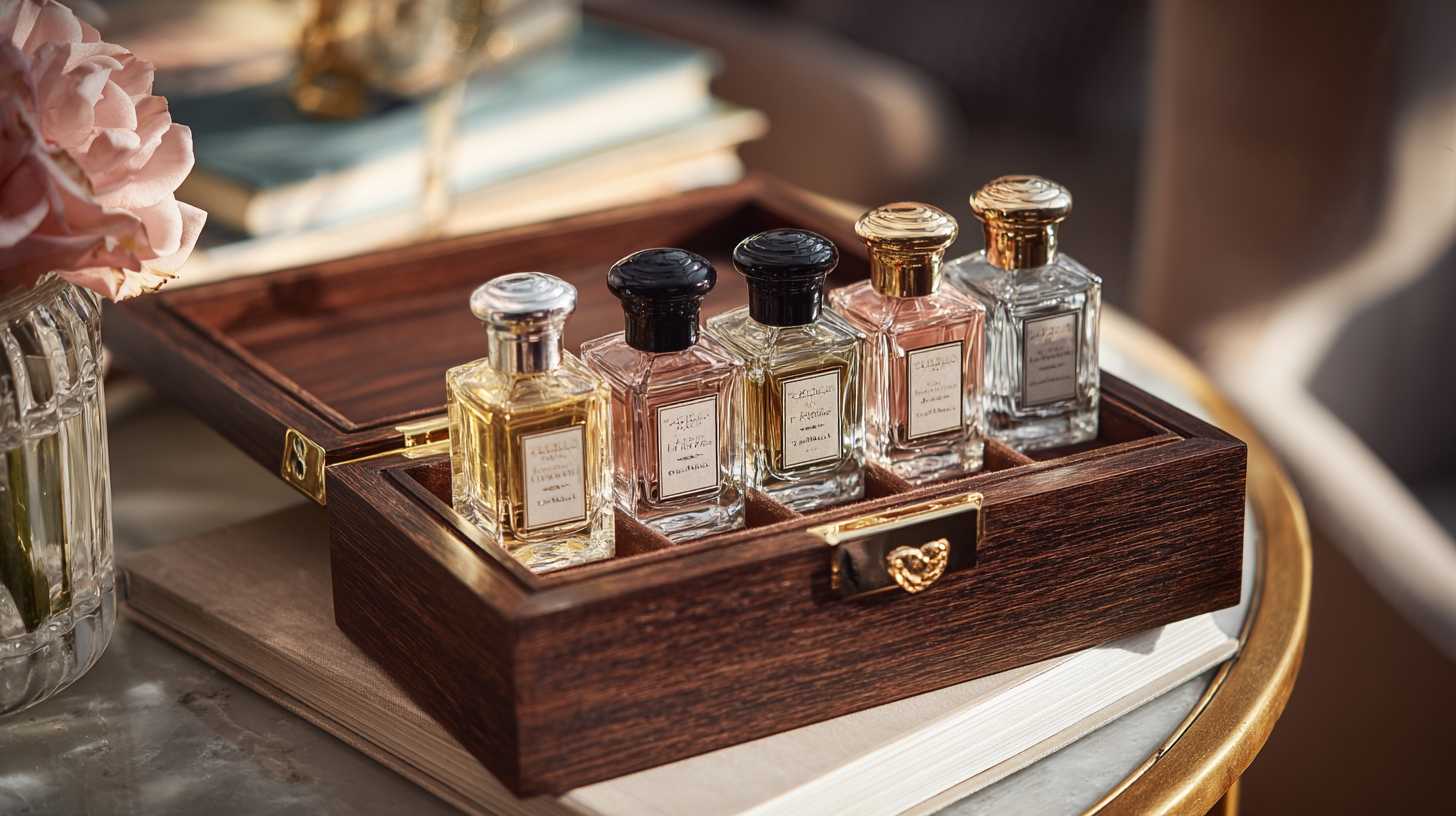
Main fragrance materials of famous perfume
Dihydrojasmonate methyl este is widely used in various famous perfume. For example, in Dior's classic men's perfume "Eau Sauvage", methyl dihydrojasmonate is one of the main fragrance ingredients. In addition, methyl dihydrojasmonate was also found in men's perfume of "CK One", "Invictus" and other brands. These perfume are loved by consumers because of their unique fragrance and lasting fragrance retention time.
Key ingredients for improving the quality of perfume
When preparing perfume, the addition of dihydrojasmonate methyl este can improve the quality of perfume. Its rich and lasting fragrance can endow perfume with unique aroma characteristics and sense of hierarchy. At the same time, the addition of methyl dihydrojasmonate can also make perfume more stable and extend its shelf life.


Preparation of personalized perfume
With the increasing demand of consumers for personalized perfume, perfumers began to try to combine dihydrojasmonate methyl este with other perfumes creatively to produce personalized perfume with unique styles. These perfume not only have unique and lasting fragrance, but also can meet consumers' pursuit of personalization.

Starting from 2-pentyl-2-cyclopenten-1-one, it is condensed with diethyl malonate under the action of a catalyst, and then hydrolyzed, decarboxylated, and esterified at 160-180 ℃ to obtain methyl dihydrojasmonate.
Synthesis steps and chemical equations:
Under the action of a catalyst, 2-pentyl-2-cyclopenten-1-one undergoes a condensation reaction with diethyl malonate, producing a condensation product.
C10H16O+C7H12O4 −>[catalyst] condensation product+H2O
This reaction is usually carried out in a suitable solvent, such as ethanol or ether, to improve reaction efficiency and product purity. Catalysts can be alkaline, such as sodium hydroxide or sodium ethoxide, to promote the condensation reaction.
The condensation product undergoes hydrolysis reaction at a temperature of 160-180 ℃, decomposing into corresponding acid and ester compounds.
Condensation product+H2O ->[160 ° C to 80 ° C] hydrolysis product 1+hydrolysis product 2
Hydrolysis reaction is a reversible reaction, so it is necessary to control the reaction temperature and time to improve the yield and purity of hydrolysis products.
Hydrolysis product 1 (usually an acidic compound) undergoes decarboxylation reaction under heating conditions, producing corresponding olefin compounds and carbon dioxide.
Hydrolysis product 1->[Heating] olefin compound+CO2
Decarboxylation reaction is an elimination reaction that forms an olefin structure by removing hydrogen and oxygen atoms between the hydroxyl (- OH) and carbonyl (C=O) groups in the carboxyl group (COOH).
Under the action of acidic catalyst, olefin compounds undergo esterification reaction with methanol to produce dihydrojasmonate methyl este and water.
Olefin compound+CH3OH −>[acidic catalyst] Dihydrojasmonate methyl ester+H2O
Esterification reaction is a typical acid catalyzed reaction that connects olefin compounds with methanol by forming ester bonds (COOCH3). Acidic catalysts such as sulfuric acid or hydrochloric acid can promote the esterification reaction.
synthesis methods
Dihydrojasmonate methyl ester, as a compound that occupies an important position in the fragrance, cosmetics, and food industries, provides multiple choices for industrial production due to the diversity of its synthesis routes. In addition to the one detailed above, there are several main synthesis methods, each of which demonstrates different chemical reaction pathways and process characteristics.
Synthesis route based on 2-pentyl-2-cyclopenten-1-one
Route 1: Cyanaminomethyl formate reaction method
Another synthesis method using 2-pentyl-2-cyclopenten-1-one as raw material is to react with methyl cyanamide. In this reaction, the ketone group of 2-pentyl-2-cyclopenten-1-one undergoes an addition reaction with the cyanide group of methyl cyanurate, producing the corresponding nitrile compound. Subsequently, the nitrile group is converted to a carboxyl group through an oxidation reaction, forming an acidic intermediate. Finally, the acid intermediate is esterified with methanol through an esterification reaction to obtain dihydrojasmonate methyl este. The characteristic of this route is that the reaction steps are relatively simple, but may require the use of special catalysts and reaction conditions.
Synthesis route based on resorcinol
Route 2: Reaction method of cyclohexanedione and bromopentane
The synthetic route using resorcinol as the raw material demonstrates a different synthesis strategy. Firstly, resorcinol undergoes catalytic hydrogenation reaction under the action of a catalyst to produce cyclohexanone. Subsequently, cyclohexanedione undergoes a substitution reaction with bromopentane to produce 2-pentyl-1,3-cyclohexanedione. Next, 2-pentyl-1,3-cyclohexanedione undergoes an oxidation reaction under the action of sodium hypochlorite, producing 2-pentyl-2-cyclopentenone. In this step, sodium hypochlorite acts as an oxidant and cyclizer, causing rearrangement and cyclization of the carbon chain of cyclohexanone. Finally, following the condensation method of dimethyl malonate in route one, 2-pentyl-2-cyclopentenone was condensed, hydrolyzed, decarboxylated, and esterified with dimethyl malonate to obtain methyl dihydrojasmonate. The advantage of this route is that the raw material resorcinol has a wide range of sources, and the reaction process involves rearrangement and cyclization of carbon chains, providing new ideas for synthesizing complex molecules.
Safety Considerations
Methyl dihydrojasmonate is generally considered safe for use in consumer products when used at appropriate concentrations. However, some safety considerations include:

Skin Sensitivity
Although rare, some individuals may experience skin irritation or allergic reactions to MDJ, particularly when used in high concentrations or in individuals with sensitive skin. Patch testing is recommended before using products containing MDJ, especially for those with a history of skin allergies.
Inhalation Toxicity
While MDJ is primarily used in products that are applied topically or ingested, inhalation of high concentrations of MDJ vapor, such as in occupational settings or during the manufacture of fragrance products, may cause respiratory irritation. Proper ventilation and personal protective equipment should be used to minimize exposure.


Environmental Impact
The environmental impact of MDJ is an area of ongoing research. As a synthetic compound, its persistence and bioaccumulation potential in the environment are not fully understood. However, its use as a biodegradable alternative to some synthetic preservatives may offer environmental benefits.
Frequently Asked Questions
What does methyl Dihydrojasmonate smell like?
+
-
Methyl dihydrojasmonate is an ester and a diffusive aroma compound, with the smell vaguely similar to jasmine. In racemic mixtures the odor is floral and citrus while epimerized mixtures exhibit a dense fatty floral odor with odor recognition thresholds of 15 parts per billion.
What is methyl Dihydrojasmonate used for?
+
-
Methyl dihydrojasmonate, mixture of cis and trans is widely utilized in research focused on: Fragrance Industry: This compound is a key ingredient in perfumery, providing a pleasant floral scent. Its use enhances the olfactory profile of various products, making them more appealing to consumers.
What is methyldihydrojasmonate?
+
-
Found naturally in tea, methyldihydrojasmonate is used to give fragranced products a soft and delicate white floral scent, reminiscent of jasmine. Present in many perfumes, colognes, and a variety of consumer products, this ingredient also serves as a building block for many other floral fragrances.
Hot Tags: methyl dihydrojasmonate cas 24851-98-7, suppliers, manufacturers, factory, wholesale, buy, price, bulk, for sale, 5-hydroxymethylfurfural synthesis, Pure Talc Powder CAS 14807 96 6, nonivamide powder, coenzyme q10 powder, Pure Trisodium Citrate Dihydrate CAS 6132 04 3, Sunset Yellow FCF CAS 2783 94 0