




Methyl valerate is an organic compound with the chemical formula C6H12O2 and CAS 624-24-8. It typically appears as a colorless to light yellow liquid with a specific odor. Can be miscible with ethanol and ether, and slightly soluble in water. The chemical structure is complex, containing 6 carbon atoms, 12 hydrogen atoms, and 2 oxygen atoms, with a molecular weight of 116.1583. This structure exhibits unique characteristics in both physical and chemical properties. For example, it has a certain boiling point and melting point, which have important application value in industrial production. Mainly used as a spice, solvent, and gas chromatography analysis standard. It has multiple applications in the field of chemistry. It is often used as a solvent, fragrance, pesticide, lubricant, and pharmaceutical intermediate. In the spice industry, it is widely used because of its unique fragrance, which can be used to mix perfume, food essence and daily chemicals. In addition, in the field of medicine, it can also be used as a raw material for synthesizing drugs and participate in the process of drug synthesis.

|
|
|


|
Chemical Formula |
C6H12O2 |
|
Exact Mass |
116.08 |
|
Molecular Weight |
116.16 |
|
m/z |
116.08 (100.0%), 117.09 (6.5%) |
|
Elemental Analysis |
C, 62.04; H, 10.41; O, 27.55 |

Methyl Valerate, an organic compound, has a wide range of applications.

1. Flavor And Essence Industry
Because of its unique fruity and sweet aroma and apple, pineapple and other fruit aroma, it is widely used as the raw material for the preparation of spices and essence. In industries such as food, beverage, cosmetics, and tobacco, adding fragrance and taste to products can enhance their quality and appeal.
Food Industry:
It can be used for seasoning various foods such as soft drinks, cold drinks, candies, baked goods, etc., to increase the fruity and sweet aroma of food, improve the taste and flavor of food.
Beverage Industry:
In juice drinks, carbonated drinks and other beverages, fruit aroma and fresh taste can be added to make the drinks more refreshing and delicious.
Cosmetics Industry:
It can be used in cosmetics such as perfume, shampoo, bath gel, etc., to increase the fragrance and durability of products and enhance the use experience of consumers.
Tobacco Industry:
In tobacco products, it can be used as a fragrance enhancer to enhance the aroma and taste of tobacco, improve its quality and attractiveness.

2. Solvent And Diluent
It can also be used as a solvent and diluent, and has a wide range of applications in industries such as paint, coatings, inks, resins, and adhesives.
Paint And Coatings:
Can act as solvents and diluents to help paint and coatings apply and dry better, improving the glossiness and adhesion of products.
Ink Industry:
In ink manufacturing, it can be used as a solvent and diluent to help ink print and dry better, improve the clarity and brightness of printed materials.
Resin And Adhesive:
Can serve as solvents and diluents for resins and adhesives, helping them dissolve and mix better, improving product performance and stability.


3. Gas Chromatography Analysis Standards
It has stable chemical properties and good volatility, and is often used as a standard substance for gas chromatography analysis. In gas chromatography analysis, it can be used as a sample solvent, internal standard, or calibration factor to help analysts accurately determine the content and proportion of each component in the sample.
Specific Application Scenarios
Application in the synthesis of fine chemicals
It has a wide range of applications in the synthesis of fine chemicals. For example, it can be used as a raw material or intermediate for synthesizing fine chemicals such as fragrances, drugs, dyes, etc. Through chemical reactions such as esterification, hydrolysis, and reduction, it can be converted into other compounds with specific functions to meet the needs of different fields.


Application in the pesticide industry
It also has certain applications in the pesticide industry. It can serve as a solvent and diluent for pesticides, helping them dissolve and disperse better on plant surfaces, and improving their insecticidal, bactericidal, and weed control effects. At the same time, it can also be used as one of the raw materials for pesticide synthesis, participating in the construction and modification of pesticide molecules.
Applications in the plastic and rubber industries
In the plastic and rubber industry, it can be used as a plasticizer and softener to improve the flexibility and plasticity of plastics and rubber. By adding methylvalerat, the processing performance and finished product quality of plastics and rubber can be improved, making them easier to form, process, and use.

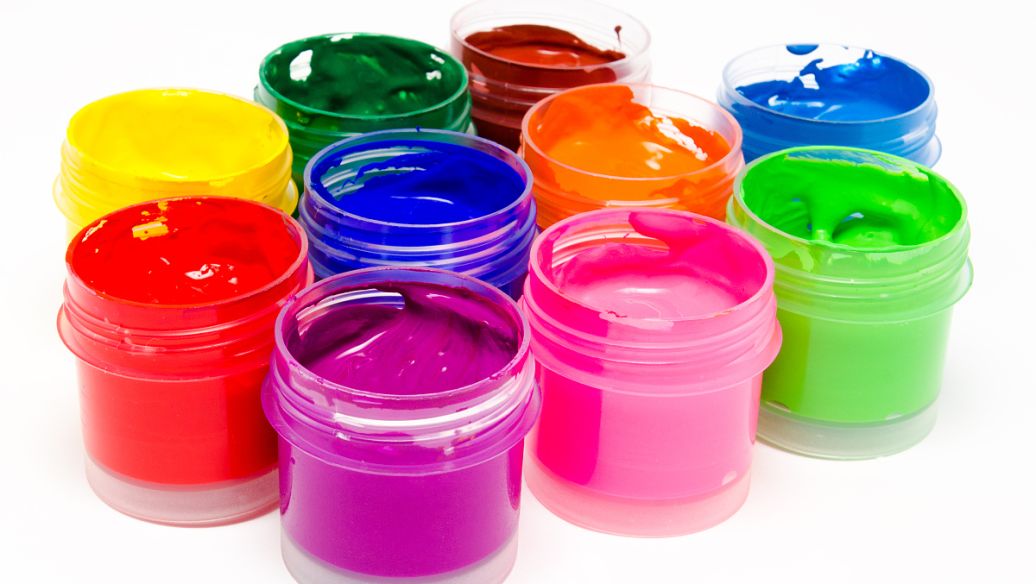
Application in Ink and Printing Industry
In the ink and printing industry, it is widely used as a solvent and diluent. It can be fully mixed with pigments, resins, and other components in ink to form a uniform ink system. At the same time, its volatility is moderate and can quickly evaporate during the printing process, helping ink dry quickly and improving the clarity and brightness of printed materials.
Specific applications in the spice and food industry
In the spice and food industry, specific applications include the following aspects:
Food additives: can be used as food additives to enhance the aroma and taste of food. For example, in candies, chocolates, pastries, and other foods, unique fruit and sweet aromas can be endowed to enhance the attractiveness of the food.


Spice preparation: It is one of the important raw materials for preparing spices. By combining and blending with other spice ingredients, spice products with different aroma and flavor characteristics can be created to meet the diverse needs of consumers.
Food packaging: It can also be used in the printing ink of food packaging to increase the adhesion and drying speed of the ink, improve the printing quality and safety of food packaging.
Applications in other fields
In addition to the aforementioned application areas, it also has certain applications in other fields. For example, it can be used as a raw material or intermediate for organic synthesis, participating in the synthesis and modification of other organic compounds; In the pharmaceutical industry, it can be used as a raw material or excipient for drug synthesis, helping drugs dissolve and disperse better in the body; In the field of environmental protection, it can be used as one of the additives for biodegradable plastics to improve their biodegradability and environmental performance.


The synthesis methods of methyl valerate mainly include the following:
The esterification method is to synthesize methylvalerat by esterification reaction between acid and alcohol in the presence of a catalyst. The specific synthesis steps may vary depending on the type of acid and alcohol selected, as well as the catalyst used. For example, valeric acid and methanol can undergo esterification reaction under the action of acidic catalyst (such as sulfuric acid) by heating, producing methylvalerat and water. This method has readily available raw materials and is easy to operate, but may produce a significant amount of by-products such as diesters, which require further purification treatment.
The alcoholysis method utilizes the principle of ester exchange reaction, by selecting appropriate alcohol and ester compounds and reacting them under the action of a catalyst, to produce the target product methylvalerat. For example, ethyl valerate and methanol can undergo alcoholysis under the action of alkaline catalysts such as sodium hydroxide, producing methylvalerat and ethanol. This method requires the selection of appropriate catalysts and reaction conditions to ensure the smooth progress of the reaction and the purity of the product.
The organic zinc reagent method is a relatively efficient method for synthesizing methylvalerat. This method first utilizes inexpensive 5-bromopentanoic acid methyl ester as a raw material to synthesize reactive organic zinc reagents. Then, in the presence of palladium catalyst (such as PdCl ₂) and ligand (such as Xphos), the organic zinc reagent can undergo cross coupling reaction with p-bromotoluene, efficiently generating methyl 5- (4-methylphenyl) valerate. This method has the advantages of high yield, simple process, cheap and easily obtainable raw materials, and is very suitable for industrial large-scale production.
In addition to the above methods, there are also other methods for synthesizing methylvalerat, such as preparing 5-hydroxy mthyl valerate through Baeyer Villiger reaction with cyclopentanone, and then obtaining methylvalerat through esterification reaction. However, these methods may have issues such as high raw material costs, complex operations, and environmental pollution, which limits their practical application.
Frequently Asked Questions
What is methyl valerate used for?
+
-
Methyl valerate is widely utilized in research focused on: Flavoring and Fragrance Industry: This compound is commonly used as a flavoring agent in food products and beverages, providing a fruity aroma that enhances the sensory experience.
What is another name for methylvalerat?
+
-
Methyl acetate's other names include methyl ethanoate, acetic acid methyl ester, and MeOAc. Other synonyms include the trade names Devoton and Tereton.
Methyl ethanoate: This is an alternative IUPAC name, based on the carboxylic acid (ethanoic acid) it is derived from.
Acetic acid methyl ester: This name highlights its origin as the ester formed from acetic acid and methanol.
MeOAc: This is a common chemical abbreviation for methyl acetate.
Devoton: and Tereton: These are registered trade names and synonyms.
What is methyl benzoate used for?
+
-
Methyl benzoate is used as a flavoring and fragrance agent in foods, perfumes, and cosmetics due to its sweet, fruity aroma. It also serves as a solvent, intermediate in chemical synthesis (including pharmaceuticals and dyes), and a plasticizer. Additionally, recent research has identified its potential as an environmentally friendly pesticide to control agricultural pests.
What is another name for methyl arachidate?
+
-
Methyl arachidate (Synonyms: Methyl icosanoate) Methyl arachidate (Methyl eicosanoate), a natural compound, is a leukotriene A4 hydrolase (LTA4H) inhibitor.
What is the function of valerate?
+
-
Valerate is a branched short-chain fatty acid (C5) produced through amino acid fermentation by gut microbiota and can inhibit the growth of Clostridium difficile. It is associated with gut health, as its levels are restored in fecal samples following successful treatment in recurrent CDI patients.
What are the risks of methanoate?
+
-
* Exposure to higher levels can cause you to become dizzy and lightheaded, and may cause unconsciousness and death. * Prolonged or repeated contact may cause drying and cracking of the skin. * Methyl Formate is a HIGHLY FLAMMABLE LIQUID and a DANGEROUS FIRE HAZARD.
Hot Tags: methyl valerate cas 624-24-8, suppliers, manufacturers, factory, wholesale, buy, price, bulk, for sale, nonivamide powder, L Carnitine Fumarate Powder, Sucrose Powder CAS 57 50 1, Ethyl Pyruvate, D Tetrandrine CAS 518 34 3, p Anisaldehyde liquid