




Shaanxi BLOOM Tech Co., Ltd. is one of the most experienced manufacturers and suppliers of alpha linolenic acid cas 463-40-1 in China. Welcome to wholesale bulk high quality alpha linolenic acid cas 463-40-1 for sale here from our factory. Good service and reasonable price are available.
Alpha linolenic acid (ALA), also known as linolenic, is an essential polyunsaturated fatty acid that plays a vital role in human health. It belongs to the omega-3 family of fatty acids, which are necessary for normal growth and development but cannot be synthesized by the human body. Instead, ALA must be obtained through dietary sources such as flaxseeds, chia seeds, walnuts, hemp seeds, soybean oil, and some green leafy vegetables like spinach and purslane.ALA serves as a precursor for the synthesis of longer-chain omega-3 fatty acids, including eicosapentaenoic acid (EPA) and docosahexaenoic acid (DHA), which are found in fish and fish oils. These longer-chain omega-3s are known for their anti-inflammatory properties, beneficial effects on heart health, cognitive function, and eye development.
Incorporating ALA-rich foods into one's diet can help maintain optimal health. Studies suggest that ALA consumption may reduce the risk of cardiovascular diseases by lowering blood pressure, triglycerides, and inflammation markers. Additionally, it may have a positive impact on mental health, promoting better mood and cognitive performance.

|
|
|


|
Chemical Formula |
C18H30O2 |
|
Exact Mass |
278.22 |
|
Molecular Weight |
278.44 |
|
m/z |
278.22 (100.0%), 279.23 (19.5%), 280.23 (1.8%) |
|
Elemental Analysis |
C, 77.65; H, 10.86; O, 11.49 |

Health and Nutrition
Alpha linolenic acid is a vital omega-3 fatty acid that offers numerous health benefits. By incorporating ALA-rich foods into your diet, you can support cardiovascular health, brain function, eye health, immune response, hormonal balance, and more. It's important to note that while ALA is an essential nutrient, it can be converted to longer-chain omega-3s such as EPA and DHA in the body, albeit at a limited rate. Therefore, a balanced diet that includes both plant-based and fish sources of omega-3s is optimal for overall health.

Cardiovascular Health
Reduces Inflammation: ALA helps reduce inflammation in the body, a key factor in the development of cardiovascular diseases. This anti-inflammatory property is attributed to its ability to decrease the production of pro-inflammatory cytokines and prostaglandins.
Lowers Blood Pressure: Regular consumption of ALA-rich foods has been linked to a decrease in blood pressure, which is a major risk factor for heart disease.
Improves Lipid Profile: ALA can favorably alter the lipid profile by reducing triglycerides and total cholesterol levels, while potentially increasing HDL (good) cholesterol.
Brain and Cognitive Function
Supports Brain Development: As a precursor for DHA, ALA indirectly contributes to the proper development and function of the brain. DHA is crucial for the structural integrity and function of brain cells.
Enhances Cognitive Performance: Some studies suggest that ALA intake may improve cognitive function, particularly in older adults, by reducing age-related cognitive decline.


Eye Health
Promotes Retinal Health: Alpha linolenic acid (ALA) is an essential omega-3 fatty acid that the human body cannot synthesize independently. Its key metabolite, docosahexaenoic acid (DHA), is highly concentrated in the retinal tissue and serves as a fundamental structural component of the retina. Adequate DHA accumulation effectively maintains normal retinal cell morphology and improves retinal microcirculation. It supports stable visual acuity, enhances the sensitivity of eye photoreceptors to light signals, and ensures efficient visual signal transmission.
Immune System
Modulates Immune Response: ALA plays a crucial regulatory role in the human immune system by balancing the secretion of inflammatory cytokines and regulating the activity of immune cells such as lymphocytes and macrophages. It can moderately suppress excessive inflammatory reactions in the body, effectively reducing the incidence of chronic inflammation and lowering the potential risk of autoimmune diseases.


Hormonal Balance
Supports Reproductive Health: ALA contributes significantly to human endocrine and hormonal balance, especially beneficial for female reproductive health. It assists in the normal metabolism and orderly regulation of estrogen and progesterone in the body, avoiding endocrine disorders caused by hormone imbalance. By optimizing hormone levels, ALA helps reduce the risk of common hormonally mediated conditions such as menstrual irregularities and ovarian function decline.
Antioxidant Properties
Scavenges Free Radicals: ALA possesses excellent natural antioxidant properties. It can effectively scavenge excess harmful free radicals produced by human metabolism and external environmental stimulation, and neutralize oxidative active substances that cause cell damage. This antioxidant effect protects cell membranes, proteins and DNA from oxidative stress damage, slows down cellular aging and tissue degeneration.


Other Potential Benefits
Bone Health: Some preliminary research suggests that ALA may have a positive impact on bone health, potentially reducing the risk of osteoporosis.
Mood Regulation: ALA has been linked to improved mood and reduced symptoms of depression and anxiety, although more research is needed to confirm these effects.
Industrial Applications
While ALA is not directly utilized as an industrial chemical, its significance in the food, pharmaceutical, healthcare, cosmetics, and animal feed industries underscores its importance as a versatile and valuable nutrient. As research continues to uncover new benefits of omega-3 fatty acids, the demand for ALA-rich products is likely to grow, driving further innovation and development in these industries.
Food and Beverage Industry
Food Additive: Alpha linolenic acid is incorporated into various food products, particularly oils and spreads, as a nutritional enhancer. Oils rich in ALA, such as flaxseed oil and chia seed oil, are marketed for their health benefits, including cardiovascular support and cholesterol reduction.
Functional Foods and Beverages: ALA is used in the formulation of functional foods and beverages aimed at promoting health and wellness. These products often target consumers seeking to increase their omega-3 intake.


Cosmetics and Personal Care
Skin Care Products: ALA's moisturizing and nourishing properties make it a desirable ingredient in skincare products. It is used in creams, lotions, and serums to improve skin texture, elasticity, and overall appearance.
Hair Care: Some hair care products also contain ALA, as it is believed to promote healthy hair growth and shine.
Animal Feed Industry
Animal Nutrition: ALA is incorporated into animal feeds to enhance the nutritional value and health benefits of meat, dairy, and egg products. It supports the growth and development of livestock, poultry, and aquaculture species.


Agricultural and Biotechnology
Crop Breeding: Researchers are exploring ways to genetically modify crops to increase their ALA content, thereby providing more sustainable and accessible sources of this essential fatty acid.
Biotechnological Applications: ALA's unique biochemical properties make it a potential candidate for use in biotechnology applications, such as the development of novel biomaterials and biofuels.

Alpha linolenic acid (α- linolenic acid, abbreviated as ALA) is a necessary ω-3 (n-3) polyunsaturated fatty acid, which is widely present in vegetable oils, nuts, and seeds. As a necessary nutrient that the human body cannot synthesize on its own, ALA needs to be consumed through diet and is partially converted in the body into longer-chain ω-3 fatty acids (such as EPA and DHA). Its manufacturing process involves three major directions: natural extraction, chemical synthesis, and biotechnology. Each path has its own advantages and disadvantages in terms of raw materials, efficiency, and environmental friendliness.
Natural Extraction Method: Separating ALA from Plant Oils


Natural extraction is currently the mainstream method for industrial production of ALA. The core raw material is plant oils rich in ALA, such as flaxseed oil, perilla seed oil, walnut oil, and soybean oil, etc. These oils have a high content of ALA, for example, the proportion of ALA in flaxseed oil can reach 50%-60%, providing a high-concentration raw material basis for extraction.
Extracting process flow:
Obtain crude vegetable oil through pressing or solvent extraction, and remove solid impurities.
Remove phospholipids and other gums using phosphoric acid or citric acid, then neutralize free fatty acids with alkaline solution to reduce the acid value.
Cool the oil to a specific temperature (such as -20°C to -40°C), causing saturated fatty acids to crystallize and precipitate. Through centrifugation or filtration, separate and retain the liquid oil rich in ALA.
Add a saturated solution of urea to the oil. Urea forms a crystalline complex with saturated fatty acids. After filtration, the residual liquid oil has significantly improved ALA purity.
Under vacuum conditions, control the distillation temperature (usually below 200°C) and pressure to further separate ALA from other fatty acids, obtaining a high-purity product (purity can reach over 90%).
Advantages: Mature process, low cost, suitable for large-scale production; retains the natural structure of the product, with high biological activity.
Challenges: Requires a large amount of plant raw materials, and the steps of low-temperature crystallization and urea encapsulation have high energy consumption; some solvents (such as n-hexane) may remain, and strict purification is required.
Chemical Synthesis Method: Constructing ALA Molecules through Chemical Reactions
The chemical synthesis method involves designing specific reaction pathways to construct the carbon chain structure of ALA starting from simple organic compounds. Although the natural extraction method dominates, chemical synthesis still holds research value in certain scenarios.
Typical synthesis pathway:
Starting material selection: Begin with short-chain fatty acids (such as acrylic acid) or their derivatives, and gradually extend the carbon chain while introducing double bonds.
Double bond introduction technology: Use dehydrogenases or chemical dehydrogenating agents (such as selenium dioxide) to introduce double bonds at specific positions in the carbon chain, forming an unsaturated structure.
Stereo-selective control: Utilize catalysts (such as palladium complexes) or chiral additives to ensure the geometric configuration (cis) and spatial arrangement (such as the ω-3 position) of the double bond conform to the requirements of the ALA structure.
Advantages: Can precisely control the molecular structure, avoiding interference from impurities in natural raw materials; suitable for producing specific isotope-labeled ALA for scientific research.
Challenges: Multiple reaction steps, low yield (usually below 30%); requires the use of toxic reagents (such as heavy metal catalysts), posing significant environmental pressure; currently, the cost is much higher than the natural extraction method, and has not yet achieved industrial application.
Biotechnology Method: Utilizing Microorganisms or Enzymes to Catalyze the Production of ALA
The biotechnology method, through genetic engineering to modify microorganisms or by using enzymes to catalyze reactions, enables the sustainable production of ALA. It is currently a research hotspot.
► Microbial fermentation method
Bacterial strain selection: Yeast strains such as Yarrowia lipolytica, which can synthesize unsaturated fatty acids naturally, have been extensively studied.
Genetic modification strategy: By overexpressing the Δ12-15 dehydrogenase (such as RkΔ12-15), the ability of the yeast to convert oleic acid into ALA is enhanced; at the same time, the competing pathway genes (such as Δ9 dehydrogenase) are knocked out to reduce the consumption of intermediate products.
Optimization of fermentation conditions: Low-temperature fermentation (such as at 15-20°C) is adopted to inhibit yeast growth and promote fatty acid accumulation; batch-fed continuous culture is used to maintain nutrient supply and increase ALA production.
Case: Research shows that the modified Yarrowia lipolytica strains ferment in low-temperature aqueous solutions, with ALA production reaching 15%-20% of the cell dry weight, approaching the natural content in plant oils.
► Enzymatic catalysis method
Enzyme selection: Utilize lipase or dehydrogenase to catalyze the dehydrogenation reaction of triglycerides or free fatty acids, introducing a third double bond to generate ALA.
Reaction system design: Use linoleic acid (LA) as the substrate and react with the dehydrogenase in an organic solvent (such as tert-butanol). Optimize enzyme activity by controlling temperature (30-40℃) and pH (7.0-8.0).
Advantages: Mild reaction conditions, high selectivity; can utilize inexpensive substrates (such as LA in waste oils) to reduce costs.
Challenges: Enzyme preparation costs are high, and the enzyme needs to be recovered and reused to improve economic efficiency.
Advantages of biotechnology method: Wide raw material sources (such as agricultural waste); reduces reliance on vegetable oils; environmentally friendly production process, in line with sustainable development requirements.
Challenges: Large investment is required for strain modification and fermentation process optimization; the current production cost is still higher than that of natural extraction method, and further technological breakthroughs are needed.
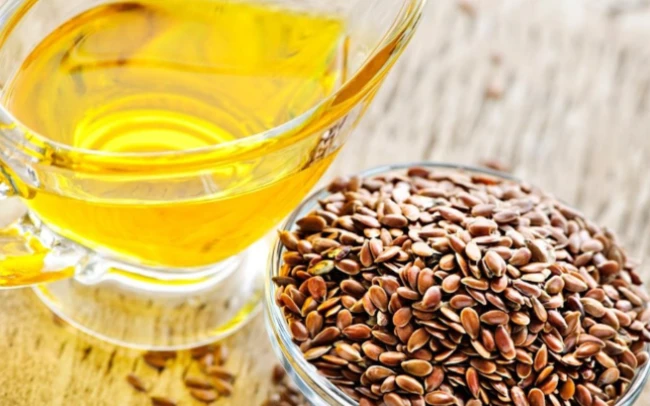
Alpha-linolenic acid is a cornerstone of plant-based nutrition, offering cardiovascular, anti-inflammatory, and neuroprotective benefits. While its conversion to EPA/DHA is limited, ALA remains indispensable for populations with low fish intake. Future research should focus on enhancing bioavailability, exploring sustainable sources, and personalizing dietary recommendations. By integrating ALA-rich foods into balanced diets, individuals can harness its full potential for long-term health and disease prevention.
FAQ
What foods are high in alpha linoleic acid?
+
-
Alpha-linolenic acid (ALA) is an essential plant-based omega-3 fatty acid. The richest sources are seeds, nuts, and specific plant oils. Because your body cannot produce ALA, you must get it from your diet.
Can you take too much alpha-linolenic acid?
+
-
In clinical studies, ALA has been safe and well-tolerated at doses around 600 mg daily. However, several case reports worldwide have documented that overdose can result in rapid and severe toxicity.
Hot Tags: alpha linolenic acid cas 463-40-1, suppliers, manufacturers, factory, wholesale, buy, price, bulk, for sale, Cyclosporin A, D Pantothenic Acid Hemicalcium Salt CAS 137 08 6, Organic Intermediate, Ethacridine Lactate Monohydrate CAS 6402 23 9, Meprednisone Hemisuccinate CAS 27303 92 0, Adrenochrome Powder