




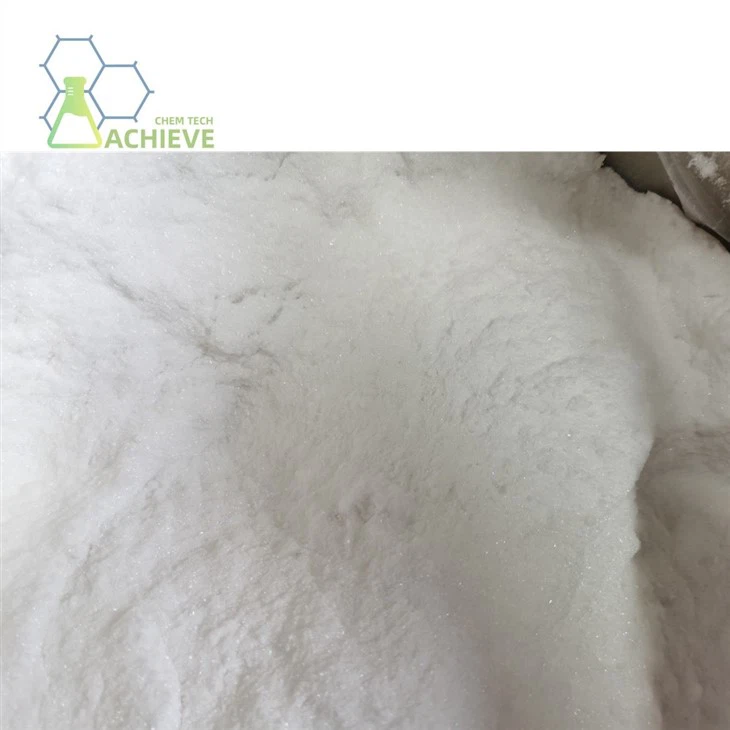

Shaanxi BLOOM Tech Co., Ltd. is one of the most experienced manufacturers and suppliers of amprolium hydrochloride in China. Welcome to wholesale bulk high quality amprolium hydrochloride for sale here from our factory. Good service and reasonable price are available.
Amprolium Hydrochloride, as a classic anti coccidiosis drug, has been widely used worldwide for the prevention and control of coccidiosis in poultry, ruminants, and minks since its first successful development by Merck in the 1960s. Its unique chemical structure and mechanism of action make it occupy an important position in the field of anti coccidiosis.
At the same time, our company not only provides amproline stromectol injection and powders. If needed, please feel free to contact us at any time.
1.1 Chemical Structure and Naming
The chemical name of aminoproline hydrochloride is 1- [(4-amino-2-propyl-5-pyrimidinyl) methyl] -2-methylpyridine chloride hydrochloride, with the molecular formula C14H19ClN4 · HCl and a molecular weight of 315.24. Its structure contains pyrimidine and pyridine rings, which are bridged by methyl groups to form a configuration similar to thiamine (vitamin B ₁). This structural similarity is the key basis for its pharmacological effects.

1.2 Physical properties
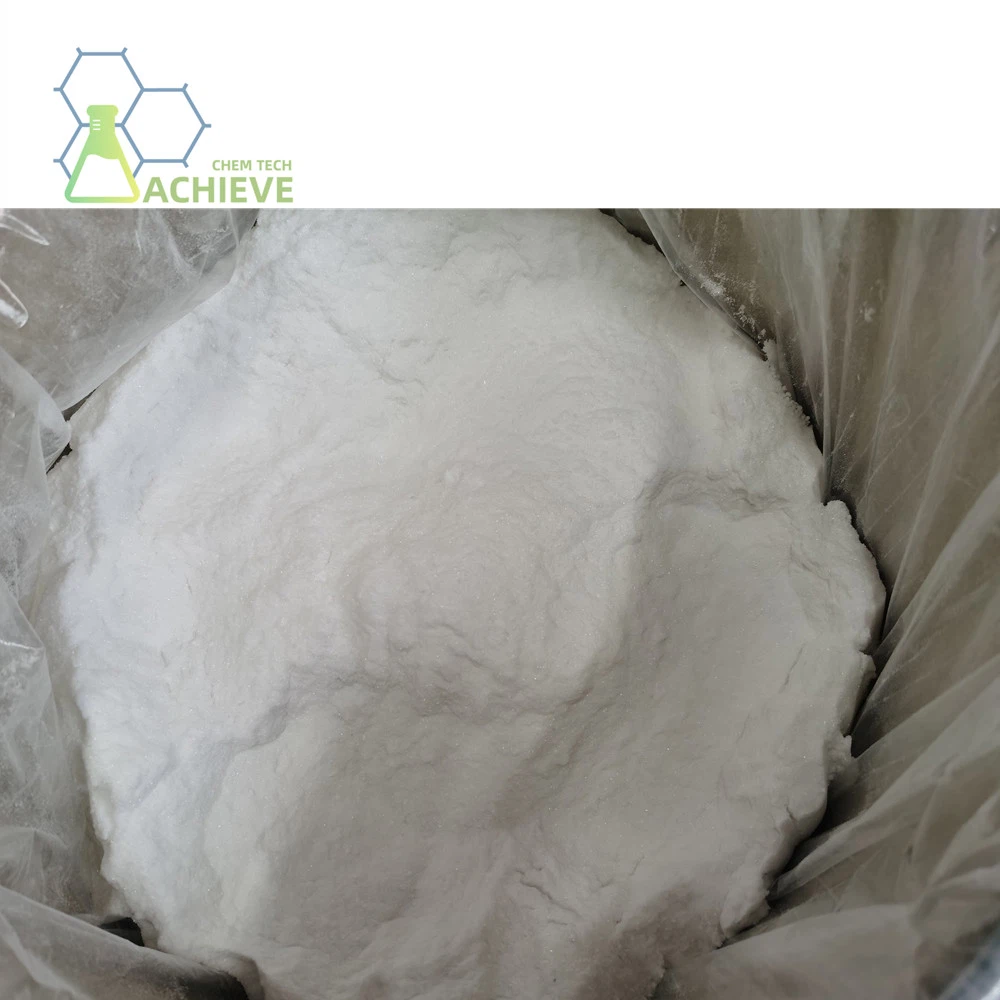
Aminopyrine hydrochloride is a white or off white powder, odorless or almost odorless, and its aqueous solution is acidic (pH 2.5-3.0). Its solubility is manifested as: easily soluble in water, methanol, and ethanol, slightly soluble in ether, and insoluble in chloroform. There is no significant degradation after 5 years of storage at room temperature and below 40 ℃, but decomposition occurs at high temperatures (248-249 ℃).
Our product



Additional information of chemical compound:

|
|
|

Amprolium hydrochloride+. COA


Pharmacological mechanism of action
The core mechanism of action of ampicilli hydrochloride is to compete with thiamine (vitamin B ₁) for thiamine transporters in the body of nematodes, blocking the uptake of thiamine. Thiamine is a key coenzyme in the sugar metabolism of coccidiosis, and its pyrophosphate forms thiamine pyrophosphate (TPP), which participates in the oxidative decarboxylation of alpha ketoacids. Due to the lack of the hydroxyethyl group of thiamine in ampicilli, it cannot be phosphorylated, resulting in impaired glucose metabolism and energy generation in coccidian cells, ultimately inhibiting the development of schizonts.
Aminopyrine mainly acts on the first generation of schizonts in the life cycle of nematodes, preventing their formation of merozoites. The peak period of action is on the third day after infection. In addition, it also has a certain inhibitory effect on the gametophyte and sporophyte stages, indicating its multi-stage intervention ability.
In clinical applications, aminophylline is often used in combination with ethoxylated benzyl ester (Ethopabate) or sulfaquinoxaline. Ethoxynamide benzyl ester mainly acts on small intestinal nematodes such as giant and Brucella, while sulfaquinoxaline has a significant effect on heap type Eimeria. The combination of the three can cover multiple key stages of the life cycle of coccidiosis, significantly expanding the spectrum of anti coccidiosis and reducing the risk of drug resistance.

Amprolium Hydrochloride, as a classic anti coccidiosi drug, has been widely used worldwide for the prevention and treatment of coccidiosi in poultry, ruminants, minks, and other animals since its first successful development by Merck in the 1960s. Its unique chemical structure and mechanism of action make it occupy an important position in the field of anti coccidiosi.

Prevention and control of poultry coccidiosis
1.1 Prevention and control of chicken coccidiosis
Chicken coccidiosi is an intestinal parasitic disease caused by Eimeria spp., which has caused significant economic losses to the poultry industry. As one of the important drugs for preventing and treating chicken coccidiosi, the use of ampicillin hydrochloride is mainly reflected in the following aspects:
Efficient anti coccidiosi effect: Aminopyrine hydrochloride mainly competitively inhibits the uptake of thiamine (vitamin B ₁) by coccidiosi, thereby blocking the energy metabolism pathway of coccidiosi and inhibiting its development and reproduction. It has the strongest inhibitory effect on Eimeria tenella and Eimeria acervulina in chickens, and also has certain effects on Eimeria necrotrix, Eimeria brunetti, Eimeria maxima, and Eimeria mitis.
Combination therapy: Due to the fact that the single use of propafenone hydrochloride cannot completely inhibit the production of egg sacs at therapeutic concentrations, it is often combined with drugs such as Ethopabate or Sulfaquinoxaline in practical applications to enhance efficacy. For example, the combination of propafenone hydrochloride (60 ppm) and sulfaquinoxaline (180 ppm) in drinking water can significantly improve the prevention and treatment effect of chicken coccidiosi.
Medication plan: The medication plan for ampicillin hydrochloride varies depending on the degree of infection and the stage of cultivation. Generally speaking, a mixed feeding concentration of 125 g/ton of feed and a mixed drinking concentration of 60 g/1000 L of water are used continuously for 7 days, followed by halving the dosage and maintaining it for 14 days. For acute infections or severe cases, the dosage can be appropriately increased or the duration of medication can be extended.


1.2 Prevention and control of turkey coccidiosi
Turkey is also susceptible to coccidiosi, and ampicilli hydrochloride plays an important role in the prevention and treatment of coccidiosi in turkeys. Continuous use of ampicilli hydrochloride at a drinking water concentration of 120 mg/L can effectively prevent and treat turkey coccidiosi, reducing economic losses such as growth retardation, diarrhea, and even death caused by coccidiosi infection.
Prevention and treatment of coccidiosis in ruminants
2.1 Prevention and control of coccidiosi in calves
Calves infected with coccidiosi often exhibit symptoms such as diarrhea, emaciation, and delayed growth, and in severe cases, can even lead to death. The use of aminopropylamine hydrochloride in the prevention and control of coccidiosi in calves is mainly reflected in the following aspects:
Preventive medicaton: Within a period of time after the birth of calves, continuous use of 5 mg/kg body weight/day of ampicilli hydrochloride for 21 days can effectively prevent the occurrence of coccidiosi.
Therapeutic medicaton: For calves already infected with coccidiosi, treatment with 10 mg/kg body weight/day of continuous use of ampicilli hydrochloride for 5 days. During the treatment process, it is necessary to closely observe the changes in symptoms of the calf and adjust the medicaton plan according to the actual situation.


2.2 Prevention and treatment of coccidiosi in lambs
Lamb coccidiosi can also cause serious economic losses to the breeding industry. The use of ampicilli hydrochloride in the prevention and treatment of coccidiosi in lambs is similar to that in calves, but the dosage and duration of treatment may differ. Generally speaking, continuous use of ampicilli hydrochloride at a dose of 55 mg/kg body weight/day for 14-19 days can effectively prevent and treat lamb coccidiosi.
Prevention and control of coccidiosi in minks
After being infected with coccidiosi, minks often exhibit symptoms such as diarrhea, emaciation, coarse and messy fur, and in severe cases can even lead to death. The use of ampicilli hydrochloride in the prevention and control of coccidiosi in minks and other animals is mainly reflected in the following aspects:
Drinking water administration: Continuous use of 120 mg/L of ampicilli hydrochloride in drinking water for 30 days can effectively prevent the discharge of mink oocysts, thereby controlling the spread and prevalence of isosorbis.
Caution: When using ampicilli hydrochloride to prevent and treat coccidiosi in minks, attention should be paid to the stability of the drug and compatibility contraindications. Avoid using drugs with antagonistic effects such as vitamin B ₁ at the same time to avoid affecting the therapeutic effect.

Preparation type and stability
Common formulations
Ammonium Propionine Hydrochloride Soluble Powder: Specification: 30g: 6g, easy to administer in drinking water.
Premixtures: including aminopropyline ethoxyamide benzyl ester premix (250 g: 16 g) and aminopropyline ethoxyamide benzyl ester sulfoquinoxaline premix (200 g: 10 g: 120 g), supported by starch or calcium hydrogen phosphate.
Compound preparations, such as "Qiu Li Ke", achieve broad-spectrum and high-efficiency anti coccidiosi effects through scientific formulation.
Stability and Compatibility Taboos
Stability: After 60 days of storage at room temperature, the average failure rate is 8%. It is recommended to prepare and use immediately.
Compatibility contraindication: Co administration with vitamin B ₁ can significantly reduce the efficacy of ampicilli, as vitamin B ₁ can competitively counteract its effects. In addition, aminophylline can be mixed with various vitamins, minerals, and antibiotics, but direct contact with alkaline substances should be avoided.
Drug resistance and future prospects
Current situation of drug resistance
Although ampicilli has a unique mechanism of action, long-term single use may still induce drug resistance in nematodes. At present, the development of drug resistance can be effectively delayed through combination therapy, rotation therapy, and management of withdrawal periods.
Optimization of synthesis process
The domestic production scale of aminopropane is relatively small, and the synthesis process uses vitamin B ₁ intermediate as raw material, which is obtained through steps such as cyclization, hydrolysis, and diazotization. In the future, further optimization of the process route is needed to increase yield and reduce costs.
Development of new dosage forms
Developing new drug delivery systems such as sustained-release and targeted formulations can improve the bioavailability of ampicilli and reduce medicaton frequency. In addition, by combining nanotechnology or liposome carriers, it is expected to enhance its targeted killing effect on nematodes.
Market demand and prospects
The global annual demand for amprolium hydrochloride exceeds 1000 tons, with the main supplier being Huibao (Israel KOFFOLK Co., Ltd.) from the United States. With the large-scale development of the chicken industry and the intensification of drug resistance in coccidiosi, the market demand for ampicilli will continue to grow. Domestic enterprises need to strengthen their independent research and development capabilities, promote industrial production to achieve import substitution.
Frequently Asked Questions
What are the "precursors" of rare impurities in organic synthesis?
+
-
2-methylpyridine and 4-amino-2-propyl-5-pyrimidinethylamine.
The official chemical name (1- [(4-amino-2-propyl-5-pyrimidinyl) methyl] -2-methylpyridinium chloride hydrochloride) directly reveals that it is composed of two parts: pyridinium and pyrimidinamine. In pharmacopoeia quality control, these two residual fragments are characteristic process impurities.
Is it soluble in DMSO or not?
+
-
Extremely low solubility (2 mg/mL) is a common "trap" in the scientific research community.
The literature clearly states that it is highly soluble in water (≥ 50 mg/mL), but its solubility in DMSO drops sharply to 2 mg/mL (~6.34 mM), while ethanol is essentially insoluble. If it is mistakenly treated as a regular organic small molecule dissolved in DMSO for cell experiments, it is prone to precipitation and false negative results.
How does the feeding status have an extreme impact on blood drug concentration?
+
-
The bioavailability on an empty stomach is more than 2.5 times that of a full stomach.
When chickens were orally administered 13 mg/kg, the peak blood drug concentration in the fasting group was four times higher than that in the non fasting group, with bioavailability of 6.4% and 2.3%, respectively. Feed significantly interferes with its absorption, which has hidden clinical implications for the timing of oral administration.
It is extremely stable in aqueous solution, which is completely opposite to other veterinary drugs?
+
-
Yes, it is. Almost no degradation occurs in room temperature water.
Comparative experiments show that the concentration of ampicillin remains stable in the test solution for 96 hours; However, trichlorophosphate, which belongs to the same antiparasitic drug, only remained at 0.7% after 4 hours, while nitrochlorophenol degraded 84% within 24 hours. Therefore, its environmental fate risk does not lie in the toxicity of degradation products, but in the persistence of the parent organism.
Hot Tags: amprolium hydrochloride, suppliers, manufacturers, factory, wholesale, buy, price, bulk, for sale, tetracaine powder, epinephrine hcl powder, tetrahydrobiopterin synthesis, Larocaine powder, 3 Dimethylaminophenol, paracetamol powder