



Shaanxi BLOOM Tech Co., Ltd. is one of the most experienced manufacturers and suppliers of d-lysine hydrochloride cas 7274-88-6 in China. Welcome to wholesale bulk high quality d-lysine hydrochloride cas 7274-88-6 for sale here from our factory. Good service and reasonable price are available.
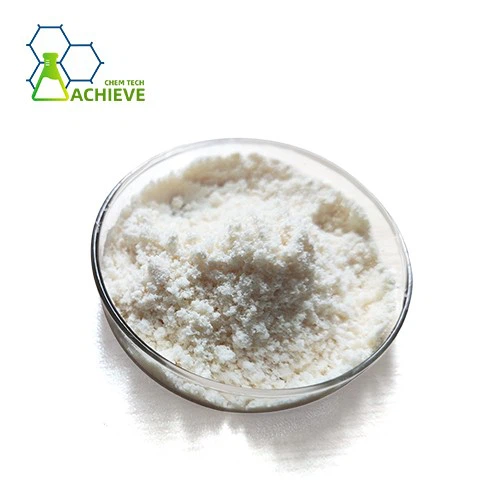
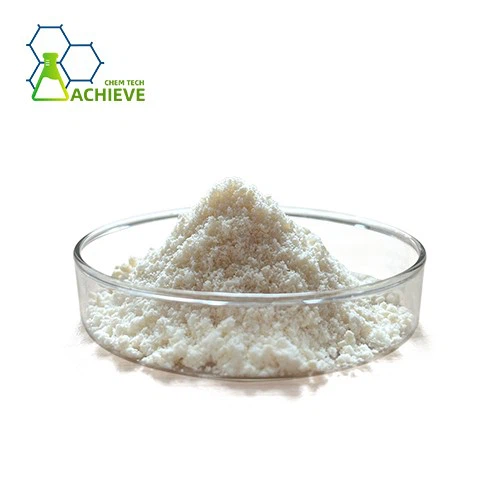
D-Lysine Hydrochloride, usually a white crystalline solid with good crystalline morphology, appears as a white powder or crystalline block, odorless, molecular formula C6H15ClN2O2, CAS 7274-88-6. It has good solubility in water and can quickly dissolve in water at room temperature, forming a transparent, colorless or slightly turbid solution. This property makes it highly convenient in the preparation of aqueous solutions, beverages, food, and other processes. Meanwhile, it is extremely slightly soluble in ethanol and almost insoluble in ether, providing a basis for us to choose appropriate dissolution conditions in different solvents. Its aqueous solution is acidic, with a pH value typically between 1.5 and 3.0, which is determined by the acidity of the hydrochloric acid ion. It is one of the essential amino acids for the human body and plays an important role in human health. It can be added as a nutritional supplement to various foods, such as infant formula, fortified beverages, instant noodles, etc., to enhance the nutritional value of the food. It has a certain taste improvement effect and can be added as a flavor improver to various foods, such as seasonings, meat products, dairy products, etc., to improve the taste and flavor of food.

|
|
|


|
Chemical Formula |
C6H15ClN2O2 |
|
Exact Mass |
182 |
|
Molecular Weight |
183 |
|
m/z |
182 (100.0%), 184 (32.0%), 183 (6.5%), 185 (2.1%) |
|
Elemental Analysis |
C, 39.46; H, 8.28; Cl, 19.41; N, 15.34; O, 17.52 |

Regarding the use of D-lysine hydrochloride, as an important amino acid derivative, it has shown extensive application value in multiple fields.
Medical Field
In the field of medicine, lysine hydrochloride is widely used in drug development and clinical treatment due to its unique biological activity and pharmacological effects.
1. Immune enhancers:
Lysine hydrochloride can promote human growth and development, enhance the body's immunity, and have a significant therapeutic effect on people with weakened immunity. It can be used as an immune enhancer to assist in the treatment of various diseases caused by weakened immunity, such as colds, fever, infections, etc.


3. Gastrointestinal modulators:
Lysine hydrochloride can promote the secretion of gastric juice, improve gastrointestinal function, and have a significant improvement effect on symptoms such as loss of appetite and indigestion. It can be used as a gastrointestinal modulator to assist in the treatment of gastrointestinal diseases, such as gastritis, gastric ulcers, etc.
Brain development promoter
Lysine hydrochloride has a promoting effect on brain development and can improve intelligence levels. It can be used as a brain development promoter to assist in the treatment of various diseases caused by intellectual disability, such as intellectual retardation, lack of concentration, etc.4. Drug
synthesis raw materials
Lysine hydrochloride is one of the important raw materials for synthesizing various drugs, such as anti-inflammatory, antipyretic, and analgesic drugs such as lysine aspirin. Its application in the field of drug synthesis provides strong support for the development of the pharmaceutical industry.
D-Lysine hydrochlride, as a form of lysine, has wide application value in the field of feed. Lysine is an essential amino acid that is crucial for the growth and health of livestock and poultry. However, due to its limited content in nature and high cost, it is necessary to meet the demand in feed through artificial synthesis.
Feed additives
Improve the nutritional value of feed
The most direct function of D-lysine hydrchloride as a feed additive is to supplement the lysine content in the feed and improve the overall nutritional value of the feed. Lysine is an essential component of protein synthesis, directly affecting the rate and efficiency of protein synthesis in animals. By adding D-lysine hydrchloride to feed, animals' demand for lysine can be met, protein synthesis can be promoted, and the biological value of feed can be improved.


Promote animal growth and development
Lysine is one of the essential amino acids in the process of animal growth and development. It is not only the basic raw material for protein synthesis, but also participates in the synthesis of various bioactive substances, such as enzymes, hormones, etc. The addition of D-lysine hydrochlride can significantly improve the amino acid balance of feed, promote protein synthesis in animals, and thus promote animal growth and development.
Optimize feed formula
The addition of D-lysine hydrochlride can optimize feed formulation and reduce feed costs. Due to the relatively high cost of lysine, the addition of D-lysine hydrochlride can reduce the use of other protein raw materials while ensuring the nutritional value of the feed, thereby lowering feed costs. At the same time, the addition of D-lysine hydrochlride can also reduce nitrogen emissions from feed.

Disease prevention agent
Develop immunity from disease
D-Lysine hydrochloride not only serves as a nutritional enhancer, but also has certain disease prevention functions. By adding D-lysine hydrochlride to feed, it can enhance animal immunity, strengthen the body's resistance, and prevent the occurrence of diseases. Lysine is involved in various immune response processes in animals, such as promoting the proliferation and differentiation of immune cells, and increasing the synthesis of immunoglobulins.


Anti stress effect
In the process of animal husbandry, animals often face various stress factors such as high temperature, cold, transportation, diseases, etc. These stress factors can cause metabolic disorders, weakened immunity, and even lead to diseases in animals. The addition of D-lysine hydrochlride can alleviate the stress response of animals and improve their adaptability to environmental changes. Lysine, as an alkaline amino acid, can maintain acid-base balance in animal bodies and alleviate the negative effects of stress.
Promote intestinal health
The addition of D-lysine hydrochlride can also promote intestinal health in animals. Lysine can participate in the synthesis of intestinal mucosal proteins in animals, maintaining the integrity of the intestinal mucosa. Meanwhile, lysine can also promote the balance of intestinal microbiota, inhibit the growth of harmful bacteria, and enhance intestinal immunity.

Specific application cases
Application in pig farming
In the pig farming industry, the application of D-lysine hydrochlride is particularly widespread. Due to the high demand for lysine in pigs and the insufficient lysine content in traditional feed, it is necessary to supplement by adding D-lysine hydrochlride. Research has shown that adding an appropriate amount of D-lysine hydrochlride to pig feed can significantly improve the growth rate, feed conversion rate, and lean meat percentage of pigs.


Application in chicken farming
The application of D-lysine hydrochlride is equally important in the chicken industry. Chickens also have a high demand for lysine, especially during the egg laying period. Lack of lysine can lead to decreased egg production rates and reduced egg weight. By adding D-lysine hydrochlride to chicken feed, the egg production rate, egg weight, and egg quality of chickens can be significantly improved.
Application in aquaculture industry
In the aquaculture industry, the application of D-lysine hydrochlride is gradually receiving attention. Aquatic animals also have a high demand for lysine, especially during the rapid growth stage. Adding D-lysine hydrochlride to feed can meet the needs of aquatic animals for lysine and promote their growth and development.


D-lysine hydrochloride, as an important amino acid derivative, has wide applications in fields such as medicine, food, cosmetics, etc. The research on its synthesis method is of great significance for improving its production efficiency and product quality.
01.A synthesis method using DL lysine as raw material
A common method for synthesizing Lysine hydrochloride is to use DL lysine as the raw material and undergo a series of chemical reactions to obtain it. This method mainly utilizes the racemic properties of DL lysine, which is separated into D-lysine and L-lysine through chiral resolution agents, and then further processed to obtain Lysine hydrochloride.The specific steps are as follows:
Racemic reaction:
Firstly, L-lysine hydrochloride is mixed with deionized water in a certain proportion and subjected to a racemic reaction at a specific temperature and pressure to obtain a mixture of DL lysine. The key to this step is to control the reaction conditions to ensure the generation rate and purity of DL lysine.
Chiral separation:
Then, a chiral separation agent (such as L-tartaric acid) is used to react with DL lysine to generate a mixture of D-lysine-L-tartrate and L-lysine. The purpose of this step is to separate D-lysine and L-lysine.


Precipitation separation:
Next, by adding inorganic calcium carbonate (such as calcium carbonate, calcium hydroxide, or calcium oxide) and reacting with D-lysine-L-tartrate, a precipitate of calcium tartrate is generated, while D-lysine is retained in the solution. The key to this step is to select the appropriate type of inorganic calcium acid and reaction conditions to ensure the effective separation of D-lysine.
Purification and crystallization - Finally, the D-lysine solution is subjected to hydrochloric acid pH adjustment, decolorization treatment, concentration and crystallization processes to obtain the crude crystalline form of Lysine hydrochloride. Then, the crude crystal is purified to obtain high-purity Lysine hydrochloride.
02.Gas reaction method of amino acids with hydrogen chloride (HCl)
Another method for synthesizing Lysine hydrochloride is through the reaction of amino acids with hydrogen chloride (HCl) gas. This method mainly utilizes the addition reaction between amino acids and hydrogen chloride to convert amino acids into corresponding amino acid hydrochloride salts.
The specific steps are as follows:
Introduce hydrogen chloride gas:
Then, introduce hydrogen chloride gas into the D-lysine solution to cause an addition reaction between amino acids and hydrogen chloride. The key to this step is to control the inlet speed and reaction temperature of hydrogen chloride gas to ensure the smooth progress of the reaction.


Crystallization and purification:
After the reaction is completed, the crude crystalline form of Lysine hydrochloride is obtained through processes such as concentration and crystallization. Then, the crude crystal is purified to obtain high-purity.
Dissolve amino acids:
Firstly, dissolve D-lysine in an appropriate solvent (such as methanol) to obtain a D-lysine solution.
The above two synthesis methods each have their own characteristics, and suitable synthesis methods can be selected according to actual needs. In actual production, factors such as cost, equipment, and environmental protection need to be considered to ensure the feasibility and economy of the production process.

Its discovery can be traced back to the late 19th century, when the fields of organic chemistry and biochemistry were in a rapidly developing stage. Scientists are dedicated to finding and synthesizing new amino acid derivatives to explore their potential applications in the fields of biochemistry and medicine. In this context, it has gradually entered the research field as a new type of amino acid derivative.
Early research mainly focused on the isolation and identification of amino acids.In 1889, German chemist Emil Fischer first isolated lysine from protein hydrolysates, marking the first discovery of lysine. Subsequently, scientists began to study the chemical properties and biological activity of lysine.
At the beginning of the 20th century, with the advancement of organic synthesis technology, scientists began to attempt the synthesis of lysine derivatives.
In 1902, German chemist Hermann Emil Fischer first synthesized this compound, which was its precursor. Fischer successfully synthesized this drug by reacting lysine with hydrochloric acid.

This synthesis method provides important reference for subsequent synthesis.In the mid-20th century, with the deepening of research on amino acid derivatives, the synthesis method of this substance was significantly improved. The introduction of new catalysts and reaction conditions makes the synthesis process more efficient and controllable. For example, using dicyclohexylcarbodiimide (DCC) as a condensing agent can significantly improve the coupling efficiency between lysine and hydrochloric acid. In addition, the optimization of hydrochloric acid reaction significantly improved its yield.
During this period, its application scope gradually expanded. Scientists have discovered that it can not only be used as an intermediate in peptide synthesis, but also as a chiral synthesis agent for constructing complex chiral molecules. This discovery further advances the application research of the compound in biochemistry.Since the 1990s, with the development of combinatorial chemistry and high-throughput synthesis technology, its synthesis and application research have entered a new stage. The introduction of automated synthesis instruments has made large-scale synthesis and screening of derivatives possible.

In summary, D-Lysine hydrochloride occupies a unique and increasingly important niche in modern chemistry and medicine, effectively bridging the frontier of synthetic organic innovation and in-depth biological exploration. Although its non-natural configuration restricts it from serving as a direct nutritional supplement like its L-form counterpart, its value in drug development, antimicrobial mechanism research, biomedical material design, and chiral catalyst construction has been continuously expanding and gaining widespread attention.
With rapid progress in asymmetric synthesis, green catalytic technology, and precision medicine strategies, the application potential of this is being continuously unlocked, making it a key functional molecule in responding to complex global health challenges such as drug resistance and novel disease treatment. As scientific research further reveals the specific recognition, metabolic pathways, and physiological functions of D-amino acids in living organisms, it will undoubtedly stay at the forefront of interdisciplinary research. It will continue to promote innovative integration across chemistry, biology, pharmacy, and materials science, break through the traditional limitations of amino acid applications, and provide new strategies and tools for the development of chiral drugs, the construction of functional materials, and the exploration of life mechanisms.

Hot Tags: d-lysine hydrochloride cas 7274-88-6, suppliers, manufacturers, factory, wholesale, buy, price, bulk, for sale, N5 dibenzo b d thiophen 3 yl 7 7 dimethyl N5 N9 N9 triphenyl 7H benzo c fluorene 5 9 diamine, Mercury Reagent, Dithizone Indicator, 10 bromobenzo b naphtho 2 1 d furan, 4 5 Chloro 2 pyridylazo 1 3 phenylenediamine, CAS 2395048 90 3