




Artesunate, a semisynthetic derivative of the ancient Chinese herb Artemisia annua (sweet wormwood), has emerged as a cornerstone of modern antimalarial therapy and a promising candidate in oncology research. Since its discovery in the 1970s by Chinese scientist Tu Youyou (awarded the Nobel Prize in 2015), artesunate has revolutionized the treatment of severe malaria, particularly in resource-limited settings. Beyond its antimalarial prowess, recent studies have unveiled its potential in combating drug-resistant cancers, viral infections, and autoimmune disorders. This article explores the pharmacology, clinical applications, manufacturing innovations, and emerging therapeutic frontiers of artesunate, underscoring its significance in global health.
|
|
|


| Product Name | Artesunate Powder | Artesunate Tablet | Artesunate Injection | Artesunate Sirop |
| Product Type | Powder | Tablet | Injection | Sirop |
| Product Purity | ≥99% | ≥99% | ≥99% | ≥99% |
| Product Specifications | 1g; 10g; 100g; 1kg | Customizable | Customizable | Customizable |
| Product Form | Organic synthesis | Customizable | Customizable | Customizable |
|
|
||
| Certificate of Analysis | ||
| Compound name | Artesunate | |
| CAS No. | 88495-63-0 | |
| Quantity | 30kg | |
| Manufacturer | Shaanxi BLOOM TECH Co., Ltd | |
| Lot No. | 20250515013 | |
| MFG | May.25th2025 | |
| EXP | May.30th2028 | |
| Structure |
|
|
| Item | Enterprise standard | Analysis result |
| Appearance | White to off-white | Conformed |
| Water content | ≤5.0% | 0.15% |
| Heavy Metals | Pb≤0.5ppm | N.D. |
| As≤0.5ppm | N.D. | |
| Hg≤0.5ppm | N.D. | |
| Cd≤0.5ppm | N.D. | |
| Purity (HPLC) | >98% | 99.10% |
| Single impurity | <0.8% | 0.13% |
| Total microbial count | ≤750cfu/g | 20 |
| E. Coli | ≤2MPN/g | N.D. |
| Salmonella | N.D. | N.D. |
| Ethanol (by GC) | ≤5000ppm | 200ppm |
| Storage | -80°C, 2 years; -20°C, 1 year (Sealed storage, away from moisture) | |
|
|
||
|
|
||
| Shaanxi Chuzhan is a technology enterprise specializing in the research and development, production of chemicals and equipment customization services, providing OEM/ODM full-chain solutions. We offer flexible full-process customized services, from formula research and development to equipment selection, all can be deeply adapted according to customer requirements. Support full-cycle technical collaboration from small-scale trials, medium-scale trials to large-scale production, equipped with a professional engineering team to provide process optimization suggestions, and can customize packaging labels according to the brand requirements of customers. | ||


Historical Background
The Ancient Roots of Artemisinin
The use of Artemisia annua for treating fevers dates back over 2,000 years in traditional Chinese medicine, as documented in the Handbook of Prescriptions for Emergency Treatments (340 CE). However, its active compound, artemisinin, remained undiscovered until the 1970s.
Tu Youyou's Pioneering Work
During the Vietnam War, malaria resistance to chloroquine and quinine led to a global health crisis. In response, the Chinese government initiated Project 523, a secret military research program to find new antimalarial drugs.
1969: Tu Youyou, a pharmacologist, joined the project and reviewed over 2,000 ancient Chinese medical texts.
1972: She isolated artemisinin from Artemisia annua using ethanol extraction and low-temperature methods to preserve its peroxide bridge.
1977: The compound was structurally characterized, and its antimalarial efficacy was confirmed in animal and human trials.
Semisynthesis of Artesunate
While artemisinin was effective, its poor water solubility limited intravenous (IV) administration for severe malaria cases. To overcome this, scientists developed artesunate, a water-soluble hemisuccinate ester of dihydroartemisinin (DHA), the active metabolite of artemisinin.
1980s: The first artesunate formulations were developed in China.
2005: The World Health Organization (WHO) recommended artemisinin-based combination therapies (ACTs) as first-line treatment for uncomplicated malaria.
2015: Tu Youyou was awarded the Nobel Prize in Physiology or Medicine for her contributions to malaria treatment.
Pharmacodynamics
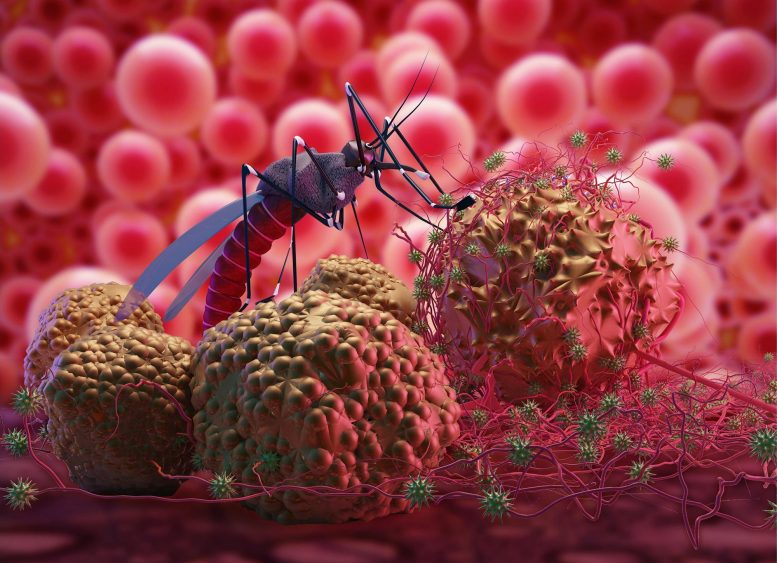
Antimalarial Mechanism
Artesunate's efficacy against Plasmodium parasites stems from its unique mode of action:
Peroxide Bridge Activation: In the acidic environment of the parasite's digestive vacuole, the peroxide bridge undergoes homolytic cleavage, generating reactive oxygen species (ROS) and carbon-centered radicals.
Protein Alkylation: These radicals alkylate heme and parasite proteins, disrupting mitochondrial function and membrane integrity.
Synergistic Effects: When combined with partner drugs like mefloquine or lumefantrine, artesunate prevents recrudescence by targeting different parasite life stages.
Clinical trials confirm its superiority over quinine: a 2020 meta-analysis of 12,000 patients showed artesunate reduced mortality by 34.7% in severe malaria cases, particularly cerebral malaria. The World Health Organization (WHO) now recommends intravenous (IV) artesunate as first-line therapy for severe malaria in all age groups.
Anticancer Potential
Artesunate's antiproliferative effects are attributed to:
Ferroptosis Induction: By depleting glutathione and increasing lipid peroxidation, artesunate triggers iron-dependent cell death in cancer cells with high iron uptake (e.g., ovarian, colorectal). A 2025 AACR abstract highlighted its ability to overcome chemoresistance in ovarian cancer by disrupting STAT3 signaling.
Angiogenesis Inhibition: Artesunate downregulates VEGF expression, starving tumors of nutrients. In hepatocellular carcinoma models, it reduced tumor volume by 60% when combined with sorafenib.
Epigenetic Modulation: It inhibits histone deacetylases (HDACs), altering gene expression in leukemia cells.
Phase I trials for cervical intraepithelial neoplasia (CIN2/3) reported 85% histopathological regression with minimal toxicity, paving the way for phase II studies in solid tumors.

.jpg?size=x0 "Artesunate Powder | Shaanxi Bloom Tech")
Antiviral and Immunomodulatory Effects
Artesunate exhibits broad-spectrum antiviral activity:
COVID-19: In vitro studies show it inhibits SARS-CoV-2 replication by targeting the papain-like protease (PLpro).
Herpes Simplex Virus (HSV): It reduces viral load by 90% in HSV-2-infected epithelial cells.
Additionally, artesunate modulates immune responses by suppressing TNF-α and IL-6 production, suggesting potential in autoimmune diseases like rheumatoid arthritis.
Clinical Applications
Severe Malaria Treatment
Dosage and Administration:
Adults/Children: 2.4 mg/kg IV at 0, 12, and 24 hours, followed by oral artemisinin combination therapy (ACT).
Pediatrics: No age-based dose adjustment required; safety confirmed in infants <6 months.
Outcomes: In a 2023 trial across 15 African countries, artesunate reduced coma recovery time by 12 hours vs. quinine (p<0.001). However, post-discharge neurological deficits (e.g., tremors, confusion) were slightly higher (8% vs. 5%), necessitating long-term follow-up.
Cancer Therapy
Solid Tumors:
Ovarian Cancer: A 2024 phase I trial combined artesunate (200 mg/day) with paclitaxel, achieving 58% partial response in platinum-resistant patients.
Colorectal Cancer: In patient-derived xenografts, artesunate enhanced 5-FU efficacy by 40%, reducing metastatic burden.
Hematological Malignancies:
Leukemia: Artesunate induced apoptosis in 70% of chronic myeloid leukemia (CML) cells via BCR-ABL inhibition.
Multiple Myeloma: It synergized with bortezomib to overcome drug resistance in relapsed patients.
Other Indications
Schistosomiasis: A 2022 study in Senegal reported 92% cure rates with artesunate-praziquantel co-administration.
Kaposi's Sarcoma: Artesunate monotherapy reduced lesion size by 50% in HIV-coinfected patients.
Emerging Therapeutic Roles

Oncology
Artesunate's ability to induce ROS and disrupt mitochondrial function has sparked interest in its anticancer potential. Preclinical studies demonstrate its efficacy against a broad range of malignancies, including leukemia, breast cancer, and glioblastoma. Mechanistically, artesunate:
Induces Apoptosis: By generating ROS, it activates caspase pathways and disrupts Bcl-2 family proteins, triggering programmed cell death.
Inhibits Angiogenesis: DHA downregulates vascular endothelial growth factor (VEGF), starving tumors of nutrients.
Overcomes Drug Resistance: Artesunate synergizes with chemotherapeutic agents like doxorubicin, enhancing efficacy in resistant cancer cells. Clinical trials are underway to evaluate artesunate's role in solid tumors and hematological malignancies. A 2020 phase II trial in metastatic colorectal cancer reported a 6-month progression-free survival rate of 45% when artesunate was added to standard chemotherapy, though larger studies are needed to confirm these findings.
Antiviral and Anti-inflammatory Applications
Artesunate exhibits antiviral activity against hepatitis B, hepatitis C, and herpes simplex viruses in vitro, though clinical data remain limited. Its anti-inflammatory properties, mediated by inhibition of NF-κB signaling, suggest potential in autoimmune diseases like rheumatoid arthritis and systemic lupus erythematosus. Early-stage trials are exploring these applications, with promising results in animal models of multiple sclerosis.


Other Parasitic Infections
Artesunate's broad-spectrum antiparasitic activity extends to schistosomiasis, a neglected tropical disease caused by Schistosoma worms. Studies in mice show that artesunate reduces worm burden and egg production by targeting heme metabolism in the parasites. Similarly, its efficacy against Toxoplasma gondii and Leishmania species highlights its potential as a pan-antiparasitic agent.
Future Directions and Innovations
Nanotechnology-Based Delivery:
Liposomal Artesunate: Enhances tumor targeting and reduces systemic toxicity. A 2023 Nature Nanotechnology study showed 10-fold higher accumulation in breast cancer xenografts vs. free drug.
Polymeric Micelles: Improve solubility and stability for oral formulations.
Combination Therapies:
Malaria: Artesunate-pyronaridine (2024 FDA approval) shows 98% efficacy against multidrug-resistant strains.
Cancer: Artesunate + immunotherapy (e.g., pembrolizumab) is in phase II trials for NSCLC.
Repurposing for Neglected Diseases:
Chikungunya/Zika Viruses: Artesunate inhibits viral replication in vitro.
Idiopathic Pulmonary Fibrosis (IPF): Early trials suggest antifibrotic effects via TGF-β inhibition.
Overcoming Resistance:
Triple ACTs: Adding a third drug (e.g., pyronaridine) to slow resistance evolution.
Artemisinin Resistance Mapping: Genomic surveillance to track K13 mutations in real time.
Artesunate exemplifies the transformative potential of natural product-derived therapeutics. From saving millions from malaria to pioneering ferroptosis-based cancer treatments, its journey underscores the importance of interdisciplinary innovation. As research unravels its full spectrum of activities, artesunate is poised to redefine treatment paradigms across infectious diseases, oncology, and beyond. However, ensuring equitable access and addressing emerging resistance remain critical challenges. With sustained investment in R&D and global health partnerships, artesunate could well become a 21st-century panacea, bridging the gap between traditional medicine and cutting-edge science.
Hot Tags: artesunate powder, suppliers, manufacturers, factory, wholesale, buy, price, bulk, for sale, 1 3 dimethylpentylamine hydrochloride, IPTG reagent, tetramisole hcl powder, Pure Creatine Monohydrate Powder CAS 6020 87 7, DL Sulforaphane CAS 4478 93 7, Isoflurane Solution