




Shaanxi BLOOM Tech Co., Ltd. is one of the most experienced manufacturers and suppliers of mitoquinone mesylate cas 845959-50-4 in China. Welcome to wholesale bulk high quality mitoquinone mesylate cas 845959-50-4 for sale here from our factory. Good service and reasonable price are available.
Mitoquinone mesylate (MitoQ) is a synthetic antioxidant based on the structural modification of coenzyme Q10 (CoQ10). This compound forms an antioxidant molecule with mitochondrial targeting ability by conjugating the ubiquinone group of CoQ10 with triphenylphosphine (TPP) cation. This substance appears as an orange waxy solid in its pure state, and its color may vary depending on the concentration and solvent environment. In ethanol solution, it may appear as a light purple to brown color. This appearance feature is related to the conjugated system in its chemical structure, reflecting its molecular properties as an antioxidant.
This substance is soluble in dimethyl sulfoxide (DMSO) at a concentration of up to 10 mg/ml, but its solubility in water is relatively low. The core mechanism of action of MitoQ lies in its ability to target mitochondria. The TPP cation interacts with the negative potential of the mitochondrial inner membrane, causing the concentration of MitoQ in mitochondria to reach hundreds of times that of non targeted antioxidants.

|
Chemical Formula |
C38H47O7PS |
|
Exact Mass |
678.28 |
|
Molecular Weight |
678.82 |
|
m/z |
678.28 (100.0%), 679.28 (41.1%), 680.28 (5.5%), 680.27 (4.5%), 680.28 (2.7%), 681.28 (1.9%), 680.28 (1.4%), 681.29 (1.1%) |
|
Elemental Analysis |
C, 67.24; H, 6.98; O, 16.50; P, 4.56; S, 4.72 |
|
|
|


Mitoquinone mesylate is a mitochondrial targeted antioxidant based on the structural modification of coenzyme Q10 (CoQ10). Its core design is to deliver antioxidant activity to the mitochondrial matrix through triphenylphosphine (TPP) cations, thereby efficiently clearing reactive oxygen species (ROS). Since its development in New Zealand in the late 1990s, MitoQ has moved from laboratory to clinical applications and has become an important tool in the field of mitochondrial medicine.
Basic research: Model tools for mitochondrial functional regulation
MitoQ is widely used as a model tool for mitochondrial functional regulation in basic research, and its targeting makes it an ideal probe for studying mitochondrial oxidative stress, energy metabolism, and cell apoptosis.
Mitochondrial oxidative stress model: MitoQ can detect mitochondrial superoxide generation and quantify the degree of oxidative damage using the fluorescent dye MitoSOX Red. For example, in the cold storage (CS) - induced kidney cell injury model, MitoQ treatment significantly reduced mitochondrial superoxide levels, while the control compound DecylTPP had no such effect, demonstrating its specific protective effect.


Research on mitochondrial energy metabolism: MitoQ can be used to study the relationship between energy metabolism and cellular function by regulating mitochondrial membrane potential and ATP synthesis. In pancreatic cell models, MitoQ dose dependently increases serum amylase activity, suggesting its regulatory role in pancreatic exocrine function.
Exploration of apoptosis mechanism: MitoQ can prolong cell survival time by inhibiting mitochondrial pathway induced apoptosis. In glioma models, MitoQ treatment can reduce tumor cell apoptosis, prolong mouse survival, and provide new ideas for anti-cancer research.
Disease treatment: potential clinical applications in multiple fields
As a mitochondria-targeted specific antioxidant, MitoQ has exhibited excellent therapeutic potential in the research of various refractory diseases, covering multiple research fields including neurodegenerative diseases, cardiovascular diseases, metabolic syndromes, and malignant tumors. Its core functional mechanism relies heavily on the mitochondria-targeted protective property. MitoQ can precisely regulate mitochondrial oxidative stress levels, maintain the structural and functional stability of mitochondria, and exert disease-intervening effects from the core perspective of cellular energy metabolism.


Alzheimer's Disease: Abnormal deposition of β-amyloid protein is one of the core pathological hallmarks of Alzheimer's disease, which continuously induces excessive production of mitochondrial reactive oxygen species (ROS), disrupts the neuronal oxidative balance, and further triggers neuronal damage and apoptosis. MitoQ can precisely target neuronal mitochondria, effectively inhibit the excessive accumulation of mitochondrial ROS mediated by β-amyloid protein, reduce persistent neuronal damage caused by oxidative stress, and maintain the normal physiological functions of neurons.
Multiple animal experiments have further confirmed that long-term MitoQ intervention can effectively improve learning, memory and cognitive abilities of model mice, significantly delay the pathological progression of Alzheimer's disease, and provide a reliable experimental basis for early intervention of this disease.
Parkinson's Disease: Mitochondrial dysfunction and oxidative stress imbalance in dopaminergic neurons are key triggers of motor dysfunction in Parkinson's disease, which directly lead to damage of the nigrostriatal system and cause motor disorders such as limb tremor and bradykinesia.


MitoQ can specifically act on cerebral dopaminergic neurons, effectively inhibit mitochondrial oxidative stress responses, reduce neuronal damage caused by oxygen free radicals, and protect neuronal survival and normal functions. A large number of preclinical studies have clearly verified that MitoQ can significantly alleviate pathological damage to the nigrostriatal system, effectively improve motor dysfunction in model animals, and provide a novel targeted intervention strategy for the treatment of Parkinson's disease.
Myocardial Ischemia-Reperfusion Injury: The myocardial ischemia-reperfusion process triggers severe mitochondrial oxidative stress and inflammatory responses, inducing massive cardiomyocyte apoptosis and impaired myocardial contractile function, which are important factors aggravating myocardial injury and postoperative complications. By maintaining the structural integrity of cardiomyocyte mitochondria, MitoQ can effectively inhibit cardiomyocyte apoptosis induced by ischemia-reperfusion and repair impaired myocardial contractile function.


Studies in standardized animal models have proven that MitoQ intervention can markedly reduce the area of myocardial infarction lesions, decrease the incidence of arrhythmia after reperfusion, and exert significant protective and repairing effects on ischemic myocardial injury.
Atherosclerosis: Abnormal elevation of mitochondrial ROS in vascular endothelial cells is the initiating factor inducing vascular inflammation and foam cell formation, as well as the core driving force for the occurrence and progression of atherosclerosis.
MitoQ can precisely inhibit the abnormal synthesis and release of mitochondrial ROS in vascular endothelial cells, relieve endothelial oxidative damage, reduce chronic local vascular inflammatory responses, and effectively suppress the transformation of macrophages into foam cells and the deposition of vascular lipid plaques, thereby steadily delaying the pathological progression of atherosclerosis and maintaining vascular endothelial homeostasis.
Insulin resistance: MitoQ can improve insulin sensitivity in skeletal muscle and liver, and lower blood sugar levels.

In obese mouse models, MitoQ treatment can reduce fat accumulation and improve metabolic indicators.
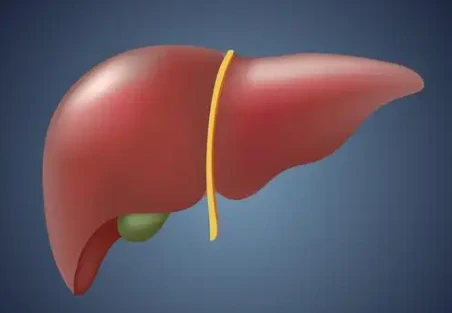
Non alcoholic fatty liver: MitoQ can alleviate steatosis and improve liver function by reducing mitochondrial ROS levels in liver cells.
Breast cancer: MitoQ can inhibit the proliferation and migration of tumor cells and reduce the risk of metastasis. In vitro experiments showed that MitoQ treatment could induce apoptosis of breast cancer cells and inhibit tumor growth.
Glioma: MitoQ can enhance chemotherapy drug sensitivity and prolong mouse survival by regulating mitochondrial function. Preclinical studies have confirmed that the combination of MitoQ and temozolomide can significantly improve the therapeutic effect of glioma.
Dietary Supplement: A Daily Choice for Antioxidant Health Care
Mitoquinone mesylate, as a dietary supplement, has been launched in multiple countries worldwide and is mainly used for daily antioxidant health care. Its safety has been validated in multiple clinical trials and is suitable for long-term use by healthy individuals.
Antioxidant health: MitoQ can reduce oxidative damage and delay the aging process by clearing mitochondrial ROS. Animal experiments have shown that MitoQ treatment can prolong the lifespan of mice and improve cognitive and motor function in elderly mice.


Exercise recovery: In the field of sports medicine, MitoQ is used to accelerate muscle recovery after exercise. MitoQ can alleviate muscle fatigue and improve exercise performance by reducing exercise induced mitochondrial oxidative stress.
Skin Health: MitoQ can inhibit UV induced oxidative damage to skin cells, reduce wrinkle formation, and improve skin elasticity. In vitro experiments have shown that MitoQ treatment can increase collagen synthesis and delay skin aging.
Antiviral Application: Potential Treatment for HIV and SARS-CoV-2 Infection
MitoQ has demonstrated unique advantages in the field of antiviral therapy, with mechanisms involving mitochondrial protection and immune regulation.
Organ damage reversal: Mouse experiments have shown that MitoQ can reverse the harmful effects of HIV and antiretroviral therapy (ART) on mitochondria in the brain, heart, aorta, lungs, kidneys, and liver. MitoQ can improve organ function and reduce complications by reducing mitochondrial ROS levels.
Clinical trial support: Researchers suggest conducting MitoQ clinical trials in HIV infected individuals to evaluate its therapeutic potential for chronic HIV infection related comorbidities


Post exposure prophylaxis: As a post exposure prophylaxis medication, MitoQ (20 mg/day) taken within 72 hours of contact with confirmed cases can significantly reduce the risk of infection. The mechanism may involve inhibiting virus replication and regulating immune responses.
Lung injury protection: Animal experiments have shown that MitoQ can alleviate SARS-CoV-2-induced pneumonia response, reduce lung MPO activity and serum IL-6 levels, and improve lung function.

Synthetic Strategy
Mitoquinone mesylate is a coenzyme Q analogue consisting of a ubiquinone core, a ten-carbon alkyl linker and a triphenylphosphonium (TPP) targeting cation, with mesylate as the counteranion.
The dominant synthetic route employs idebenone as the starting material and proceeds in five stages: mesylation, reduction, nucleophilic phosphonium formation, oxidation and salt exchange.
A leaving group is first installed at the alkyl terminus, followed by substitution with triphenylphosphine. The hydroquinone moiety is then oxidised back to the active quinone form, and anion exchange completes the synthesis. This sequence avoids side reactions of the quinone scaffold under strongly nucleophilic conditions.
Key Synthetic Steps
Step 1: Mesylation. Idebenone is dissolved in dichloromethane with triethylamine as an acid scavenger. Reaction with methanesulfonyl chloride under ice-bath conditions converts the terminal hydroxyl group into a mesylate leaving group.
Step 2: Selective quinone reduction. Sodium borohydride in methanol reduces the ubiquinone ring to hydroquinone, stabilising the conjugated system and mitigating oxidative degradation during the subsequent phosphonium-forming step.
Step 3: Nucleophilic substitution. Under an inert atmosphere, the mesylate intermediate is refluxed with triphenylphosphine to undergo an SN2 reaction, yielding the triphenylphosphonium hydroquinone salt.
Step 4: Oxidation. The hydroquinone product is oxidised by air or mild oxidants to regenerate the antioxidatively active quinone structure.Step 5: Anion exchange. Bromide or mesylate byproducts are exchanged for mesylate anions to furnish the target mesylate salt.
Purification and Process Considerations
Crude product is routinely isolated preliminarily by diethyl ether precipitation, then further purified via column chromatography or preparative HPLC. The synthesis requires light exclusion and temperature control to suppress quinone oxidation and degradative side reactions; oxygen exclusion is particularly important during reduction and phosphonium formation.
The route benefits from readily available starting materials and controllable stepwise chemistry. Its main limitation is moderate overall yield across multiple steps. For large-scale manufacturing, critical process targets include impurity control in the oxidation and salt-exchange stages, as well as optimisation of product crystal form and stability.

Physical properties: A solid powder at ambient temperature with uniform colour and no distinctive odour. Compared with natural coenzyme Q10, it exhibits higher polarity and better dispersibility, making it suitable for aqueous-phase experiments and formulation development.
Biological properties: It possesses excellent biological permeability, enabling penetration across the mitochondrial double membrane. It shows negligible cytotoxicity, accumulates stably inside mitochondria, and sustains antioxidant protective effects.
Storage properties: Long-term storage is achievable under light-excluded, low-temperature and hermetically sealed conditions. The compound is light-sensitive; strong illumination readily induces oxidative molecular degradation. Slight caking may occur upon moisture exposure, therefore dry storage is required.
FAQ
Is MitoQ better than CoQ10?
+
-
– MitoQ is more effective at entering the mitochondria than standard CoQ10 supplements. – MitoQ can help support optimal mitochondrial function by combating free radical damage and helping to restore oxidative balance.
Is MitoQ safe to take daily?
+
-
While MitoQ's recommended daily dose is 10mg per day, clinical trials and studies have shown MitoQ to be safe well beyond the recommended dose.
Does MitoQ really work?
+
-
Yes, MitoQ really works. Backed by 30+ clinical trials and 900+ peer-reviewed papers, it's been shown to improve vascular function, boost exercise performance, and reduce oxidative stress at the cellular level.
Can you take MitoQ and CoQ10 together?
+
-
However, it may be ideal to take MitoQ as well as a low dose (50-100mg per day) of regular CoQ10 supplementation, as statins can reduce CoQ10 levels in the body.
Hot Tags: mitoquinone mesylate cas 845959-50-4, suppliers, manufacturers, factory, wholesale, buy, price, bulk, for sale, Bicuculline CAS 485 49 4, Norepinephrine Tartrate, L Epicatechin CAS 490 46 0, Phenothiazine Powder, Hydrocortisone Powder CAS 50 23 7, Promethazine Hydrochloride Powder CAS 58 33 3