




Deoxyguanosine Powder (2 '- deoxyguanosine) is a naturally occurring deoxyribonucleoside that is one of the basic building blocks of nucleic acids. It is composed of the purine base guanine and deoxyribose, which are connected by a β - N ⁹ - glycosidic bond.

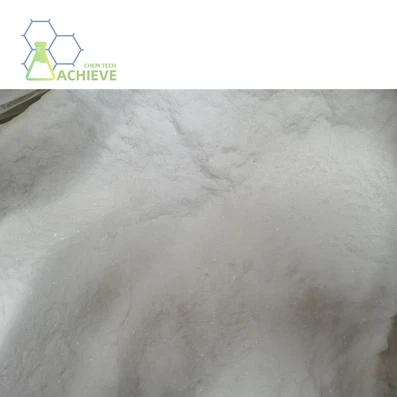
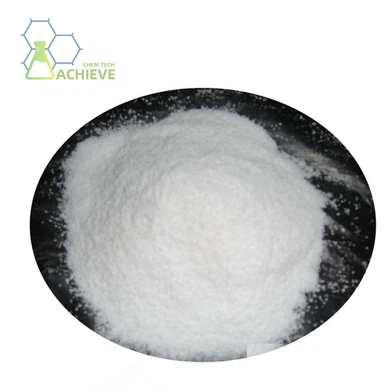
The appearance is white crystalline powder. It belongs to nucleoside compounds and appears as a white or grayish white solid powder at room temperature and pressure. As a component of genetic material, the sequence of 2 '- deoxyguanosine determines the genetic information of an organism.As a raw material for DNA synthesis, 2 '- deoxyguanosine is widely used in PCR (polymerase chain reaction), DNA sequencing, gene cloning and other technologies. Some nucleoside analogues (such as acyclovir) interfere with viral DNA synthesis by simulating the structure of 2' - deoxyguanosine, thereby exerting antiviral effects. Derivatives of 2 '- deoxyguanosine (such as gemcitabine) can be used to inhibit DNA synthesis in tumor cells. They assess the risk of oxidative stress-related diseases (such as cancer and neurodegenerative diseases) by detecting 8-OHdG levels in urine or tissue, and are used to synthesize oligonucleotides, probes, or modify nucleotides for applications in gene editing, diagnostic reagents, and other fields.
At the same time, our company not only provides pure powders, but also tablets and injections. If needed, please feel free to contact us at any time.
 |
 |

Additional information of chemical compound:
|
Product Name |
Deoxyguanosine Powder |
|
Product Type |
Powder |
|
Product Purity |
100g/1kg/etc. |
|
Product Form |
Organic synthesis |
|
|
|
Deoxyguanosine Powder
 |
||
|
|
||
|
|


Deoxyguanosine Powder is an important biochemical substance with wide applications in multiple fields. The following provides a detailed explanation of its uses in molecular biology, medical research, drug development, biomarker detection, industrial applications, and other areas:
Application in molecular biology research
2 '- Deoxyguanosine is one of the four standard nucleosides that make up DNA and plays a crucial role in the molecular structure of DNA. DNA is composed of deoxyribonucleotides, each consisting of deoxyribose, phosphate groups, and nitrogen-containing bases. The nitrogen-containing base in 2 '- deoxyguanosine is guanine, which combines with deoxyribose and phosphate groups to form deoxyguanosine acid, which is the basic raw material for DNA synthesis. During DNA replication, DNA polymerase uses parental DNA as a template and follows the principle of complementary base pairing (A and T pairing, G and C pairing) to add free deoxyribonucleotides one by one to the synthesized strand DNA. 2 '- deoxyguanosine, as the deoxynucleotide corresponding to the G base, accurately participates in the synthesis of subunit DNA, ensuring the accurate transmission of genetic information from parents to offspring. This is of great significance for the growth, development, reproduction, and maintenance of genetic stability of organisms.

Participate in molecular biology techniques such as PCR

PCR (polymerase chain reaction) is a technique for rapidly amplifying specific DNA fragments in vitro. This technology relies on the activity of DNA polymerase and four types of deoxyribonucleotides (including 2 '- deoxyguanosine) as raw materials. In the PCR reaction, the target DNA fragment is amplified exponentially through a cycle of three steps: high-temperature denaturation, low-temperature annealing, and medium temperature extension. 2 '- deoxyguanosine, as the deoxynucleotide corresponding to the G base, is added to the DNA strand being synthesized by DNA polymerase during the extension step, ensuring that the PCR product accurately reflects the sequence of the target DNA fragment. PCR technology is widely used in fields such as gene cloning, gene expression analysis, disease diagnosis, and forensic identification. In these applications, 2 '- deoxyguanosine is an essential raw material for PCR reactions, and its quality and purity directly affect the efficiency and specificity of PCR reactions.
DNA sequencing is the process of determining the sequence of base arrangements in DNA molecules. Modern DNA sequencing technologies, such as Sanger sequencing and high-throughput sequencing, rely on the reaction between DNA polymerase and four deoxyribonucleotides (including 2 '- deoxyguanosine). In sequencing reactions, DNA polymerase uses single stranded DNA as a template and adds deoxyribonucleotides with different labels to the synthesized DNA strand one by one according to the principle of complementary base pairing. By detecting these marker signals, the base sequence of the DNA strand can be determined. 2 '- deoxyguanosine, as the deoxynucleotide corresponding to the G base, plays a crucial role in sequencing reactions. DNA sequencing technology is one of the core technologies in genomics research, widely used in fields such as genome sequencing, transcriptome sequencing, and epigenetics sequencing. In these applications, Deoxyguanosine Powder is an essential raw material for sequencing reactions, and its quality and purity directly affect the accuracy and reliability of sequencing results.

Used for constructing gene expression vectors

Gene expression vector is a type of DNA molecule that can introduce exogenous genes into host cells and express them in the host cells. Constructing gene expression vectors usually requires connecting exogenous genes with vector DNA to form recombinant DNA molecules. In this process, it is necessary to use restriction endonucleases to cut the vector DNA and foreign genes, producing the same sticky or flattened ends, and then use DNA ligases to connect them together. 2 '- Deoxyguanosine, as a fundamental raw material for DNA synthesis, plays an important role in the amplification, cleavage, and ligation processes of vector DNA and exogenous genes. Gene expression vectors are widely used in fields such as gene function research, gene therapy, and biopharmaceuticals. In these applications, 2 '- deoxyguanosine is an important raw material for constructing gene expression vectors, and its quality and purity directly affect the construction efficiency and expression effect of recombinant DNA molecules.
Gene knockout and knock in techniques are important tools for studying gene function and regulatory mechanisms in modern molecular biology research. Gene knockout refers to the process of inactivating target genes in an organism through specific methods, while gene knock in refers to inserting exogenous genes into specific genomic locations within the organism. These technologies typically rely on homologous recombination or gene editing techniques, such as CRISPR/Cas9, involving processes such as DNA cutting, ligation, and repair. 2 '- deoxyguanosine plays an indispensable role as a fundamental raw material for DNA synthesis in these processes. Gene knockout and knock in techniques are widely used in fields such as gene function research, disease model construction, and gene therapy. In these applications, 2 '- deoxyguanosine is an important raw material for gene editing technology, and its quality and purity directly affect the efficiency and accuracy of gene editing.

As a molecular marker

Molecular markers refer to specific molecules that can reflect the genetic characteristics or physiological status of an organism. In molecular biology research, 2 '- deoxyguanosine or its derivatives can serve as molecular markers for detecting the presence or changes of specific DNA sequences. For example, by designing primers for specific DNA sequences, amplifying the sequences using PCR technology, and then detecting the presence or quantity of the amplified products, the presence or expression level of the target DNA sequence can be determined. In this process, 2 '- deoxyguanosine is an important raw material for PCR reaction, and its quality and purity directly affect the accuracy and reliability of the detection results. Real time quantitative PCR technology can be used to detect the expression levels of specific genes in different tissues, developmental stages, or treatment conditions. In this process, 2 '- deoxyguanosine is an important raw material for PCR reaction, and its quality and purity directly affect the accuracy and sensitivity of gene expression analysis. Many genetic diseases are caused by mutations or deletions in specific genes. By designing primers for mutated genes, amplifying gene fragments using PCR technology, and then detecting the presence of mutations through sequencing or restriction fragment length polymorphism (RFLP) methods, early diagnosis of genetic diseases can be achieved. In this process, 2 '- deoxyguanosine also plays a crucial role.
DNA damage refers to chemical or physical changes that occur in DNA molecules, resulting in the breakage of base, sugar, or phosphodiester bonds. DNA damage is a common threat faced by living organisms, which can be caused by endogenous factors (such as oxidative stress, metabolites, etc.) or exogenous factors (such as ultraviolet radiation, chemicals, etc.). In order to maintain the stability of the genome, organisms have developed a complex DNA damage repair mechanism. Deoxyguanosine Powder, as one of the fundamental components of DNA, plays an important role in DNA damage and repair processes. For example, under oxidative stress conditions, the guanine base of 2 '- deoxyguanosine is easily oxidized to form 8-hydroxy-2' - deoxyornithine (8-OHdG), a common DNA oxidative damage product. By detecting the level of 8-OHdG, the degree of oxidative stress faced by organisms and the effectiveness of DNA damage repair mechanisms can be evaluated.

Used for studying the mechanisms of DNA damage and repair

Oxidative stress refers to a state in which the oxidative and antioxidant processes in an organism are imbalanced and tend towards oxidation. Oxidative stress can cause oxidative damage to DNA, proteins, and lipids, leading to various diseases. By studying the production and repair mechanism of the oxidative product 8-OHdG of 2 '- deoxyguanosine under oxidative stress conditions, we can gain a deeper understanding of the effects of oxidative stress on organisms and their antioxidant defense mechanisms. The occurrence and development of cancer are closely related to abnormalities in DNA damage and repair mechanisms. Many cancer cells have defects in DNA repair ability, leading to genomic instability and mutation accumulation. By studying the damage and repair mechanisms of 2 '- deoxyguanosine in cancer cells, we can reveal the mechanisms of cancer occurrence and development, as well as potential drug therapy targets.
Frequently Asked Questions
What is deoxyguanosine?
+
-
Deoxyguanosine is a nucleoside that comprises the nitrogenous base guanine linked to a deoxyribose sugar, and it serves as a building block of DNA. Its oxidized form, 8-hydroxy-20-deoxyguanosine, is a marker used to assess DNA oxidation and systemic oxidative stress.
What are the benefits of deoxyguanosine?
+
-
8-Hydroxy-2-deoxyguanosine prevents plaque formation and inhibits vascular smooth muscle cell activation through Rac1 inactivation.
What is the alternative name for deoxyguanosine monophosphate?
+
-
Showing metabocard for 2'-Deoxyguanosine 5'-monophosphate (HMDB0001044) 2'-Deoxyguanosine 5'-monophosphate, also known as deoxyguanylic acid or 2'-deoxy-GMP, belongs to the class of organic compounds known as purine 2'-deoxyribonucleoside monophosphates.
Hot Tags: deoxyguanosine powder, suppliers, manufacturers, factory, wholesale, buy, price, bulk, for sale, 1 3 Dimethylpentylamine, articaine hydrochloride powder, Medetomidine hydrochloride, pure procaine powder, Tetrahydrobiopterin BH4 Powder, Xylazine hydrochloride