




Shaanxi BLOOM Tech Co., Ltd. is one of the most experienced manufacturers and suppliers of levamisole powder in China. Welcome to wholesale bulk high quality levamisole powder for sale here from our factory. Good service and reasonable price are available.
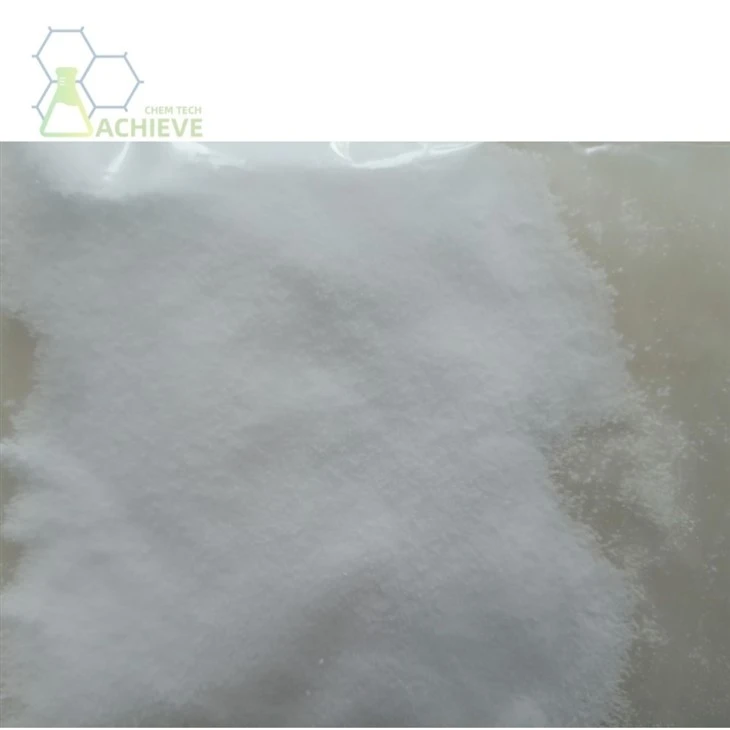
Levamisole powder, molecular formula C11H12N2S, CAS 14769-73-4, precise molecular weight value of 204.291 g/mol (some literature may fluctuate slightly due to differences in crystal water or salt form). Its appearance is a white to off white crystalline powder, odorless but bitter in taste. This characteristic needs to be masked by coating technology in the development of formulations to mask the adverse taste. In terms of crystal structure, it presents a needle like or crystalline powder form in the solid state, with a melting point range of 230-233 ° C (the melting point of the hydrochloride form is 226-229 ° C), indicating high thermal stability. It is an artificially synthesized broad-spectrum deworming drug that also has immunomodulatory effects. It is mainly used for the treatment of intestinal nematode infections (such as roundworm and hookworm) and filariasis, and can also be used as an auxiliary drug for immune deficiency or chronic infectious diseases. Its mechanism of action includes inhibiting the activity of parasitic metabolic enzymes, while enhancing the function of T lymphocytes and macrophages.

Additional information of chemical compound:

Our Product


Levamisole +. COA


Levamisole powder is a broad-spectrum insecticide that also has immunomodulatory effects. Its main functions include expelling intestinal parasites, regulating immune function, assisting in anti infection, assisting in anti-tumor treatment, and improving cellular immunity. The specific use must strictly follow the doctor's guidance.
1. Expel intestinal parasites
Levamisole inhibits the activity of succinate dehydrogenase in parasites, interferes with their anaerobic metabolism, and has a paralyzing effect on intestinal nematodes such as roundworms and hookworms, allowing them to be excreted through intestinal peristalsis. This drug has a good repellent effect on both adults and larvae, especially suitable for the treatment of roundworm disease.
2. Regulating immune function
This drug can enhance the responsiveness of T lymphocytes to mitogens, promote lymphocyte transformation, and increase the chemotactic activity of macrophages and neutrophils. This immune enhancing effect makes it suitable for treating immune related diseases such as recurrent respiratory infections and herpes.
3. Assist in anti infection measures
By enhancing the cellular immune function of the body, levamisole can assist in the treatment of certain chronic bacterial and viral infections.


In the combination chemotherapy regimen for leprosy, it is often used as an adjuvant to improve treatment efficacy.
4. Assisted anti-tumor therapy
As an immunomodulatory agent, this drug can enhance the cellular immune response of cancer patients and is often used in combination with chemotherapy drugs for adjuvant therapy of malignant tumors such as gastrointestinal tumors and lung cancer. It indirectly exerts anti-tumor effects by restoring damaged immune function.
5. Improve cellular immunity
Levamisole can selectively restore T lymphocyte function and correct immune imbalance. For autoimmune diseases such as rheumatoid arthritis and systemic lupus erythematosus, abnormal immune responses can be regulated, but the indications need to be strictly controlled.

Levamisole powder, as a synthetic drug with both insecticidal and immune regulatory functions, has undergone years of development in its synthsis methods, forming three major systems: chemical syntheis, biosyntheis, and chiral separation. This article will systematically review the mainstream synthsis pathways, combined with industrial application cases and the latest technological advances, to reveal the reaction mechanisms, process optimization directions, and industrial adaptability of different methods.
Method 1: Chemical synthesis method: the core path of industrial production
The chemical synthsis method dominates the production of levamisole due to its high yield and low cost advantages, and its core is to construct an imidazole thiazole ring system through multi-step reactions. According to the differences in starting materials, the mainstream routes can be divided into three categories: acetophenone method, styrene method, and epichlorohydrin method.
1. Acetophenone method: iterative upgrade of classic process
The acetophenone method uses acetophenone as the starting material and completes the construction of the core skeleton through four steps: halogenation, condensation, reduction, and cyclization
Acetophenone is reacted with bromine or chlorine to form α - bromoacetophenone. The reaction requires strict temperature control (0-5 ℃) to avoid multiple halogenated by-products. For example, a certain enterprise adopted a continuous flow reactor to shorten the reaction time from the traditional kettle style 6 hours to 40 minutes, and the yield increased to 92%.
α - bromoacetophenone and 2-aminothiazoline undergo dehydrohalogenation under alkaline conditions, resulting in the formation of 2-imido-3-benzoylmethylthiazoline hydrohalide. A research team increased the reaction yield from 75% to 88% by adding phase transfer catalysts such as tetrabutylammonium bromide.
Sodium borohydride or hydrogen is used to reduce the ketone carbonyl group, generating 2-imino-3- (α - hydroxyphenethyl) - thiazoline. A certain enterprise has developed a palladium carbon catalytic hydrogenation process, which achieves stereoselective reduction at 50 ℃ and 3MPa, and the optical purity of the product reaches 99.2%.
Dehydration and cyclization under concentrated sulfuric acid catalysis to produce tetraimidazole sulfate, which is then alkalized and salted with hydrochloric acid to obtain levamisole hydrochloride. A patented technology has shortened the cyclization time from 8 hours to 3 hours by optimizing the sulfuric acid concentration (85% -90%) and reaction temperature (110-120 ℃).
A large pharmaceutical company has adopted the acetophenone method with an annual production capacity of 200 tons, and its process highlights include:
Continuous halogenated reaction device to achieve precise feeding of bromine;
Membrane separation technology recovers unreacted acetophenone, increasing the utilization rate of raw materials to 98%;
Crystallization process optimization, product particle size distribution D90 ≤ 50 μ m, meeting injection grade requirements.
2. Styrene process: innovative exploration of resource utilization
The styrene method uses styrene as raw material and constructs key intermediates through three steps of addition, cyclization, and chlorination:
Addition reaction: Styrene reacts with dichloroamine T in toluene to form N-p-toluenesulfonylstyrene imine. The pH of the reaction needs to be controlled at 8-9 to avoid imine hydrolysis.
Ring reaction: N-p-toluenesulfonylstyrene imine is condensed with aminoethanol and then chlorinated with thionyl chloride to form the key intermediate 3- (2-chloroethyl) -2-iminothiazolidine.
Cyclization reaction: Under alkaline conditions, the ring is closed to form tetraimidazole, which is then manually separated to obtain levamisole.
Technical bottleneck: This route presents the following challenges:
The cost of dichloroamine T is relatively high, accounting for 40% of the total raw material cost;
The chlorination reaction produces a large amount of HCl gas, which requires a supporting tail gas treatment device;
The yield of chiral separation step is only 65%, resulting in an increase in total cost.
3. Epoxy phenylethane method: an emerging direction in green chemistry
The epoxyphenylethane method uses epoxyphenylethane as the raw material and constructs the core structure through two steps of ring opening and closing:
Ring opening reaction: Epoxyphenylethane and 2-chloroethylamine hydrochloride undergo ring opening in water to form (R) -1-phenyl-2-aminoethanol. The pH of the reaction needs to be controlled at 9-10 to avoid amino oxidation.
Ring closure reaction: The Mitsunobu reaction is used to achieve intramolecular ring closure and generate levamisole base. This reaction uses triphenylphosphine and azodicarboxylate diester (DEAD) as reagents, which have the advantages of high stereoselectivity and mild reaction conditions.
Industrialization progress: A certain enterprise has developed a continuous flow Mitsunobu reaction device, achieving the following breakthroughs:
The reaction time has been shortened from the traditional kettle style 12 hours to 2 hours;
Reduce the amount of reagents by 50%, and the recovery rate of triphenylphosphine reaches 90%;
The optical purity of the product reaches 99.5%, meeting the standards of the European Pharmacopoeia.
Method 2: Biological Syntheis: Exploration of Environmentally Friendly Technologies
The biosynthetic method utilizes enzyme catalysis or microbial transformation to achieve green production of levamisole powder, with its core advantages being mild reaction conditions and high selectivity.
1. Enzyme catalyzed synthesis: precise construction of chiral centers
A research team utilized transaminase catalyzed asymmetric syntheis of acetophenone derivatives:
Substrate design: Synthesize acetophenone-2-amine as an enzyme catalyzed substrate, and the distance between its amino and carbonyl groups affects the binding of the enzyme's active center.
Enzyme screening: L-specific transaminase was screened from soil microorganisms, with a Km value of 0.5mM and a catalytic efficiency of 1200 s ⁻¹.
Reaction optimization: Under pH 7.5 and 37 ℃ conditions, using isopropylamine as the amino donor, the ee value of the product reached 99% after 24 hours of reaction.
Industrialization challenges:
The cost of enzyme preparations is relatively high, accounting for 35% of the production cost;
Low substrate solubility requires the development of new solvent systems;
The separation of products requires the use of simulated moving bed chromatography, which requires a large equipment investment.
2. Microbial Transformation: Exploring the Potential of Whole Cell Catalysis
A patented technology utilizes Pseudomonas sp. whole cell catalysis to produce levamisole from acetophenone:
Strain modification: By enhancing the dehalogenase and reductase activities of the strain through gene editing, the conversion rate was increased from 15% to 68%.
Fermentation optimization: Adopting a batch feeding strategy, 0.5% acetophenone was added at the 24th hour of fermentation, resulting in a product concentration of 4.2 g/L.
Product separation: Using macroporous resin adsorption method, the purity of the product reaches 98% and the recovery rate is 85%.
Economic analysis:
The cost of raw materials is reduced by 20% compared to chemical methods;
The fermentation cycle takes 72 hours and the equipment turnover rate is low;
The COD value of wastewater is reduced by 60% compared to chemical methods, which has significant environmental advantages.
Development trend:
Continuous production:
Technologies such as microchannel reactors and continuous flow crystallization will promote the upgrading of chemical syntheis towards high efficiency and safety.
Biological manufacturing:
Synthetic biology technology is expected to achieve low-cost preparation of enzyme preparations, breaking through the economic bottleneck of biosyntheis.
Green chemistry:
Solvent recovery, atomic economy optimization and other means will significantly reduce environmental load, in line with ESG development requirements.
The syntheis technology of Levamisole powder is undergoing a transformation from traditional chemical methods to green biological methods and continuous manufacturing. In the future, with breakthroughs in AI assisted enzyme design, continuous flow bioreactors, and other technologies, the syntheis process will achieve a unity of higher efficiency, lower cost, and better environmental performance.
Hot Tags: levamisole powder, suppliers, manufacturers, factory, wholesale, buy, price, bulk, for sale, 4 4 Diaminodiphenylsulfone CAS 80 08 0, pure procaine powder, Cryptotanshinone, ciprofloxacin powder, 4 Fluorotropacocaine, Norepinephrine Powder CAS 51 41 2