




Shaanxi BLOOM Tech Co., Ltd. is one of the most experienced manufacturers and suppliers of ondansetron liquid cas 99614-02-5 in China. Welcome to wholesale bulk high quality ondansetron liquid cas 99614-02-5 for sale here from our factory. Good service and reasonable price are available.
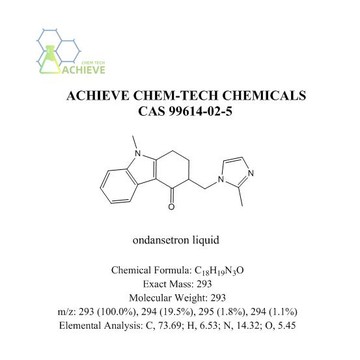
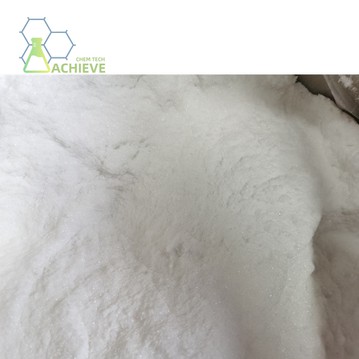
Ondansetron liquid, chemical name 1,2,3,9-tetrahydro-9-methyl-3- [(2-methyl-1H-imidazol-1-yl) methyl] -4H-carbazol-4-one, chemical formula C18H19N3O, white or almost white crystalline powder. It is odorless, bitter in taste, almost insoluble in water, and has low solubility in ethanol. However, it has high solubility in organic solvents such as methanol, acetone, and chloroform, making it easy to form a liquid. The lower vapor pressure indicates less volatility in the air. Sensitive to light, it is easy to decompose under light, so it needs to be stored away from light. In addition, ondansetron is unstable and easily hygroscopic under high temperature and humidity conditions. Clinically used to prevent or treat nausea and vomiting caused by chemotherapy drugs (such as cisplatin, doxorubicin, etc.) and radiotherapy. This product is a chemical front-end raw material and belongs to the primary chemical product. It is only used for scientific research and production by ondansetron. Shanxi BLOOM Tech Co., Ltd. also provides ondansetron hydrochloride, CAS 103639-04-9. Please consult us for details.

|
Chemical Formula |
C18H19N3O |
|
Exact Mass |
293 |
|
Molecular Weight |
293 |
|
m/z |
293 (100.0%), 294 (19.5%), 295 (1.8%), 294 (1.1%) |
|
Elemental Analysis |
C, 73.69; H, 6.53; N, 14.32; O, 5.45 |
|
|
|

This product is a highly selective 5-hydroxytryptamine (5-HT3) receptor antagonist, which can inhibit nausea and vomiting caused by chemotherapy and radiotherapy. It has high intensity and high selectivity, and can control vomiting caused by stimulation of receptors in the small intestine and CTZ. It is applicable to the treatment of nausea and vomiting caused by chemotherapy and radiotherapy, as well as the prevention and treatment of nausea and vomiting caused by surgery.
Ondansetron liquid is a potent and highly selective serotonin receptor antagonist that can effectively inhibit or alleviate nausea and vomiting caused by cytotoxic chemotherapy drugs and radiotherapy, with better efficacy than metoclopramide. It has a rapid and potent inhibitory effect on vomiting caused by certain potent emetic chemotherapy drugs (such as cisplatin, cyclophosphamide, doxorubicin, etc.), but is ineffective against motion sickness and vomiting caused by apomorphine. The specific mechanism of action of ondansetron is currently not fully understood.

It is generally believed that chemotherapy and radiotherapy can cause small intestinal chromaffin cells to release 5-hydroxytryptamine (5-HT), which stimulates the vagus nerve through 5-HT3 receptors, leading to vomiting reflex. The use of ondansetron can block this reflex. This effect is 100 times stronger than the traditional antiemetic drug metoclopramide. The excitation of the vagus nerve can also cause the release of 5-HT in the posterior branch of the fourth ventricle, and 5-HT can also induce vomiting through central mechanisms.
Therefore, the mechanism by which ondansetron controls nausea and vomiting caused by cytotoxic chemotherapy drugs and radiotherapy may be related to its antagonism of peripheral and central 5-HT3 receptors. The mechanism of ondansetron in treating postoperative nausea and vomiting is not yet clear. At the same time, ondansetron can enhance gastric emptying at antiemetic doses and help alleviate nausea; It also has anti anxiety and stabilizing effects on the central nervous system, which is beneficial for suppressing the excitement of the vomiting center.

Pharmacokinetics: ondansetron is rapidly absorbed by oral administration, and its bioavailability is about 60%. The plasma drug concentration reached the peak value (30ng/mL) 1.5h after a single oral dose of 8mg. After oral administration, it is rapidly distributed to all tissues of the body. The plasma protein binding rate is 70%~76%, and the apparent distribution volume (Vd) is 140L, which can be secreted through milk. The metabolism of drugs by oral administration is similar to that by intravenous injection in the body, which is mainly metabolized by the liver, with a half-life β About 3h. Metabolites are mainly excreted from feces and urine, and within 50% of them are excreted from the original urine. Repeated administration will not change its pharmacokinetics.


Ondansetron Liquid is a commonly used antiemetic drug that reduces nausea and vomiting by inhibiting neurotransmission in the gut and central nervous system. The following is a detailed description of the synthesis method and chemical equation of ondansetron:
The synthesis of ondansetron began with 1,2,3,9-tetrahydro-4H-carbazol-4-one (I). This starting material can be obtained through methods such as chemical synthesis or biosynthesis.
In the presence of organic bases such as sodium hydroxide and potassium hydroxide, I reacts with N-methylchloroacetamide (II) to obtain the N-methylated product (III). This reaction is usually carried out in organic solvents to promote the reaction.
Chemical equation: C12H11NO + C3H6ClNO → N-methylated product
Under acidic conditions, III reacts with formaldehyde to produce N-methylcarbazole aldehyde (IV). This reaction is usually carried out in the presence of acidic catalysts to promote the reaction.
Chemical equation: N-methylated product + HCHO → N-methylcarbazole aldehyde
Under alkaline conditions, IV reacts with ammonia or amino compounds to produce N-methylcarbazolamide (V). This reaction is usually carried out in organic solvents to promote the reaction.
Chemical equation: N-methylcarbazole aldehyde + NH2R → N-methylcarbazole amine
Among them, R represents the functional group of ammonia or amino compounds, such as methyl, ethyl, etc.
Perform deprotection reaction on V to obtain antiemetic ondansetron (VI). This reaction is usually carried out in the presence of acidic catalysts to promote the reaction.
Chemical equation: N-methylcarbazolamide → C18H19N3O
The above is a detailed description of the synthesis method and chemical equation of ondansetron. It should be noted that in the actual synthesis process, conditions may need to be optimized and adjusted according to specific circumstances. In addition, in order to ensure the quality and safety of the product, strict quality control and testing are required for each step of synthesis.

Medicinal chemistry
Ondansetron is an organic compound with the chemical formula C18H19N3O. It is a white or off white crystalline powder with no odor and a bitter taste. It is easily soluble in methanol, slightly soluble in water, and slightly soluble in acetone. Containing carbazole and imidazole rings, it is a highly selective 5-HT3 receptor antagonist. It can be artificially synthesized through multi-step reactions or extracted from certain plants. Its hydrochloride or acetate salts are commonly used and have antiemetic effects.
Pharmacology
Ondansetron is an antiemetic drug mainly used to prevent or treat nausea and vomiting caused by chemotherapy, radiation therapy, or surgery. The mechanism of action of ondansetron is to block the 5-HT3 receptors in the peripheral and central nervous system, and inhibit the excitation of vagal afferent nerves. Has no significant impact on the central nervous system and does not affect gastrointestinal motility. Combining with other antiemetic drugs such as dopamine receptor antagonists or glucocorticoids can enhance the antiemetic effect.
Pharmacokinetics
Ondansetron can be rapidly absorbed by the gastrointestinal tract, subcutaneous tissues, and mucous membranes, with an oral bioavailability of about 60%, and reaches the highest plasma concentration after intravenous injection. Ondansetron is mainly metabolized in the liver as a sulfate complex, with no active metabolites, approximately 86% excreted in urine and 14% excreted in feces. The half-life of plasma is approximately 3-4 hours and is dose independent. Can pass through the blood cerebrospinal fluid barrier and placental barrier
Drug dosage form
Ondansetron is available in injection, oral tablets, oral liquids, and orally disintegrating tablets. The injection solution is 2ml: 4mg; Oral tablets are 4mg or 8mg; Oral solution is 5ml: 4mg; Oral disintegrating tablets are 4mg or 8mg.
Adverse drug reactions and contraindications
The adverse reactions of ondansetron mainly include headache, occasional constipation, diarrhea, fever, rash, liver dysfunction, etc. Prohibited for individuals allergic to ondansetron. Pregnant women, breastfeeding mothers, and children should use with caution. The contraindications for ondansetron include contraindications for individuals allergic to ondansetron or other 5-HT3 receptor antagonists; When used in combination with certain arrhythmic drugs such as quinolones and macrolides, it may increase the risk of QT interval prolongation and ventricular arrhythmia, so it should be avoided.
Clinical application
Ondansetron is mainly used to prevent or treat nausea and vomiting caused by chemotherapy, radiotherapy, or surgery. Often used in combination with other antiemetic drugs such as dopamine receptor antagonists or glucocorticoids to enhance antiemetic effects and reduce adverse reactions. Ondansetron is also listed on the World Health Organization's Essential Medicines List as a basic antiemetic drug.
Drug interactions
The combination of ondansetron liquid with other 5-HT3 receptor antagonists such as Granisetron and Torimiron can enhance its efficacy; When used in combination with certain arrhythmic drugs such as quinolones and macrolides, it may increase the risk of QT interval prolongation and ventricular arrhythmia, so it should be avoided; When used in combination with certain liver enzyme inhibitors such as cimetidine and erythromycin, it may increase the plasma concentration of ondansetron, so the dosage should be adjusted; When used in combination with certain liver enzyme inducers such as phenytoin sodium and rifampicin, it may reduce the plasma concentration of ondansetron, so the dosage should be adjusted

Ondansetron is a highly efficient and selective 5-HT ∝ (5-hydroxytryptamine type 3) receptor antagonist, mainly used for the prevention and treatment of nausea and vomiting (CINV, RINV, PONV) caused by chemotherapy, radiotherapy, and surgery. Its liquid dosage form (Ondansetron Liquid) has unique advantages in clinical practice, especially suitable for children, elderly patients, and patients with swallowing difficulties.
In the 1970s, dopamine receptor antagonists (such as metoclopramide) and antihistamines (such as diphenhydramine) were used for antiemetic purposes, but their effects were limited and their side effects were significant (such as extrapyramidal reactions and sedation). With the widespread application of chemotherapy in cancer treatment, finding more effective antiemetic drugs has become an urgent need.
In the 1980s, scientists discovered that chemotherapy drugs can stimulate intestinal chromaffin cells to release serotonin (5-HT), which in turn activates the vagus nerve and central chemosensory trigger zone (CTZ), leading to vomiting. This discovery prompted researchers to explore 5-HT receptor antagonists as a novel antiemetic drug.
In the early 1980s, a research team from the British company Glaxo (now GSK) began systematic studies on 5-HT3 receptor antagonists. They found that early compounds such as Metoclopramide, although having some antiemetic effects, had significant extrapyramidal side effects due to their dopamine D ₂ receptor antagonistic effects. Therefore, the team's goal is to develop a highly selective 5-HT ∝ receptor antagonist to reduce side effects.
Chemists David Tattersall and John Richardson from GlaxoSmithKline optimized the structure of Carbazolone and ultimately synthesized Ondansetron (GR 38032F) in 1984. Its chemical name is 1,2,3,9-tetrahydro-9-methyl-3- [(2-methyl-1H-imidazol-1-yl) methyl] -4H-carbazol-4-one, and its structural characteristics include:
Carbazolone core (providing high affinity for 5-HT ∝ receptors)
Methyl imidazole side chain (enhances selectivity and metabolic stability)
Chiral center (R configuration has stronger activity)
Hot Tags: ondansetron liquid cas 99614-02-5, suppliers, manufacturers, factory, wholesale, buy, price, bulk, for sale, Tetrahydrobiopterin BH4 Powder, 4 Fluorotropacocaine, procaine powder, Procaine Hydrochloride, 99 9 pure lidocaine powder, tetravisc