




Shaanxi BLOOM Tech Co., Ltd. is one of the most experienced manufacturers and suppliers of phenothiazine powder cas 92-84-2 in China. Welcome to wholesale bulk high quality phenothiazine powder cas 92-84-2 for sale here from our factory. Good service and reasonable price are available.
Phenothiazine powder is an organic compound with the molecular formula C12H9NS, CAS 92-84-2, and is a yellow to greenish gray powder or sheet-like crystal. Easy to dissolve in benzene, soluble in ether and hot acetic acid, slightly soluble in ethanol and mineral oil, almost insoluble in petroleum ether; Chloroform and water. Long term storage can darken the color and cause oxidation and sublimation under sunlight exposure. Phenothiazine is the core component of phenothiazine and an intermediate in fine chemicals such as drugs and dyes. As an excellent alkenyl monomer inhibitor, it is widely used in the production of acrylic acid, acrylate, methacrylate, and vinyl acetate. It is also used in the synthesis of drugs and dyes, polyethers, antioxidants, and rubber antioxidants. Also used as an insecticide for livestock and fruit trees. It is an additive for synthetic materials (polymerization inhibitors used in Vinylon production), fruit tree insecticides, and animal repellents. It has a significant effect on gastric torsion, nodular worms, oral suppressive nematodes, diatoms, and nematodes in sheep, cattle, sheep, and horses. As an important organic compound, it has broad application prospects in various fields such as drug synthesis, chemical industry, agricultural production, animal husbandry, and dye synthesis.

|
Chemical Formula |
C12H9NS |
|
Exact Mass |
199 |
|
Molecular Weight |
199 |
|
m/z |
199 (100.0%), 200 (13.0%), 201 (4.5%) |
|
Elemental Analysis |
C, 72.33; H, 4.55; N, 7.03; S, 16.09 |
|
Morphological |
prills or beans |
|
Color |
yellow |
|
Melting point |
184 ° C |
|
Boiling point |
371 ° C (lit.) |
|
Density |
1.362, |
|
Storage conditions |
store below + 30 ° C |
|
solubility alcohol |
solublesoluble 40 parts of solvent |
|
Acidity coefficient ( pKa ) |
PKA 2.52 (uncertain) |
|
Flash point |
202 ° C |
|
Solubility H2O |
0.002 mg / ml |
|
Vapor density |
0.0000647 PA (20 ° C) |
|
Refractive index |
1.6353 |
|
PH value |
6 (10g / L, H2O, 20 ℃) (acute suspension) |
|
Water solubility |
mg / L (25 º C) |
|
|
|


Phenothiazine powder is an organic compound with a tricyclic structure, with a molecular formula of C ₁₂ H ₉ NS. Its core structure consists of two benzene rings connected by sulfur and nitrogen atoms. Since its discovery in the 1940s, phenothiazine and its derivatives have shown extensive application value in fields such as medicine, chemical engineering, and agriculture. The following systematically summarizes all its uses from four dimensions: pharmaceutical use, chemical use, agricultural use, and special applications.
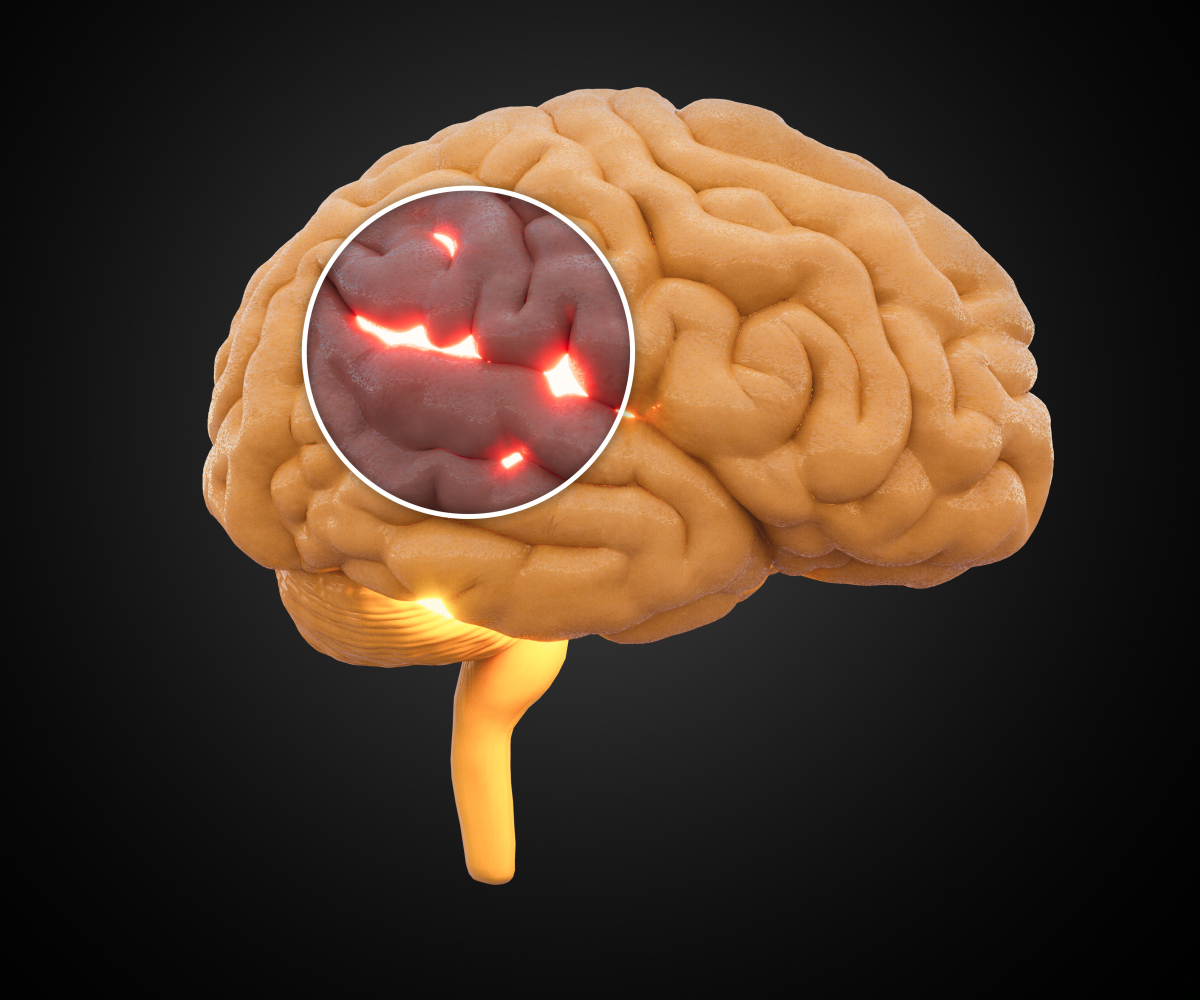
Phenothiazine drugs are the core representatives of classic antipsychotic drugs, which exert therapeutic effects by regulating dopamine receptors in the central nervous system. Their clinical applications cover multiple fields such as mental illness, vomiting control, and cardiovascular regulation.
1. Antipsychotic Treatment: Core Medications for Schizophrenia and Mania
Phenothiazine drugs effectively control positive symptoms (such as hallucinations, delusions, and thinking disorders) and some negative symptoms (such as emotional apathy and social withdrawal) of schizophrenia by blocking dopamine D ₂ receptors in the midbrain limbic system and midbrain cortex pathways. Representative drugs include:

Chlorpromazine: The first phenothiazine drug used clinically, which can significantly improve agitation behavior in patients with acute schizophrenia and is also used for maintenance treatment of chronic schizophrenia.
Fennaijing: It is more effective in improving negative symptoms and is suitable for patients with mainly emotional apathy.
Fluphenazine: Long acting injectable forms (such as decafluphenazine) can be injected once a month to improve patient compliance.
In addition, phenothiazine drugs are also effective in treating manic episodes and organic mental disorders (such as post-traumatic brain injury mental disorders), and can control excitatory and aggressive behavior.
2. Antiemetic effect: prevention of chemotherapy and postoperative vomiting
Phenothiazine drugs have significant antiemetic effects on drug-induced vomiting (such as chemotherapy drugs, opioid analgesics), radiation sickness vomiting, and postoperative nausea and vomiting by blocking dopamine receptors in the medullary emetic chemosensory zone. For example:
Promethazine: often used in combination with 5-HT receptor antagonists to enhance antiemetic effects in chemotherapy patients.
Prochloraze: Used for the prevention of postoperative vomiting, especially for nausea caused by anesthetics.
3. Cardiovascular regulation: Low temperature anesthesia and artificial hibernation
Chlorpromazine can inhibit the hypothalamic thermoregulatory center, causing body temperature to change with environmental temperature.


When combined with other drugs such as promethazine and pethidine, it forms a "hibernation mixture" for:
Low temperature anesthesia: reduces tissue metabolic rate and minimizes surgical bleeding.
Severe traumatic/septic shock: By dilating peripheral blood vessels, improving microcirculation, and enhancing patient tolerance to shock.
4. Other pharmaceutical applications
Antihistamines: Phenothiazine was initially developed as an antihistamine, while promethazine is still used for the treatment of allergic diseases to this day.
Antiviral/anti-tumor potential: Studies have found that phenothiazine drugs may exert potential effects by interfering with virus replication or inducing tumor cell apoptosis, but this is still in the experimental stage.
Phenothiazine powder, as an important intermediate in organic synthesis, is widely used in the preparation of dyes, polymer additives, and functional materials.
1. Dye synthesis: raw materials for dyes such as methylene blue
Phenothiazine is the core raw material for manufacturing methylene blue (methylene blue), which is used for:
Biological staining: marking cell nuclei in cytological experiments.
Industrial dyeing: dyeing of protein fibers such as silk and wool.
Chemical indicator: detects oxidation-reduction reactions.


2. Polymer additives: polymerization inhibitors and stabilizers
Phenothiazine and its derivatives can serve as polymerization inhibitors for vinyl monomers and are widely used in:
Production of acrylic acid/methacrylate: prevent monomer polymerization during storage and transportation.
Vinyl acetate polymerization: controlling the polymerization reaction rate to improve product quality.
Vinylon synthesis: As a polymerization inhibitor, it prolongs the storage life of monomers.
3. Synthesis of functional materials: precursor of optoelectronic materials
The conjugated structure of phenothiazine makes it a precursor for organic optoelectronic materials such as organic light-emitting diodes and solar cells, and its electronic transport properties can be regulated through chemical modification.
Phenothiazine and its derivatives are mainly used in the agricultural field for animal deworming and plant protection, with high efficiency and low residue characteristics.
1. Livestock anthelmintics: broad-spectrum antiparasitic activity
Phenothiazine has significant insecticidal effects on various parasites in cattle, sheep, and horses, including:
Twisting stomach worms: disrupt neurotransmitter transmission in the worms, leading to paralysis and death.
Nodular worms/mouth suppressant nematodes: interfere with the metabolism of the parasite and inhibit its reproduction.
Fine necked nematodes: exert insecticidal effects by disrupting the cell membrane structure of their bodies.
The typical formulation is phenothiazine thiosulfate. After oral administration, the parasite is excreted with feces, and the deworming rate can reach over 90%.


2. Fruit tree insecticides: a low toxicity and efficient choice
Phenothiazine compounds can be used for pest control of aphids, red spider mites, and other pests in fruit trees such as apples and citrus. Their mechanisms of action include:
Neurotoxicity: interferes with the nervous system function of pests, leading to paralysis and death.
Food refusal effect: It causes pests to develop aversive reactions and reduces feeding.
Compared with organophosphate insecticides, phenothiazine insecticides have the advantages of low toxicity to mammals and short environmental residues.
1. Laboratory research: Biomarkers and molecular probes
The fluorescence properties of phenothiazine make it an ideal tool for biomarkers, such as:
Cell imaging: Labeling proteins or nucleic acids through covalent modifications.
Reactive oxygen species detection: Phenothiazine derivatives can be used as probes to detect intracellular oxidative stress levels.
2. Industrial additives: rubber anti-aging agents and antioxidants
Phenothiazine compounds can serve as rubber anti-aging agents, delaying rubber aging by capturing free radicals, and are also used for:
Lubricating oil antioxidant: prevents lubricating oil from oxidizing and deteriorating at high temperatures.
Polymer stabilizer: improves the thermal stability of materials such as polyethylene and polypropylene.


Phenothiazine powder was synthesized from diphenylamine by sulfurization catalyzed by iodine.
Mix diphenylamine, iodine tablets and sulfur, heat to 200 ℃ for 2h, and then directly heat to 220-250 ℃ with superheated steam. After the reaction material was separated from water, it was washed with a mixture of ethanol and Urotropine (mass ratio 1.5:1), dried and crushed to obtain a product.
Benzothiophene is an organic compound, which can be synthesized in the laboratory by various methods. The following is one of the commonly used methods:
Step 1: Preparation of Phenylthiourea
Reaction formula: C6H7N+CH8N2O3 → ammonium phenyl carbamate
Reaction formula: ammonium phenyl carbamate+CH4N2S+acid → C12H9NS
Step 2: Prepare Phenothiazine
Reaction formula: C7H8N2S+C2H4BrNO → C12H9NS
During this synthesis process, the following points need to be noted:
1.
When operating in the laboratory, please follow the safety operating procedures and wear appropriate protective equipment, such as gloves, glasses, and laboratory coats.
2.
Use high-quality reagents and solvents and ensure their purity.
3.
Depending on specific experimental conditions, it may be necessary to adjust the molar ratio of reactants, reaction temperature, and reaction time to obtain the best yield and purity.
After completing the synthesis, appropriate techniques such as crystallization and column chromatography can be used to purify the product.

Another commonly used method for the synthesis of Phenothiazine is to react with benzene cyclic phenol and sulfur powder in the presence of Iron(III) chloride (FeCl3). The following are the brief steps of this method:
Step 1: Preparation of benzene cyclic phenol sulfur complex
Prepare phenol and sulfur powder. Mix phenol (0.1 mol, 15.1 g) and sulfur powder (0.1 mol, 16.1 g) in a dry Round-bottom flask. Add a small amount of benzene (5 milliliters) as the solvent to facilitate the reaction.
Reaction formula:
C6H6O+S → C6H5OS
Then, drop Iron(III) chloride (FeCl3) solution into the flask. This solution is usually prepared by dissolving FeCl3 (1.5 moles, 176.2 grams) in dry benzene (200 milliliters).
Step 2: Prepare Phenothiazine
After obtaining the phenol sulfur complex, the reaction is carried out in a Round-bottom flask with a proper cooling device. At low temperature (usually 0-5 ℃), add iodinated hydrocarbon (such as Iodomethane or Ethyl iodide, 0.1 mole) and appropriate sodium hydroxide (NaOH) solution (concentration is 10%), and heat the reaction mixture under stirring condition.
Reaction formula:
C6H5OS+CH3I+NaOH → C12H9NS+NaI+H2O
The reaction is usually carried out in an organic solvent, such as ether, Dimethyl sulfoxide or chloroform. The heating reaction will promote the formation of Phenothiazine powder. After the reaction, the product can be separated and purified through appropriate methods such as extraction and washing.
Hot Tags: phenothiazine powder cas 92-84-2, suppliers, manufacturers, factory, wholesale, buy, price, bulk, for sale, chondroitin sulfate powder, 99 9 pure lidocaine powder, 3-Hydroxytyramine, Phenothiazine Powder, Isoflurane Solution, Cyclophosphamide monohydrate powder