




Paraxanthine powder, Also known as 1,7-dimethylxanthine, it is an important chemical substance with various biological and pharmacological activities. CAS: 611-59-6, Molecular formula: C7H8N4O2, molecular weight:180.16, white to off white solid, with a melting point of approximately 294-296 ° C and a boiling point of approximately 312.97 ° C.
Paraxanthine can inhibit the death of dopaminergic cells by stimulating Ryanodine receptor channels, which has potential application value in neuroprotection and treatment of neurodegenerative diseases. as a competitive phosphodiesterase inhibitor, can increase intracellular cAMP levels, activate PKA, and inhibit the synthesis of TNF - α and leukotrienes. Due to its various biological activities and pharmacological effects, Paraxanthine has broad application prospects in fields such as neuroscience, pharmacology, and clinical medicine.

|
|
|


| Chemical Formula | C7H8N4O2 |
| Molecular Weight | 180.16 |
| Exact Mass | 180.06 |
| m/z | 180.06 (100.0%), 181.07 (7.6%) |
| Elemental Analysis | C, 46.67; H, 4.48; N, 31.10; O, 17.76 |
| Melting point | 294-296 °C (lit.) |
| Boiling point | 312.97°C (rough estimate) |
| Flash point | 9℃ |
| Storage conditions | room temp |
| Form | solid |
| Color | white |
| Solubility | ethanol: 0.6mg/mL |
| stability | Store tightly sealed at RT |

Paraxanthine powder, As one of the main metabolites of caffeine, it has multiple uses, mainly based on its biological activity and pharmacological properties. Here are some of the main uses of Paraxanthine:
Paraxanthine is widely used in neuroscience research, particularly as a tool for studying the effects of caffeine and its metabolites on the nervous system. It can help scientists understand how caffeine affects neuronal activity, neurotransmitter release, and neuroprotective mechanisms.

Drug development

Paraxanthine has potential in drug development due to its phosphodiesterase inhibitory activity and its effect on adenosine receptors. For example, it can serve as a candidate for developing new drugs for the treatment of neurodegenerative diseases such as Parkinson's disease and Alzheimer's disease. In addition, it may also be used to develop cardiovascular drugs, anti-inflammatory drugs, and drugs for treating respiratory diseases such as asthma.
Paraxanthine is used in pharmacological studies to evaluate the metabolic pathways, pharmacokinetic properties, and drug interactions of caffeine and its metabolites in vivo. This helps scientists better understand the behavior of caffeine and its metabolites in the human body, providing a basis for rational drug use.

Biomarker

Paraxanthine can also serve as a biomarker for monitoring caffeine intake and evaluating caffeine metabolism ability. By detecting the concentration of Paraxanthine in urine or blood, individuals can understand the metabolic rate and efficiency of caffeine, thereby guiding the rational use of caffeine.
In the field of food science, Paraxanthine's research helps to understand the stability of caffeine during food processing and storage, as well as its changes in content in food. This is of great significance for the development of caffeinated foods and beverages.

Clinical trials
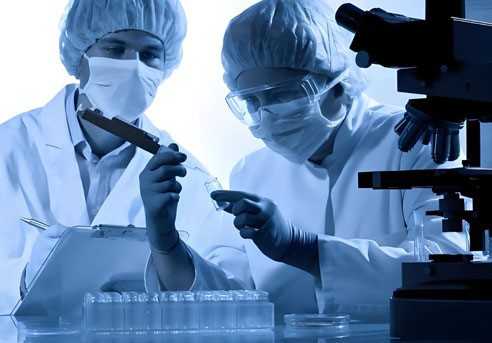
In clinical trials, the determination of Paraxanthine can be used to evaluate the efficacy and safety of caffeine in treating certain diseases such as migraine and depression. By comparing the changes in Paraxanthine levels in patients before and after using caffeine, the therapeutic effect of caffeine and the presence of adverse reactions can be evaluated.
what are the applications of paraxanthine in food science?
Paraxanthine powder, as one of the main metabolites of caffeine, is not widely used directly in food science because its main research and focus are on biological activity and pharmacological effects. However, understanding the relationship between Paraxanthine and caffeine, as well as its metabolic processes in the body, can provide some indirect insights for caffeine research and application in food science. In food science, the application of Paraxanthine can be indirectly reflected in the following aspects:
Caffeine content and stability assessment
Food scientists can evaluate the stability and shelf life of caffeine in food by analyzing the levels of caffeine and its metabolite Paraxanthine.
This is crucial for quality control of caffeinated beverages (such as coffee, tea, energy drinks) and foods (such as chocolate, certain snacks).
Caffeine metabolism research
Studying the generation and metabolic pathways of Paraxanthine in the body can help understand the metabolic differences of caffeine in different populations. This is of great significance for personalized customization of caffeine products in the food industry and consumer health guidance.
Food safety and regulatory compliance
In some countries and regions, the amount of caffeine in food is strictly limited. Therefore, food scientists need to pay attention to changes in the levels of caffeine metabolites such as Paraxanthine in food to ensure that products comply with relevant regulations and food safety standards.
New product development
By studying caffeine metabolites such as Paraxanthine, food scientists can explore the development of new caffeine containing food or beverage products. These products may have unique taste, health benefits, or market positioning.
Health claims and consumer education
Food manufacturers may use the biological activity of caffeine metabolites such as Paraxanthine to support the health claims of their products. However, this requires the support of scientific evidence and adherence to relevant regulations and ethical guidelines.
do paraxanthine have any side effects?
Neurological effects
Due to the structural similarity between Paraxanthine and caffeine, it may have similar excitatory effects on the nervous system. This may lead to symptoms such as insomnia, anxiety, restlessness, headaches, etc.
In extreme cases, excessive intake may lead to overactivation of the central nervous system, causing palpitations, tremors, and even hallucinations or seizures.
Cardiovascular system effects
Paraxanthine may promote sympathetic nervous system excitation, leading to increased heart rate and elevated blood pressure. Long term excessive intake may have adverse effects on cardiovascular health.
For individuals with a history of heart disease, Paraxanthine may induce or exacerbate symptoms of heart disease.
Digestive system impact
Caffeine and its metabolites may cause gastrointestinal discomfort, such as nausea, vomiting, diarrhea, and other symptoms. Although Paraxanthine's activity in the body may be lower than caffeine, it may still have some impact on the gastrointestinal tract.
Addictive nature
Although Paraxanthine itself is not directly addictive, long-term and large intake of products containing caffeine (which will eventually be metabolized into products such as Paraxanthine in the body) may lead to the body's dependence on caffeine. Once discontinued, withdrawal symptoms such as headaches, fatigue, and lack of concentration may occur.
Other potential impacts
Paraxanthine may also affect the metabolism and absorption of other substances in the body, such as affecting the absorption of minerals (such as iron, calcium, etc.), and long-term intake may lead to mineral deficiency.
In addition, due to the metabolic pathway of Paraxanthine powder involving organs such as the liver and kidneys, long-term excessive intake may cause burden or damage to these organs.
Due to Paraxanthine being primarily a metabolite of caffeine, its side effects are largely similar to those of caffeine. Therefore, when consuming products containing caffeine, attention should be paid to controlling the intake and avoiding excessive intake.
What is the metabolic process of caffeine and this compound in the human body?
The metabolic process of caffeine and Paraxanthine (also known as hypoxanthine, a major metabolite of caffeine) in the human body involves multiple steps and organs. The following is a detailed explanation of this process:
1. The metabolic process of caffeine
Absorption:
- After caffeine is ingested, it is rapidly and completely absorbed in the digestive tract.
- After oral administration of caffeine, the average plasma concentration is usually reached within 45 minutes to 1 hour.
Distribution:
- Caffeine enters the intercellular fluid from the circulating blood and is distributed throughout the body fluids such as saliva, bile, breast milk, umbilical cord blood, cerebrospinal fluid, and semen.
- The transport of caffeine between tissues is not limited by the blood-brain barrier and placental barrier.
Metabolism:
- Caffeine is metabolized in the liver through various enzymes, including demethylation and epoxidation.
- Demethylation generates dimethyl and monomethylxanthine, while epoxidation generates trimethylxanthine.
- The half-life of caffeine is usually 3 to 5 hours, but it varies from person to person and is influenced by various factors such as age, weight, and liver function.
- Caffeine cannot accumulate in the body, and the vast majority is metabolized in the body.
Excretion:
- Renal excretion is the main pathway for caffeine clearance.
- Fecal metabolism accounts for 2% to 5% of intake, and less than 2% of caffeine is secreted in its original form into urine.
2. Metabolic process of Paraxanthine
- Generate:This compound is one of the main metabolites of caffeine in the liver, generated through demethylation.
- Further metabolism:It may continue to undergo other metabolic pathways in the body, such as ring opening to generate diaminocturine. These metabolic pathways involve multiple enzymes and chemical reactions, and the specific processes are quite complex.
- Excretion: Paraxanthine and its metabolites are mainly excreted from the body through urine.
3.The interaction and influence of caffeine and Paraxanthine
Physiological effects:
- Caffeine has various physiological effects such as stimulating the central nervous system, promoting fat breakdown, and affecting myocardial contractility.
- As a metabolite of caffeine, this compound may also have similar physiological effects, but the specific effects may vary from individual to individual.
Drug interactions:
- There may be interactions between caffeine and certain drugs that affect the metabolism and excretion of the drugs.
- Paraxanthine, as a metabolite of caffeine, may also be involved in these interaction processes.
Metabolic differences:
- There are significant differences in the metabolism of caffeine and Paraxanthine among individuals, which may be related to factors such as genetic background and liver function.
FAQ
What is paraxanthine used for?
Paraxanthine (1,7-dimethylxanthine) is a natural dietary ingredient and the main metabolite of caffeine in humans [1]. Supplementation with caffeine in humans increases various aspects of athletic performance, including muscular strength, muscular endurance, and aerobic endurance.
Is paraxanthine stronger than caffeine?
A recent study demonstrated that paraxanthine provides protection against dopaminergic cell death via ryanodine receptor stimulation. Therefore, paraxanthine may be more effective than caffeine for wake-promotion in normal people and treatment of hypersomnia in those with cardiovascular and neurological diseases.
What foods are rich in paraxanthine?
They are present in tea leaves, yerba mate, coffee beans, cocoa beans, kola nuts, and guarana berries [73]. Seven natural methylxanthines have been identified so far, including aminophylline, 3-isobutyl-1-methylxanthine, paraxanthine, pentoxifylline, theobromine, theophylline, and caffeine.
Does paraxanthine increase dopamine?
Recent results obtained in our laboratory indicate that paraxanthine, the main metabolite of caffeine in humans, produces a significantly stronger locomotor activation in rats than caffeine. Furthermore, paraxanthine also produced a very significant increase in striatal extracellular concentrations of dopamine.
Hot Tags: paraxanthine powder cas 611-59-6, suppliers, manufacturers, factory, wholesale, buy, price, bulk, for sale, CAS 96843 21 9, CAS 7299 39 0, 10 bromobenzo b naphtho 2 1 d furan, CAS 2068790 92 9, 3 6 dibromophenanthrene, epinephrine powder