




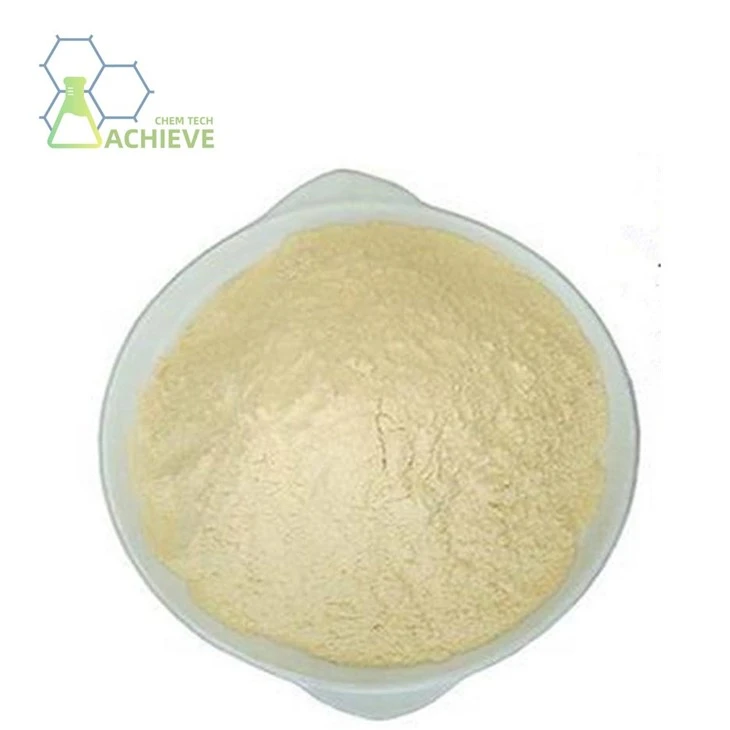
4,6-Dichloro-5-pyrimidinecarbaldehyde is a vital pharmaceutical and agrochemical intermediate with the molecular formula C₅H₂Cl₂N₂O. It generally presents as white to off-white crystalline powder. Given its slight irritation and unstable characteristics under improper environments, standard protective operations are required during handling. Bloomtechz specializes in the stable supply of high-purity 4,6-Dichloro-5-pyrimidinecarbaldehyde, providing complete batch quality documents and professional one-on-one technical sales service, fully supporting customers' whole-process needs from laboratory sample testing to large-scale kilogram-level bulk supply.

|
|
|


|
C.F |
C5H2Cl2N2O |
|
E.M |
176 |
|
M.W |
177 |
|
m/z |
176 (100.0%), 178 (63.9%), 180 (10.2%), 177 (5.4%), 179 (3.5%) |
|
E.A |
C, 33.93; H, 1.14; Cl, 40.06; N, 15.83; O, 9.04 |

The discovery of 4,6-Dichloro-5-pyrimidinecarbaldehyde can be traced back to the early 1960s, when scientists became interested in searching for substances with antimalarial activity. During the search process, scientists have discovered an increasing number of compounds with antimalarial activity, known as antimalarial drugs.
In the search for more antimalarial drugs, scientists discovered 4,6-dichloro-5-pyrimidine formaldehyde. This compound has very high antimalarial activity, therefore it is considered a promising antimalarial drug.
As research deepens, scientists have discovered that the mechanism of action of 4,6-dichloro-5-pyrimidine formaldehyde in the body is different from other antimalarial drugs. It works by interfering with the nucleic acid metabolism of malaria parasites, rather than directly affecting their DNA.
This discovery makes 4,6-dichloro-5-pyrimidine formaldehyde one of the important models for studying the mechanism of action of antimalarial drugs.
In the research of antimalarial drugs, 4,6-dichloro-5-pyrimidine formaldehyde has become the starting point for many new drugs. It provides scientists with a structural foundation and helps them design more antimalarial drugs with higher activity and lower toxicity. These drugs include naphthenic acid amine compounds, amino pyrimidine compounds, and amino sulfonyl pyrimidine compounds.
In summary, the discovery of 4,6-dichloro-5-pyrimidine formaldehyde has made important contributions to the research of antimalarial drugs.
|
|
|


4,6-Dichloro-5-pyrimidinecarbaldehyde is a high-activity functionalized pyrimidine intermediate widely used in pharmaceutical molecule modification and agrochemical structural optimization. Its industrial manufacturing adopts mature mainstream synthetic routes based on pyrimidine skeleton functionalization and selective chlorination, ensuring high structural accuracy and low by-product generation throughout the production process.
The whole production procedure starts from high-purity pyrimidine raw materials. Through precise low-temperature feeding and controlled catalytic reaction conditions, selective formylation and dichlorination modification are carried out on the pyrimidine ring.


Strict temperature gradient control and solvent ratio locking effectively avoid over-reaction and isomer impurity generation, ensuring the structural integrity of the 4,6-dichloro and 5-formyl functional groups. After reaction completion, the system undergoes ice bath quenching, neutralization, organic extraction, washing and drying to obtain crude products.To meet pharmaceutical-grade purity standards, the crude product is further refined through low-temperature recrystallization and gradient distillation purification. The whole process removes residual solvents, unreacted raw materials and trace organic impurities, effectively improving product stability and experimental repeatability.
All key process parameters including reaction temperature, holding time, pH value and purification gradient are standardized and solidified to minimize batch-to-batch deviation.Finished products undergo comprehensive quality inspection covering HPLC purity, moisture content, residual impurities and appearance indicators. All production links follow standardized fine chemical production and quality management systems, with complete process records and batch test data archived for traceability.As high-activity pyrimidine intermediates are highly sensitive to process precision and purification levels, stable craftsmanship is the core guarantee of product performance.

Bloomtechz optimizes traditional synthetic and purification processes, effectively reducing residual impurity content and improving product storage stability. We implement unified production standards from laboratory pilot trials to industrial scale-up, delivering consistently qualified 4,6-Dichloro-5-pyrimidinecarbaldehyde for pharmaceutical R&D and large-scale chemical synthesis.
Adverse reactions
4,6-Dichloro-5-pyrimidinecarbaldehyde is an organic compound mainly used for non-medical purposes such as industrial production or scientific research, and is not a drug. Therefore, strictly speaking, there are no adverse reactions defined in the traditional medical field for clinical treatment of humans or animals. The following are its adverse reactions:
Stimulating effect on the skin and mucous membranes

Skin irritation
This substance is capable of inducing cutaneous irritation upon dermal contact, which may manifest clinically as erythema, pruritus and cutaneous eruption. Prolonged or repeated dermal exposure may exacerbate adverse cutaneous responses and trigger more severe dermatological manifestations including hypersensitivity‑type allergic reactions. Structural analogues represented by 4,6‑dichloro‑2‑methylthiopyrimidine‑5‑formaldehyde are classified as skin‑sensitizing agents with established labelling for skin allergic hazard, which evidences the intrinsic skin‑damaging potential within this class of pyrimidine derivatives.
Mucosal irritation
The compound exerts irritant effects on mucosal tissues covering ocular, nasal and oral cavities. Adverse outcomes may include ocular irritation, lacrimation, nasal mucosal discomfort and injury to oral mucosa. Analogue substance 4,6‑dichloro‑2‑methylthiopyrimidine‑5‑formaldehyde has demonstrated eye‑irritating properties in hazard characterization, implying elevated mucosal‑irritation risk for pyrimidine‑based chemical entities.

Potential hazards to the respiratory system

Inhalation risk
When this substance is present in the form of fine dust, fume or vapour, inhalation exposure can induce irritant responses along the entire respiratory tract.Repeated or chronic inhalation exposure may trigger persistent inflammation of the respiratory mucosa, and may further develop into more serious respiratory pathological conditions with prolonged contact. Appropriate engineering controls and personal protective strategies shall be adopted to effectively avoid inhalation of dust‑phase and vapour‑phase hazardous substances generated during handling and processing.
Protective measures
Operators shall wear suitable protective masks or dedicated respiratory protective equipment matched to onsite exposure levels. Both local exhaust ventilation and general workplace ventilation systems shall be maintained in effective operation to lower airborne dust, fume and vapour concentrations. Suitable skin‑ and eye‑related personal protective gear, including chemical‑resistant gloves and safety goggles, should also be deployed during material handling to prevent dermal and mucosal contact hazards.

Possible impact on the digestive system

Swallowing hazards
Accidental ingestion of this compound may trigger severe irritation of the gastrointestinal mucosa, which can induce clinical manifestations including nausea, retching, vomiting and abdominal pain. The structural analogue 4,6‑dichloro‑2‑methylthiopyrimidine‑5‑formaldehyde carries official hazard labelling denoting harmful effects upon swallowing. This serves as supporting evidence that pyrimidine‑based analogues of this class possess inherent toxic potential toward the human digestive system. Avoid any oral contact with the substance during handling operations.
Long‑term exposure risk
Prolonged or high‑level repeated exposure via dermal contact, inhalation or accidental ingestion can give rise to cumulative toxic effects and inflict adverse damage to hepatic and renal organs. Even in the absence of overt acute‑poisoning symptoms, continuous exposure may impose excessive metabolic strain on these visceral organs, potentially leading to progressive, subtle functional deterioration over time. Implement effective workplace containment and personal protection strategies to minimise cumulative internal uptake of the substance.

Direct stimulation to the eyes

Eye irritation symptoms
Direct ocular contact with the substance can trigger ocular irritation accompanied by erythema, lacrimation and ophthalmalgia; corneal injury may occur under severe exposure scenarios. Closely‑related analogues carry formal hazard classification for eye irritation, hence stringent ocular‑protection protocols shall be enforced during handling operations.
Emergency Management
Develop targeted first‑aid response protocols for accidental exposure scenarios including eye contact, skin contact, inhalation and ingestion. Upon accidental eye contact, immediately irrigate the affected eyes with abundant running water for a minimum of 15 minutes. Keep upper and lower eyelids apart during rinsing to ensure thorough flushing, and seek prompt medical attention afterwards. In the event of skin contamination, swiftly take off contaminated clothing and accessories, then wash the affected skin surface thoroughly with soap and plenty of running water.

Other potential health risks

Allergic reactions
Susceptible individuals may develop hypersensitivity responses towards this compound. Clinical manifestations cover cutaneous rash, pruritus and dyspnoea; life‑threatening anaphylactic episodes may occur under severe circumstances. Prior to handling activities, operators shall review individual allergic history and deploy adequate protective countermeasures accordingly.
Long term health effects
Chronic exposure may yield adverse potential impacts on the nervous system, immune system and other physiological apparatuses. Nevertheless, the underlying toxicological mechanisms remain insufficiently elucidated and require further investigative research. Periodic occupational health surveillance is recommended to monitor latent adverse health outcomes.


4,6‑Dichloro‑5‑pyrimidinecarbaldehyde is a high‑value heterocyclic building‑block equipped with reactive aldehyde and dichloro substituents. It occupies an irreplaceable position in the R&D of small‑molecule drugs and novel agro‑chemical products. As global innovation‑drug pipelines keep expanding and the demand for high‑efficiency, low‑toxicity agro‑chemicals rises year by year, market requirements for pyrimidine‑series intermediates are shifting from basic availability toward high purity, low impurity content and stable batch consistency.This compound features multiple active reaction sites on the pyrimidine ring,
supporting diverse derivatization reactions for constructing complex heterocyclic molecular skeletons. More downstream pharmaceutical and agro‑chemical projects are adopting it as a key starting material, bringing steady growth in market demand. Nevertheless, due to its special chemical properties, the production, purification and storage of this intermediate set high barriers for manufacturers. Poor process control will easily trigger impurity increase and product degradation, which may directly interfere with downstream synthesis results.Against this industry background, reliable supply‑chain partners become particularly important for research institutes and chemical manufacturers.


Bloomtechz keeps optimizing synthesis and purification workflows for pyrimidine intermediates, focusing on strict control over trace impurities and batch repeatability. We can deliver stable‑quality products from lab‑scale samples to large‑volume commercial orders, helping clients reduce raw‑material‑related risks and concentrate resources on molecular design and process scaling‑up. With continuous breakthroughs in heterocyclic‑chemistry‑driven drug and agro‑chemical development, 4,6‑Dichloro‑5‑pyrimidinecarbaldehyde will see further expanding application prospects.
For pharmaceutical and agro‑chemical developers, selecting suitable pyrimidine intermediates often determines the success rate of molecular derivation. 4,6‑Dichloro‑5‑pyrimidinecarbaldehyde owns highly reactive aldehyde and dichloro groups, enabling efficient coupling, substitution and cyclization reactions. It greatly shortens the synthetic route for target molecules and reduces unnecessary by‑product formation.Many customers encounter practical troubles in actual procurement: unstable batch quality, high impurity content, incomplete supporting documents, or long uncertain lead‑time for custom specifications. All these issues will delay R&D progress and increase hidden laboratory costs.


Bloomtechz focuses on solving these real‑world pain points for fine‑chemical buyers.We implement strict impurity control throughout synthesis and purification. Every batch comes with traceable test data. We support sample verification before bulk purchase, flexible custom specifications, export‑adapted packaging, and full‑set technical documents including COA and MSDS. Our dedicated sales‑technical team keeps close communication from inquiry to delivery. Whether you are running lab‑scale route exploration, pilot process optimization or kilogram‑level commercial production, we can match stable intermediate supply to keep your project moving forward without frequent supplier switching.
When you source heterocyclic intermediates, it is not only about purchasing chemical substances, but also obtaining reliable technical support and stable supply chain services. Choosing Bloomtechz helps you cut down trial‑and‑error costs and accelerate the whole cycle from laboratory research to downstream product development.
Reference
[1] Liu Y., Wang H. Pyrimidine‑5‑carbaldehyde derivatives: synthesis and application in pharmaceutical and agrochemical development. Bioorganic & Medicinal Chemistry, 2016, 24(16): 3353‑3358.
[2] European Patent WO201009195 A1. Preparation of halogenated pyrimidine aldehyde intermediates for bio‑active molecule synthesis, 2010.
[3] PubChem. 4,6‑Dichloro‑5‑pyrimidinecarbaldehyde (CAS 5305‑40‑8), Chemical Safety and Hazard Assessment Database. National Center for Biotechnology Information, USA.
[4] BenchChem. A Comparative Guide to the Synthesis of 4,6‑dichloropyrimidine‑5‑carbaldehyde, Technical Report, 2026.
[5] Zhang L., Zhou Q. Synthetic strategies and hazard evaluation of chlorinated pyrimidine‑5‑carbaldehyde building blocks. Bioorganic & Medicinal Chemistry Letters, 2016, 26(12): 2936‑2941.
Frequently Asked Questions
Q1: What purity specifications can you offer for 4,6‑Dichloro‑5‑pyrimidinecarbaldehyde?
+
-
A: Multiple purity grades are available to match different application scenarios. Standard HPLC grade fits general synthetic research. For pharmaceutical‑related projects with strict impurity requirements, higher‑grade refined products can be provided. You may share your target technical indicators, and our team will recommend the most suitable specification and corresponding quotation.
Q2: Is sample trial supported before bulk order placement?
+
-
A: Yes, small‑quantity lab samples are available for preliminary verification. Many customers perform route screening and process validation with samples first. Once laboratory testing meets expectations, we can smoothly transit to kilogram‑scale or larger‑volume supply. Samples and mass‑produced goods adopt identical production and QC standards to reduce batch‑difference risks.
Q3: What quality documents will you provide for each shipment?
+
-
A: Every batch of 4,6‑Dichloro‑5‑pyrimidinecarbaldehyde is delivered with batch‑specific COA, MSDS and supporting technical files. These documents support your internal quality inspection, experimental traceability and project filing. We can also adjust document formats according to your enterprise review requirements.
Q4: How do you package and ship this moisture‑sensitive pyrimidine intermediate?
+
-
A: Considering its sensitivity to light and temperature, 4,6‑Dichloro‑5‑pyrimidinecarbaldehyde adopts light‑proof sealed low‑temperature‑friendly packaging. Bloomtechz selects proper packaging according to order weight. We cooperate with professional chemical logistics partners. Special export‑oriented packaging solutions can also be arranged upon request.
Q5: Can you accommodate custom technical requirements for mass‑production projects?
+
-
A: Yes. If your industrial project has special limits on certain impurities, residual solvent index or customized packaging demands, send over your complete technical specification sheet. Our R&D and production team will evaluate feasibility, optimize production parameters accordingly, and deliver a targeted quotation and realistic lead‑time estimate for your project.
Hot Tags: 4,6-dichloro-5-pyrimidinecarbaldehyde cas 5305-40-8, suppliers, manufacturers, factory, wholesale, buy, price, bulk, for sale, 4 Diphenylamino phenylboronic Acid CAS 201802 67 7, Alizarin Powder CAS 72 48 0, 5 Methyl 2 pyrazinecarboxylic Acid CAS 5521 55 1, Phenylglyoxylic Acid, 5 Bromoisatoic Anhydride CAS 4692 98 2, Benzotriazole 1 yl oxytripyrrolidinophosphonium Hexafluorophosphate CAS 128625 52 5