



Crotonic acid powder is an unsaturated carboxylic acid with the chemical formula C4H6O2, CAS 107-93-7, The molecular weight is 86.09g/mol, and it is a colorless or pale yellow crystal. The higher the purity, the more transparent the color. At room temperature, it exhibits a uniform crystal morphology and appears relatively clean. It can dissolve in various solvents, including water, ethanol, methanol, chloroform, etc. Among them, water, as the most common solvent, can form hydrogen bonds, promote intermolecular interactions, and thus increase solubility. In addition, due to weak interactions between polar molecules, their solubility in non-polar solvents is low.

|
|
|


|
Chemical Formula |
C4H6O2 |
|
Exact Mass |
86 |
|
Molecular Weight |
86 |
|
m/z |
86 (100.0%), 87 (4.3%) |
|
Elemental Analysis |
C, 55.81; H, 7.03; O, 37.17 |
Molecular Properties: Structure Determines Function
Physical and Chemical Properties
Crotonic acid powder appears as white to pale yellow crystals with a melting point of 70–73°C, boiling point of 180–181°C, and density of 1.02 g/cm³. Its trans double bond (E-configuration) confers a planar molecular structure, while the polarity of the carboxyl group renders it readily soluble in water (solubility ~10 g/100 mL at 25°C) and most organic solvents (e.g., ethanol, diethyl ether). Crotonic acid has a pKa of 4.69, indicating partial dissociation in neutral environments and participation in acid-base reactions. Its LogP value of 0.85 reflects moderate lipophilicity, facilitating transmembrane transport.
Chemical Reactivity
The conjugated effect between the double bond and carboxyl group confers both olefinic and carboxylic acid reactivity to crotonic acid:
Addition Reactions: The double bond undergoes hydrogenation (forming butanoic acid), halogenation (forming 2,3-dihalobutyric acid), and hydroxylation (forming 3,4-dihydroxybutanoic acid). For example, crotonic acid reacts quantitatively with bromine in carbon tetrachloride to yield 2,3-dibromobutyric acid.
Oxidation Reactions: The carboxyl group can be oxidized to crotonic anhydride (melting point 102–104°C) or further cleaved to form carbon dioxide and acrylic acid. The double bond can also be oxidized by strong oxidizing agents (e.g., potassium permanganate) to the carboxyl group, yielding succinic acid.
Polymerization Reactions: The double bond participates in radical polymerization to form polycrotonic acid; the carboxyl group undergoes esterification with alcohols to yield crotonic acid esters (e.g., methyl crotonate, boiling point 138–140°C).
Isomers and Safety
Crotonic acid exists as a cis isomer (isocrotonic acid), but the trans structure is more stable due to steric hindrance. Its safety data (oral LD50 in rats >2000 mg/kg) indicates low acute toxicity. However, prolonged exposure may irritate the skin and respiratory tract, necessitating operation in a well-ventilated environment.
repairing cardiac injury
Crotonylates demonstrate potential in repairing cardiac injury, enhancing myocardial contractility, and serving as emergency drugs for cardiac arrest by regulating crotonylation modifications in cardiomyocytes. Their core mechanisms and functions are as follows:
I. Crotonylation Modification: The Molecular Switch for Cardiac Repair
Crotonylation is a post-translational modification that regulates protein function by covalently attaching a crotonyl group (C₄H₇O₂) to lysine residues. In the heart, this modification primarily targets two classes of proteins:
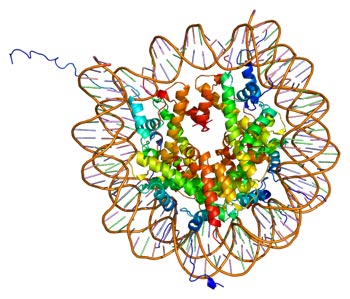
Histones
Crotonylation alters chromatin structure, rendering DNA more accessible. This facilitates access by transcription factors and RNA polymerase II to promoter regions, thereby activating gene expression. For instance, following myocardial injury, increased histone crotonylation may protect cardiomyocytes by alleviating oxidative stress and inflammation through upregulating antioxidant genes (e.g., SOD, glutathione) or anti-inflammatory genes (e.g., NF-κB inhibitors).
Non-histones (e.g., mitochondrial proteins, cytoskeletal proteins)
Studies reveal that post-ischemic reperfusion injury (I/R), non-histone crotonylation significantly increases and accumulates in mitochondria and cytoskeletal proteins. Mitochondria serve as the core of energy metabolism, while cytoskeletal proteins maintain cell morphology and contractile function. Crotonylation may directly enhance myocardial contractility by improving mitochondrial function (e.g., boosting ATP synthesis) or stabilizing cytoskeletal protein structures.

II. Repairing Cardiac Injury: From Mechanism to Evidence

Animal Studies Support
Research by Wei Jianrui's team at Guangzhou Medical University Hospital demonstrated that simulating crotonylation via site mutations or inducing pan-crotonylation with sodium crotonate increased cardiomyocyte survival and improved cardiac function. This finding reveals the critical role of non-histone crotonylation in cardiac injury repair.
Further research by teams led by Wang Kun (Qingdao University) and Tian Jinwei (Harbin Medical University) revealed that crotonylation at the K238 site of NAE1 (a regulatory subunit of NEDD8-activating enzyme E1) influences actin depolymerization activity and cytoskeletal remodeling by modulating GSN (Gelsolin) ubiquitin-like modification, thereby contributing to pathological hypertrophic cardiomyopathy progression. This provides a novel therapeutic target for heart failure treatment.
Health check
Crotonate salts may inhibit myocardial fibrosis (scar formation after cardiac injury) and reverse cardiac dysfunction by modulating crotonylation. For instance, plant-based diets (rich in crotonic acid precursors) have demonstrated reversal of cardiac fibrosis in animal studies, suggesting crotonate salts may act through similar mechanisms.

Enhancing Myocardial Contractility: From Molecular to Systemic
Calcium Ion Regulation
Myocardial contraction relies on extracellular calcium ion (Ca²⁺) influx. Crotonylation may enhance myocardial contractility by influencing the function of calcium channel proteins (e.g., L-type calcium channels) or calcium-regulating proteins (e.g., troponin), thereby increasing Ca²⁺ influx or prolonging its duration.
Energy Metabolism Optimization
Crotonyl-CoA, an intermediate in fatty acid β-oxidation, may have its crotonylation levels regulated by cellular energy status. By optimizing mitochondrial fatty acid oxidation, crotonylates potentially enhance energy supply to cardiomyocytes, supporting more robust contractile activity.
Cardiopulmonary Resuscitation
● Rescue Mechanisms:
During cardiac arrest, myocardial cells rapidly deteriorate due to ischemia and hypoxia. Crotonate may exert its rescue effects through the following pathways:
Rapid Induction of Crotonylation: Exogenous supplementation of crotonate rapidly elevates crotonylation levels in myocardial cells, activating protective gene expression (e.g., antioxidant and anti-inflammatory genes) to mitigate ischemia-reperfusion injury.
● Cytoskeletal Stabilization: Under mechanical stress induced by cardiac arrest, crotonylation modifications may stabilize cytoskeletal proteins, preventing myocardial cell rupture and buying time for subsequent resuscitation efforts.
● Preclinical Research:
Animal studies indicate sodium crotonate improves cardiac function, suggesting potential as an emergency intervention. However, no direct clinical trials for cardiac arrest exist, necessitating further validation of its safety and efficacy.
downstream products through copolymerization
Crotonic acid, as a performance modifier, significantly enhances the properties of downstream products through copolymerization with monomers such as vinyl acetate. Specific applications and effects are as follows:

in Coatings
Enhanced Adhesion: Adding 1% crotonic acid to polyvinyl acetate coatings markedly improves the coating's adhesion to substrates. This occurs because the double bonds and carboxyl groups in crotonic acid molecules form stronger chemical bonds with substrate surfaces, thereby enhancing coating adhesion.
Improved Gloss: As an oil-drying agent modifier, crotonic acid enhances surface coating gloss. Its molecular double bonds contribute to forming a more uniform and smoother coating surface, thereby increasing the coating's gloss level.
in Cosmetics
Providing Styling and Brightening Effects: Crotonic acid-vinyl acetate copolymers exhibit excellent styling, thickening, and brightening properties, making them widely used in cosmetics. For instance, in a patent filed by L'Oréal France, this copolymer was employed to formulate gel-water formulations that enhance hair brightness while allowing easy comb-through during styling.
Meeting Stringent Quality Requirements: The copolymer must be homogeneous, with the content of crotonic acid structural units in the polymer chain varying no more than ±2.5% to ensure cosmetic quality and stability.

in Adhesives
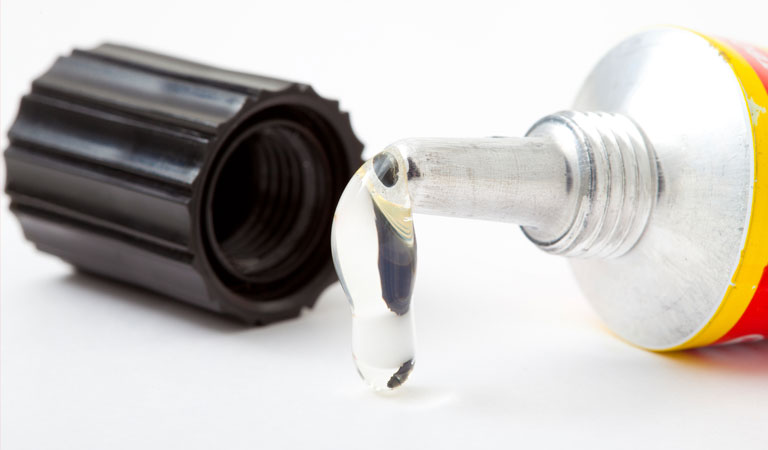
Heat Resistance and Bonding Strength: Crotonic acid-vinyl acetate copolymer exhibits outstanding high-temperature resistance, making it commonly used as a hot-melt adhesive in bookbinding. Its heat resistance allows the adhesive to maintain stable bonding properties even in high-temperature environments.
Wide Application Range: Through specific blending ratios, crotonic acid-vinyl acetate copolymers can also copolymerize with other substances, serving as adhesives for wallpaper, laminate bonding, and more. Their superior bonding performance meets diverse adhesive requirements across various fields.
Copolymerization Mechanism and Performance Enhancement Principles
Copolymerization Reaction: Crotonic acid and vinyl acetate form copolymers through processes like emulsion polymerization or suspension polymerization. During copolymerization, the double bond and carboxyl group of crotonic acid react with the vinyl group of vinyl acetate, forming stable covalent bonds.
Performance Enhancement Mechanism: The incorporation of crotonic acid structural units alters the polymer's molecular structure and physicochemical properties. For instance, the double bond in crotonic acid promotes a more uniform coating surface, enhancing gloss. Meanwhile, the carboxyl group strengthens the chemical bonding between the polymer and substrate, thereby improving adhesion strength.

emergency preparedness
Crotonic acid, as a corrosive and flammable chemical, requires comprehensive risk assessment and storage/transportation requirements based on three aspects: health hazards, environmental hazards, and fire/explosion risks. Strict adherence to the principles of isolation, temperature control, anti-polymerization, and emergency preparedness is essential. The following is a detailed analysis:
Risk Assessment
Health Hazards
Irritation: Causes severe irritation to eyes, skin, mucous membranes, and upper respiratory tract. Inhalation may induce laryngeal and bronchial spasms, inflammation, edema, or even chemical pneumonia or pulmonary edema. Symptoms upon contact may include burning sensations, wheezing, coughing, laryngitis, shortness of breath, headache, nausea, and vomiting.
Toxicity: Oral LD50 in rats is 1000 mg/kg; dermal LD50 in guinea pigs is 600 mg/kg. Classified as low toxicity, but exhibits strong local irritation; direct contact must be avoided.
Environmental Hazards
May cause long-term adverse effects on aquatic life and soil environments. Prevent leakage to avoid contaminating water sources or soil.
Fire and Explosion Risks
Flammability: Powder mixed with air may form explosive mixtures. Ignition by open flames, high heat, or oxidizers may cause combustion or explosion.
Decomposition Products: Thermal decomposition may release toxic gases (e.g., carbon monoxide, carbon dioxide), increasing fire risk.
Storage and Transportation Requirements
Isolation Requirements
Strong Alkalis and Peroxides: Crotonic acid is an acidic corrosive. Strictly isolate from strong alkalis (e.g., sodium hydroxide, potassium hydroxide) and peroxides (e.g., hydrogen peroxide, benzoyl peroxide) to prevent violent reactions (e.g., exothermic neutralization, oxidative decomposition).
Oxidizing Agents: Prohibited from co-storage or co-transport with oxidizing agents (e.g., potassium permanganate, nitrates) to prevent ignition or explosion.
Temperature Control
Storage Temperature: Store in a cool, well-ventilated area away from fire and heat sources. Recommended storage temperature ≤30°C to prevent decomposition or polymerization due to high temperatures.
Transport Temperature: Maintain stable ambient temperature during transport, avoiding prolonged exposure to direct sunlight or high temperatures.


Anti-Polymerization Measures
Inhibitor Addition: Crotonic acid may undergo self-polymerization during storage. Add appropriate inhibitors (e.g., hydroquinone, hydroquinone) to stabilize molecular structure.
Container Sealing: Store in sealed containers to prevent moisture or impurities from entering and triggering polymerization, while also avoiding concentration changes due to evaporation.
Packaging and Labeling
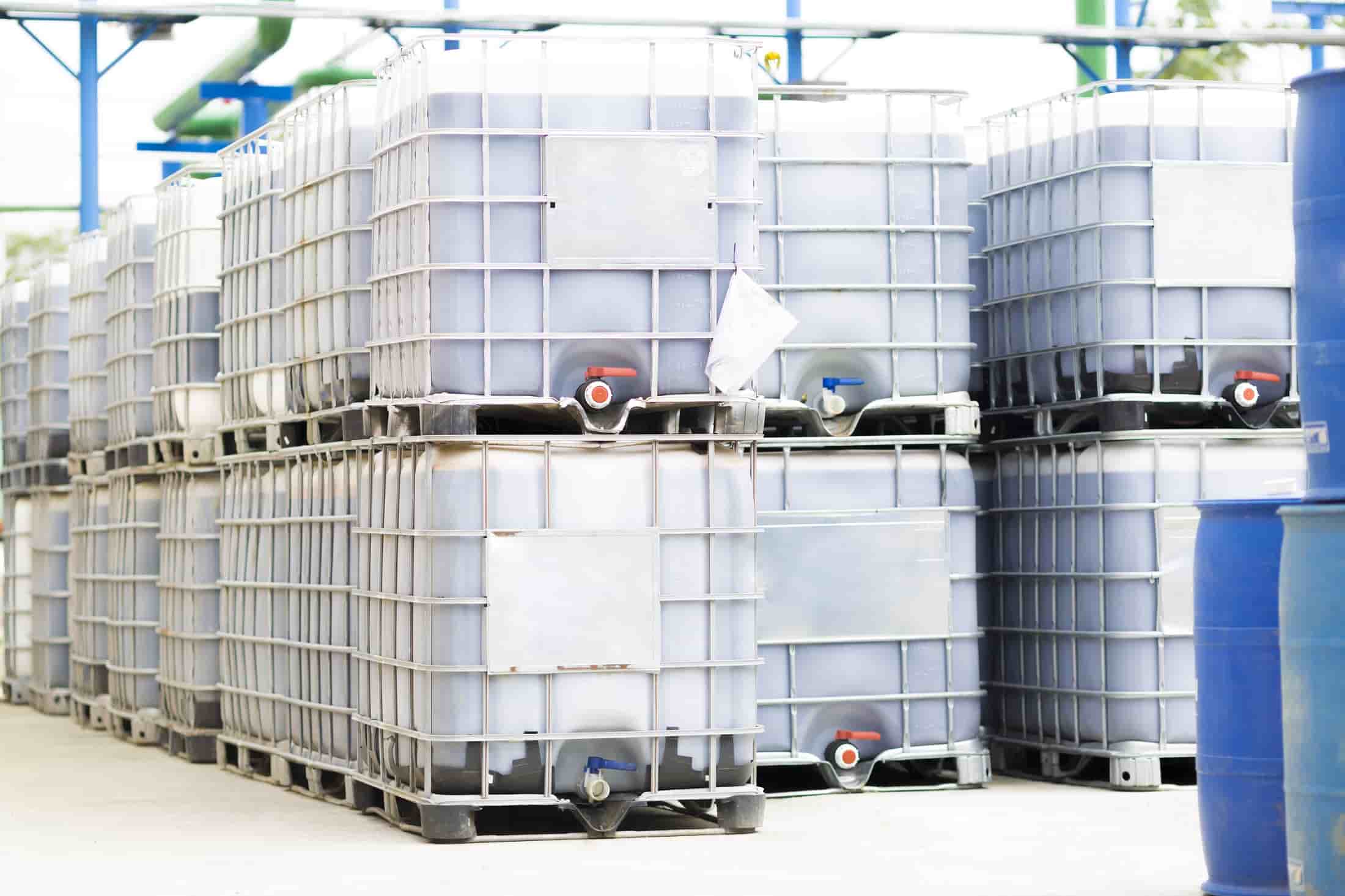
Packaging Materials: Use corrosion-resistant, well-sealed containers (e.g., glass bottles, plastic drums) ensuring no damage.
Labeling Requirements: Containers must bear the GHS05 corrosive hazard label, hazard category (Class 8.1 Acidic Corrosive), signal word "Danger," and risk phrases (e.g., R21/22, R34).

Emergency Response
Spill Response:
Isolation Zone: Immediately isolate the spill area. Restrict unauthorized personnel within at least 50 meters (liquid) or 25 meters (solid).
Neutralization/Absorption: Cover spilled material with dry earth, sand, or non-combustible absorbent. Avoid direct water flushing (to prevent water contamination). Collect and transfer to sealed containers for disposal.
Personal Protection: Handlers must wear chemical-resistant suits, protective gloves, and goggles to avoid direct contact.
Firefighting:
Extinguishing Agents: Use dry powder, carbon dioxide, or alcohol-resistant foam. Do not use water directly (may intensify flames).
Evacuation and Isolation: Rapidly evacuate to a safe area, maintaining an upwind position to avoid inhaling toxic fumes.
First Aid:
Skin Contact: Immediately remove contaminated clothing and rinse with copious amounts of running water for at least 15 minutes. Seek medical attention if necessary.
Eye Contact: Lift eyelids and thoroughly flush with running water or saline solution for 15 minutes. Seek medical attention.
Inhalation: Move to fresh air immediately. Keep airway clear. Administer oxygen if breathing is difficult. Perform artificial respiration if breathing stops. Seek medical attention.
Ingestion: Rinse mouth with water. Drink milk or egg whites to protect stomach lining. Seek medical attention.
Frequently Asked Questions
What does crotonic acid smell like?
+
-
Its odor is similar to that of butyric acid. Except where otherwise noted, data are given for materials in their standard state (at 25 °C [77 °F], 100 kPa).
What are the health hazards of crotonic acid?
+
-
HAZARD SUMMARY
Crotonic Acid can affect you when breathed in. Crotonic Acid is a CORROSIVE CHEMICAL and can cause severe skin and eye irritation and burns. * Breathing Crotonic Acid can irritate the nose, throat and lungs causing coughing and/or shortness of breath.
Which acid is called the queen of acids?
+
-
The term "queen of acids" typically refers to sulfuric acid (H₂SO₄). It's renowned for its strong acidic properties, its ability to act as a dehydrating agent, and its widespread industrial use. Sulfuric acid is a key player in various chemical processes and is central to many industrial applications.
Hot Tags: crotonic acid powder cas 107-93-7, suppliers, manufacturers, factory, wholesale, buy, price, bulk, for sale, 4 Amino 2 chloropyridine CAS 14432 12 3, atropine sulfate powder, hydroxyethyl urea powder, 4 Chlorobutyryl Chloride CAS 4635 59 0, 1 3 Propanediol Liquid CAS 504 63 2, 7 Nitroindole CAS 6960 42 5