





Shaanxi BLOOM Tech Co., Ltd. is one of the most experienced manufacturers and suppliers of 4-methyl-1-phenylpentan-1-one cas 2050-07-9 in China. Welcome to wholesale bulk high quality 4-methyl-1-phenylpentan-1-one cas 2050-07-9 for sale here from our factory. Good service and reasonable price are available.
Announcement
We don't sale this chemicals, here ONLY for check the basic information of this chemical compound.
Mar. 31th 2025
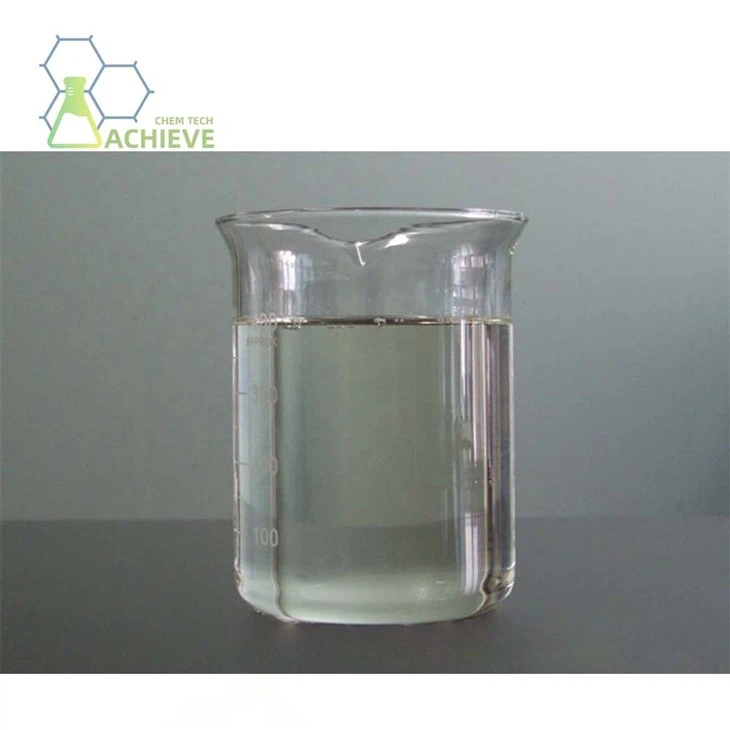
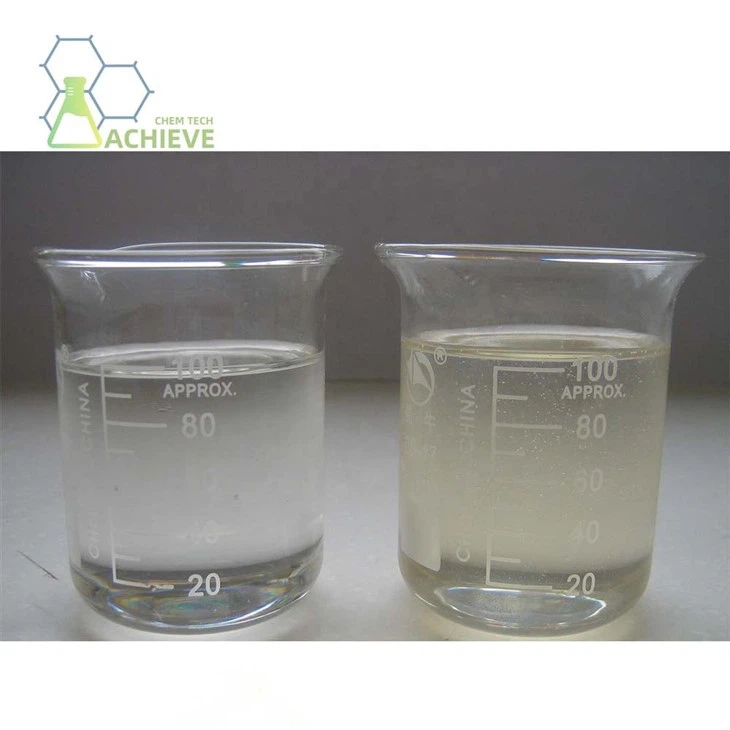
4-methyl-1-phenylpentan-1-one, molecular formula C12H16O, CAS 2050-07-9, is a colorless oily liquid. Its melting point is -1 ° C, boiling point is about 255.5 ° C (some data show 253.2 ° C at 760 mmHg), density is about 0.9623 (some data show 0.94g/cm) ³). As an important organic compound, it has a wide range of applications in various fields such as chemical engineering, medicine, agriculture, and scientific research. With the continuous development and progress of science and technology, it is believed that the application fields of this compound will continue to expand and deepen. It can also be used as the raw material of spices and essence. It has a certain aroma and fragrance, and can be used to prepare various spices and essence products, such as perfume, cosmetics, etc. These products can emit charming aromas and fragrances during use, improving people's quality of life.

|
|
|


|
Chemical Formula |
C12H16O |
|
Exact Mass |
176 |
|
Molecular Weight |
176 |
|
m/z |
176 (100.0%), 177 (13.0%) |
|
Elemental Analysis |
C, 81.77; H, 9.15; O, 9.08 |

Chemical industry
In the chemical industry, 4-methyl-1-phenylpentan-1-one is an important organic solvent. Due to its unique chemical properties and stability, it is often used as a solvent for substances such as resins and gums. This solvent can effectively dissolve and mix these substances, making them more uniform and easy to operate during processing and preparation.
Agricultural sector
In the field of agriculture, it also has certain applications. It can be used as an adjuvant for pesticides to improve their solubility and stability. Pesticides need to be dissolved in specific solvents during use in order to be evenly sprayed on crops. This compound, as an auxiliary agent for pesticides, can effectively improve the solubility and stability of pesticides, enabling them to better function and improve crop yield and quality.
Other fields
In addition to the above-mentioned fields, there are also some other applications. For example, in the dewaxing process of lubricating oil, it can be used as a dewaxing agent. During the preparation process of lubricating oil, wax components need to be removed to ensure the fluidity and stability of the lubricating oil. This compound, as a dewaxing agent, can effectively remove wax components from lubricating oil, improve the performance and quality of lubricating oil.

The common synthesis methods for 4-methyl-1-phenylpentan-1-one (also known as 4-methyl-1-phenyl-1-pentanone) typically involve the basic steps and reaction types in organic synthesis. Here are some possible synthetic pathways:
Friedel Crafts acylation reaction is an important method for synthesizing aryl ketone compounds. In this reaction, Lewis acid (such as aluminum chloride or iron chloride) is used as a catalyst to react acyl chloride (such as acetyl chloride) with benzene derivatives (such as toluene) to obtain the corresponding aryl ketones.
Steps:
Mix toluene with acyl chloride (such as acetyl chloride).
01
Add Lewis acid catalyst (such as anhydrous aluminum chloride).
02
Heat the mixture under inert gas protection and reflux for several hours.
03
After the reaction is completed, the target product 4-methyl-1-phenylpentane-1-one is separated and purified through steps such as hydrolysis, neutralization, extraction, and distillation.
04
In some cases, 4-methyl-1-phenylpentane-1-one can be synthesized through alkylation reaction. This method typically involves the use of Grignard reagents or organic lithium reagents to react with appropriate ketones or aldehydes.
Steps:
01
Prepare the required Grignard reagent or organic lithium reagent, such as 4-methylpentyl magnesium bromide or 4-methylpentyl lithium.
02
Mix the above reagents with benzaldehyde and react under inert gas protection.
03
The target product 4-methyl-1-phenylpentane-1-one was separated and purified through steps such as hydrolysis, neutralization, extraction, and distillation.
Another possible synthetic approach is to first reduce acetophenone to phenylethanol through a reduction reaction, and then introduce the required alkyl chain through an alkylation reaction.
Steps:
To reduce acetophenone to phenylethanol, metal hydrides (such as lithium aluminum hydride) can be used as reducing agents.
01
The conversion of phenylethanol to corresponding halogenated alkanes (such as brominated alkanes) can be achieved by reacting with halogenated reagents (such as hydrobromic acid).
02
React halogenated alkanes with magnesium or lithium to prepare Grignard reagent or organic lithium reagent.
03
React the above reagents with another ketone or aldehyde (such as acetone) to obtain the target product 4-methyl-1-phenylpentane-1-one.
04
In some cases, the target ketone can be obtained by first synthesizing the corresponding ester and then through reduction and decarboxylation reactions.
Steps:
Synthesize corresponding esters, such as 4-methyl-1-phenylvalerate ethyl ester.
01
To reduce esters to corresponding alcohols, metal hydrides (such as lithium aluminum hydride) can be used as reducing agents.
02
Alcohols can be oxidized to aldehydes using mild oxidants such as pyridine chromic acid oxidation.
03
Finally, the reduction of aldehydes to ketones can be achieved using metal hydrides (such as lithium aluminum hydride) or metal catalysts (such as palladium/carbon).
04

4-methyl-1-phenylpentan-1-one, as an organic compound, has a unique and distinctive molecular structure. Next, we will provide a detailed analysis of its molecular structure in order to gain a deeper understanding of the properties and applications of this compound.
Firstly, from the chemical name, we can have a preliminary understanding of the basic composition of 4-methyl-1-phenylpentane-1-one. Its molecule contains a benzene ring, and a hydrogen atom on the benzene ring is replaced by methyl (CH3) to form phenyl (C6H5-CH3). Meanwhile, the molecule also contains a pentane chain (C5H5), with a ketone group (C=O) attached to the fourth carbon atom of the chain. This structure gives 4-methyl-1-phenylpentane-1-one specific chemical properties and reactivity.
Specifically, the molecular formula of 4-methyl-1-phenylpentane-1-one is C12H16O, with a molecular weight of 176.25. In molecules, carbon atoms are connected to each other through conjugated systems of single bonds, double bonds, and benzene rings, forming a stable molecular skeleton. Among them, the ketone group (C=O) is a functional group in the molecule, which determines many chemical properties of the compound.
In the molecular structure, the benzene ring is a conjugated system, and the π electron cloud on it is uniformly distributed, making the benzene ring aromatic. The methyl substituent on the benzene ring causes a certain change in the electron cloud distribution of the benzene ring, but this change is not enough to disrupt the aromaticity of the benzene ring. In addition, methyl substituents also cause molecules to exhibit a certain three-dimensional configuration in space, which has a certain impact on the physical and chemical properties of molecules.

The pentane chain plays a role in connecting the benzene ring and the ketone group in the molecule. The length and configuration of the chain also have a certain impact on the properties of the molecule. For example, the length of a chain determines the steric hindrance of a molecule, which in turn affects physical properties such as intermolecular forces and solubility. The configuration of the chain may affect chemical properties such as molecular polarity and reactivity.
Ketone group (C=O) is a key functional group in the 4-methyl-1-phenylpentane-1-one molecule. It gives the compound typical properties of ketone compounds, such as being able to participate in addition reactions, substitution reactions, etc. At the same time, the ketone group also gives the molecule a certain polarity, which gives the molecule a certain solubility and stability in solution.
In the molecular structure, various parts are connected to each other through chemical bonds, forming a stable whole. This structure gives 4-methyl-1-phenylpentane-1-one unique chemical properties and reactivity. For example, it can undergo addition reactions with various reagents, such as generating alcohol compounds through addition reactions with hydrogen gas; It can also undergo substitution reactions with halogenated hydrocarbons to generate ether compounds, etc. These reactions make 4-methyl-1-phenylpentane-1-one have broad application prospects in organic synthesis and pharmaceutical chemistry.
Hot Tags: 4-methyl-1-phenylpentan-1-one cas 2050-07-9, suppliers, manufacturers, factory, wholesale, buy, price, bulk, for sale, Spiro 11H benzo b fluorene 11 9 9H xanthene 2 4 4 5 5 tetramethyl 1 3 2 dioxaborolan 2 yl , 1 Bromo 7 chlorodibenzo b d thiophene, 3 9H carbazol 9 yl 5 4 4 5 5 tetramethyl 1 3 2 dioxaborol an 2 yl benzonitrile, API Researching Only , CAS 1821235 69 1, phenacetin crystal