




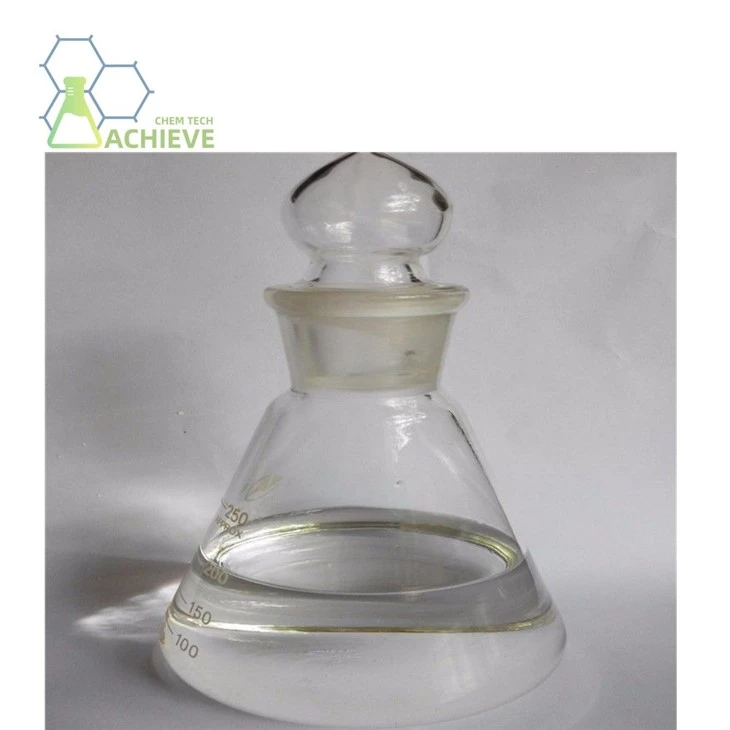
Isobutylene oxide, also known as 1,2-Epoxyisobutane or 2,2-Dimethyloxirane, is a colorless and transparent liquid under normal conditions. It belongs to the family of epoxides, characterized by a high level of chemical reactivity due to its epoxide ring structure. This compound holds a CAS number of 558-30-5 and has a molecular formula of C4H8O, with a molecular weight of 72.11 g/mol. It is widely recognized as an important organic intermediate in various chemical reactions and industrial processes. Its reactive epoxide ring facilitates the formation of various functional group compounds through ring-opening reactions, both under acidic and alkaline conditions. For instance, it can react with hydroxyl compounds to form glycidyl ethers, which can further undergo ether exchange or addition reactions to yield polyether-based polymers.

|
|
|


| Chemical Formula | C4H8O |
| Exact Mass | 72.06 |
| Molecular Weight | 72.11 |
| m/z | 72.06 (100.0%), 73.06 (4.3%) |
| Elemental Analysis | C, 66.63; H, 11.18; O, 22.19 |

Isobutylene Oxide, chemical system name 2,2-dimethyloxacyclopropane, molecular formula C4H8O, molecular weight 72.11, is a colorless and volatile liquid at room temperature, with a special ether odor, boiling point of 50-51 ℃, density of 0.812 g/mL (25 ℃), slightly soluble in water, and miscible with the vast majority of alcohols, ethers, esters, and aromatic hydrocarbons. The intramolecular high tension ternary epoxy ring is its core active site, which is prone to undergo ring opening addition, polymerization, hydrolysis, ammonolysis, alcoholysis, sulfurysis and other reactions under acid-base catalysis. It is a high-value fine chemical cornerstone intermediate in the C4 petrochemical industry chain.
Polymer polymerization and resin modification field
Under the catalytic system of double metal cyanide (DMC), potassium hydroxide, and tertiary amine, IBO undergoes controlled ring opening polymerization using ethylene glycol, propylene glycol, glycerol, pentaerythritol, sorbitol, trimethylolpropane, bisphenol A, and amines (ethylenediamine, diethylenetriamine) as initiators to produce highly branched, side chain dimethyl substituted polyether polyols. Different from ordinary epichlorohydrin (PO) polyethers, methyl steric hindrance brings unique hydrolysis resistance, low-temperature flexibility, low viscosity, and oxidation resistance.


Polyurethane elastomers (TPU, cast CPU, microporous elastomers)
Ordinary PO based polyether is brittle at low temperatures and has poor resistance to moisture and heat aging; The polyurethane elastomer synthesized by IBO modified polyether has a glass transition temperature that can be reduced to below -45 ℃, and does not crack when bent at low temperatures. Its hydrolysis stability is improved by 3-5 times. Widely used in high-voltage wire harness sheaths, shock absorber bushings, high-speed rail track damping blocks, hydraulic seals for construction machinery, and floating cushioning materials for new energy vehicles. More than 60% of the polymer grade IBO produced by the domestic Lianhong Xinke 3200 ton/year plant is supplied to the production capacity of polyether elastomers.
Rigid/flexible polyurethane foam
Hard polyurethane insulation board: made of IBO copolymer polyether, with a closed cell rate of ≥ 92% and a thermal conductivity of ≤ 0.021 W/(m · K), resistant to high and low temperature cycles, suitable for LNG low-temperature storage tanks, cold chain containers, and building exterior wall fireproof insulation layers; In terms of soft foam, the high branched IBO polyether produces high-density slow rebound foam and car seat foam layer, with uniform rebound and long-term compression permanent deformation<3%, which is superior to pure PO system foam.


The hydrophilic modified WPU was synthesized with IBO - diol polyether as the soft segment. The lotion has narrow particle size, storage stability>12 months, water resistance and alcohol resistance after film formation. It is used for textile waterproof coating, leather finishing agent, water-based varnish for wood and paper laminating adhesive. Compared with ethylene oxide (EO) polyether WPU, the IBO structure significantly reduces the water absorption and swelling problems of hydrophilic segments, and improves outdoor weather resistance by more than twice.
Polyurethane adhesive and sealant
Single/two-component structural adhesive, automotive windshield sealant, and core material for photovoltaic module frame sealant. IBO polyether endows the adhesive layer with low modulus and high elongation, suitable for heterogeneous bonding of metals, glass, aluminum alloys, and plastics, and resistant to thermal expansion, contraction, and cracking; Photovoltaic sealant is resistant to UV aging and has an outdoor service life of over 25 years.
Carbon dioxide copolymerization synthesis of aliphatic polycarbonate PIBC (green degradable polymer frontier direction)

Using Zn Co bimetallic cyanide complex catalysis, IBO achieves over 95% full alternating copolymerization to generate poly (2,2-dimethylbutyl carbonate) PIBC. Different from the amorphous structure of ordinary polypropylene carbonate (PPC), PIBC is a crystalline polymer with a melting point of 93.7 ℃, a tensile strength of 4.4 MPa, a fracture elongation of 350%, and a significantly expanded thermal stability range.
Fully biodegradable packaging materials
PIBC can be completely degraded by soil/seawater microorganisms, without plasticizer precipitation, and is used for food disposable lunch boxes, biodegradable express buffer foam, and agricultural film masterbatch; The ternary copolymer (IBO++maleic anhydride) can adjust the degradation rate and customize a controllable degradation cycle of 3-12 months.


Sacrificial adhesive and casting resin
At high temperatures, PIBC decomposes smoothly without residual carbon. It is a sacrificial adhesive used for precision investment casting and ceramic green body bonding, replacing traditional paraffin and phenolic resins. The surface smoothness of castings is improved, and there are no carbon inclusion defects; Temporary adhesive layer for microelectronic chip packaging, low-temperature decomposition does not damage the wafer circuit.
Medical absorbable implant substrate
Low molecular weight PIBC can modify polylactic acid (PLA) and polycaprolactone (PCL) to regulate degradation rate and mechanical compatibility, and is used for coating bone nails, sutures, and tissue repair scaffolds.
Epoxy resin system modifier (second largest consumer segment, accounting for 28.7%)

Bisphenol A-type epoxy resin is brittle, prone to cracking at low temperatures, and has poor weather resistance. IBO is grafted onto the epoxy skeleton through epoxy ring opening, flexible alkyl branch toughening, while retaining epoxy cross-linking sites.
Wind turbine blade weather resistant epoxy matrix
Special toughening modified monomers for epoxy resin system of large offshore wind turbine blades, with the addition of 8% -15% IBO graft modified resin, can increase impact strength by 120%, resist salt spray corrosion and UV aging, and extend offshore service life to 20 years.
Electronic encapsulation and copper-clad resin
High purity electronic grade IBO (moisture<50 ppm, purity 99.92%) modified epoxy potting adhesive, low viscosity, low stress, packaging IGBT power modules and PCB circuit boards, with no cracking after 1000 cycles of cold and hot shock -55 ℃~125 ℃; Intermediate of halogen-free flame-retardant copper-clad resin, improves the resin and glass fiber infiltration, and increases the peel strength by 15%.
Anti corrosion heavy anti-corrosion coating resin
Steel structure bridges, offshore platforms, and inner walls of storage tanks are coated with epoxy anti-corrosion primer and paint modifier. IBO introduces hydrophobic tert butyl structure, which reduces the water absorption rate of the paint film by 60%. It is resistant to acid, alkali, and seawater immersion, reducing the cycle of heavy anti-corrosion renovation.
IBO is polymerized with long-chain fatty alcohols and polyols to obtain ultra-high viscosity index polyether base oil, with low pour point, thermal decomposition temperature>260 ℃, ash free, and partially biodegradable. Used for high-temperature thermal oil furnaces, aviation hydraulic oil, food grade lubricating grease, and specialized oil for wind turbine gearboxes; Compared to poly (alpha olefin) (PAO), IBO polyether has better compatibility with polar additives and excellent anti-wear and friction reducing properties.
Acrylic resin, alkyd resin, unsaturated polyester modified monomer
IBO undergoes ring opening esterification with acrylic acid and methacrylic acid to form hydroxy acrylate monomers, followed by the introduction of tert butyl hydrophobic branches; Joining the alkyd resin system can shorten the curing time, improve the hardness and water resistance of the paint film; A small amount of IBO copolymerization in unsaturated polyester reduces resin shrinkage, and fiberglass products have no bubbles or cracks.
Pharmaceutical intermediates and pharmaceutical chemistry
In the pharmaceutical field, high-purity IBO with a purity of ≥ 99.95% must be used. Trace impurities (aldehydes, water, chlorine) can interfere with the synthesis and toxicological indicators of chiral drugs, making it a key bottleneck fine intermediate raw material for CDMO innovative drugs.
IBO hydrolyzes to produce 2-methyl-1,2-propylene glycol, ammonolysis to produce tert butyl amino alcohol, alcoholysis to produce a series of alkoxytert butanol, which are characteristic structural fragments of dozens of drugs:
Antiviral drug intermediates
Side chain modification materials for anti influenza and anti herpesvirus nucleoside drugs; 2- fluoro -2- methylpropane -1- alcohol is prepared by the ring opening of IBO hydrofluorination, which is used to introduce hydrophobic groups of small molecule drugs against COVID-19, and improve the drug cell membrane permeability and plasma protein binding rate.

The tert butyl modified fragments of cephalosporin and quinolone antibiotics reduce drug hepatotoxicity and prolong half-life; External disinfectant and antibacterial alcohol ether derivatives have much lower irritation than isopropanol, and are used as medical wound disinfectants and eye preservatives.
Cardiovascular, antihypertensive, and lipid-lowering drugs
Side chain chiral diol intermediate of statin lipid-lowering drugs; Beta blocker tert butyl amino alcohol skeleton regulates drug lipid water partition coefficient and increases oral bioavailability by 30% -50%.
The biocompatible hydrogel matrix was prepared by ring opening graft copolymerization of IBO with polyethylene glycol, dextran and chitosan:
Injection type long-acting sustained-release microspheres
The surface of modified PLGA microspheres is grafted with IBO polyether segments to achieve zero order release of peptides, proteins, and hormone drugs, with a sustained release period of 1-3 months, reducing injection frequency; Mainstream carrier modified raw materials for insulin and growth hormone long-acting preparations.

Transdermal drug delivery patch matrix
The IBO polyether gel penetration system does not damage the cuticle barrier of the skin. It is suitable for pain relieving ointment, hormone transdermal patch, and smoking cessation patch. The drug penetration rate is 2 times higher than that of ordinary propylene glycol matrix.
Medical dressing, wound healing gel
Hydrophilic hydrophobic balanced IBO modified hydrogel, moisturizing, breathable, absorbing seepage, antibacterial silver ion composite gel carrier, used for burn and chronic ulcer wound repair.
IBO ring opening product tert butyl alkyl ether has adjustable polarity and can be used as a co solvent for insoluble drug injections, replacing some propylene glycol and ethanol to reduce intravenous injection irritation; Chiral IBO derivatives are used as fillers for high-performance liquid chromatography (HPLC) chiral separation columns to separate enantiomers of chiral drugs.

Intermediates of veterinary drugs and animal nutrition additives

BASF and other companies use IBO for the synthesis of nutritional active ingredients in livestock, poultry, and aquatic products, as well as for the production of alcohol ether skeletons as anti stress and growth promoting feed additives; Aquatic antiparasitic veterinary drug intermediate, low residue, easily degradable in water, meets EU animal feed environmental standards.

synthesis methods
Direct Oxidation of Isobutylene
Description
The most direct method involves the oxidation of isobutylene using a suitable oxidant. This reaction typically occurs in the presence of a catalyst, which facilitates the oxidation process.
Process
- Feedstock: Isobutylene is the primary feedstock for this reaction.
- Oxidant: Common oxidants used include hydrogen peroxide, oxygen, or organic peracids.
- Catalyst: Catalysts such as metal oxides, zeolites, or ionic liquids can be employed to enhance the efficiency and selectivity of the oxidation reaction.
- Reaction Conditions: The reaction is typically carried out at moderate temperatures and pressures, with careful control of the reaction conditions to optimize product yield and purity.
Advantages
- Direct and efficient conversion of isobutylene to the product.
- Potential for high product yields and purity.
Challenges
- Optimization of reaction conditions and catalyst selection is crucial to achieve desired results.
- Safety considerations related to handling of oxidants and catalysts.
Epoxidation of Isobutene
Description:
An alternative route to it involves the epoxidation of isobutene, a closely related compound to isobutylene. In this process, isobutene is converted to Isobutylene oxide through a catalytic epoxidation reaction.
Process:
- Feedstock: Isobutene is the starting material for this reaction.
- Catalyst: Epoxidation catalysts, such as titanium-silicalite (TS-1) or molybdenum-based catalysts, are used to promote the formation of the epoxide ring.
- Oxidant: Hydrogen peroxide or molecular oxygen can serve as the oxidant in this reaction.
- Reaction Conditions: The reaction conditions, including temperature, pressure, and solvent, are carefully controlled to maximize product yield and selectivity.
Advantages:
- Offers an alternative route to the product using isobutene as the feedstock.
- Catalytic epoxidation reactions can be highly selective and efficient.
Challenges:
- The availability and cost of isobutene may impact the feasibility of this route.
- Catalyst design and optimization are crucial for achieving high yields and purities.
Frequently Asked Questions
What is isobutylene oxide used for?
+
-
Chemical Manufacturing & Industrial Intermediates
Isobutylene Oxide is extensively utilized to manufacture chemicals as a reacting intermediate that produces alcohols, glycols and specialty derivatives, and ethers. Its epoxide capability allows controlled ring-opening reactions as well as the same quality of batch.
Is isobutene the same as isobutylene?
+
-
Isobutylene (or isobutene) is the feedstock for production of polybutene (butyl rubber). Isobutene is an intermediate in the manufacturing of methyl terbuthyl ether (MTBE).
Hot Tags: isobutylene oxide cas 558-30-5, suppliers, manufacturers, factory, wholesale, buy, price, bulk, for sale, gs 441524 remdesivir, 1 Methylpiperazine CAS 109 01 3, Succimer powder, 5 Iodocytidine CAS 1147 23 5, 4 Acetoxyindole CAS 5585 96 6, 5 Methylpyridine 3 boronic Acid CAS 173999 18 3