




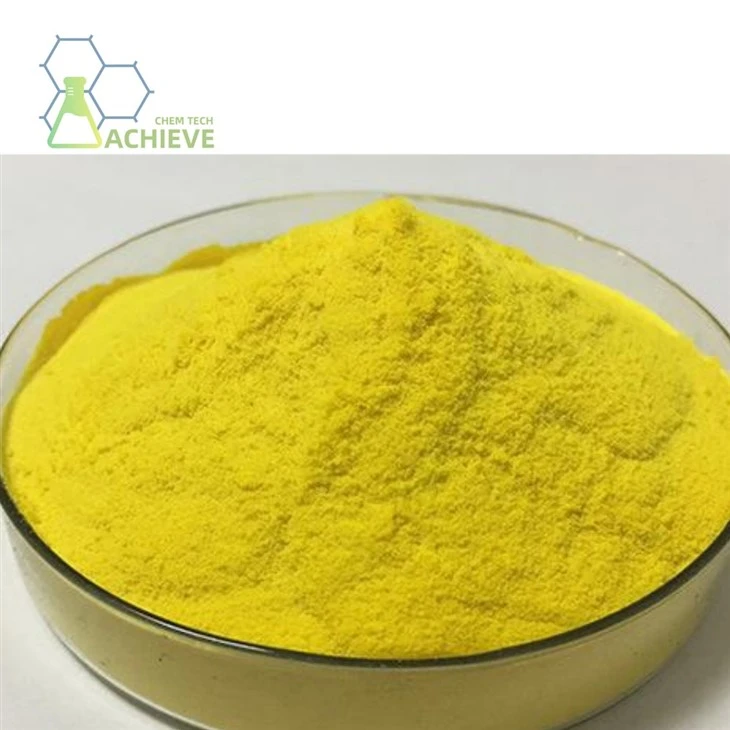
Tropinone is a tropane alkaloid, it is an alkaloid, which is used as an intermediate for the synthesis of atropine. Pale yellow to brown crystals or crystalline powders, acicular crystals (gasoline), used as intermediates in the synthesis of atropine sulfate. It is an alkaloid molecule worth mentioning in the history of organic synthesis.The compound reacts with dimethyl carbonate in the presence of a base to form 2-methoxycarbonyltropionate, which is then hydrogenated in the presence of Raney nickel to form methyl dicarboxylate. Finally, in the presence of pyridine, methyl methacrylate reacts with benzoyl chloride to obtain cocaine.

|
Chemical Formula |
C8H13NO |
|
Exact Mass |
139 |
|
Molecular Weight |
139 |
|
m/z |
139 (100.0%), 140 (8.7% |
|
Elemental Analysis |
C, 69.03; H, 9.41; N, 10.06; O, 11.49 |
|
|
|


Total synthesis:
The earliest total synthesis of tropidone was completed by Willst ä tter in 1901.

Wilstedt (winner of the Nobel Prize in Chemistry in 1915) used cyclohexanone as the starting material. Although the yield of each step in the route was high, the total yield was greatly reduced, only 0.75%, due to many steps. Of course, it has been a great contribution to the development of organic synthetic chemistry to artificially synthesize such complex compounds at the beginning of the 20th century. This is one of the important events in the early stage of assembling complex natural products in the laboratory. The successful assembly of this rather complex natural molecule is the peak of organic synthesis in the classical period, marking the birth of multi-step total synthesis.
Before the synthesis of tropine, Willst ä tter successfully synthesized cocaine with tropine as raw material for the first time in 1898, and clarified the structure of cocaine.
In 1917, Robert Robinson created a short synthetic method of tropine. This method is one of the classic routes in organic synthesis. Tropinone was synthesized from succinal, methylamine and 3-oxoglutaric acid with simple structure by Mannich reaction in three steps (one pot reaction) under bionic conditions, and the yield reached 17%, which can exceed 90% after improvement.
The reaction mechanism is:
Nucleophilic addition of primary amine to aldehyde, followed by dehydration to form imine;
The nucleophilic addition of imine molecules constructs the first ring;
The intermolecular Mannich reaction between 3-enol anion and acetone dicarboxylate ion;
A new enol anion and a new imine were formed after dehydration;
Intramolecular Mannich reaction, forming the second ring;
Remove two carboxyl groups to form the compound.

Biosynthesis:
In the body, derivatives used to construct the cocaine ring system are synthesized from L-glutamine or L-arginine. Firstly, these two amino acids undergo carbonyl reduction or decarboxylation to produce L-ornithine, which then undergoes decarboxylation to produce putrescine. Then, one nitrogen atom in the putrescine is methylated by SAM, producing N-methylputrescine. N-Methylputrescine is converted to 4-methylaminobutanal under the catalysis of diamine oxidase, and cyclized to the Schiff base N-methyl - Δ 1-pyrroline cation.
Afterwards, two enantiomers of N-methyl - Δ substituted pyrrolidine ring were obtained through Clarison condensation of 1-pyrrolidine cation with acetyl CoA. However, only the (S) - isomer of these two products can continue to undergo cyclization to form the skeleton of scopolamine. The thioester product continues to condense with another acetyl CoA molecule to obtain the 4-derivative of thiosuccinate. The latter is oxidized to regenerate the positive ions of pyrrolidinium salts and the negative ions of enols. The condensation (intramolecular Mannich reaction) occurs between the two, resulting in the product where the 4-position of the substance is replaced by a - C (O) SCoA group. Then the thioester group hydrolyzes to form a carboxylic acid, which is then methylated to methyl ester through SAM, and the double bond is reduced to obtain methyl dicarboxylate under the action of NADPH. Finally, methyl Blastine condenses with benzoyl CoA via the phenylalanine cinnamic acid pathway to form cocaine.

Tropinone, as a tropane alkaloid, has a molecular structure consisting of a nitrogen-containing bicyclic skeleton and a ketone carbonyl group. Its unique chemical properties make it of great value in the fields of medicine, organic synthesis, and alkaloid research.

Core application: Key role of pharmaceutical intermediates
The most well-known use is as an intermediate in the synthesis of atropine sulfate. Atropine, as a classic anticholinergic drug, is widely used in clinical treatment of various diseases by blocking M-type cholinergic receptors
In the field of ophthalmology, atropine is used for the examination and treatment of ophthalmic diseases such as iridocyclitis and keratitis by dilating the pupils and regulating paralysis. At the same time, it can inhibit the progression of myopia and has become a hot drug for the prevention and control of myopia in children. As a precursor for its synthesis, it directly supports the large-scale production of atropine.
Digestive system: Atropine can alleviate smooth muscle spasms in the gastrointestinal tract and is used to treat diseases such as gastric ulcers and colic. Its synthesis relies on the stable supply of atropine.
Emergency detoxification: In the emergency treatment of organophosphate pesticide poisoning, atropine competitively antagonizes acetylcholine, reverses muscarinic symptoms, and its synthesis efficiency directly affects the availability of emergency drugs.
In addition, it also participates in the synthesis of other important drugs:


Cocaine synthesis: It can be converted into cocaine through esterification, hydrogenation, and other reactions. Although cocaine is strictly regulated due to its addictive nature, its unique role in local anesthesia and vasoconstriction still makes it irreplaceable in specific medical settings such as ophthalmic surgery. As the starting point of the synthesis pathway, its chemical purity and reactivity directly determine the quality of the final product.
Preparation of Methylblastine: Methylblastine is generated by hydrogenation reduction, which is a precursor of various alkaloids used for studying neurotransmitter transmission mechanisms and developing new analgesic drugs.
Derivative applications: Model molecules for alkaloid research
The molecular structure makes it an ideal model for alkaloid chemistry research:
Total synthesis research: Its synthesis pathway (such as the cyclization reaction of butanal with methylamine and acetone dicarboxylic acid) is a classic case in organic chemistry. In 1917, Willst ä tter and Robinson achieved the total synthesis of NSC 118012 through different methods, among which Robinson's conjugated addition cyclization strategy pioneered a new paradigm for alkaloid synthesis and thus won the Nobel Prize in Chemistry in 1947.


Synthetic research not only promotes the development of organic synthesis theory, but also provides methodological support for the structural analysis of complex natural products.
Derivative development: The ketone carbonyl and nitrogen-containing bicyclic structure of NSC 118012 makes it easy to undergo chemical modification, generating various biologically active derivatives:
2-methoxycarbonyl-tropinone: Prepared through esterification reaction, it is a key intermediate for the synthesis of methyl salicylate (used for Parkinson's disease diagnosis).
Its ketone carbonyl group can be reduced to alcohols or converted to enol ether derivatives, further expanding the design space of bioactive molecules.
Topenone oxime compounds: generated through oximation reactions, have antibacterial and anti-inflammatory activities, and some derivatives exhibit inhibitory effects on drug-resistant strains, making them potential candidates for the development of new antibiotics.


Pharmacological mechanism research: The study of the structure-activity relationship of alkaloids and their derivatives can help reveal the molecular mechanism of the interaction between alkaloids and receptors. For example, by modifying the nitrogen atom or cyclic structure of NSC 118012, its affinity for cholinergic receptors can be regulated, providing a theoretical basis for designing more selective anticholinergic drugs.
Adopting high-performance integrated joints,the CRA series can increase the tempo by 25%,and the productivity can reach a new peak;the vibration suppression algorithm is upgraded to achieve a good anti-shaking effect;the full-parameter DH compensation algorithm and TrueMotion algorithm are supported,and the absolute positioning accuracy is 0.2 ~ 0.4 mm under the change of attitude movement,and the curved motion is precise and stable.


Potential research direction: Expansion from basic to clinical
With the cross fusion of chemistry and medicine, the application scenarios are extending from the traditional pharmaceutical field to a wider range of biomedical directions:
Neuroscience research: As a model molecule of the cholinergic system, it can be used to study neurotransmitter transmission, synaptic plasticity, and the pathogenesis of neurodegenerative diseases such as Alzheimer's disease. By labeling the carbon or nitrogen isotopes of NSC 118012, its metabolic pathways in vivo can be traced, providing a tool for pharmacokinetic studies.
Materials Science Applications: The nitrogen-containing bicyclic structure of NSC 118012 has a unique spatial configuration and can be used as a ligand for designing metal organic frameworks (MOFs) or supramolecular assemblies. This type of material has shown potential applications in gas adsorption, catalysis, and drug delivery. For example, MOFs modified with NSC 118012 can be used for selective adsorption of nerve agents, providing new strategies for chemical protection.


In the field of agriculture and environmental protection, its antibacterial activity makes it a candidate molecule for developing natural pesticides. Through structural optimization, low toxicity and easily degradable alkaloid pesticides can be designed to reduce environmental pollution caused by chemical pesticides. In addition, the cyclization reaction involved in the synthesis pathway of NSC 118012 can provide methodological references for biomass conversion and contribute to sustainable development.
What are the usage methods and precautions for this compound?
Due to its pharmaceutical intermediate nature and certain toxicity, its use should be strictly limited to professional laboratories or industrial production environments, and operated by professionals with relevant knowledge and experience. The following is a summary of Tropinone usage methods and precautions based on general chemical handling principles:
usage method
Professional environment:
It should be used in a well ventilated laboratory or industrial production environment equipped with necessary safety facilities.
Personal protection:
Operators should wear appropriate personal protective equipment, such as protective clothing, gloves, dust masks, safety goggles, etc., to prevent direct contact between chemicals and the skin, eyes, or respiratory system.
Operating standards:
Strictly follow the operating procedures to avoid generating dust or splashes. If a large amount of NSC 118012 needs to be weighed or processed, appropriate tools and equipment such as measuring bottles, funnels, etc. should be used.
Storage requirements:
The compound should be stored in a cool, dry, well ventilated place, away from sources of fire, heat, and incompatible substances. Meanwhile, it is necessary to ensure that the container is tightly sealed to prevent chemical leakage.
matters needing attention
Avoid contact:
Avoid direct contact with skin, eyes, or clothing. If accidentally touched, rinse immediately with plenty of water and seek medical attention as soon as possible.
Fire safety:
This compound may decompose and produce toxic smoke at high temperatures, so it should be avoided from contact with fire sources. In case of a fire, appropriate fire extinguishing agents should be used for extinguishing and the scene should be immediately evacuated.
Environmental protection:
Prevent it from entering sewers or water bodies to avoid environmental pollution. If it is necessary to dispose of waste, relevant environmental regulations should be followed and professional institutions should be commissioned for disposal.
Health monitoring:
Individuals who have been in long-term contact with it should undergo regular health checks to promptly identify and address potential health issues.
Safety training:
Operators should receive necessary safety training to understand the properties, hazards, and emergency response methods of the compound to ensure safe operation.
Laws and regulations:
When using, storing, and transporting this substance, relevant national laws, regulations, and standards should be strictly followed to ensure legality and compliance.
What Are The Research Progress On The Biosynthetic Pathway Of This Compound?
The research team of the Kunming Institute of Botany, Chinese Academy of Sciences has discovered three type III polyketide synthase, which can catalyze the condensation of N-methylpyrroline cation with malonyl coenzyme A to form the key intermediate for Tropinane alkaloid biosynthesis. This discovery not only reveals the mechanism of basic skeleton formation in the biosynthesis of alkaloids in this compound, but also identifies a new type of plant III polyketide synthase that selectively and efficiently synthesizes tricarbonylglutarate, laying the foundation for heterologous production of hyoscyamine drugs based on synthetic biology.
Research has shown that this compound is the first intermediate in the biosynthesis of tropane alkaloids, and its synthesis mechanism is achieved through an atypical type III polyketide synthase (AbPYKS) and P450 mediated cyclization reaction. This discovery explains the coexistence of pyrroline and tropane in plants and demonstrates the feasibility of tropane engineering in non tropane producing plants.
Overexpression of PYKS and CYP82M3 in Atropa belladonna root culture can significantly increase the content of this compound and scopolamine. In addition, overexpression of UGT1 and LS can significantly increase the content of hyoscyamine, scopolamine, isohyoscyamine, and hyoscyamine, indicating that these two steps are the two rate limiting steps in hyoscyamine biosynthesis.
Christina Smolke's team at Stanford University integrated multi-step heterologous expression genes in yeast and successfully achieved heterologous synthesis of hyoscyamine and scopolamine through assembly of different modules and subcellular localization. This achievement demonstrates the potential for producing complex natural products in microorganisms through biosynthetic pathways.
FAQ
What is tropinone used for?
It is derived from tropane and serves as a key precursor in the synthesis of various important alkaloids, such as cocaine and atropine. Firstly, tropinone is a colorless crystalline solid with a characteristic odor. It has a molecular formula of C8H13NO and a molar mass of approximately 139.2 g/mol.
What is the synthesis of tropinone?
Tropinone is a bicyclic molecule, but the reactants used in its preparation are fairly simple: succinaldehyde, methylamine, and acetonedicarboxylic acid (or even acetone). The synthesis is a good example of a biomimetic reaction or biogenetic-type synthesis because biosynthesis makes use of the same building blocks.
What is tropine?
Tropine is defined as a bicyclic compound with a tropane nucleus, which serves as a precursor in the synthesis of various tropane alkaloids known for their strong biological activity, particularly as neurotransmitters.
Is atropine a painkiller?
Ophthalmic atropine is used before eye examinations to dilate (open) the pupil, the black part of the eye through which you see. It is also used to relieve pain caused by swelling and inflammation of the eye.
Hot Tags: tropinone cas 532-24-1, suppliers, manufacturers, factory, wholesale, buy, price, bulk, for sale, Triphenyl Bismuth, 3 1 Naphthoyl indole CAS 109555 87 5, Methyltrialkylammonium Chloride, squaric acid treatment, 5 Chloro 2 Nitrotoluene CAS 5367 28 2, 4 Diphenylamino phenylboronic Acid CAS 201802 67 7