




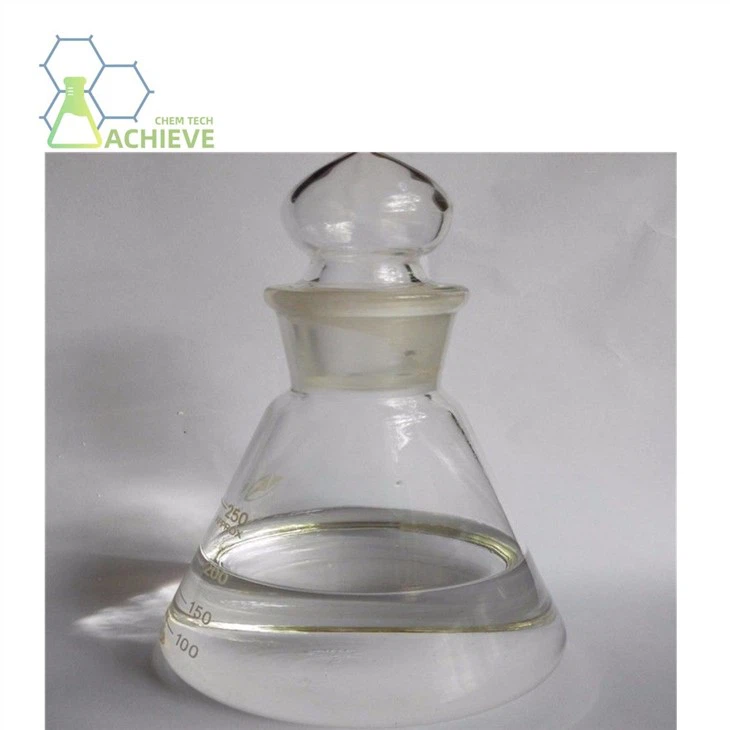
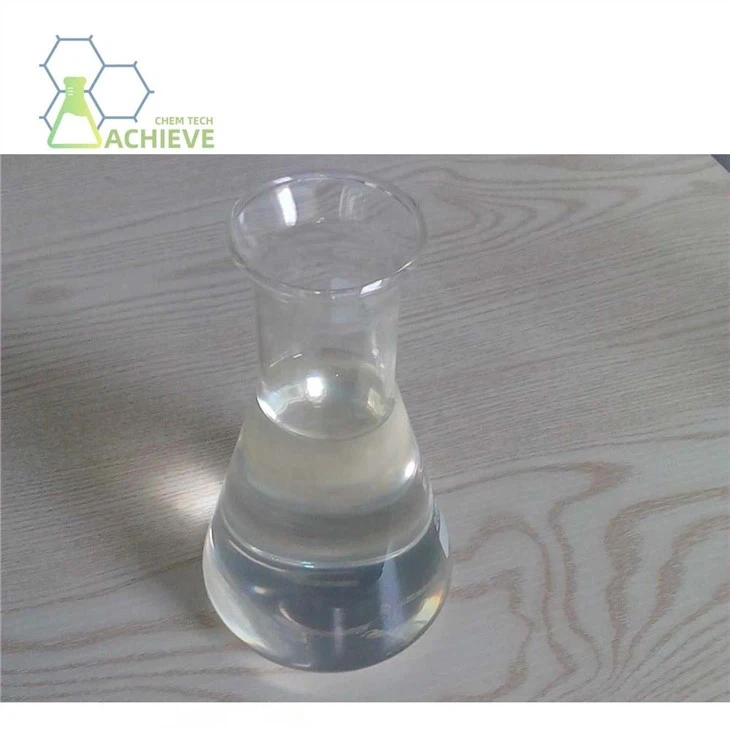
Shaanxi BLOOM Tech Co., Ltd. is one of the most experienced manufacturers and suppliers of 2-octanol cas 123-96-6 in China. Welcome to wholesale bulk high quality 2-octanol cas 123-96-6 for sale here from our factory. Good service and reasonable price are available.
2-Octanol, colorless and transparent, a liquid with a special odor, flammable. The molecular formula is C8H18O, CAS 123-96-6, Insoluble in water, but miscible with organic solvents such as alcohols, ethers, and chloroform. Low toxicity, with significant irritation to the skin and mucous membranes. Mainly used for the production of plasticizers, emulsifiers, solvents, and organic synthesis materials. Used as raw materials for synthesizing surfactants, coal mine flotation agents, and pesticide emulsifiers. Used as a solvent for oils, waxes, etc. As a pharmaceutical raw material, it is used for the synthesis of the intestinal insecticide Atrazole.
The reaction with phthalic anhydride produces di (2-ethylhexyl) phthalate, which is a commonly used plasticizer for polyvinyl chloride and also used in the synthesis of fiber oil agents and defoamers. Used as raw materials for synthesizing surfactants, coal mine flotation agents, and pesticide emulsifiers. Used as a solvent, such as for oils and waxes. As a pharmaceutical raw material, it is used for the synthesis of the anthelmintic drug Jirezoxin.

|
Chemical Formula |
C8H18O |
|
Exact Mass |
130 |
|
Molecular Weight |
130 |
|
m/z |
130 (100.0%), 131 (8.7%) |
|
Elemental Analysis |
C, 73.78; H, 13.93; O, 12.29 |
|
|
|

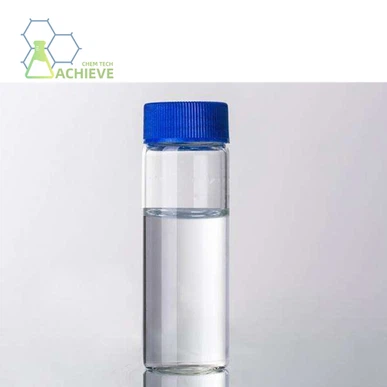

Octanol, also known as 2-octanol, hexylmethylmethanol, 1-methylheptanol, and 2-hydroxyoctane, is a high-performance, environmentally friendly, and renewable chemical raw material with a wide range of applications across multiple industrial fields. Octanol is a colorless, transparent, and highly flammable liquid with a distinctive odor. It is insoluble in water, but can be mixed with organic solvents such as alcohols, ethers, and chloroform. Octanol has the characteristics of low toxicity, low volatility, and low irritation, and is harmless to the human body. However, it should be noted that it has a strong irritant effect on the eyes and also has a certain irritant effect on the skin. Its chemical formula is CH3 (CH2) 5CH (OH) CH3, with a molecular weight of 130.23.

Plasticizer production:
Octanol is an important raw material for the production of plasticizers. For example, it can undergo esterification reaction with phthalic anhydride to produce di (2-ethylhexyl) phthalate, which is a commonly used plasticizer for polyvinyl chloride. Plasticizers can increase the flexibility and processability of plastics, making plastic products softer, easier to shape, and improving their cold resistance, heat resistance, and aging resistance.
Synthesis of surfactants:
Octanol can condense with ethylene oxide to form polyoxyethylene higher alcohols, which is an important pathway for producing non-ionic surfactants. Surfactants have various functions such as wetting, dispersing, foaming, defoaming, emulsifying, and solubilization, and are widely used in detergents, cosmetics, textiles, leather, papermaking, petroleum, pharmaceuticals, and other fields.


Solvent application:
Octanol is an excellent solvent that can be used as a solvent for oils and waxes, as well as for nitrocellulose spray paint and porcelain paint. In the fields of coatings, inks, adhesives, etc., octanol can improve the stability and weather resistance of products, and extend their service life. At the same time, it can also improve the ductility, gloss, and fluidity of the product, making it easier to apply and use.
Organic synthesis raw materials:
Octanol is often used as a raw material or intermediate in organic synthesis reactions. For example, it can react with carboxylic acids to form secondary octanol esters of carboxylic acids, which have a wide range of applications in pharmaceuticals, pesticides, fragrances, and other fields. In addition, octanol can also be used to synthesize various organic compounds such as fiber oil agents and defoamers.


In the field of life sciences:
In the field of life sciences, octanol is widely used in the separation, enrichment, and purification of nucleic acids and proteins. Experiments have shown that octanol is a highly effective solvent for removing impurities from proteins. Meanwhile, it can also be used for the separation and purification of DNA, especially for the separation and purification of multiple DNA molecules. This is of great significance for research in fields such as genetic engineering and biopharmaceuticals.
Other applications:
Octanol can also be used as an additive in high-end lubricants to improve their lubricity and anti-wear properties, and extend the service life of mechanical equipment. In addition, it can also be used to synthesize various products such as pesticide emulsifiers and fragrances to meet the needs of different industries.


Coatings field
In the field of coatings, 2-Octanol is widely used in the production of water-based coatings, inks, adhesives, and other products. By adding an appropriate amount of octanol, the stability and weather resistance of the coating can be improved, making it more suitable for outdoor use.
Meanwhile, octanol can also improve the fluidity and wettability of coatings, making them easier to apply and evenly spread. For example, adding octanol to water-based wood coatings can improve the hardness and glossiness of the paint film, while enhancing its water resistance and chemical resistance.

Plastic field
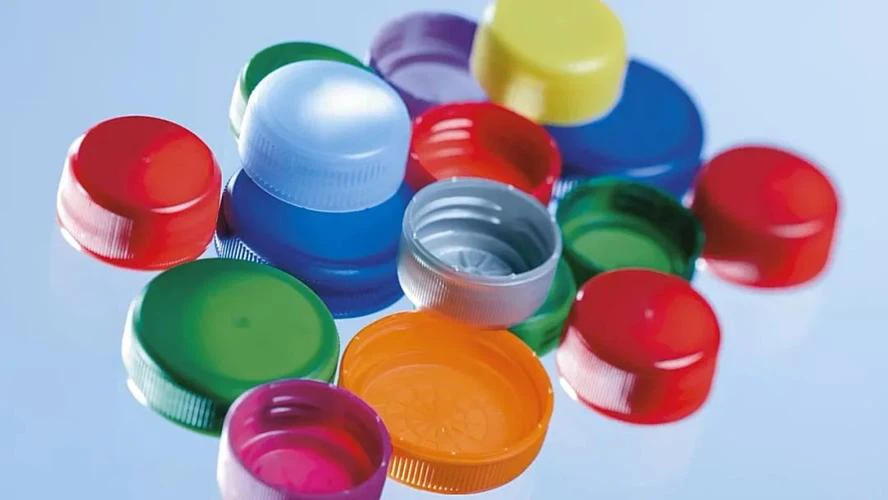
In the field of plastics, octanol is widely used in the production of plastic products such as polypropylene and polyethylene. By adding an appropriate amount of octanol as a plasticizer or modifier, the flexibility and impact resistance of plastic products can be improved, making them more suitable for making various durable goods and packaging materials.
Meanwhile, octanol can also improve the processing performance of plastic products, reduce their molding temperature and pressure, and increase production efficiency. For example, adding octanol to polyvinyl chloride film can improve its transparency and flexibility, while enhancing its cold and heat resistance.


Cleaning agent field
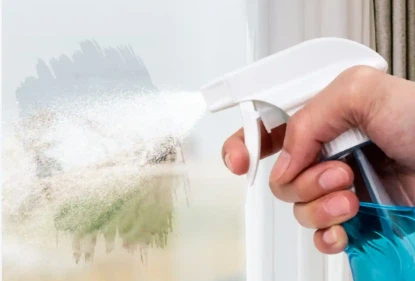
In the field of cleaning agents, the application of octanol is also very extensive. Due to its good solubility and stain removal ability, octanol is used as one of the ingredients in various cleaning formulations. For example, adding octanol to kitchen cleaners can remove oil stains and food residues; Adding octanol to glass cleaner can remove scale and stains;
Adding octanol to floor cleaners can remove dust and dirt. Compared with traditional organic solvents, octanol not only has better cleaning effect, but also has less environmental pollution, which is more in line with environmental protection requirements.

Cosmetics field
In the cosmetics field, sec octanol is widely used in lotion, face cream, shampoo and other products. Due to its excellent permeability and moisturizing properties, octanol can quickly penetrate deep into the skin, providing sufficient moisture and nutrients to the skin.
Meanwhile, octanol can also increase the stability and extensibility of products, making cosmetics easier to apply and absorb. For example, adding secondary octanol to moisturizing face cream can improve the moisturizing degree and moisturizing effect of face cream; Adding octanol to shampoo can improve the softness and shine of hair.


life sciences
In the field of life science research, octanol is widely used in the separation, enrichment, and purification of nucleic acids and proteins. For example, in the process of DNA extraction, octanol can be used as a deprotein reagent to remove protein impurities through centrifugal separation;
In the process of protein purification, octanol can be used as a precipitant or extractant to precipitate or extract proteins by changing the solution conditions. These methods not only improve the purity and recovery rate of nucleic acids and proteins, but also simplify the operating steps and shorten the operating time.


In the traditional production process, Octanol is a by-product of the hydrolysis of castor oil to sebacic acid. That is, castor oil is catalysed and hydrolyzed or saponified with alkali to produce castor oil. Cresol is added as a diluent and cracked at 260~280 ℃ under normal pressure with alkali to obtain sebacic acid, and the by-product sec-octyl alcohol is also obtained. However, the production process is relatively complex, and the organic solvent cresol is toxic, causing great pollution to the environment, and seriously corroding the production equipment.
Add industrial secondary octanol and a certain amount of catalyst into the magnetic stirring autoclave, and cover the autoclave. Replace the air with nitrogen three times, and then replace it with hydrogen once, and then fill it with hydrogen to the required pressure. The autoclave is heated to the required reaction temperature under stirring. After the reaction begins, the hydrogen pressure drops, and then hydrogen is introduced to the required pressure. Continue the reaction until the feed liquid no longer absorbs hydrogen, and the reaction ends. Cool down and release excess pressure. Take out the material and fractionate at atmospheric pressure.
The better process conditions for producing high-purity sec-octyl alcohol by catalytic hydrogenation are: reaction temperature 90~100 ℃, reaction pressure 1.0~2.0 MPa, and catalyst dosage about 1.0% of the material. This process is an efficient and clean process with simple process and good product quality. After being scaled up by industrial plant, the purity of sec-octanol reaches more than 99.5%.
like these sweet mornings of spring which I enjoy with my whole Lorem ipsum dolor sit ament, consectetur adipisicing elit,sed do eiusmod tempor incididunt labore et dolore magna aliqua. it enim ad minim veniam.
Add a certain amount of ionic liquid as diluent and a certain amount of sodium hydroxide solution (6mol/L) to the saponified castor oil (castor oil acid), conduct alkali cracking reaction at a certain temperature for a certain time, and the volatiles are condensed to obtain secondary octanol. The optimum conditions are as follows: the cracking temperature is 300 ℃, the cracking time is 90 min, the mass ratio of castor oil acid to diluent ionic liquid is 1 ∶ 1, and the mass ratio of castor oil acid to NaOH solution (6, mol/L) is 1 ∶ 1.5. Under these conditions, the yield of secondary octanol is 28.2%.
Under the optimized conditions, the recovery rate of ionic liquid is about 80%. The pyrolysis reaction using the recovered ionic liquid can still repeat the pyrolysis experiment without affecting the experimental yield.
FAQ
What is 2-Octanol used for?
The 2-Octanol can be used as Chemical Intermediate for surfactants, esters, phosphates, etc. It can replace many primary alcohols for making esters for plasticizers, emollients for cosmetics, synthetic lubricants, adhesives, etc. It can also be used as Defoamer in various defoaming formulations.
Is 2-Octanol a primary alcohol?
It is a secondary alcohol and an octanol. 2-Octanol has been reported in Daphne odora, Zea mays, and other organisms with data available.
Is 2-butanol an alcohol?
2-butanol is defined as an organic compound with the empirical formula C4H10O, commonly known as sec-butyl alcohol, that exists as a colorless liquid with a strong, pleasant odor and is classified as an alcohol.
What is 2-octanone?
2-octanone is a methyl ketone that is octane substituted by an oxo group at position 2. It has a role as a metabolite. ChEBI. 2-Octanone has been reported in Heracleum dissectum, Eryngium foetidum, and other organisms with data available.
Hot Tags: 2-octanol cas 123-96-6, suppliers, manufacturers, factory, wholesale, buy, price, bulk, for sale, Dodecyltrimethylammonium chloride, Chrysene powder, 3-Chloropropyltrimethoxysilane, 2 Octanol CAS 123 96 6, 1 4 Cyclohexanedicarboxylic Acid CAS 1076 97 7, Octocrylene Liquid