




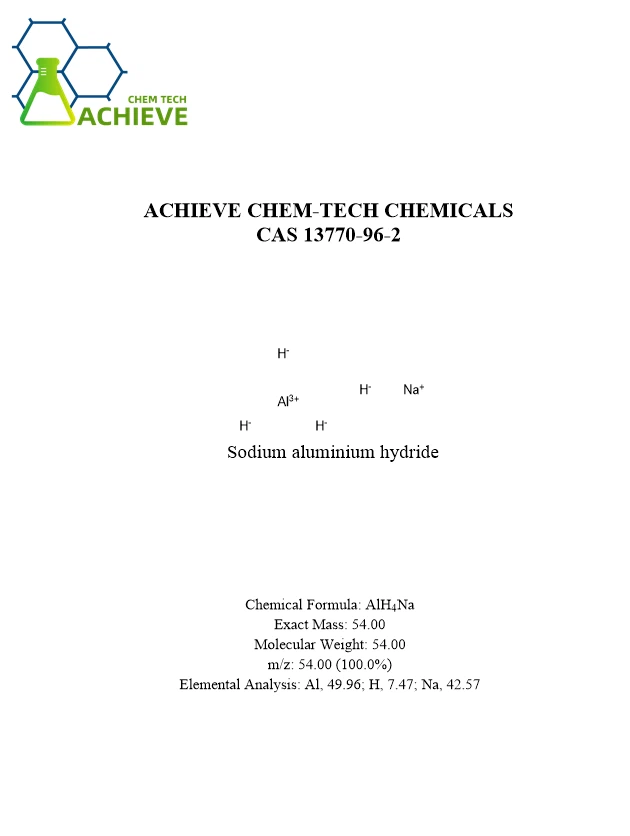
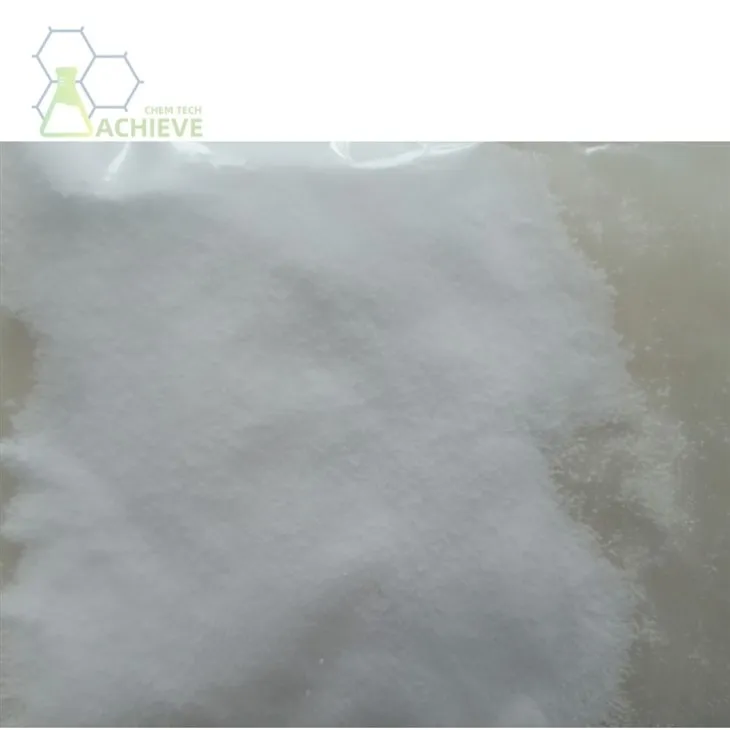
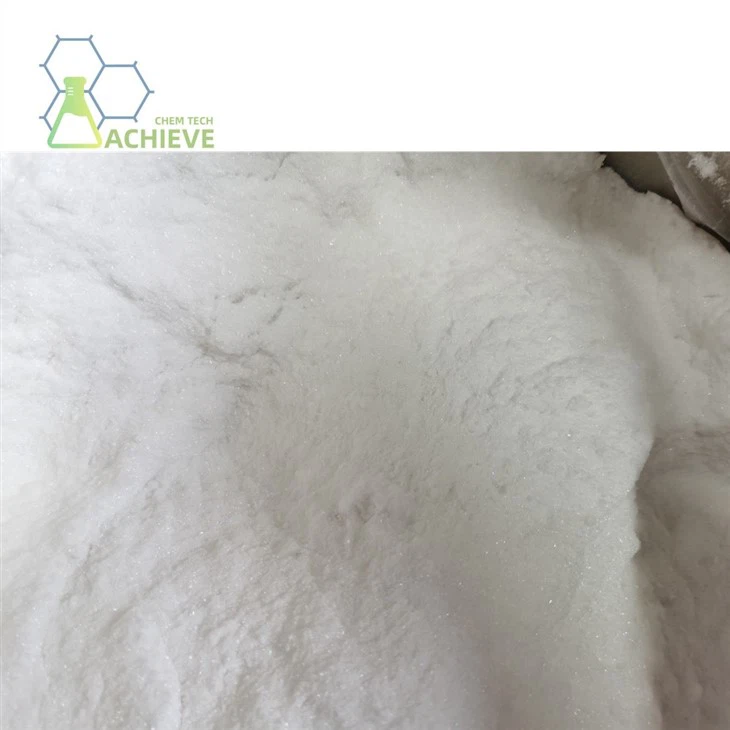


Shaanxi BLOOM Tech Co., Ltd. is one of the most experienced manufacturers and suppliers of sodium aluminium hydride cas 13770-96-2 in China. Welcome to wholesale bulk high quality sodium aluminium hydride cas 13770-96-2 for sale here from our factory. Good service and reasonable price are available.
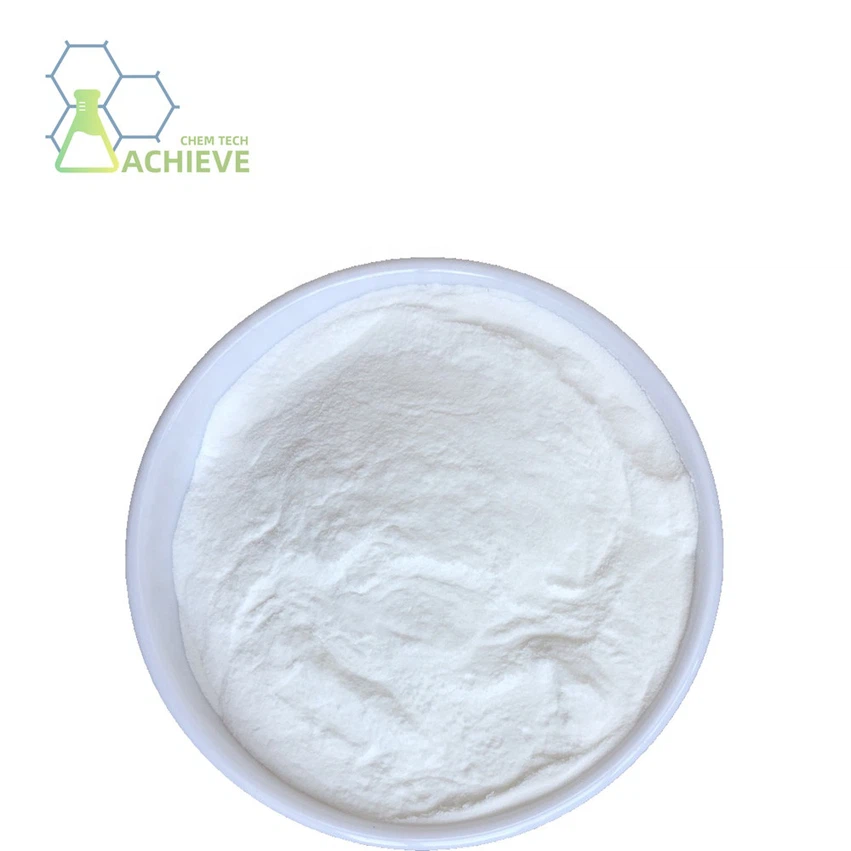
Sodium aluminum hydride, also known as sodium tetrahydroaluminate or sodium tetrahydroaluminum hydride, is a coordination compound. Its pure substance usually appears as white crystals and is soluble in tetrahydrofuran and ethylene glycol dimethyl ether, but insoluble in ether. It is stable in a dry environment, but when it comes into contact with water or humid air, it releases hydrogen gas and may self ignite. It belongs to flammable solids, self igniting materials, and flammable materials when exposed to moisture, and is corrosive. It is a strong reducing agent with reducing properties similar to LiAlH ₄, and can be used for reduction reactions in organic synthesis. Due to its advantages of large storage capacity and low cost, it can be used as a hydrogen (or thermal) storage system.
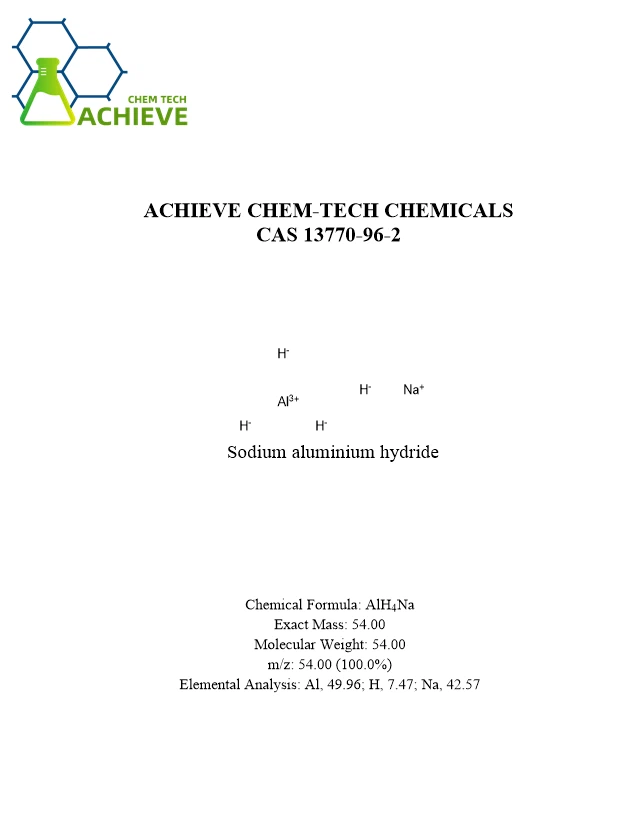
Additional information of chemical compound:
|
Chemical Formula |
AlH4Na |
|
Exact Mass |
54.00 |
|
Molecular Weight |
54.00 |
|
m/z |
54.00 (100.0%) |
|
Elemental Analysis |
Al, 49.96; H, 7.47; Na, 42.57 |
|
Melting point |
178 °C |
|
Density |
0.905 g/mL at 25 °C |
 |
 |
Sodium aluminum hydride (NaAlH ₄) is an important organometallic compound with wide applications in organic synthesis, materials science, and energy storage. The following will elaborate on its purpose:

Reducing agents in organic synthesis
sodium tetrahydroaluminate is a strong reducing agent with reducibility similar to lithium aluminum hydride (LiAlH ₄), but it has some unique advantages, such as higher stability and a wider range of applications. In organic synthesis, sodium aluminum is mainly used for the following reactions:Reduction of aldehydes and ketones:sodium tetrahydroaluminate can reduce aldehydes and ketones to their corresponding alcohols. This reaction is very common in organic synthesis and is used to construct alcohol compounds.
For example, in the preparation of complex organic molecules,sodium tetrahydroaluminate can selectively reduce aldehyde or ketone groups without affecting other sensory groups.
Reduction of carboxylic acids and their derivatives:sodium tetrahydroaluminate can reduce carboxylic acids, carboxylic anhydrides, esters, etc. to alcohols. This reaction is of great significance in the synthesis of natural products and drugs.For example, in the preparation of certain pharmaceutical intermediates, sodium tetrahydroaluminate can reduce carboxylic acid esters to alcohols, thereby introducing the desired functional groups.


Reducing agents in organic synthesis
Reduction of nitro compounds:sodium tetrahydroaluminate can reduce nitro compounds to amino compounds. This reaction is widely used in the synthesis of dyes, pesticides, and drugs.For example, in the preparation of certain dyes, sodium tetrahydroaluminate can reduce nitrobenzene to aniline, thereby synthesizing the desired dye molecules.
Reduction of other functional groups:sodium tetrahydroaluminate can also reduce functional groups such as nitriles, imines, epoxides, and generate corresponding compounds such as amines and alcohols.These reactions have high practical value in organic synthesis and can be used to construct complex organic molecular structures.
Applications in Materials Science
Hydrogen storage material:Sodium aluminum hydride has high hydrogen storage capacity and reversible hydrogen storage performance, making it a potential hydrogen storage material.During the hydrogen storage process, sodium tetrahydroaluminate can absorb hydrogen gas to form sodium tetrahydroaluminate hydride (Na∝AlH ₆) and release hydrogen gas when needed.This characteristic makes sodium tetrahydroaluminate have broad application prospects in the field of hydrogen energy storage and transportation.


Catalyst precursor:Sodium tetrahydroaluminate can be used as a catalyst precursor for the preparation of various metal catalysts.Sodium tetrahydroaluminate can be converted into corresponding metal or metal alloy catalysts through pyrolysis or reduction treatment, which are used to catalyze various organic reactions.
Preparation of ceramic materials:Sodium tetrahydroaluminate can be used to prepare certain ceramic materials, such as aluminum nitride ceramics.During the preparation process, sodium tetrahydroaluminate can serve as an aluminum source and react with other raw materials to produce the desired ceramic materials.
Application in the field of energy storage
With the continuous development of hydrogen energy technology, the application of sodium tetrahydroaluminate in the field of energy storage is also receiving increasing attention. In addition to being used as a hydrogen storage material, sodium tetrahydroaluminate can also be used in the following areas:sodium tetrahydroaluminate can serve as a hydrogen source for fuel cells, providing a continuous supply of hydrogen gas.


By integrating with fuel cells, sodium tetrahydroaluminate can achieve efficient and clean energy conversion and storage.
Portable energy devices:The high hydrogen storage capacity and reversible hydrogen storage performance of sodium tetrahydroaluminate make it an ideal choice for portable energy devices.For example, in outdoor exploration, military operations, and other scenarios, sodium tetrahydroaluminate can be used as a portable hydrogen generator to provide power support for electronic devices.
Specific application cases of sodium aluminum hydride in organic synthesis
Synthesis of pharmaceutical intermediates:When preparing certain pharmaceutical intermediates, it is necessary to utilize the reducing property of sodium tetrahydroaluminate to reduce carboxylic acid esters to alcohols.For example, in the synthesis of a certain antibiotic, sodium tetrahydroaluminate can reduce carboxylic acid methyl ester to methanol, thereby introducing the desired hydroxyl functional group.


Total synthesis of natural products:Sodium tetrahydroaluminate is commonly used in the reduction reaction of key steps in the total synthesis of natural products.For example, in the synthesis of a biologically active natural product, sodium tetrahydroaluminate can reduce aldehyde groups to alcohol groups, thereby completing the construction of the target molecule.
Synthesis of polymer materials:Sodium tetrahydroaluminate can also be used in the synthesis of polymer materials, such as the reduction of polyester.
By the reduction effect of sodium tetrahydroaluminate, ester bonds in polyester can be reduced to alcohol bonds, thereby changing the properties and applications of polymer materials.
Adverse reactions
Sodium aluminum hydride (NaAlH ₄) is a strong reducing agent with wide applications in organic synthesis, materials science, and energy storage. However, due to its active chemical properties, sodium tetrahydroaluminate may cause a series of adverse reactions during use, posing a threat to human health and environmental safety. The following will elaborate on its adverse reactions and countermeasures:
Adverse reactions to the human body
Direct contact: Sodium tetrahydroaluminate has a strong irritant effect on the skin and eyes. Direct skin contact with sodium tetrahydroaluminate may cause burns, manifested as redness, swelling, pain, blisters, and other symptoms. Eye contact may cause serious eye damage, including pain, tearing, blurred vision, etc.
Protective measures: When using sodium tetrahydroaluminate, protective gloves, protective clothing, and goggles must be worn to avoid direct skin and eye contact. If accidentally touched, rinse immediately with plenty of water and seek medical attention promptly.


Respiratory irritation
Inhalation risk: Sodium tetrahydroaluminate dust or smoke inhalation may cause irritation to the respiratory tract, leading to symptoms such as cough, shortness of breath, headache, and nausea. Long term exposure or high concentration inhalation may lead to more severe respiratory diseases.
Protective measures: During operation, good ventilation conditions should be maintained, dust masks or respirators should be worn, and inhalation of sodium tetrahydroaluminate dust or smoke should be avoided.
Digestive tract injury
Risk of accidental ingestion: Sodium tetrahydroaluminate is corrosive and may cause gastrointestinal burns after ingestion, manifested as pain, erosion, bleeding, and other symptoms in the mouth, esophagus, stomach, and other areas. In severe cases, it may lead to shock, coma, or even death.
Emergency measures: If sodium tetrahydroaluminate is accidentally ingested, rinse your mouth immediately, do not induce vomiting, and seek medical attention as soon as possible. When seeking medical treatment, the doctor should be informed of the name and amount of the substance ingested, in order to take targeted treatment measures.


Systemic toxicity
Long term exposure: Long term exposure to sodium tetrahydroaluminate dust or smoke may have adverse effects on overall health, including affecting the nervous system, immune system, etc. Although there is currently insufficient research on the systemic toxicity of long-term exposure to sodium tetrahydroaluminate, it should be given sufficient attention.
Health monitoring: For personnel who have long-term exposure to sodium tetrahydroaluminate, regular health checks should be conducted, including testing of blood routine, liver function, kidney function and other indicators, as well as evaluation of the nervous system.
Adverse reactions to the environment
Water reaction: Sodium tetrahydroaluminate reacts violently with water, releasing flammable gas (hydrogen) and possibly forming precipitates such as aluminum hydroxide. These reaction products may cause pollution to water bodies, affecting water quality and the survival of aquatic organisms.
Environmental protection measures: When using and storing sodium tetrahydroaluminate, contact with water should be strictly avoided. If a leak or accident occurs, immediate measures should be taken to prevent it from entering the water body, such as covering the leaked material with sand or other non combustible materials and collecting and treating it.


air pollution
Combustion and explosion: Sodium tetrahydroaluminate is flammable and explosive, and may ignite or explode when exposed to open flames, high heat, or in contact with oxidants. Toxic gases and smoke may be generated during the combustion process, causing pollution to the atmospheric environment.
Safe operation: When using sodium tetrahydroaluminate, it is necessary to strictly follow the safety operation procedures and stay away from fire, heat sources, and oxidants. If a fire or explosion accident occurs, immediately report to the police and take measures to control the fire and prevent the spread of the explosion.
soil pollution
Leakage and disposal: If sodium tetrahydroaluminate leaks and is not promptly and effectively treated, it may seep into the soil and cause pollution. Soil pollution may affect soil fertility and plant growth, and even pose a threat to human health through the food chain.
Soil remediation: For soil contaminated with sodium tetrahydroaluminate, appropriate remediation measures should be taken, such as excavation, displacement, bioremediation, etc., to reduce the concentration of pollutants in the soil and restore soil function.

Preventive measures for adverse reactions of sodium aluminum hydride

Strengthen safety education
Training operators: Provide professional training to operators who use sodium tetrahydroaluminate to understand its properties, hazards, and protective measures. The training content should include safety operating procedures, emergency response measures, etc.
Enhance safety awareness: Through safety education, raise the safety awareness of operators, make them aware of the potential hazards of sodium tetrahydroaluminate, and consciously comply with safety regulations.
Improve safety facilities
Equip with protective equipment: Equip operators with necessary protective equipment such as protective gloves, protective clothing, eye masks, dust masks, etc. Ensure the quality of protective equipment meets standards and replace it regularly.
Set up safety warning signs: Set up clear safety warning signs in the storage and use areas of sodium tetrahydroaluminate to remind personnel to pay attention to safety and comply with relevant regulations.


Strict storage and management
Storage conditions: Sodium tetrahydroaluminate should be stored in a sealed, cool, and dry environment, away from fire, heat sources, and oxidants. The storage site should have good ventilation conditions and be equipped with fire-fighting equipment.
Management measures: Establish a strict management system for sodium tetrahydroaluminate, including management regulations for procurement, acceptance, storage, use, and disposal. Regularly inspect and maintain the stored sodium tetrahydroaluminate to ensure it is in good condition.
Develop emergency plans
Emergency response measures: Develop detailed emergency plans for incidents such as sodium tetrahydroaluminate leaks, fires, explosions, etc., clarify emergency response procedures and division of responsibilities. The emergency plan should include personnel evacuation, fire fighting, leak control, medical rescue, and other contents.
Emergency drills: Regularly organize emergency drills to improve the emergency response and coordination abilities of operators. After the drill, the effectiveness of the drill should be evaluated and summarized, and the emergency plan should be continuously improved.

Frequently Asked Questions
Why does using a carbon dioxide fire extinguisher to save it from catching fire add fuel to the fire?
+
-
This is its most deadly 'fire trap' - at high temperatures, NaAlH ₄ will reduce CO ₂ to methane and ethane, both of which are flammable/explosive gases. At elevated temperatures, NaAlH ₄ will reduce carbon dioxide or sodium bicarbonate to methane and ethane. When using CO ₂ fire extinguishers in hydride fires, these gases become explosive products. "This means that spraying CO ₂ onto the burning NaAlH ₄ not only fails to suffocate the flame, but also acts as "feeding" fuel into the fire.
What 'invisible explosion risk' is hidden in its industrial synthesis?
+
-
The catalyst NaAlH ₂ (C ₂ H ₅) ₂ (sodium diethylaluminum hydride) used in the synthesis process can form an explosive mixture with toluene solvent under specific conditions. The toluene slurry for industrial synthesis of NaAlH ₄ contains approximately 0.01-0.1 wt% sodium diethylaluminum hydride as a catalyst. This substance forms an explosive mixture with ether solvents at relatively low temperatures. A reported explosion accident occurred in 1961 during the preparation process of NaAlH ₄ using tetrahydrofuran as a medium.
Why can it transform from "laboratory hazardous materials" to "automotive fuel"? --Adding a little titanium can 'tame' it
+
-
After doping with trace amounts of titanium (Ti), the hydrogen evolution temperature of NaAlH ₄ can be reduced from over 200 ° C to about 33 ° C (close to room temperature), and reversible hydrogen absorption and desorption can be achieved. The breakthrough discovery at the beginning of this century completely changed its positioning - previously NaAlH ₄ was considered an "irreversible" hydride. After doping with titanium salts such as TiCl3, it can store hydrogen reversibly within the temperature range of 120-150 ° C, with a hydrogen storage capacity of up to 4-5 wt%. This discovery makes it a candidate material for on-board hydrogen storage media in proton exchange membrane fuel cells (PEMFC).
Hot Tags: sodium aluminium hydride cas 13770-96-2, suppliers, manufacturers, factory, wholesale, buy, price, bulk, for sale, 2 Octanol CAS 123 96 6, Stearic Acid Powder CAS 57 11 4, Dicyclohexylcarbodiimide powder, 3-Isocyanatopropyltriethoxysilane, Dodecyltrimethylammonium chloride, 2,2'-Dithiobis(benzothiazole) CAS 120-78-5