




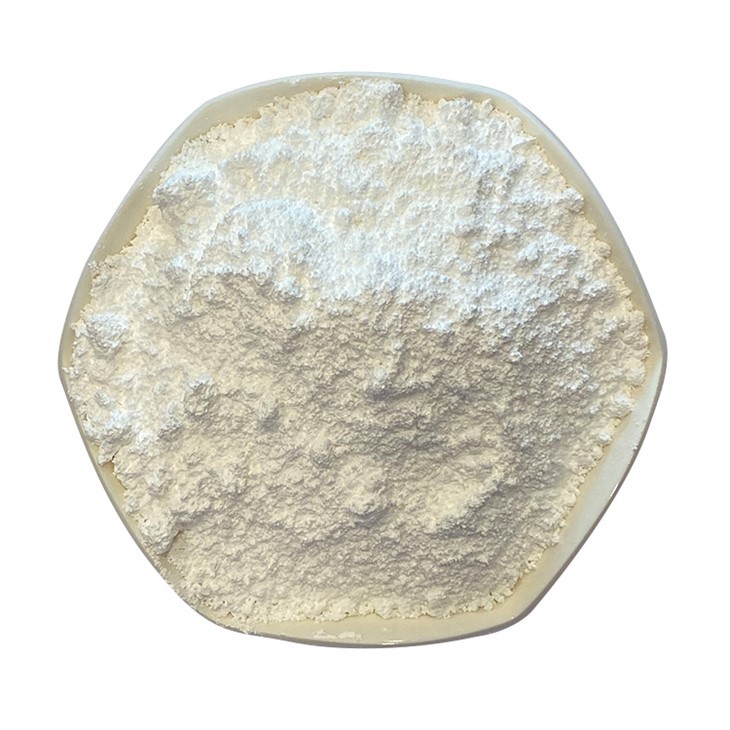
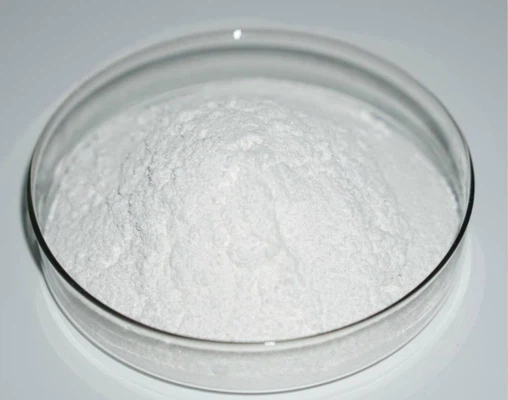
Shaanxi BLOOM Tech Co., Ltd. is one of the most experienced manufacturers and suppliers of acetyl tetrapeptide in China. Welcome to wholesale bulk high quality acetyl tetrapeptide for sale here from our factory. Good service and reasonable price are available.
Acetyl tetrapeptides follow the general structure: Ac-AA1-AA2-AA3-AA4-OH, where "Ac" denotes the acetyl group, and AA1 to AA4 represent the four amino acids in the sequence. The acetyl group at the N-terminus protects the peptide from exopeptidases, enhancing its stability in biological environments.
The sequence of amino acids determines the peptide's specific properties and functions. For instance, certain sequences may mimic bioactive peptides found naturally in the body, enabling them to interact with specific receptors or enzymes.
Price List Of Peptides


Product Introduction
Additional information of chemical compound:


Molecular Mechanism
The "Accelerator Engine" of Cell Proliferation
The core function of tetrapeptide-5 lies in enhancing skin permeability through acetylation modification, thereby precisely activating the ERK1/2 (extracellular signal-regulated kinase 1/2) pathway in fibroblasts. This pathway serves as a critical regulatory node for cell proliferation, migration, and collagen synthesis.
Experimental Evidence: A 2026 study published in Wound Repair and Regeneration demonstrated that in vitro cell models treated with tetrapeptide-containing dressings exhibited a 3.2-fold increase in ERK1/2 phosphorylation levels in fibroblasts, a 40% acceleration in cell migration speed, and a 65% increase in collagen synthesis.
Clinical Significance: Diabetic foot ulcer patients often exhibit reduced cellular activity due to microcirculatory impairment. Activation of the ERK1/2 pathway bypasses limitations of traditional growth factors, directly reactivating "dormant" repair cells.
An "Anti-Inflammatory Shield" for Chronic Wounds
Persistent inflammation in chronic wounds is a primary cause of healing failure. It establish an immunologically balanced environment by downregulating pro-inflammatory factors like TNF-α (Tumor Necrosis Factor-α) and IL-6 (Interleukin-6), while simultaneously upregulating anti-inflammatory factors such as IL-10 (Interleukin-10).
Data Support: In a randomized controlled trial involving pressure ulcer patients, the group using tetrapeptide-5containing dressings showed a 52% reduction in inflammatory cell infiltration by day 7, compared to only an 18% reduction in the traditional dressing group.
Mechanism Breakthrough: Unlike traditional anti-inflammatory drugs, tetrapeptide-5 achieve "anti-inflammatory effects at the source" by regulating cellular signaling pathways, thereby avoiding drug resistance and systemic side effects.
Structure and Synthesis
Chemical Structure
Tetrapeptide-5 follow the general formula Ac-X1-X2-X3-X4-OH, where "Ac" denotes the acetyl group, and X1-X4 represent amino acid residues. The sequence and nature of these residues determine the peptide's specificity and function. For example, tetrapeptide-5 (Ac-Glu-Glu-Met-Gln-OH) is designed to mimic natural signaling molecules involved in skin hydration.
Synthesis Methods
Synthetic methods for tetrapeptide-5 include solid-phase peptide synthesis (SPPS) and liquid-phase synthesis. SPPS is favored for its efficiency and ease of purification, allowing for the rapid assembly of peptide chains on resin supports. Post-synthetic modifications, such as acetylation, are performed to cap the N-terminus, enhancing the peptide's stability against exopeptidases.
Applications in Cosmetics
Acetyl tetrapeptide-5 have diverse applications in cosmetics, leveraging their biological activities to address specific skin concerns. Below are key applications:

Anti-Aging and Wrinkle Reduction
Tetrapeptide-1 is widely used in anti-aging and anti-wrinkle products. It can effectively reduce eye wrinkles, crow's feet, and forehead wrinkles caused by muscle contraction. Additionally, tetrapeptide-2 can upregulate gene expression related to collagen synthesis and focal adhesions, promoting the synthesis of elastin and type I collagen, thereby increasing skin firmness and rebuilding epidermal structure. These properties make it suitable for facial and body firming and anti-aging products.
Eye Care and Puffiness Reduction
Tetrapeptide-5, also known as Eyeseryl®, is specifically designed for eye care. It can eliminate edema, eye bags, and dark circles by improving microcirculation in the eye area, increasing SOD activity, inhibiting glycosylation, and reducing vascular permeability. This makes it a key ingredient in eye creams, eye serums, and eye masks aimed at reducing puffiness and dark circles.


Hair and Lash Growth Promotion
Acetyl tetrapeptide-3 is a biomimetic peptide that promotes the synthesis of collagen and laminin, improving skin structure and reducing fine lines and wrinkles. It also accelerates the synthesis of extracellular matrix (ECM) proteins such as laminin, collagen III, and VII, effectively improving hair follicle structure and increasing hair anchor stability. This peptide is suitable for long-term use in hair loss treatments, as it enhances the hair follicle's resistance to DHT, stimulates the hair papilla, and promotes hair growth. It is also used to promote lash growth, making lashes fuller and thicker.
Anti-Inflammatory and Skin Soothing
Acetyl tetrapeptide-40 has anti-inflammatory, anti-allergic, and anti-itching properties. It can reduce facial redness caused by inflammation by lowering LL37 activity, inhibiting the release of inflammatory factors such as IL, and inhibiting tyrosinase activity to prevent light damage. This makes it suitable for sensitive skin care products aimed at reducing redness and irritation.


Skin Firming and Repair
Acetyl tetrapeptide-2 enhances the skin's immune defense by regulating immune function. It promotes the combination of cells and the extracellular matrix, counteracting the loss of skin firmness and adhesion, thereby improving skin condition. It is mainly manifested by increasing epidermal thickness and repairing epidermal texture, making it suitable for various anti-wrinkle, anti-aging, firming, and repairing formulations, as well as postpartum and post-sun body care products.
Antioxidant and Skin Protection
Acetyl tetrapeptide-9 acts as an antioxidant and skin conditioner. It is an effective ACE inhibitor that can improve blood circulation by inhibiting the conversion of angiotensin I to angiotensin II. With its anti-edema function, it is widely used as a potent active peptide for removing eye bags, achieving visible results in as little as 15 days when added to cosmetic formulations such as lotions and gels.

Pharmaceutical and Biomedical Applications
Wound Management:
Tetrapeptides show promise in advanced wound dressings. Their ability to accelerate healing and reduce infection risk makes them valuable in chronic wound care, such as diabetic ulcers or pressure sores.
Anti-Inflammatory Drugs:
Given their anti-inflammatory properties, tetrapeptides are being explored as alternatives to traditional NSAIDs, potentially offering fewer side effects. Clinical trials are underway to assess their efficacy in conditions like rosacea or atopic dermatitis.
Tissue Engineering:
In tissue engineering, tetrapeptides can enhance cell adhesion and proliferation on scaffolds, improving the integration and functionality of engineered tissues. Their role in promoting ECM synthesis is particularly beneficial in regenerative medicine applications.
Case Studies
Case Study 1: Wound Healing in Diabetic Foot Ulcers
1) Background
A 65-year-old male with type 2 diabetes presented with a non-healing ulcer (Stage III) on the right foot, measuring 3.2 cm² with signs of infection. Standard wound care (debridement, antibiotics) had failed to promote healing over 8 weeks.
2) Intervention
A hydrogel dressing containing Tetrapeptide-9 (1%) was applied daily, along with offloading and systemic antibiotic therapy.
3) Outcomes
Week 2: Reduction in wound exudate and odor; granulation tissue visible.
Week 4: Wound area decreased to 1.8 cm² (44% reduction).
Week 8: Complete epithelialization achieved; no recurrence at 6-month follow-up.
4) Discussion
Tetrapeptide-9's pro-angiogenic and pro-migratory effects on keratinocytes likely accelerated re-epithelialization. This case highlights its potential as an adjunct to standard wound care in chronic, non-healing ulcers.
Case Study 6: Post-Laser Resurfacing Recovery
1) Background
A 45-year-old female underwent fractional CO₂ laser resurfacing for facial rejuvenation. She experienced prolonged erythema and delayed re-epithelialization, prompting the addition of a peptide-based recovery cream.
2) Intervention
A post-procedure cream containing Tetrapeptide-9 (0.5%) and Centella Asiatica Extract (5%) was applied twice daily starting on Day 3 post-procedure.
3) Outcomes
Day 7: Complete re-epithelialization achieved (vs. 10–12 days historically).
Day 14: Erythema resolved (vs. 21 days historically).
Patient-Reported Comfort: Reduced itching and tightness during recovery.
4) Discussion
Tetrapeptide-9's acceleration of keratinocyte migration and wound contraction likely shortened recovery time. This case underscores its utility in post-procedural care to enhance healing and patient comfort.
Future Directions
The future of tetrapeptides is poised for significant advancements, driven by innovations in personalized medicine, delivery systems, combination therapies, and expanded therapeutic applications. Below are key directions shaping their development:

Personalized Medicine and Targeted Therapies
Genomic and Proteomic Profiling: By integrating genetic and protein data, tetrapeptides can be tailored to individuals with specific biomarkers, such as elevated matrix metalloproteinase-1 (MMP-1) levels, enhancing efficacy in anti-aging treatments.
AI-Driven Peptide Design: Artificial intelligence and machine learning algorithms will accelerate the discovery of novel tetrapeptide sequences with optimized bioactivity for specific targets, such as fibroblast growth factor receptors (FGFRs).
Advanced Drug Delivery Systems
Nanotechnology for Enhanced Penetration: Nanocarriers like liposomes and solid lipid nanoparticles (SLNs) will improve the stability and transdermal absorption of tetrapeptides, overcoming the barrier posed by the stratum corneum.
Controlled Release and Smart Materials: Hydrogels and microneedle patches equipped with stimuli-responsive polymers will enable targeted and sustained release of tetrapeptides, particularly in wound healing and anti-aging applications.


Combination Therapies for Synergistic Outcomes
Synergy with Growth Factors: Combining acetyl tetrapeptides with growth factors like epidermal growth factor (EGF) or platelet-derived growth factor (PDGF) may amplify tissue repair and regeneration.
Integration with Small Molecules and Natural Extracts: Pairing acetyl tetrapeptides with antioxidants (e.g., resveratrol) or botanical extracts (e.g., green tea polyphenols) could address multiple pathways of skin aging more comprehensively.
Expansion into New Therapeutic Areas
Neurodegenerative Diseases: Acetyl tetrapeptide-5 targeting neuroinflammatory pathways, such as those inhibiting microglial activation, may offer novel treatments for Alzheimer's or Parkinson's disease.
Musculoskeletal Regeneration: Peptides modulating bone morphogenetic proteins (BMPs) or transforming growth factor-beta (TGF-β) signaling could aid in bone and cartilage repair, providing alternatives to recombinant proteins in fracture healing.
Regulatory and Commercial Advancements
Standardization of Safety and Efficacy Testing: Establishing robust protocols for preclinical and clinical testing will be critical for regulatory approval and market access, particularly in distinguishing acetyl tetrapeptides as active pharmaceutical ingredients (APIs).
Intellectual Property Strategies: Navigating existing patent landscapes and filing new patents for novel peptide variants or delivery technologies will be essential for commercial success.
Frequently Asked Questions
Is acetyl tripeptide 1 safe to use?
+
-
This ingredient has an excellent safety profile and is widely used in cosmetic products. Studies show that it is well-tolerated by most people, with serious side effects being rare.
What does acetyl hexapeptide do for skin?
+
-
Acetyl hexapeptide is an ingredient often used in anti-wrinkle serums. This powerful synthetic ingredient has humectant properties and skin-restoring abilities that assist with common signs of aging.
What is acetyl tetrapeptide?
+
-
Acetyl Tetrapeptide-3 is a biomimetic peptide made up of 4 main amino acids that help to stimulate tissue regeneration.
What are the side effects of acetyl tetrapeptide?
+
-
There are no documented adverse side effects to using acetyl tetrapeptide-3 topically (on the skin), but it can irritate your eyes. Furthermore, it is harmful if swallowed, so we recommend you wash your hands after applying it to your scalp to protect your eyes and mouth.
Hot Tags: acetyl tetrapeptide, suppliers, manufacturers, factory, wholesale, buy, price, bulk, for sale, Cosmetic, DERMORPHIN, dermorphin in humans, dermorphin peptide, Melanotan ii powder