


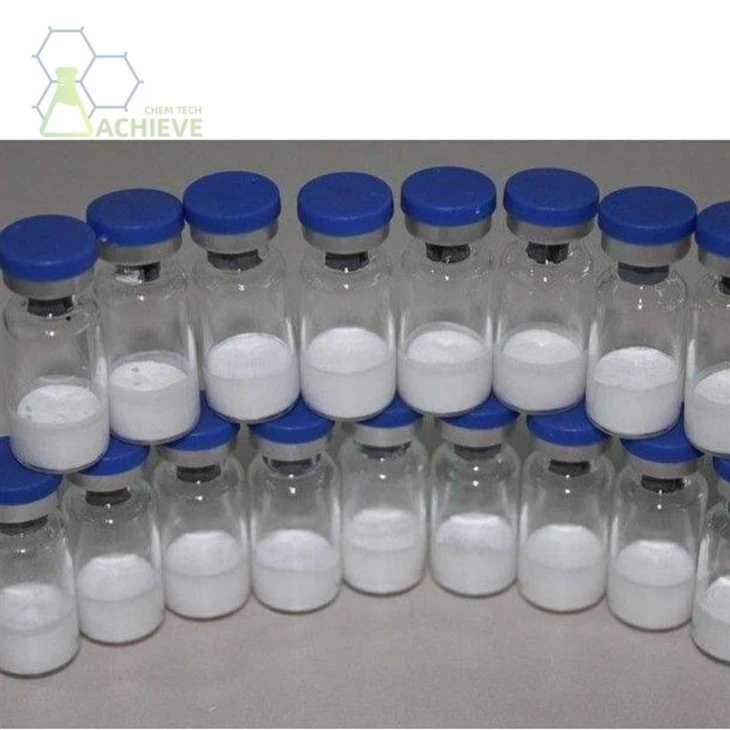

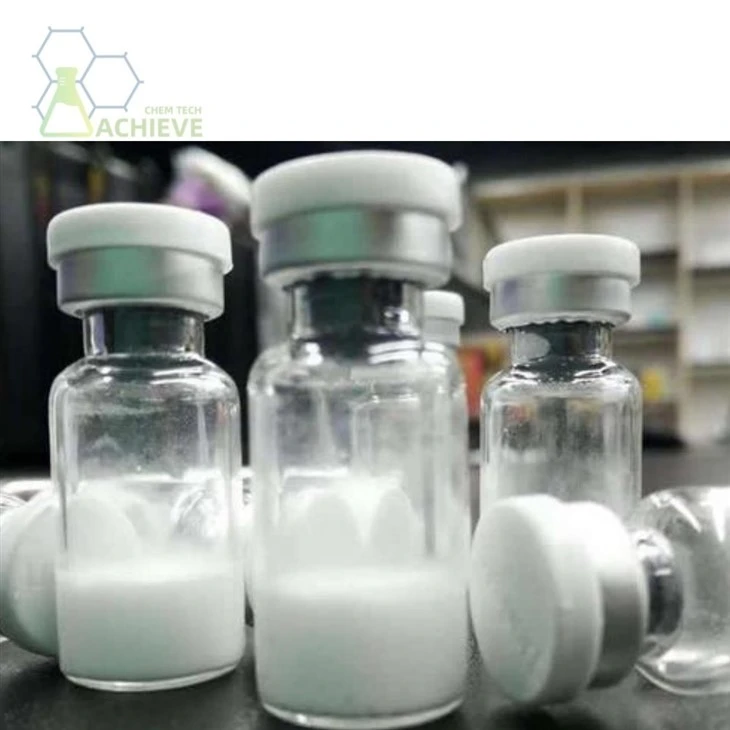

Shaanxi BLOOM Tech Co., Ltd. is one of the most experienced manufacturers and suppliers of icatibant cas 130308-48-4 in China. Welcome to wholesale bulk high quality icatibant cas 130308-48-4 for sale here from our factory. Good service and reasonable price are available.
Icatibant(HOE 140), commonly a white powder, molecular formula C59H89N19O13S, CAS 130308-48-4. Firazyr, a HAE specific drug developed by Shire, was approved by the FDA on August 25, 2011 for the treatment of acute attacks of hereditary angioedema in adults aged 18 and above. It is also the third drug approved by the FDA for the treatment of HAE attacks. Acetate etinib has a unique structure similar to bradykinin, but it contains five non protein derived amino acids. It is a strong selective competitive antagonist of bradykinin type 2 (B2) receptors, which treats acute HAE by inhibiting the effects of bradykinin related to local swelling, inflammation, and pain symptoms in the embolic area. HAE is just one of several possible indications for its treatment, while other potential indications include asthma, cirrhosis, and other types of vascular edema. So, this product has high medicinal value and broad market prospects.
|
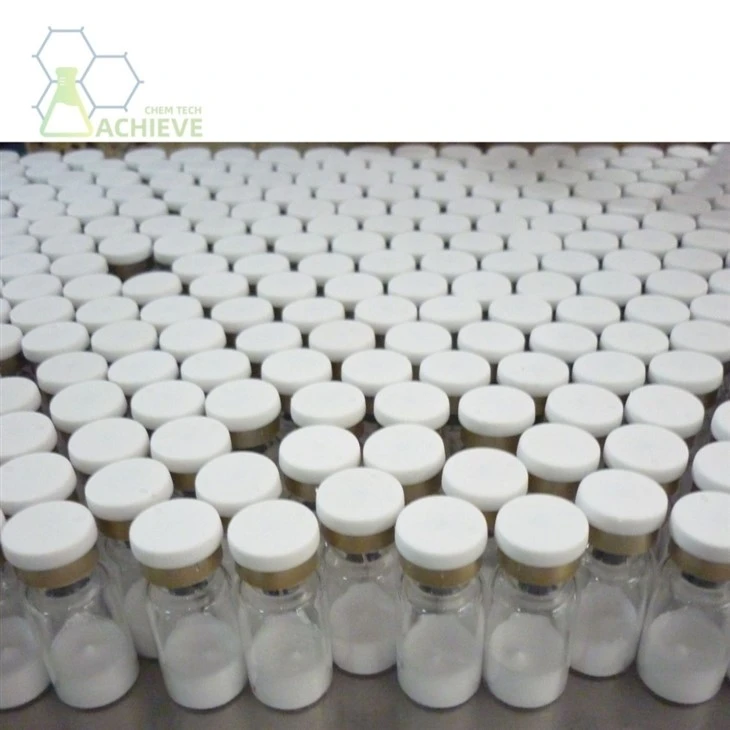
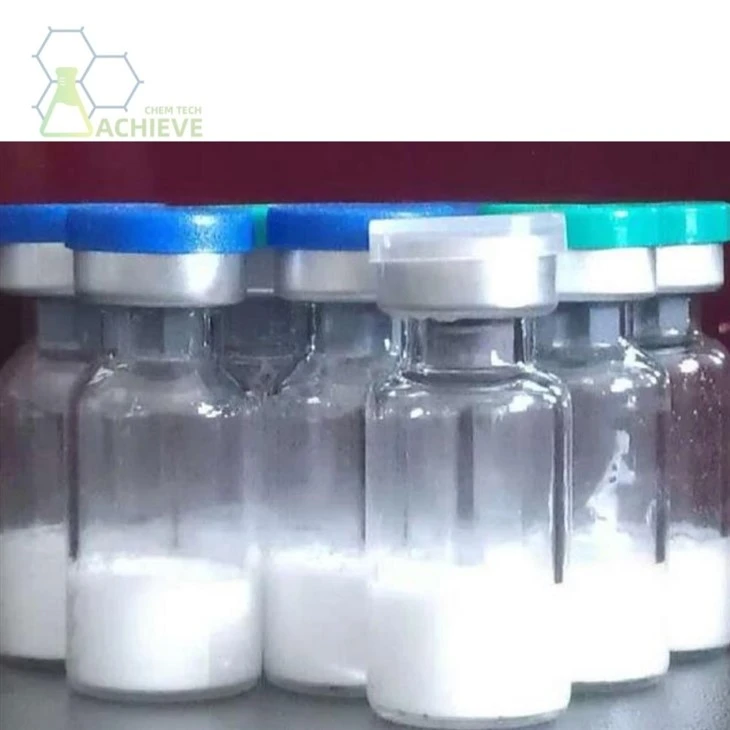
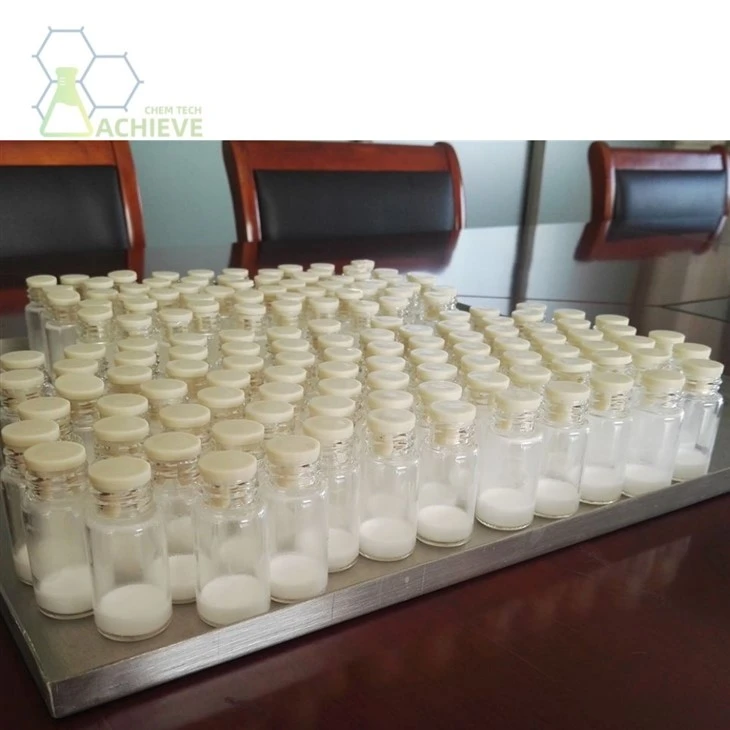
Customized Bottle Caps And Corks:
|
|


|
Chemical Formula |
C59H89N19O13S |
|
Exact Mass |
1304 |
|
Molecular Weight |
1305 |
|
m/z |
1304 (100.0%), 1305 (63.8%), 1306 (20.0%), 1305 (6.6%), 1306 (4.5%), 1306 (4.5%), 1307 (4.1%), 1307 (2.9%), 1306 (2.7%), 1307 (1.7%), 1307 (1.3%), 1305 (1.0%) |
|
Elemental Analysis |
C, 54.32; H, 6.88; N, 20.40; O, 15.94; S, 2.46 |

Hereditary angioedema (HAE) is a rare autosomal dominant genetic disease, with a global incidence rate of about 1/50000 to 1/100000. The core pathological mechanism is the deficiency or abnormal function of C1 esterase inhibitor (C1-INH), which leads to excessive activation of the complement system and contact system, thereby causing excessive production of bradykinin. As a potent vasodilator, bradykinin increases vascular permeability and triggers local tissue edema by binding to B2 receptors in endothelial cells. This mechanism becomes the direct trigger for acute HAE attacks, and Icatibant, as a selective bradykinin B2 receptor antagonist, becomes a key drug for the treatment of acute HAE attacks by blocking this pathway.
1.1 Genetic patterns and gene mutations
HAE is divided into type I and type II, both caused by mutations in the SERPING1 gene. Type I patients have a C1-INH level below 30% of the normal range, while type II patients have functional defects but normal or elevated levels of C1-INH. Mutation leads to the inability of C1 INH to effectively inhibit the activity of complement factor XIIa and kallikrein, thereby triggering a cascade reaction in the contact system.


1.2 Diversity of clinical phenotypes
The clinical manifestations of HAE are highly heterogeneous, with typical symptoms including:
Skin edema: Non depressed edema in the limbs, face, and genital areas that lasts for 2-3 days and may result in pigmentation.
Throat edema: The most life-threatening symptom, with an incidence rate of about 50%, manifested as difficulty breathing and hoarseness.
If left untreated, the risk of suffocation can reach up to 30%.
Abdominal pain: caused by edema of intestinal mucosa, manifested as severe colic, nausea, and vomiting, easily misdiagnosed as acute abdomen.
No urticaria or itching: Unlike allergic edema, HAE edema lacks skin erythema or itching, and diagnosis relies on laboratory testing.


1.3 Triggering factors and seizure patterns
HAE attacks are often triggered by mild trauma (such as dental procedures), emotional stress, infections, or hormonal fluctuations (such as menstrual periods). The frequency of seizures varies significantly among individuals, ranging from several times a year to several times a week, which seriously affects the quality of life of patients.
2.1 Molecular Mechanisms of Contact System Activation
C1-INH is the main inhibitor of the contact system, maintaining a balance between bradykinin production and degradation by inhibiting the activity of factor XIIa and kininase. When C1-INH is deficient:
Factor XIIa activation: Factor XII spontaneously activates into XIIa on negatively charged surfaces (such as endothelial cells), initiating the endogenous coagulation pathway.


Kinase production: Icatibant activates plasma pre kallikrein, which is a kininase that cleaves high molecular weight kininogen (HK) to produce bradykinin.
Complement system bypass activation: XIIa simultaneously activates complement C1, leading to the formation of C3 and C5 convertases, further releasing allergenic toxins C3a and C5a, exacerbating the inflammatory response.
2.2 Biological effects of bradykinin and edema formation
Bradykinin mediates the following effects through B2 receptors:
Vasodilation: Activation of endothelial nitric oxide synthase (eNOS) and cyclic adenosine monophosphate (cAMP) pathways leads to relaxation of vascular smooth muscle.


Increased vascular permeability: By activating phospholipase A2 (PLA2) and prostaglandin synthesis, endothelial cell junctions are disrupted, leading to plasma protein extravasation.
Pain signal transduction: Activation of transient receptor potential vanillic acid subtype 1 (TRPV1) channel triggers neurogenic inflammation and pain.
Animal experiments have shown that mice lacking B2 receptors show a significant reduction in edema after activation of the contact system, confirming that bradykinin is the core mediator of HAE edema.
2.3 Amplification effect of inflammatory cascade reaction
Bradykinin not only directly causes vascular leakage, but also amplifies inflammatory responses through the following mechanisms:


Activation of complement system: bradykinin induces endothelial cell expression of C3a and C5a receptors, enhancing the effect of allergic toxins.
Recruiting inflammatory cells: promoting neutrophil and eosinophil infiltration by upregulating E-selectin and vascular cell adhesion molecule-1 (VCAM-1).
Inducing cytokine release: stimulating endothelial cells to secrete interleukin-6 (IL-6) and tumor necrosis factor alpha (TNF - α), forming a positive feedback loop.
3.1 Drug Chemical Structure and Receptor Binding Characteristics
Etibante is a synthetic decapeptide containing five non protein amino acids (D-arginine, D-tyrosine, hydroxyproline, thioproline, D-isoleucine). Its structure is highly similar to bradykinin, but it can resist degradation by bradykinin lyase.


Pharmacodynamic studies have shown that the affinity of ateban for B2 receptors is comparable to that of bradykinin, but the dissociation rate is slower and the duration of efficacy is prolonged by 2-3 times.
3.2 Molecular basis of competitive antagonism
Etibatide blocks the bradykinin signal through the following methods:
Receptor binding competition: Competes with bradykinin to bind to the positive binding site of the B2 receptor, preventing bradykinin induced conformational changes in the receptor.


Signal transduction inhibition: Blocking G protein coupled receptor (GPCR) - mediated phospholipase C (PLC) and adenylate cyclase (AC) activation, inhibiting calcium influx and cAMP production.
Inhibition of internalization: prevents the internalization of B2 receptors after binding to bradykinin, maintaining the expression of receptors on the cell membrane surface.
3.3 Evidence support from preclinical studies
Animal model: In the rat foot pad edema model induced by bradykinin, pretreatment with ateban can reduce edema volume by 85%, which is more effective than traditional antihistamines.


Ex vivo vascular experiment: Exposure of human umbilical vein endothelial cells to bradykinin resulted in complete inhibition of increased vascular permeability and nitric oxide production by ateban.
Gene knockout validation: B2 receptor deficient mice showed no response to bradykinin, further confirming target specificity.

At present, there are many reported synthesis processes for Icatibant, mainly using solid-phase synthesis method, which involves the gradual coupling of amino acids.
The synthesis method of our laboratory will be introduced below for reference only.
Add 11.1g of 2-chlorotrimethyl chloride resin with a substitution degree of 0.9mmol/g to the solid-phase reaction column, and add DMF swelling resin for 30 minutes. Add 3.50mLDIPEA to 12.98g Fmoc Arg (Pbf) OH, activate for 5 minutes, then add DMF swollen resin for reaction equilibrium for 10 minutes, then add 3.50mLDIPEA, react at room temperature for 45 minutes, and seal with methanol for 20 minutes. After removing the reaction solution, DMF was washed three times, followed by DCM washing three times, and then methanol was used to shrink three times for 3 minutes, 5 minutes, and 8 minutes, respectively, to obtain Fmoc Arg (Pbf) CTC resin. The substitution degree was detected to be 0.5mmol/g.
Weigh 10mmol Fmoc Arg (Pbf) CTC resin and add it to a solid-phase reactor. Swell with DMF for 0.5 hours, then remove Fmoc protection twice with 20% DBLK, each time for 10 minutes and 5 minutes, respectively. After washing, connect Fmoc Oic OH. Dissolve 11.73g of Fmoc Oic OH, 4.9g of HOBt, and 6.1mL of DIC in DCM (a small amount of DMF can be added for solubilization), activate in an ice water bath for 7 minutes, add to a solid-phase reactor, and react at room temperature for 1-2 hours. The reaction endpoint is determined by the ninhydrin method. After the reaction is complete, remove the reaction solution, wash with DMF, and then remove Fmoc protection twice with 20% DBLK, each time for 10 minutes and 5 minutes, respectively. After washing, prepare to couple the next amino acid.
Dissolve 11.91g of Fmoc D Cit OH, 5.00g of HOAt, and 11.4g of HATU in DCM (a small amount of DMF can be added for solubilization), add 3.87g of DIPEA in an ice water bath for activation for 7 minutes, then add to a solid-phase reactor and react at room temperature for 1-2 hours. The reaction endpoint is determined by the ninhydrin method. After the reaction is complete, remove the reaction solution, wash with DMF, and then remove Fmoc protection with 20% DBLK. After washing, prepare to couple the next amino acid.
Dissolve 11.49g Fmoc Ser (tBu) OH, 5.00g HOAt, and 6.1mL DIC in DCM (a small amount of DMF can be added as a solubilizer), activate in an ice water bath for 7 minutes, then add to a solid-phase reactor and react at room temperature for 1-2 hours. The reaction endpoint is determined by the ninhydrin method. After the reaction is complete, remove the reaction solution, wash with DMF, and then remove Fmoc protection with 20% DBLK. After washing, prepare to couple the next amino acid.
Dissolve 11.79g Fmoc Thi OH, 5.00g HOBt, and 11.37g HBTU in DCM (a small amount of DMF can be added for solubilization), activate with 3.87g DIPEA in an ice water bath for 7 minutes, then add to a solid-phase reactor and react at room temperature for 1-2 hours. The reaction endpoint is determined by the ninhydrin method. After the reaction is complete, remove the reaction solution, wash with DMF, and then remove Fmoc protection with 20% DBLK. After washing, prepare to couple the next amino acid.
Dissolve 8.91g Fmoc Gly OH, 5.00g HOBt, and 9.63g TBTU in DCM (a small amount of DMF can be added for solubilization), activate with 3.63g TMP in an ice water bath for 7 minutes, then add to a solid-phase reactor and react at room temperature for 1-2 hours. The reaction endpoint is determined by the ninhydrin method. After the reaction is complete, remove the reaction solution, wash with DMF, and then remove Fmoc protection with 20% DBLK. After washing, prepare to couple the next amino acid.
Dissolve 12.27g of Fmoc Hyp (tBu) OH, 5.00g of HOAt, and 9.66g of TATU in DCM (with the addition of a small amount of DMF as a solubilizer), add 3.63g of TMP to an ice water bath for activation for 7 minutes, then add to a solid-phase reactor and react at room temperature for 1-2 hours. The reaction endpoint is determined by the ninhydrin method. After the reaction is complete, remove the reaction solution, wash with DMF, and then remove Fmoc protection with 20% DBLK. After washing, prepare to couple the next amino acid.
Dissolve 10.11g of Fmoc Pro OH, 5.00g of HOAt, and 11.4g of HATU in DCM (a small amount of DMF can be added for solubilization), activate with 3.87g of DIPEA in an ice water bath for 7 minutes, then add to a solid-phase reactor and react at room temperature for 1-2 hours. The reaction endpoint is determined by the ninhydrin method. After the reaction is complete, remove the reaction solution, wash with DMF, and then remove Fmoc protection with 20% DBLK. After washing, prepare to couple the next amino acid.
Dissolve 19.44g Fmoc Arg (Pbf) OH, 5.00g HOAt, and 11.4g HATU in DCM (a small amount of DMF can be added for solubilization), activate with 3.87g DIPEA in an ice water bath for 7 minutes, then add to a solid-phase reactor and react at room temperature for 1-2 hours. The reaction endpoint is determined by the ninhydrin method. After the reaction is complete, remove the reaction solution, wash with DMF, and then remove Fmoc protection with 20% DBLK. After washing, prepare to couple the next amino acid.
Dissolve 19.44g Fmoc D Arg (Pbf) OH, 5.00g HOAt, and 11.4g HATU in DCM (a small amount of DMF can be added for solubilization), add 3.87g DIPEA to activate in an ice water bath for 7 minutes, then add to a solid-phase reactor and react at room temperature for 1-2 hours. The reaction endpoint is determined by the ninhydrin method. After the reaction is complete, remove the reaction solution, wash with DMF, and then remove Fmoc protection with 20% DBLK. Wash with DMF three times, DCM three times, shrink with methanol three times, for 3 minutes, 5 minutes, and 8 minutes, respectively. Vacuum dry to obtain Etibante acetate peptide resin.
Prepare 200mL of cracking reagent, including 190mL of trifluoroacetic acid, 6mL of triisopropylsilane, and 4mL of water, and pre cool for 30 minutes in a refrigerator. Add 20.0g of Etibante acetate peptide resin to a 500mL round bottom flask, then pour 200mL of the prepared lysis reagent into the resin, stir while in an ice bath, introduce nitrogen gas, and react for 30 minutes. Remove the ice bath and continue the reaction at room temperature for 2 hours. Filter the resin and collect the filtrate. Wash the resin with a small amount of trifluoroacetic acid, filter, and merge the filtrate. Slowly add the filtrate to 20L of ice ether to form a white precipitate. Centrifuge at 3000 rpm to collect the precipitate. Wash the precipitate with ice ether 5 times and dry it under reduced pressure to obtain 10.3g of crude peptide. The purity Icatibant was detected to be>90% by HPLC.
Frequently Asked Questions
What is the drug icatibant used for?
+
-
Icatibant injection is used to treat sudden attacks of hereditary angioedema (HAE). Icatibant works by blocking a chemical in the body that causes swelling, inflammation, and pain for patients with HAE. This medicine is not a cure for HAE.
Is icatibant a C1 inhibitor?
+
-
Icatibant, sold under the brand name Firazyr, is a medication for the symptomatic treatment of acute attacks of hereditary angioedema (HAE) in adults with C1-esterase-inhibitor deficiency. It is not effective in angioedema caused by medication from the ACE inhibitor class.
Is icatibant a generic drug?
+
-
Icatibant Accord is used in patients whose angioedema is linked to naturally low levels of a protein called 'C1 esterase inhibitor'. Icatibant Accord contains the active substance icatibant and is a 'generic medicine'.
Hot Tags: icatibant cas 130308-48-4, suppliers, manufacturers, factory, wholesale, buy, price, bulk, for sale, CJC 1295 Peptide, Lpamorelin Powder CAS 170851 70 4, Tesamorelin CAS 218949 48 5, sermorelin powder, Melanotan ii powder, Best Growth Hormone Releasing Peptide CAS 87616 84 0