






Shaanxi BLOOM Tech Co., Ltd. is one of the most experienced manufacturers and suppliers of angiotensin ii peptide in China. Welcome to wholesale bulk high quality angiotensin ii peptide for sale here from our factory. Good service and reasonable price are available.
Angiotensin ii peptide is a key bioactive peptide that belongs to the core effector molecule of the renin angiotensin aldosterone system (RAAS). It is generated by the cleavage of angiotensin I by angiotensin converting enzyme (ACE), with a molecular formula of C49H69N13O12 and a molecular weight of approximately 1046.18. Its chemical properties are stable, and its aqueous solution is stable under pH 5-8 conditions. It is soluble in solvents such as water and methanol and needs to be stored at -20 ℃ in the dark to prevent degradation.
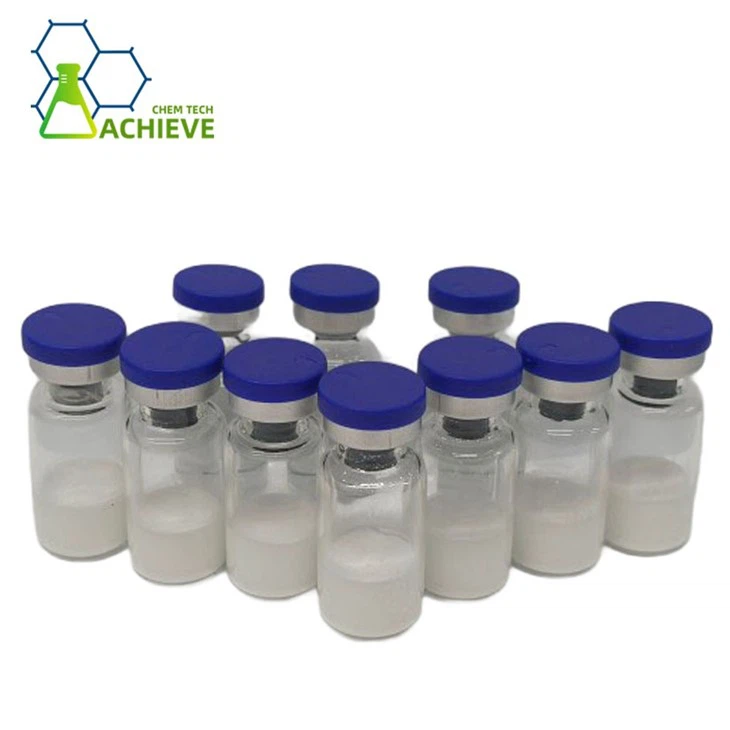
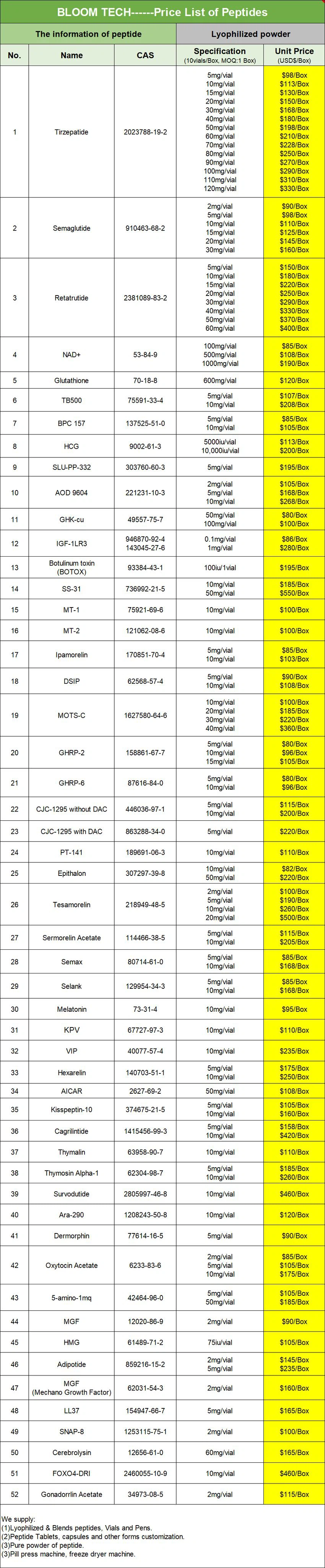
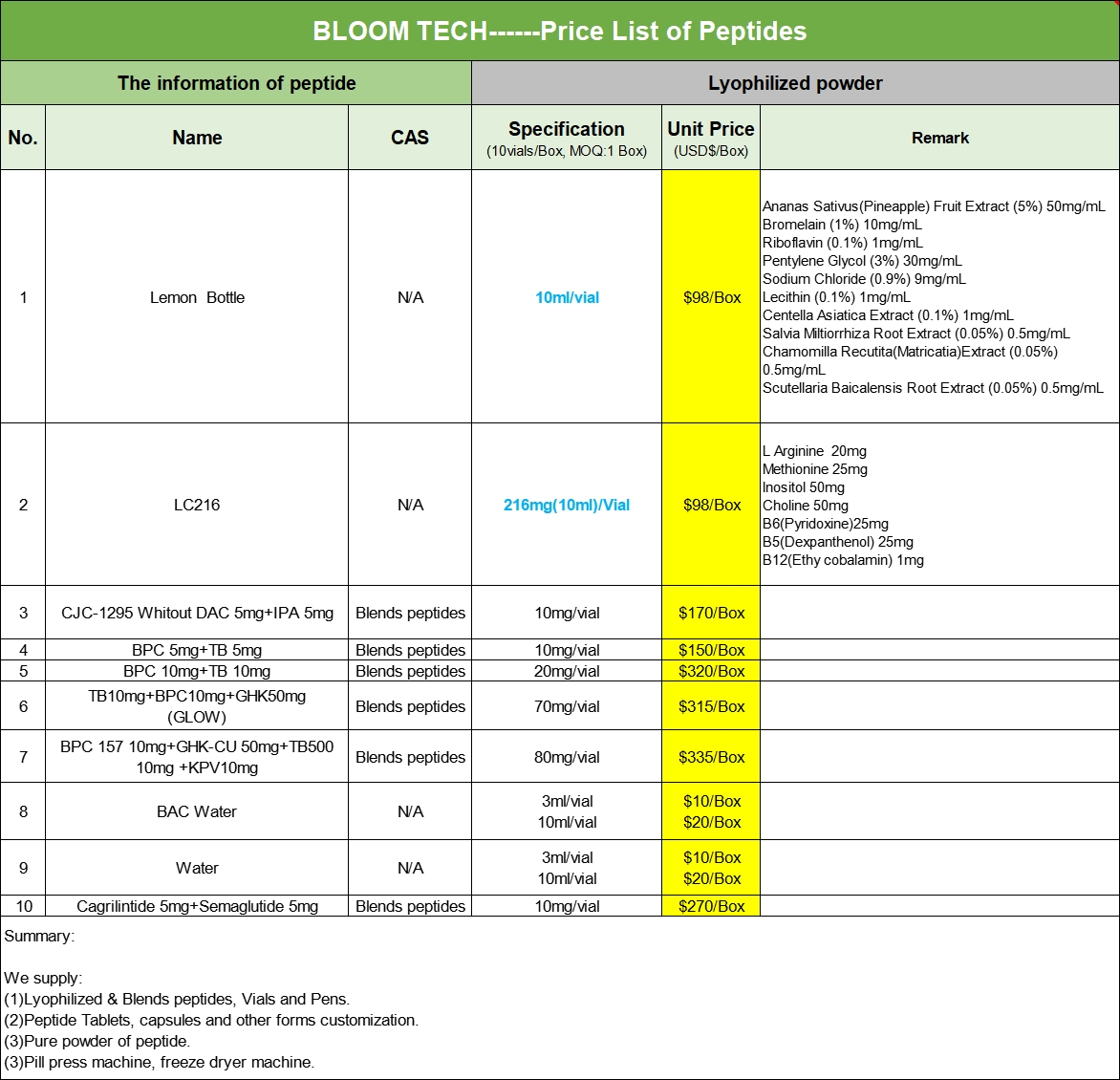
Our Products Form



Angiotensin II COA
 |
||
| Certificate of Analysis | ||
| Compound name |
Angiotensin II |
|
| Grade | Pharmaceutical grade | |
| CAS No. | 68521-88-0 | |
| Quantity | 70g | |
| Packaging standard | PE bag+Al foil bag | |
| Manufacturer | Shaanxi BLOOM TECH Co., Ltd | |
| Lot No. | 202601090088 | |
| MFG | Jan 9th 2026 | |
| EXP | Jan 8th 2029 | |
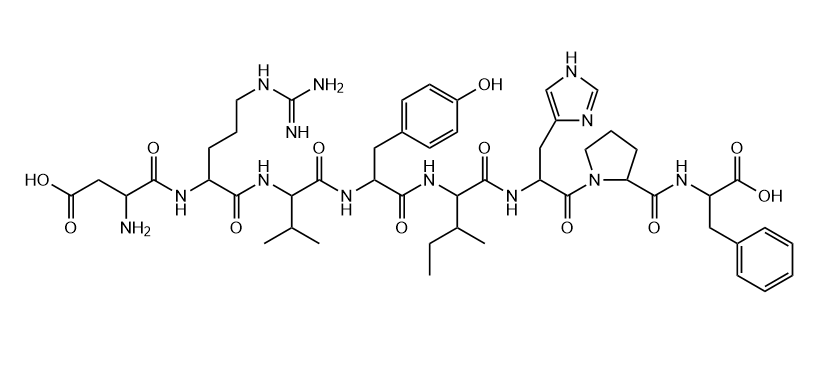
| Structure |
|
|
| Item | Enterprise standard | Analysis result |
| Appearance | White or almost white powder | Conformed |
| Water content | ≤5.0% | 0.54% |
| Loss on drying | ≤1.0% | 0.42% |
| Heavy Metals | Pb≤0.5ppm | N.D. |
| As≤0.5ppm | N.D. | |
| Hg≤0.5ppm | N.D. | |
| Cd≤0.5ppm | N.D. | |
| Purity (HPLC) | ≥99.0% | 99.98% |
| Single impurity | <0.8% | 0.52% |
| Total microbial count | ≤750cfu/g | 95 |
| E. Coli | ≤2MPN/g | N.D. |
| Salmonella | N.D. | N.D. |
| Ethanol (by GC) | ≤5000ppm | 500ppm |
| Storage | Store in a sealed, dark, and dry place below -20°C | |
|
|
||
|
|
||
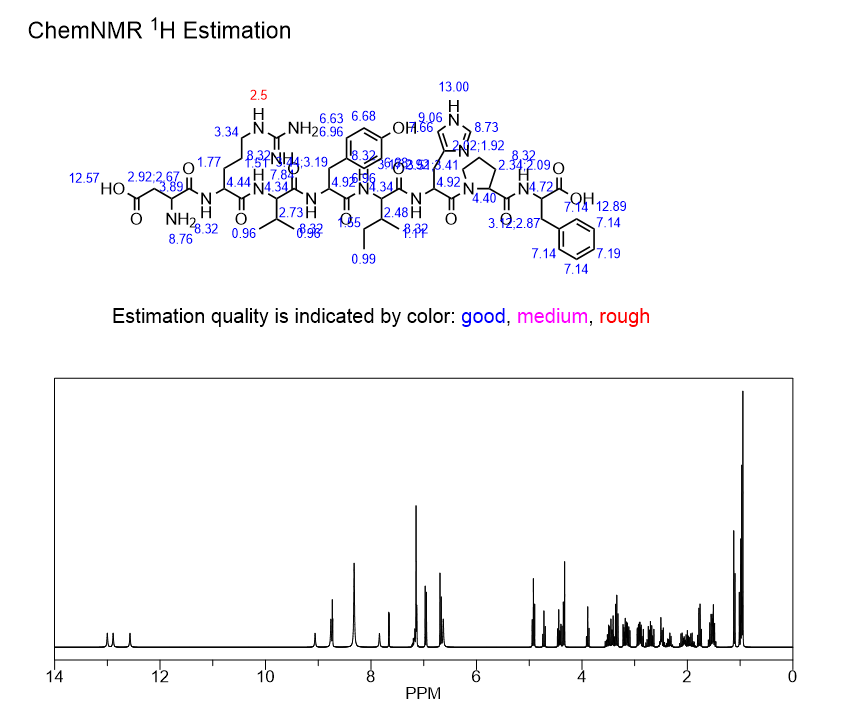


Molecular Structure and Synthesis Pathway
The chemical structure of angiotensin ii peptide is very simple, consisting of eight amino acids Asp Arg Val Tyr Ile His Pro Phe connected by peptide bonds. This structural feature enables it to rapidly generate and undergo rapid metabolism in the body. In the body, the synthesis of angiotensin II relies on a series of enzymatic reactions, mainly involving renin, ACE, and other local enzymes.
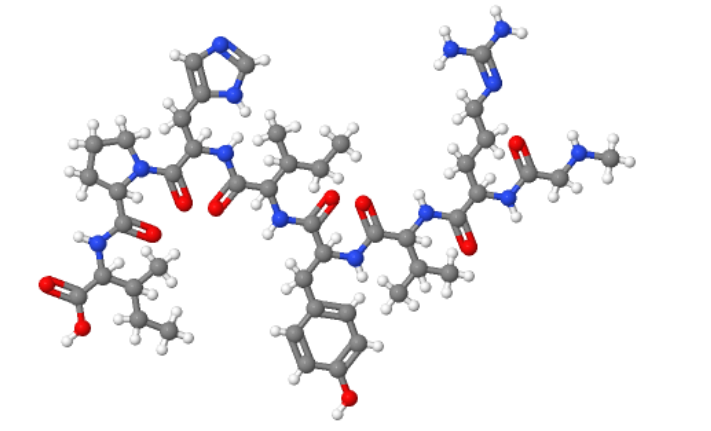
The synthesis process begins with the secretion of angiotensinogen by the liver. The glomeruli of the kidneys convert angiotensinogen into angiotensin I (Ang I) by secreting renin. Subsequently, Ang I is converted to Ang II by the catalysis of angiotensin-converting enzyme (ACE) in endothelial cells. It is worth noting that in addition to the classic pathway of ACE, recent studies have found that Ang II can also be generated through non ACE pathways such as ACE-2 and chymotrypsin. The discovery of these pathways further expands our understanding of the RAAS system, especially in certain pathological states such as inflammation and ischemia, which may play an important role.
The generation of Ang II is not only a sequential enzymatic reaction process, but also regulated by multiple factors. For example, when blood pressure drops and blood volume decreases, the kidneys activate the RAAS system by accelerating renin secretion, thereby promoting the production of Ang II. In addition, factors such as sympathetic nervous system excitation and hyponatremia can also stimulate the release of renin from the kidneys, thereby exacerbating the synthesis of Ang II. Due to the involvement of these regulatory factors, the RAAS system is able to flexibly regulate the production of Ang II in dynamically changing physiological states to meet the different needs of the body.

Physiological functions and regulatory effects

1. Blood pressure regulation
Angiotensin II is widely regarded as one of the strongest vasopressors in the body. It maintains stable blood pressure through various means:
Direct vasoconstriction: It can activate the AT1 receptor on vascular smooth muscle cells, causing vasoconstriction and increasing peripheral vascular resistance, directly raising blood pressure.
Increasing sympathetic nervous system activity: By enhancing the activity of the sympathetic nervous system, promoting the release of norepinephrine, further increasing cardiac output, leading to elevated blood pressure.
Aldosterone secretion: It can stimulate the adrenal cortex to secrete aldosterone, which promotes the reabsorption of sodium by renal tubules, increasing the amount of sodium in the body, thereby maintaining blood volume and blood pressure.
Antidiuretic hormone secretion: It can also enhance the reabsorption of water by the kidneys by promoting the secretion of antidiuretic hormone (ADH), thereby increasing blood volume and blood pressure.
Through these multidimensional effects, the regulation of blood pressure is very powerful, especially when dealing with acute hypotension or blood loss. The RAAS system quickly restores blood pressure by activating angiotensin ii peptide.

2. Water salt balance
Plays a crucial role in regulating water salt balance in the body. By acting on the kidneys, it can regulate the metabolism of sodium, potassium, and water, maintaining fluid balance in the body.
Aldosterone action: By stimulating the secretion of aldosterone, it promotes the reabsorption of sodium by renal tubules and enhances the excretion of potassium, which helps maintain blood volume.
Antidiuretic hormone action: It can also act on the hypothalamus to promote the release of antidiuretic hormone (ADH) and increase water reabsorption, which not only helps maintain blood volume but also plays an important role in maintaining blood pressure.
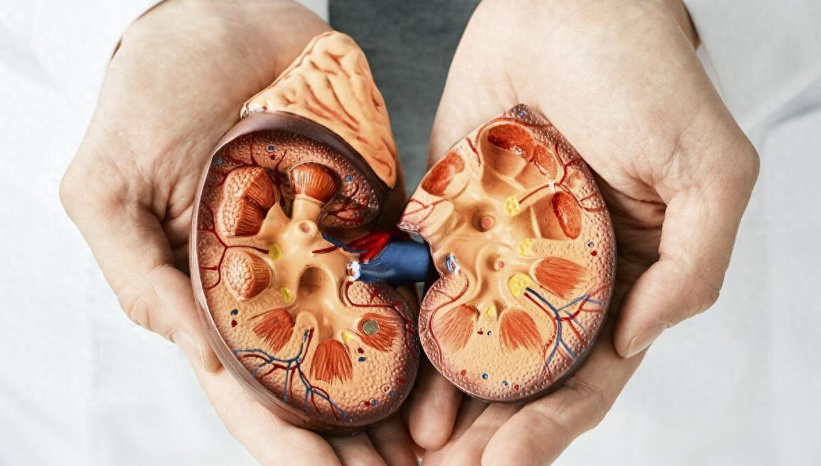
3. Renal regulation
In the kidneys, they play a crucial role, especially in low blood pressure and low blood flow states:
Glomerular blood flow regulation: By constricting the afferent arterioles, the glomerular filtration rate (GFR) can be increased. This effect helps the kidneys maintain sufficient metabolic function under low blood flow.
Sodium reabsorption: In the renal tubules, it promotes the reabsorption of sodium while enhancing the reabsorption of water by the tubules. This not only maintains fluid stability but also helps maintain blood pressure by regulating blood volume.

4. Regulation of the nervous system and drinking behavior
In the central nervous system, angiotensin II has significant physiological effects, particularly in fluid regulation and drinking behavior. By acting on the thirst center in the hypothalamus, it can stimulate individuals to have a strong desire to drink water, helping to restore water and salt balance in the body. In addition, it also has a regulatory effect on the sympathetic nervous system, which can enhance the activity of the sympathetic nervous system, thereby further increasing heart rate and blood pressure, forming a positive feedback loop to quickly respond to emergency situations such as blood pressure drop or bleeding.
The regulatory role of these nervous systems makes them play an irreplaceable core role in maintaining blood pressure homeostasis and fluid balance. The regulatory effect on the central nervous system involves not only the intake of water, but also further regulation of the cardiovascular system, ensuring the coordination of systemic hemodynamics.

Pathological effects
Although it is crucial for the body's homeostasis in physiological states, long-term overactivation of the RAAS system and excessive production of angiotensin ii peptide are closely related to the occurrence of various chronic diseases. Plays an important role in the following pathological states.

1. Hypertension
Plays a central role in the occurrence and maintenance of hypertension. It causes an increase in blood pressure by promoting vasoconstriction, increasing peripheral resistance, and increasing blood volume. Long term excessive activation will lead to sustained hypertension, causing damage to organs such as the heart, blood vessels, and kidneys. Especially the direct effect on vascular smooth muscle and heart can promote cardiovascular remodeling, thereby exacerbating the vicious cycle of hypertension. Hypertension is an important risk factor for cardiovascular disease, and long-term hypertension can lead to various complications such as arteriosclerosis, heart failure, and stroke.
2. Cardiovascular remodeling and myocardial hypertrophy
Activation of cell proliferation, inflammatory response, and collagen deposition through AT1 receptors leads to cardiac remodeling and myocardial hypertrophy. This cardiac remodeling is mainly manifested as myocardial fibrosis and an increase in ventricular wall thickness, which makes the heart unable to function properly under long-term hypertension or heart failure conditions. The role in cardiomyocytes and fibroblasts not only leads to structural changes in the heart, but may also result in gradual decline of heart function, ultimately leading to heart failure.


3. Atherosclerosis
It plays an important role in the formation of atherosclerosis. By promoting the proliferation of vascular smooth muscle cells, endothelial cell damage and triggering chronic inflammatory reaction, it promotes the damage and lipid deposition of arterial endothelium, and finally forms atherosclerotic plaque. Atherosclerosis is a chronic disease, and its development process is closely related to hypertension, diabetes and other diseases. Its effect further exacerbates this process, causing an increase in arterial wall thickness and a decrease in elasticity, ultimately leading to increased vascular resistance and poor blood flow, increasing the risk of cardiovascular events.
4. Kidney injury and chronic kidney disease
It has multiple effects on the kidneys, and long-term Ang II activation is closely related to kidney injury and chronic kidney disease (CKD). Ang II increases glomerular pressure, leading to glomerular hypertension and proteinuria, while exacerbating structural damage to the kidneys by promoting collagen deposition and interstitial fibrosis. In the progression of chronic kidney disease, the effect not only causes a decrease in renal filtration function, but also leads to the fibrosis process of the kidneys, which may ultimately lead to end-stage renal disease (ESRD).


5. Inflammatory response and oxidative stress
It also plays an important role in inflammation and oxidative stress by activating NADPH oxidase to generate reactive oxygen species (ROS), promoting inflammation and cell damage. The generation of ROS can cause oxidative damage to biological macromolecules such as cell membranes, proteins, and lipids, thereby exacerbating local and systemic inflammatory responses. By activating various proinflammatory cytokines, such as IL-6, TNF - α, etc., it further aggravates oxidative stress and immune response. This process is evident in hypertension, atherosclerosis, heart failure, diabetes and other diseases.
6. Tumor progression
More and more studies have shown that angiotensin ii peptide is closely related to the occurrence and development of tumors. Not only does it provide blood supply to tumors by promoting tumor angiogenesis (i.e. the generation of new blood vessels), but it also accelerates tumor progression by promoting tumor cell proliferation, inhibiting cell apoptosis, and enhancing tumor metastasis. Especially in liver cancer, lung cancer, breast cancer and other types of tumors, its level is closely related to the malignancy and prognosis of tumors.

Reference materials (organized version)
1. Baidu Health Science Popularization Materials (RAAS and angiotensin II related mechanisms)
2. PubMed Central: *Angiotensin II and its receptors in disease mechanisms*
3. arXiv: *Biased signaling of Angiotensin II receptors*
4. Guyton&Hall Textbook of Medical Physiology
5. Harrison's Principles of Internal Medicine
Hot Tags: angiotensin ii peptide, suppliers, manufacturers, factory, wholesale, buy, price, bulk, for sale, Tesamorelin CAS 218949 48 5, LONG R3 IGF I CAS 143045 27 6, Melanotan 2 Powder, Melanotan ii powder, Best Growth Hormone Releasing Peptide CAS 87616 84 0, Selank Peptide CAS 129954 34 3