


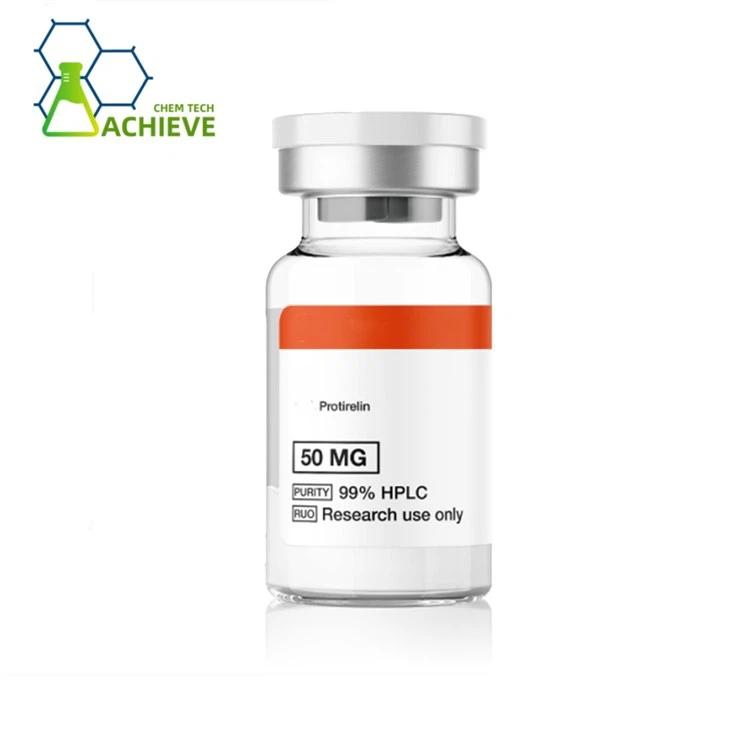

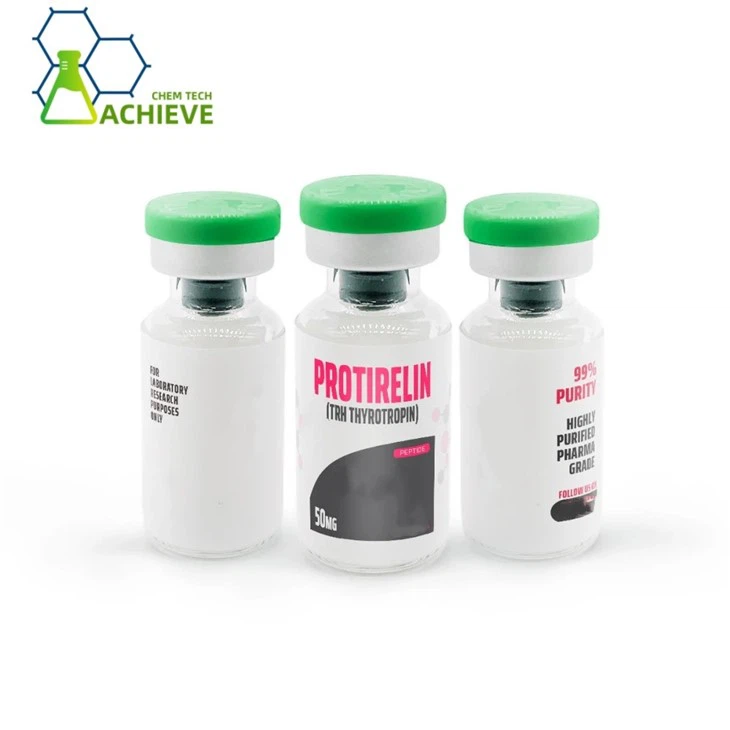


Shaanxi BLOOM Tech Co., Ltd. is one of the most experienced manufacturers and suppliers of protirelin peptide in China. Welcome to wholesale bulk high quality protirelin peptide for sale here from our factory. Good service and reasonable price are available.
Protirelin peptide, registered under CAS number 24305-27-9, is chemically defined as thyrotropin-releasing hormone, commonly abbreviated as TRH. As a synthetic tripeptide hormone, its molecular structure is assembled from three distinct amino acid units: pyroglutamic acid, histidine and proline, forming its unique and stable peptide framework. Physiologically, its most fundamental biological function is to act on the anterior pituitary gland and effectively stimulate the synthesis and release of two key hormones, thyroid-stimulating hormone (TSH) and prolactin (PRL), thus playing a vital regulatory role in the human endocrine system. In terms of practical applications, this peptide is no longer limited to its traditional role in auxiliary diagnosis of thyroid dysfunction.
Its applicable scenarios have been continuously extended to multiple emerging fields, including the intervention of various neuropsychiatric disorders, neuroprotective research, basic endocrine mechanism exploration, as well as veterinary clinical practice and related pharmaceutical development. Combining its multiple attributes, protirelin not only delivers reliable clinical diagnostic performance and acts as an indispensable experimental tool for life science research, but also demonstrates remarkable development potential as a novel therapeutic agent for a variety of diseases.
Our Products Form



Protirelin COA
 |
||
| Certificate of Analysis | ||
| Compound name | Protirelin | |
| Grade | Pharmaceutical grade | |
| CAS No. | 24305-27-9 | |
| Quantity | 36g | |
| Packaging standard | PE bag+Al foil bag | |
| Manufacturer | Shaanxi BLOOM TECH Co., Ltd | |
| Lot No. | 202601090088 | |
| MFG | Jan 9th 2026 | |
| EXP | Jan 8th 2029 | |
| Structure |
|
|
| Item | Enterprise standard | Analysis result |
| Appearance | White or almost white powder | Conformed |
| Water content | ≤5.0% | 0.54% |
| Loss on drying | ≤1.0% | 0.42% |
| Heavy Metals | Pb≤0.5ppm | N.D. |
| As≤0.5ppm | N.D. | |
| Hg≤0.5ppm | N.D. | |
| Cd≤0.5ppm | N.D. | |
| Purity (HPLC) | ≥99.0% | 99.98% |
| Single impurity | <0.8% | 0.52% |
| Total microbial count | ≤750cfu/g | 95 |
| E. Coli | ≤2MPN/g | N.D. |
| Salmonella | N.D. | N.D. |
| Ethanol (by GC) | ≤5000ppm | 500ppm |
| Storage | Store in a sealed, dark, and dry place below -20°C | |
|
|
||
|
|
||

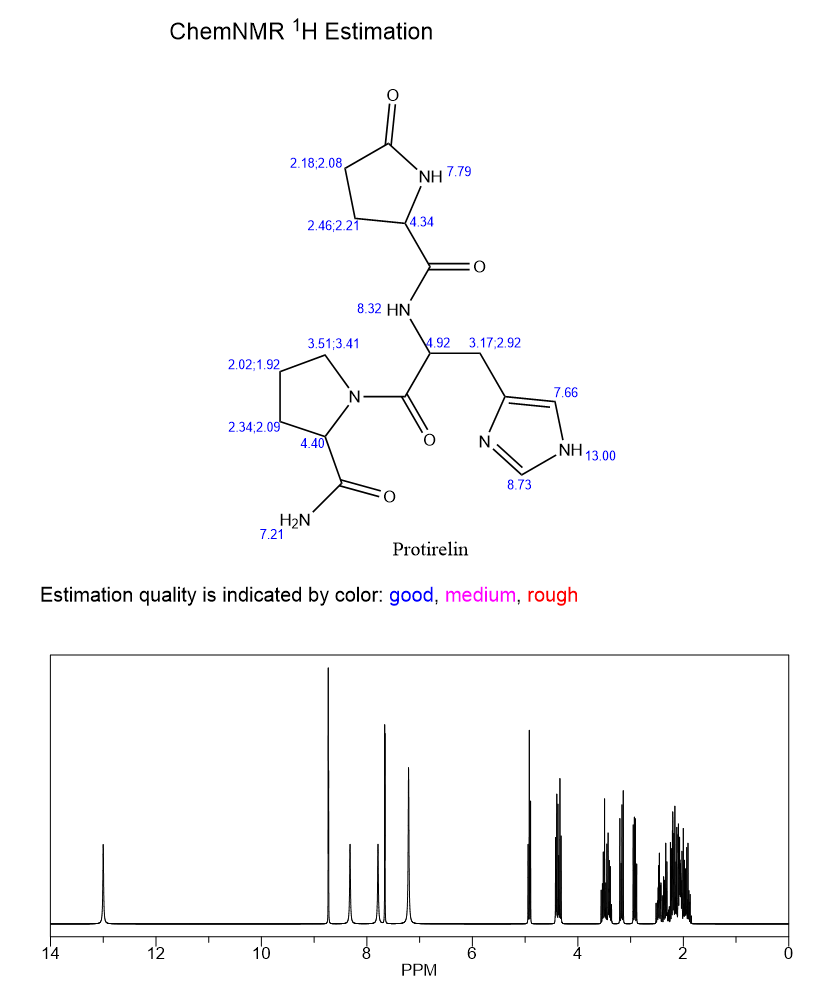

| Chemical Formula: | C16H22N6O4 |
| Exact Mass: | 362.17 |
| Molecular Weight: | 362.39 |
| m/z: | 362.17 (100.0%), 363.17 (17.3%), 363.17 (2.2%), 364.18 (1.4%) |
| Elemental Analysis: | C, 53.03; H, 6.12; N, 23.19; O, 17.66 |
Clinical Diagnostic Applications

(I) Differential Diagnosis of Hypothyroidism Etiology
The core clinical application of protirelin peptide lies in the precise differentiation between primary and secondary (pituitary/hypothalamic) hypothyroidism, addressing the limitations of solely measuring serum T3, T4, and TSH. Primary hypothyroidism arises from intrinsic thyroid lesions, with markedly elevated basal TSH levels. Following intravenous administration of protirelin (200–500 μg), pituitary TSH-secreting cells exhibit a robust response, with serum TSH peak values increasing 3–5 fold relative to baseline, consistent with the peak time (15–30 minutes) observed in healthy individuals.
In contrast, secondary hypothyroidism results from impaired anterior pituitary function; even with low or normal basal TSH levels, TSH shows no significant elevation (peak < 2× baseline) or a delayed response after protirelin injection. Hypothalamic hypothyroidism presents as a delayed TSH response, with peaks occurring 60–90 minutes post-injection. This method identifies the site of hypothyroid lesions, providing critical evidence for formulating clinical replacement therapy regimens, especially for patients with occult hypothyroidism who have borderline T3/T4 levels and no significant abnormalities in basal TSH.


(II) Adjunctive Diagnosis of Graves' Disease and Endocrine Exophthalmos
Graves' disease (toxic diffuse goiter) is an autoimmune hyperthyroidism characterized by excessively high circulating thyroid hormones (T3, T4), which strongly suppress the sensitivity of pituitary TSH-secreting cells to protirelin via negative feedback. In clinical testing, patients with Graves' disease and associated endocrine exophthalmos show almost no increase in serum TSH (ΔTSH < 2 mIU/L) after protirelin injection, whereas healthy individuals exhibit a 2–3 fold TSH peak relative to baseline.
This test aids in diagnosing atypical hyperthyroidism (e.g., T3-toxicosis, subclinical hyperthyroidism) and evaluates the recovery of the pituitary-thyroid axis following hyperthyroidism treatment (antithyroid drugs, radioactive iodine), determining whether sufficient thyroid hormone suppression is achieved.


(III) Assessment of Anterior Pituitary Reserve and Hypothalamic-Pituitary-Thyroid Axis Function
The protirelin test is a classical method for evaluating the reserve function of pituitary TSH secretion, suitable for endocrine screening in patients suspected of hypopituitarism, sellar tumors (e.g., pituitary adenomas), craniocerebral trauma, or post-radiotherapy. By monitoring serum TSH levels at multiple time points (0, 15, 30, 60, 90 minutes) post-injection, the responsiveness of pituitary TSH cells can be determined: a normal response indicates adequate pituitary reserve; a blunted or absent response suggests impaired pituitary secretory function; and a delayed response implies hypothalamic lesions.
Additionally, this test can be combined with gonadorelin (gonadotropin-releasing hormone) and growth hormone stimulation tests to comprehensively assess multi-hormonal secretion of the anterior pituitary and clarify the extent of pituitary lesions. Protirelin peptide also assists in verifying the adequacy of thyroid hormone replacement therapy dosage: in primary hypothyroid patients receiving levothyroxine, a normal or mildly blunted TSH response to protirelin indicates sufficient replacement dosage, while an exaggerated response suggests insufficient dosage.
Neuropsychiatric Field

(I) Neurotransmitter Modulation and Central Nervous System Regulation
Protirelin acts not only as an endocrine hormone but also as a vital central neuromodulatory peptide. Its receptors (TRH-R1, TRH-R2) are widely distributed in the cerebral cortex, hippocampus, striatum, hypothalamus, and other regions, regulating the release of multiple neurotransmitters including dopamine, acetylcholine, 5-hydroxytryptamine, and glutamate.
Studies confirm that protirelin stimulates dopamine release in the striatum and nucleus accumbens, modulating motor function and reward pathways; promotes acetylcholine release in the cortex and hippocampus, improving cognition and memory; and inhibits pathological excessive glutamate release in the hippocampus, reducing excitatory neurotoxicity. This broad neurotransmitter regulatory profile establishes protirelin as an important molecular tool in neuropsychiatric disorder research.


(II) Potential Therapeutic Exploration for Depression
Early clinical studies have identified rapid antidepressant effects of protirelin, particularly in treatment-resistant depression patients unresponsive to conventional antidepressants. Unlike traditional medications (which take 2–4 weeks to take effect), intravenous protirelin improves core depressive symptoms such as low mood, anhedonia, and sleep disturbances within hours.
Its mechanism may involve rapid rebalancing of central monoamine neurotransmitters (dopamine, 5-hydroxytryptamine) and reversing HPT axis dysfunction associated with depression (e.g., blunted TSH response in some patients). However, due to its short half-life (only minutes), requirement for intravenous administration, and transient side effects including blood pressure fluctuations and nausea in some patients, protirelin has not been approved as an antidepressant. Nevertheless, it has provided a core framework for the development of long-acting TRH analogs (e.g., taltirelin).

(III) Neuroprotection and Neurodegenerative Disease Research
Neuroprotection by protirelin has emerged as a major research focus in recent years, mediated primarily by three mechanisms:Inhibiting excessive glutamate release to block excitotoxic neuronal apoptosis, protecting against neural injury caused by cerebral ischemia, hypoxia, and status epilepticus;Reducing oxidative stress in brain tissue, decreasing reactive oxygen species-induced neuronal damage, and enhancing neuronal anti-apoptotic capacity;Modulating neuroinflammation by suppressing excessive microglial activation and reducing pro-inflammatory cytokine release (e.g., TNF-α, IL-6).
Accordingly, protirelin is widely used in preclinical research on Alzheimer's disease, Parkinson's disease, amyotrophic lateral sclerosis (ALS), spinal cord injury, and other disorders. Animal experiments demonstrate that protirelin alleviates learning and memory impairments and reduces β-amyloid deposition in Alzheimer's disease mouse models; relieves bradykinesia and protects dopaminergic neurons in Parkinson's disease models; and promotes neurological functional recovery following spinal cord injury, improving limb motor and sensory function. Furthermore, protirelin peptide serves as an adjunctive treatment for disorders of consciousness, facilitating consciousness recovery by activating central neural pathways.

Research Field: A Core Tool for Endocrine and Neurobiological Studies

(I) Mechanistic Research on the Hypothalamic-Pituitary-Thyroid (HPT) Axis
Protirelin serves as the standard tool peptide for basic HPT axis research, extensively applied in in vitro cellular assays and animal models. In vitro, protirelin stimulation of anterior pituitary cells enables investigation of TSH and PRL synthesis and secretion regulatory mechanisms, characterization of TRH receptor signaling pathways, and screening of HPT axis-modulating drugs.
In vivo, using hypothyroid, hyperthyroid, and hypophysectomized animal models, measurement of serum TSH, T3, and T4 changes post-protirelin injection clarifies HPT axis feedback regulation, functional maturation during development, and impacts of environmental factors on the endocrine axis. Protirelin also facilitates research on TRH's cross-regulatory roles in non-thyroid endocrine axes, including the hypothalamic-pituitary-adrenal axis.
(II) Prolactin (PRL) Secretion Regulation
Protirelin specifically stimulates pituitary lactotrophs to secrete PRL, making it an essential tool for studying hyperprolactinemia and pituitary prolactinomas.

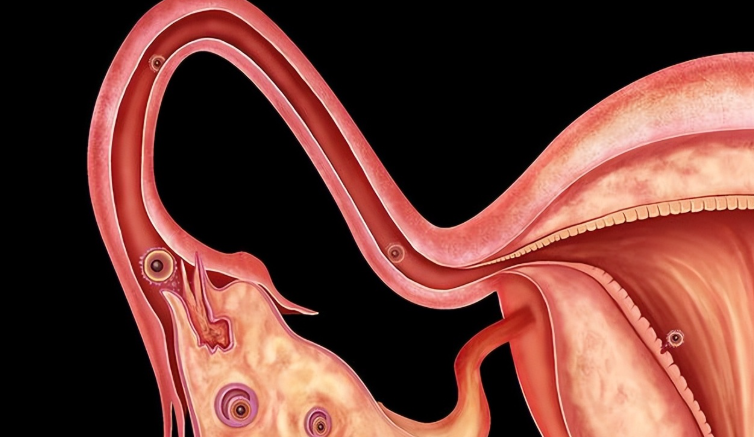
In preclinical research, the protirelin stimulation test assesses lactotroph responsiveness, distinguishing functional hyperprolactinemia from prolactinomas (characterized by markedly elevated basal PRL and blunted response to protirelin). Concurrently, protirelin is used to investigate PRL's roles in mammary development, reproductive function, and immune regulation, as well as the mechanisms of the TRH-PRL pathway in polycystic ovary syndrome, postpartum depression, and other disorders.
Veterinary Applications: Diagnosis of Animal Endocrine Diseases
In veterinary medicine, protirelin is primarily used for thyroid and pituitary function diagnosis in companion animals and large livestock, especially dogs, cats, and horses.
(I) Diagnosis of Hypothyroidism in Dogs and Cats
Primary hypothyroidism is a common endocrine disorder in dogs and cats, presenting with alopecia, lethargy, and reduced metabolic rate-symptoms similar to secondary (pituitary) hypothyroidism but requiring distinct therapeutic regimens. In veterinary practice, intravenous protirelin is administered, and serum TSH changes pre- and post-injection are measured: animals with primary hypothyroidism show elevated basal TSH and a markedly enhanced response post-injection, whereas those with secondary hypothyroidism exhibit low basal TSH and no response to protirelin. This distinguishes etiology and guides thyroid hormone replacement therapy.


(II) Diagnosis of Pituitary Pars Intermedia Dysfunction (PPID) in Horses
Equine PPID (also known as Cushing's disease) is a prevalent pituitary disorder in aged horses, caused by pars intermedia hyperplasia or adenoma, manifesting as polyuria, polydipsia, obesity, abnormal hair growth, and immunocompromise. Protirelin stimulates equine pituitary secretion of adrenocorticotropic hormone (ACTH); measurement of serum ACTH changes post-injection enables PPID diagnosis and severity assessment, representing a key adjunctive test for equine PPID.
Information source
BenchChem (2025), Advances in Neuropeptide Research, Journal of Endocrine and Metabolic Studies.
BenchChem (2025), Pharma Lab Global (2026), Chinese Journal of Neuropsychiatric Diseases.
NCATS Inxight Drugs (2024), China Medical Information Query Platform (2025), Clinical Endocrinology and Metabolism.
Protirelin (intravenous route) (https://www.mayoclinic.org/drugs-supplements/protirelin-intravenous-route/description/drg-20065657)
Protirelin (Intravenous) (https://www.drugs.com/cons/protirelin.html)
FAQ
What is protirelin?
+
-
Protirelin is a dedicated diagnostic agent widely utilized in endocrinology practice to evaluate the functional responsiveness of the anterior pituitary gland. It is mainly administered to patients presenting with suspected thyroid-related disorders and abnormal endocrine indicators. When used for auxiliary examination, this reagent can effectively assist clinicians in pinpointing the specific causes behind thyroid dysfunctions and related hormonal imbalances. Furthermore, it plays a crucial role in monitoring patients who are receiving long-term medication for thyroid diseases. By analyzing the test results, medical staff can rationally assess whether the current dosage of therapeutic drugs is appropriate, and make timely adjustments as needed. This not only facilitates accurate disease diagnosis but also helps standardize medication regimens, so as to guarantee the safety and effectiveness of the overall treatment.
What is the main function of the TRH?
+
-
Thyrotropin-releasing hormone (TRH) exerts a pivotal regulatory effect on the body's energy homeostasis. It fulfills this function via two major pathways: on one hand, it modulates thyroid gland activity by acting on hypophysiotropic neurons located within the hypothalamic paraventricular nucleus (PVN), thereby maintaining normal thyroid endocrine function. On the other hand, it also delivers extensive central regulatory impacts on a series of vital physiological activities, including feeding behavior, thermogenesis, spontaneous locomotor activity and other related bodily processes. Collectively, these multiple mechanisms enable TRH to comprehensively participate in the fine tuning of the body's overall energy balance.
Hot Tags: protirelin peptide, suppliers, manufacturers, factory, wholesale, buy, price, bulk, for sale, Selank Peptide CAS 129954 34 3, LONG R3 IGF I CAS 143045 27 6, Bremelanotide Powder CAS 189691 06 3, sermorelin powder, CJC 1295 Peptide, Melanotan ii powder