




Shaanxi BLOOM Tech Co., Ltd. is one of the most experienced manufacturers and suppliers of antide acetate in China. Welcome to wholesale bulk high quality antide acetate for sale here from our factory. Good service and reasonable price are available.
Antide acetate (CAS: 112568-12-4) is a high-purity synthetic polypeptide compound with a molecular formula of C₈₂H₁₀₈ClN₁₇O₁₄ and a molecular weight of 1591.29 Da. It typically appears as a white or off-white crystalline powder with excellent water solubility, which greatly facilitates solution preparation for experimental research and pharmaceutical formulation development. In terms of physicochemical stability, this peptide maintains stable properties under dry, dark and low-temperature environments. It tolerates short-term room-temperature transportation, while long-term sealed storage at -20 °C is recommended to prevent molecular degradation, activity attenuation and moisture absorption.
Additionally, repeated freeze-thaw cycles should be avoided to fully preserve its complete molecular structure and biological potency. With high chemical purity exceeding 98% HPLC grade, it features stable batch-to-batch quality and low impurity content, meeting strict standards for biomedical research and clinical auxiliary application.As a third-generation potent gonadotropin-releasing hormone (GnRH/LHRH) receptor antagonist, this ethanoate exerts its pharmacological effects through a competitive binding mechanism.
Our Products Form



Antide/Antide Acetate
 |
||
| Certificate of Analysis | ||
| Compound name | Antide/Antide Acetate | |
| Grade | Pharmaceutical grade | |
| CAS No. | 112568-12-4 | |
| Quantity | 37g | |
| Packaging standard | PE bag+Al foil bag | |
| Manufacturer | Shaanxi BLOOM TECH Co., Ltd | |
| Lot No. | 202601090056 | |
| MFG | Jan 9th 2026 | |
| EXP | Jan 8th 2029 | |
| Structure |
|
|
| Item | Enterprise standard | Analysis result |
| Appearance | White or almost white powder | Conformed |
| Water content | ≤5.0% | 0.42% |
| Loss on drying | ≤1.0% | 0.17% |
| Heavy Metals | Pb≤0.5ppm | N.D. |
| As≤0.5ppm | N.D. | |
| Hg≤0.5ppm | N.D. | |
| Cd≤0.5ppm | N.D. | |
| Purity (HPLC) | ≥99.0% | 99.98% |
| Single impurity | <0.8% | 0.24% |
| Total microbial count | ≤750cfu/g | 400 |
| E. Coli | ≤2MPN/g | N.D. |
| Salmonella | N.D. | N.D. |
| Ethanol (by GC) | ≤5000ppm | 600ppm |
| Storage | Store in a sealed, dark, and dry place below -20°C | |
|
|
||
|
|
||
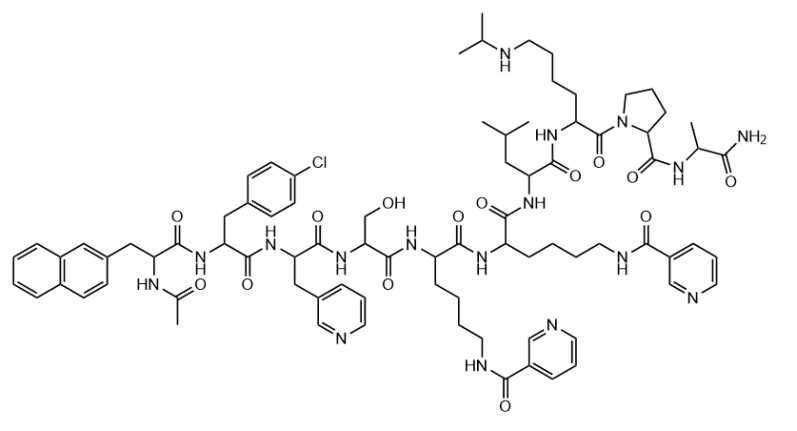
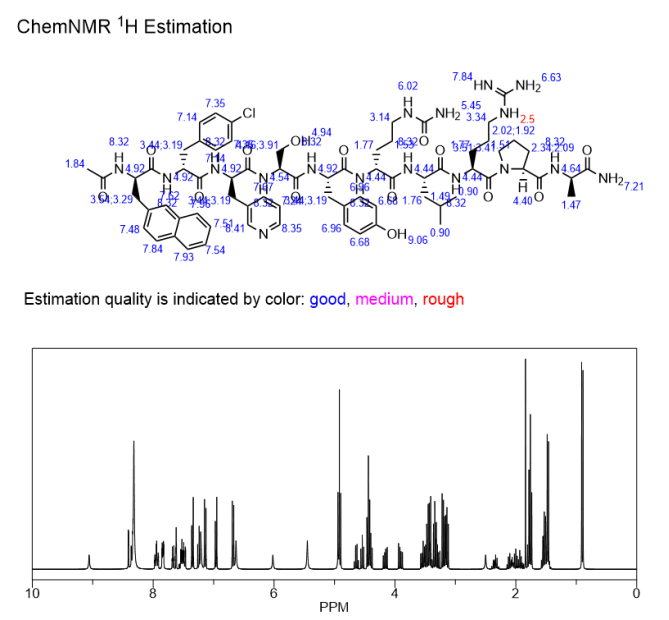

| Chemical Formula: | C82H108ClN17O14 |
| Exact Mass: | 1589.8 |
| Molecular Weight: | 1591.32 |
| m/z: | 1589.80(100.0%), 1590.80(88.7%), 1591.80(38.8%), 1591.79(32.0%), 1592.80(28.3%), 1593.80(12.4%), 1592.81(10.4%), 1590.79(6.3%), 1591.80(5.6%), 1594.80(3.6%), 1591.80(2.9%), 1592.80(2.6%), 1592.80(2.4%), 1592.79(2.0%), 1593.81(2.0%), 1593.79(1.8%), 1590.80(1.2%), 1593.81(1.1%), 1591.80(1.1%) |
| Elemental Analysis: | C,61.89; H,6.84; Cl,2.23; N,14.96; O,14.08 |
It specifically occupies GnRH receptors on the pituitary gland, effectively blocking the binding of endogenous GnRH and further inhibiting the synthesis and release of luteinizing hormone (LH) and follicle-stimulating hormone (FSH). This process achieves precise downregulation of gonadal sex hormone secretion in the body.
Distinct from early-generation GnRH antagonists, it possesses prominent advantages of high pharmacological efficacy, long-lasting action duration, and no histamine-releasing side effects, ensuring higher safety and better targeted regulatory performance. Benefiting from its reliable physicochemical stability, superior biological activity and mild pharmacological characteristics, this ethanoate has irreplaceable application value in multiple professional fields, including reproductive medicine clinical intervention, hormone-dependent tumor treatment in oncology, basic endocrine mechanism research, and standardized animal breeding regulation.

Core Applications in Assisted Reproductive Technology (ART)
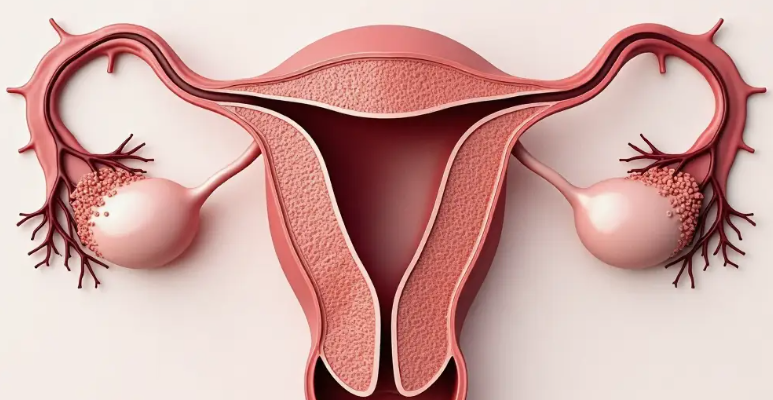
1.1 Prevention of Premature LH Surge in Controlled Ovarian Stimulation (COS)
In assisted reproductive technologies such as in vitro fertilization-embryo transfer (IVF-ET), controlled ovarian stimulation relies on exogenous gonadotropins to induce synchronous development of multiple follicles. However, endogenous GnRH readily triggers a premature LH surge, leading to premature follicle luteinization.
As a GnRH antagonist, antide acetate rapidly and precisely blocks pituitary GnRH receptors, completely suppressing premature LH surges without compromising follicular development.In clinical practice, it is typically administered subcutaneously starting on day 6–8 of ovarian stimulation at a daily dose of 0.25–0.5 mg, continuing until human chorionic gonadotropin (hCG) trigger day. Compared with the traditional long GnRH agonist protocol, it requires no prior pituitary downregulation, shortens the treatment cycle by 7–10 days, and avoids the initial flare-up effect of agonists, thereby reducing the risk of ovarian hyperstimulation syndrome (OHSS).


1.2 Optimized Assisted Reproduction for Special Populations
For high responders, it allows flexible dose titration combined with low-dose gonadotropins to precisely control follicular development and further lower OHSS risk. For poor responders (e.g., patients with diminished ovarian reserve), it avoids excessive pituitary suppression by agonists, preserves the auxiliary role of endogenous gonadotropins, and improves follicle recruitment efficiency.
Additionally, this pharmaceutical agent is widely applied as a standard antagonist protocol in multiple assisted reproductive technologies, covering frozen embryo transfer and intracytoplasmic sperm injection (ICSI), to achieve precise regulation of the menstrual cycle. It can effectively facilitate optimal synchronization between embryo implantation and endometrial growth, creating favorable conditions for successful conception.
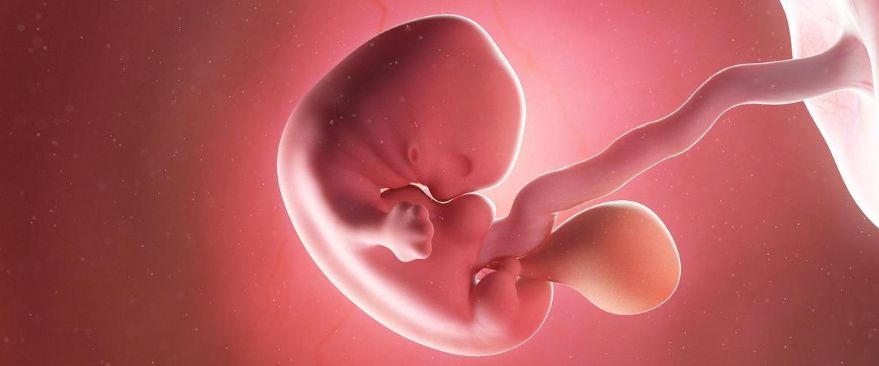
Treatment of Endometriosis
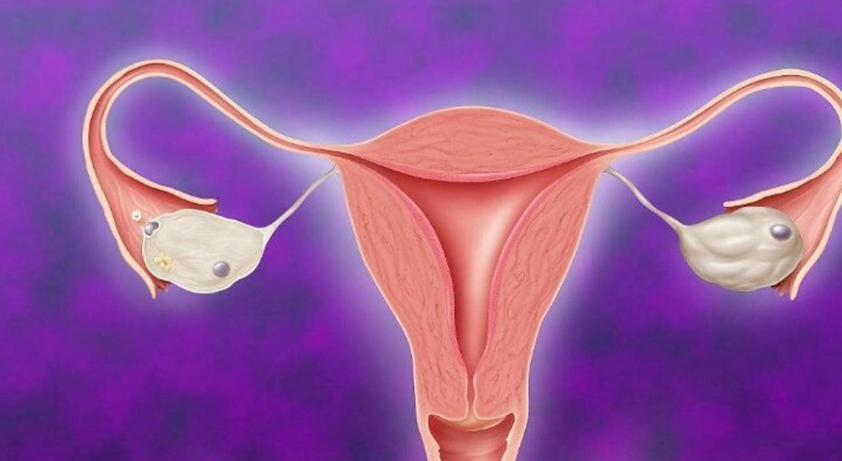
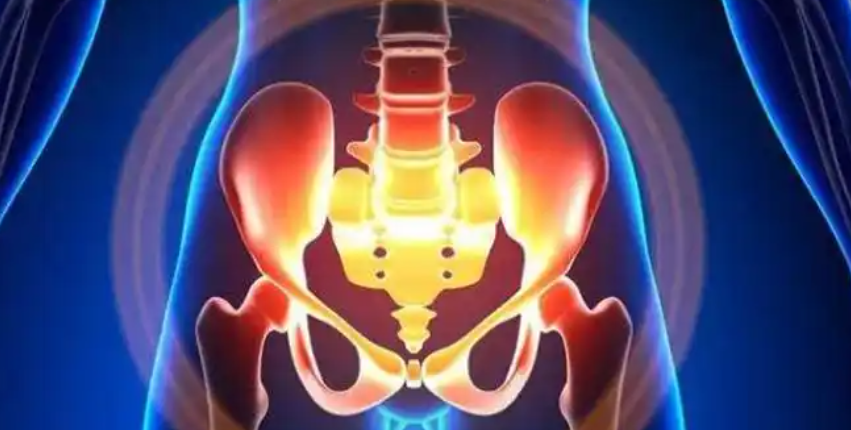
Endometriosis is an estrogen-dependent disorder in which ectopic endometrial tissue proliferates and bleeds repeatedly under estrogen stimulation, causing dysmenorrhea, infertility, pelvic adhesions, and other symptoms. By strongly suppressing estrogen synthesis, it maintains low systemic estrogen levels, promoting atrophy and apoptosis of ectopic endometrial tissue and alleviating clinical symptoms.
Clinical studies show that monthly injections of it for 3–6 consecutive months in endometriosis patients achieve a dysmenorrhea relief rate of over 85%, reduce pelvic nodule volume by 40%–60%, and allow rapid recovery of ovarian function after treatment cessation without impairing long-term fertility. Compared with traditional progestin therapy, it has no side effects such as breakthrough bleeding or weight gain and is better tolerated by patients.
Applications as a Tool in Basic Life Science Research

4.1 Research on Reproductive Endocrine System Mechanisms
Antide acetate is a key tool compound for studying the function of the hypothalamic-pituitary-gonadal (HPG) axis. By selectively inhibiting GnRH receptors, it enables the establishment of gonadotropin-deficient animal models to clarify regulatory mechanisms at various levels of the HPG axis: for example, investigating the regulatory roles of LH/FSH in follicular development and spermatogenesis.
Analyzing the effects of sex hormones on reproductive organs, bone, and the cardiovascular system; and exploring crosstalk between reproductive endocrinology, neuroendocrinology, and metabolism. For instance, treating experimental animals with it helps verify the differential regulation of LH and FSH synthesis by GnRH pulse frequency and clarify the mechanisms governing pituitary gonadotropin secretion.


4.2 Drug Development and Pharmacodynamic Evaluation Models
In reproductive drug development, it is used to establish disease models of ovulatory dysfunction, hyperandrogenism, estrogen deficiency, and others, enabling efficacy evaluation of novel contraceptives, ovulation-inducing agents, and sex hormone receptor modulators. Examples include establishing infertility models by suppressing ovulation in rats to test the follicle-activating effects of new ovulation inducers; and combining it with novel antitumor drugs in prostate cancer models to assess the antitumor activity of combination regimens
4.3 Neuroendocrine and Behavioral Research
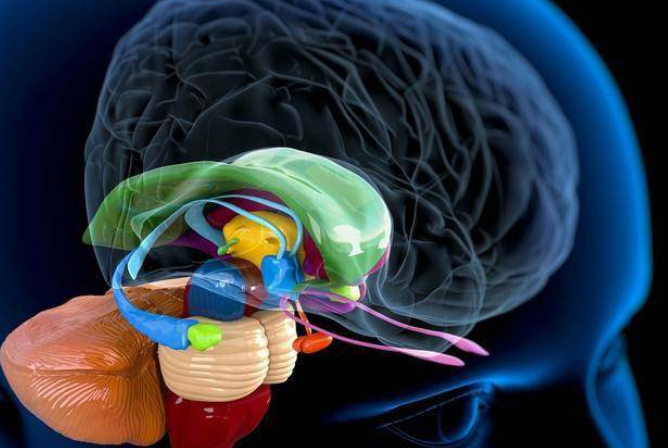
Recent studies have identified widespread distribution of GnRH receptors in the central nervous system (e.g., hypothalamus, hippocampus, amygdala), where they participate in neurotransmitter release, mood regulation, and cognitive function. At low doses, it crosses the blood-brain barrier and blocks central GnRH signaling, supporting research into GnRH modulation of anxiety, depression, learning, and memory. Animal experiments demonstrate that it attenuates haloperidol-induced catalepsy in rats, suggesting potential research value in neuropsychiatric disorders such as Parkinson's disease and schizophrenia.
Applications in Animal Breeding and Husbandry

5.1 Regulation of Livestock Reproductive Cycles
In livestock farming, antide acetate regulates estrous and ovulatory cycles in cattle, sheep, swine, and other livestock to achieve synchronized estrus and grouped breeding, improving production efficiency. For example, administration in cows suppresses follicular development and estrous behavior; upon cessation, ovarian function recovers synchronously to enable herd-wide estrus synchronization, facilitating artificial insemination and pregnancy management. It also provides temporary castration in male livestock by inhibiting testosterone secretion, reducing aggressive and mounting behaviors to improve fattening efficiency, with fertility restored after treatment to avoid stress and infection risks associated with surgical castration.
5.2 Experimental Animal Model Establishment
In breeding of laboratory animals (mice, rats, rabbits), the product is used to create infertility and sex hormone deficiency models for research in reproductive and developmental biology. Examples include establishing infertility models by suppressing ovulation in female mice to study embryo implantation and endometrial receptivity; and inhibiting spermatogenesis in male mice to investigate the pathogenesis and treatment of male infertility. It also supports reproductive control of laboratory animals to prevent unintended mating, ensuring animal quality and experimental data accuracy.

Application Prospects and Development Trends

With its high efficacy, long duration, and favorable safety profile, the product has become a core drug in reproductive medicine and endocrine tumor therapy, with expanding applications in basic research and animal husbandry. Future development directions include:
Development of novel formulations such as long-acting microspheres and subcutaneous implants to extend dosing intervals to 1–3 months and improve patient compliance;
Optimization of combination therapies with targeted and immunotherapeutic agents to enhance outcomes in prostate and breast cancer and reduce drug resistance.
Expansion of new indications, exploring potential uses in polycystic ovary syndrome, postmenopausal osteoporosis, and neurodegenerative diseases;
Process optimization to lower synthesis costs, improve purity, and promote adoption in primary care and livestock farming.
In summary, as a third-generation GnRH antagonist, the product is applied across reproductive medicine, oncology, basic research, and animal breeding. It addresses key challenges in clinical care and assisted reproduction while serving as an essential tool for life science research. With advancing research and technological iteration, its application value will be further realized.

Adverse Reactions
The product demonstrates a favorable overall safety profile, yet local and systemic reactions may still occur and require timely identification and management during administration.
Local reactions are the most common, including mild to moderate erythema, pruritus, swelling, and induration at the injection site.
Systemic reactions are relatively rare; occasional adverse events include headache, dizziness, nausea, fatigue, and mood alterations, most of which are transient.
Information source
ChemicalBook Properties, Applications and Production Process of Antide ; MySkinRecipes Antide Product Description.
European Medicines Agency (EMA) Safety Evaluation of GnRH Antagonists; MIMS Adverse Drug Reaction Database.
Liwei Peptide Analysis of Antide Application Prospects; MedChemExpress Research and Development Progress of Antide.
Antide (acetate) (https://www.caymanchem.com/product/31486/antide-acetate?srsltid=AfmBOoqWjH7CCaoYuHtCP-VqA8hTozQvtTTEm-STq0Wwyc61Ckz-Q689)
Antide Acetate(https://pubchem.ncbi.nlm.nih.gov/compound/Antide-Acetate)
FAQ
As a synthetic polypeptide, antide ethanoate (CAS: 112568-12-4) boasts outstanding binding affinity to pituitary GnRH receptors. Different from earlier counterparts, it delivers potent and long-lasting hormone inhibition without triggering histamine release. This unique trait greatly reduces adverse reactions, making it a safer option for long-term use in research and practical applications.
This peptide exists as white crystalline powder with good water solubility. For long-term preservation, it needs to be sealed and stored at low temperature away from light and moisture. Repeated freeze-thaw operations should also be avoided, as they may damage its molecular structure and weaken biological activity. Proper handling helps maintain stable performance throughout usage.
Beyond reproductive therapy and oncology treatment, antide ethanoate is widely adopted in basic endocrine research and standardized animal breeding. It can stably regulate gonadal hormone levels in experimental animals, helping researchers explore hormone-related physiological mechanisms. In breeding work, it assists in controlling reproductive cycles, supporting efficient and orderly livestock management.
Hot Tags: antide acetate, suppliers, manufacturers, factory, wholesale, buy, price, bulk, for sale, Melanotan ii powder, Bremelanotide Powder CAS 189691 06 3, LONG R3 IGF I CAS 143045 27 6, CJC 1295 Peptide, Melanotan 2 Powder, sermorelin powder