




Shaanxi BLOOM Tech Co., Ltd. is one of the most experienced manufacturers and suppliers of noopept powder in China. Welcome to wholesale bulk high quality noopept powder for sale here from our factory. Good service and reasonable price are available.
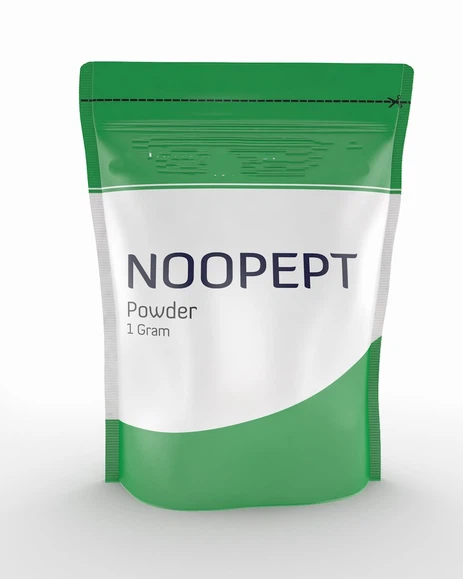
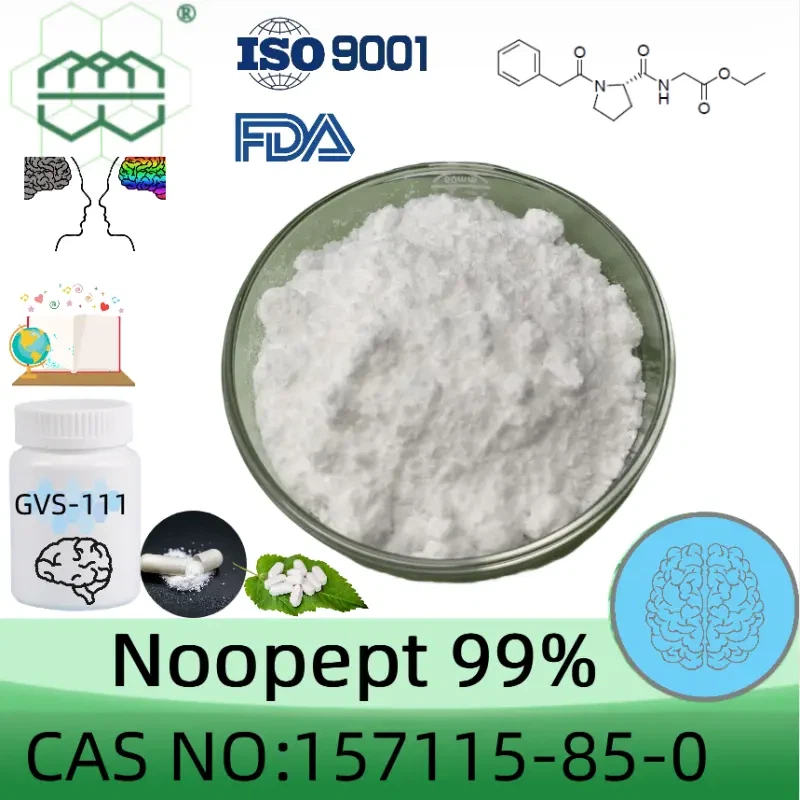
Noopept powder, it is a cyclic glycine proline dipeptide derivative developed by Russia, with a molecular formula of C17H22N2O4, CAS number 157115-85-0, and a molecular weight of 318.37. Its molecular structure contains phenylacetyl and ethyl ester functional groups. Proline is combined with phenylacetyl chloride through acylation reaction, and the final product is purified by column chromatography. The melting point of this substance is 98-102 ℃, and it is prone to hydrolysis and failure under acidic conditions. It needs to be stored at -20 ℃ to maintain stability. In terms of neuroprotection, Noopept enhances the survival ability of neural stem cells through the IL-6 mediated BDNF overexpression mechanism. At the same time, as a calcium channel antagonist, it reduces glutamate induced excitotoxic injury and has a significant protective effect on pathological states such as traumatic brain injury, ischemia, and hypoxia. At the level of neurotransmitter regulation, it can promote acetylcholine release and negatively regulate NMDA receptor activity, enhancing learning and memory while avoiding neuronal apoptosis caused by calcium overload. In addition, it can stimulate the expression of NGF and BDNF, promote neurite outgrowth and synaptic plasticity, and reduce the content of lipid peroxidation product MDA by enhancing SOD activity, constructing an antioxidant defense system.
Our product
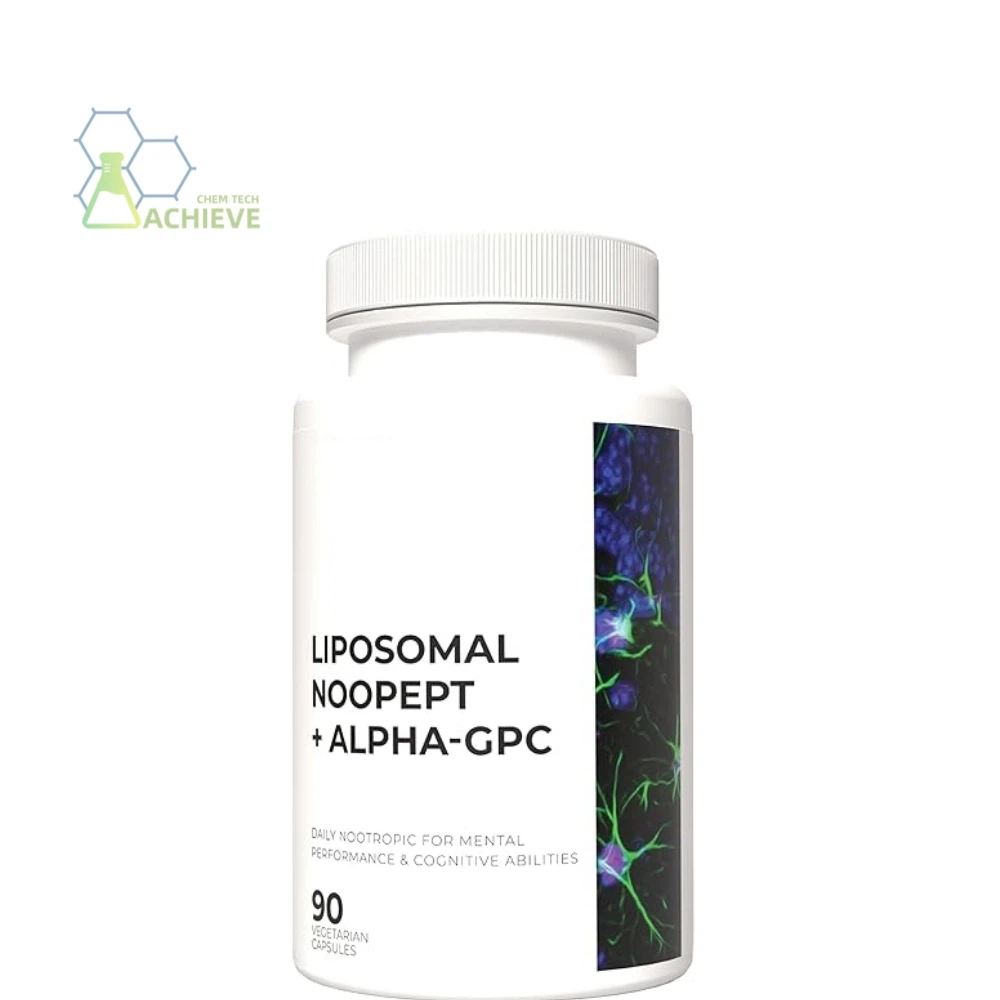
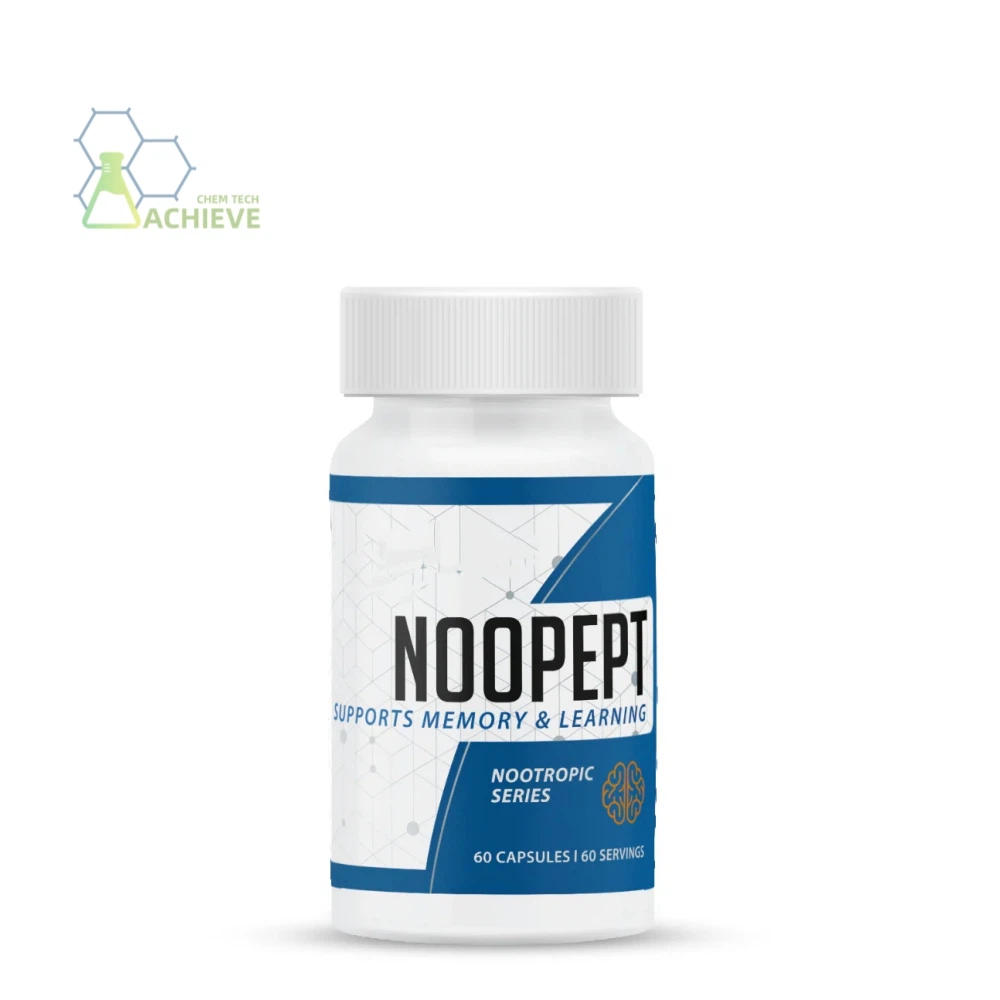
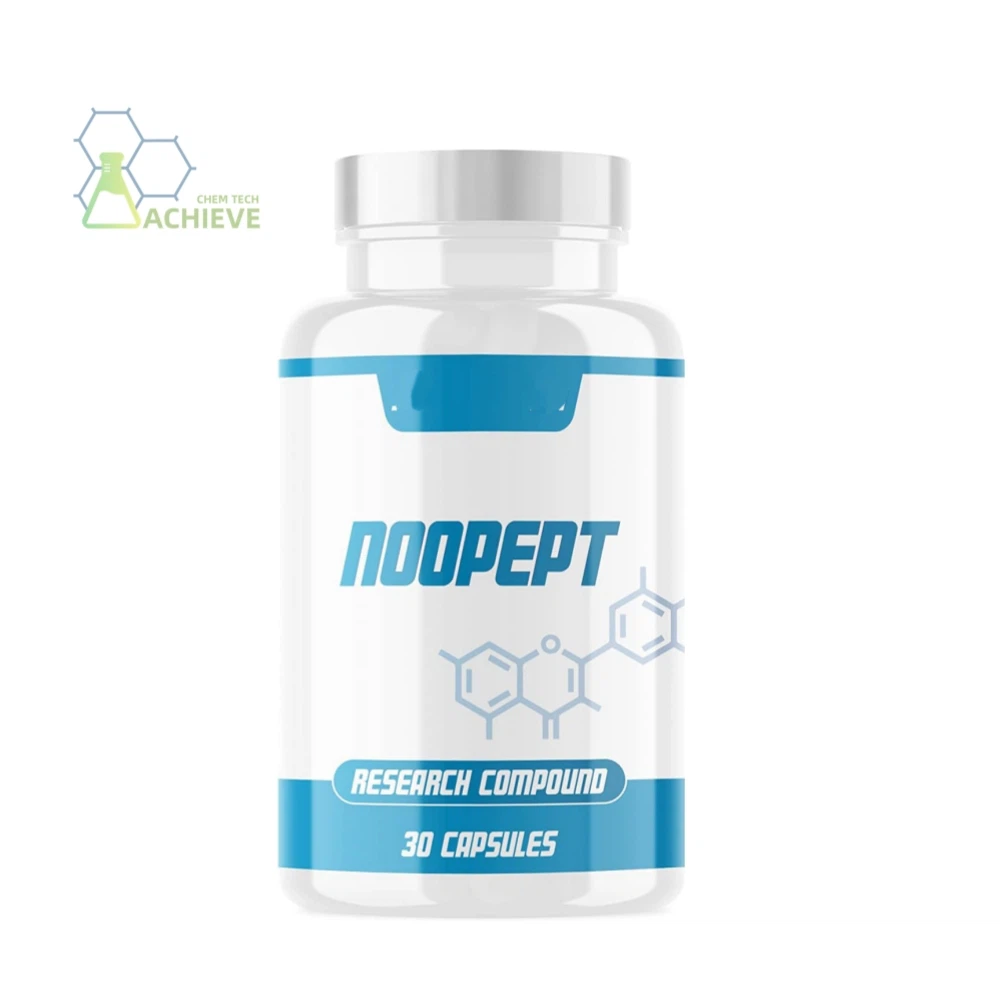

Additional information of chemical compound:

Our Product
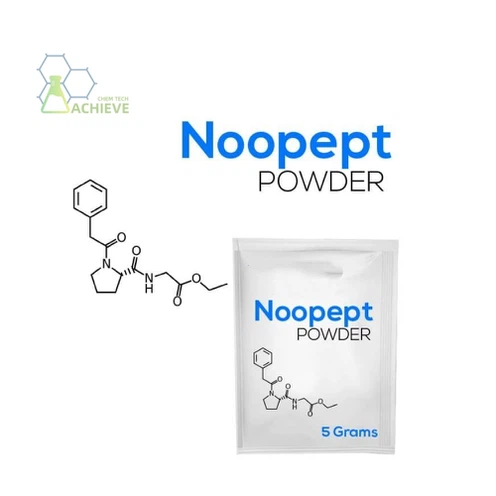
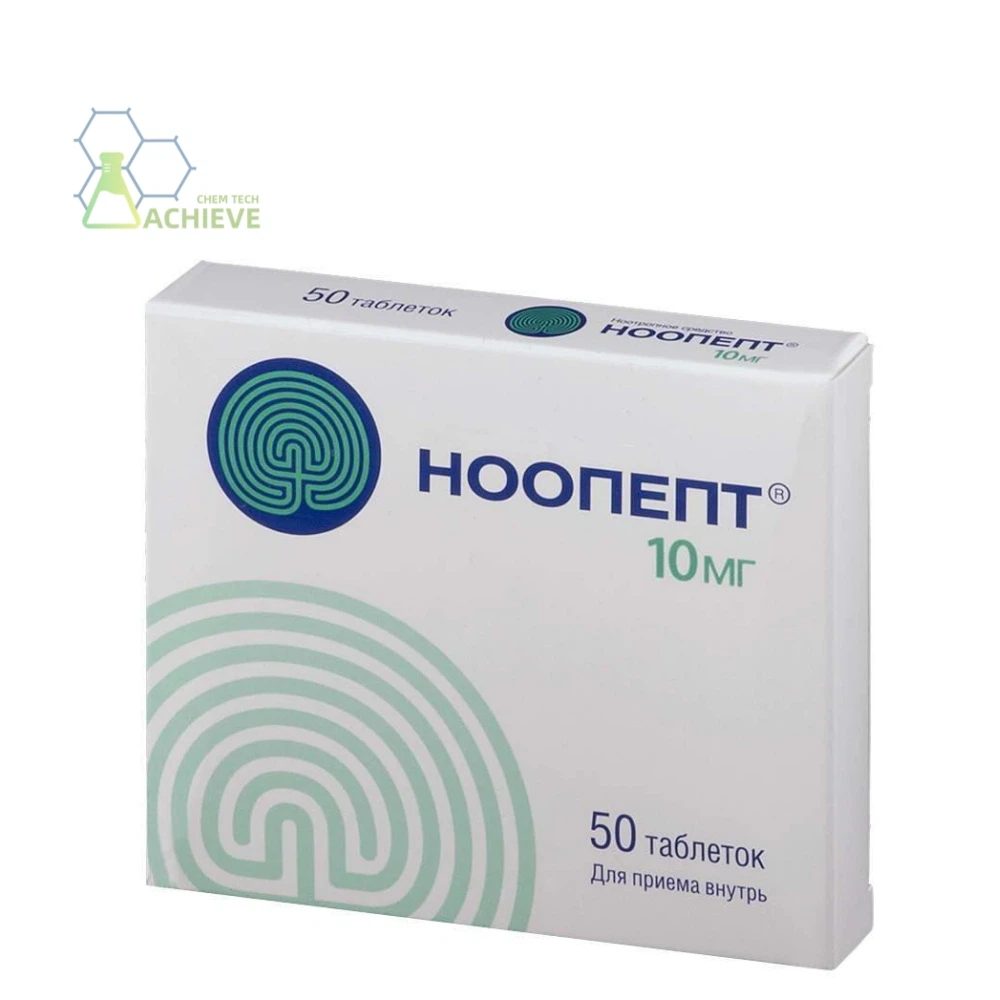
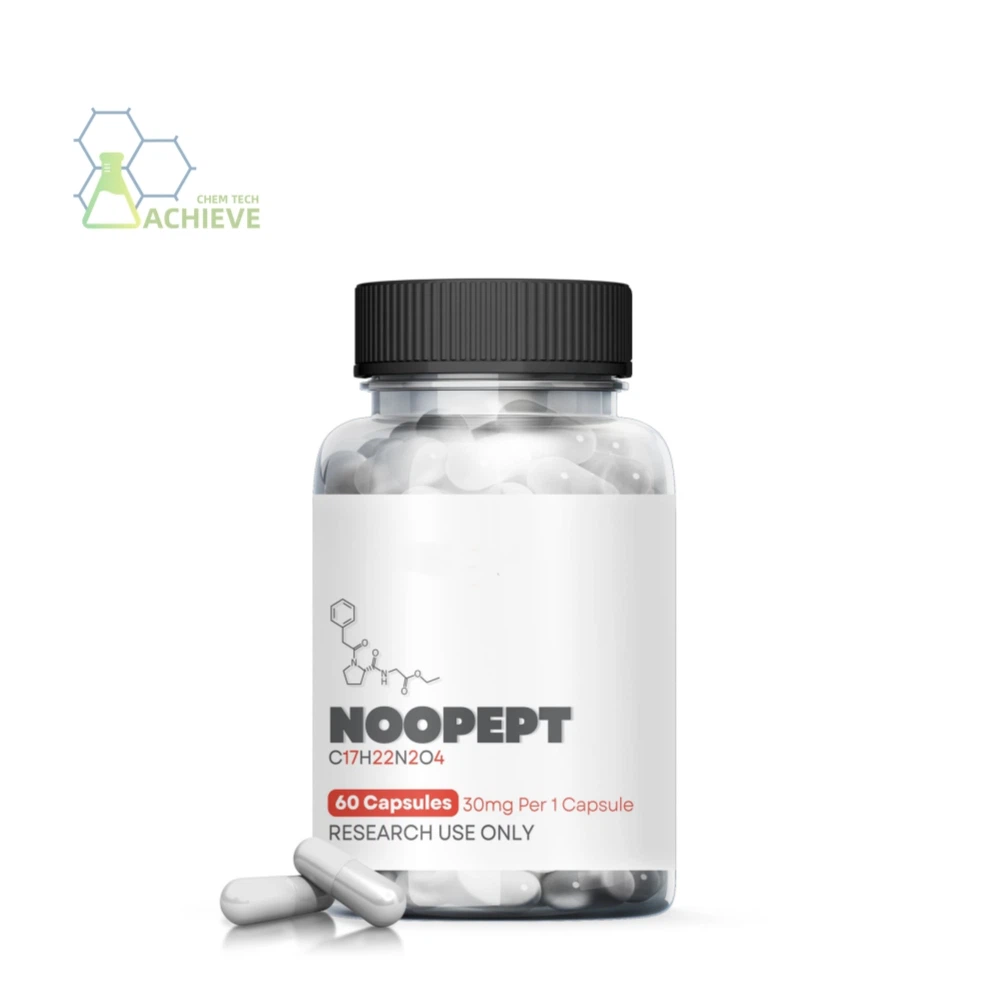
Noopept +. COA


Noopept (chemical name: N-phenylacetyl-L-prolylglycine ethyl ester) is an artificially synthesized intelligence promoting drug, and its chemical properties can be systematically described from four dimensions: molecular structure, physical properties, chemical reactivity, and biological activity.
Its structure consists of three parts:
Phenylacetyl: Provides hydrophobicity and aromaticity, and may enhance blood-brain barrier penetration through π - π interactions.
L-proline residue: forms a five membered ring structure, limiting molecular conformational freedom and improving metabolic stability.
Glycine ethyl ester group: As an ester structure, it is easily hydrolyzed by esterases in the body into glycine and ethanol, while releasing active fragments.
This structure is designed based on a derivative of endogenous neuropeptide cyclic alanine glycine, which enhances the promotion of brain-derived neurotrophic factor (BDNF) expression through phenylacetyl modification.

Physical and chemical properties
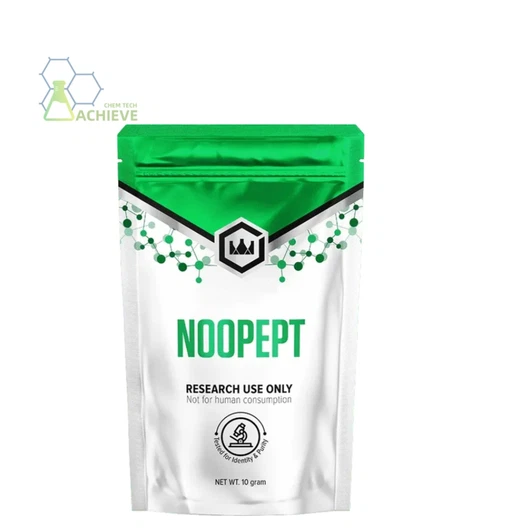
Appearance and condition: White crystalline solid with a melting point range of 94-102 ℃, indicating high purity and stable crystal structure.
Solubility:
Dissolve in organic solvents such as chloroform, ethanol, DMSO, etc., with a solubility of 20-25 mg/mL in DMSO.
Slightly soluble in water, indicating that its water solubility may be low, and its bioavailability needs to be improved through formulation technology.
Acid base stability: Under acidic conditions (such as gastric juice), it is prone to hydrolysis and failure, producing phenylacetic acid and prolyl glycine ethyl ester. Therefore, it needs to be stored in a buffer system with a pH of 6-8.
Thermal stability: The predicted boiling point is 547.3 ± 50.0 ℃, but it may decompose at high temperatures and requires low-temperature storage (-20 ℃ can be stored for 3 years).
Hydrolysis reaction:
Ester hydrolysis: Under the action of esterases in the body, the glycine ethyl ester group is easily hydrolyzed into glycine and ethanol, which is one of the main metabolic pathways.
Amide bond hydrolysis: Under strong acid or strong base conditions, the amide bond between proline and glycine may break, producing phenylacetylproline and glycine.
Redox reaction:
The benzene ring in the molecule may participate in oxidation reactions to generate quinone intermediates, but specific oxidation products have not been reported yet.
In free radical scavenging experiments, Noopept can inhibit the accumulation of free radicals in neurons induced by H ₂ O ₂ or FeSO ₄, suggesting that it may protect nerve cells through antioxidant mechanisms.
Photochemical reaction: There are no clear reports of photocatalytic reactions, but storage should be avoided from light to prevent potential degradation.
Biological activity and pharmacokinetics
Promoting intelligence and neuroprotection:
Overexpression of BDNF mediated by IL-6 promotes neural stem cell differentiation and synaptic plasticity, improving spatial memory (Morris water maze test showed a significant increase in memory retention rate in mice).
Inhibiting the formation of fibrillar structures of β - amyloid protein (25-35) may have potential therapeutic effects on Alzheimer's disease.
Antioxidant mechanism:
In vitro experiments have shown that Noopept can significantly reduce the mortality rate of neurons after H ₂ O ₂ treatment (IC ₅₀=1.21 ± 0.07 μ M) and inhibit lipid peroxidation damage.
Pharmacokinetic parameters:
The oral bioavailability has not been clearly reported, but active metabolites can be detected in brain tissue within 1 hour after intraperitoneal injection in animal experiments.
Metabolites may include cycloprolinylglycine (an endogenous neuropeptide), further supporting its neuroprotective effect.

Noopept powder (chemical name: N-phenylacetyl-L-prolylglycine ethyl ester) is a synthetic intelligence drug developed in Russia, belonging to cyclic glycine proline dipeptide derivatives. Its molecular structure includes phenylacetyl, L-proline residues, and glycine ethyl ester groups, with a molecular weight of 318.37 g/mol. At present, the synthesis methods of Noopept are mainly divided into two categories: classical multi-step synthesis method and optimized process improvement method. The following is a systematic analysis from the perspectives of reaction principles, key steps, technical difficulties, and industrial applications.
Classic multi-step synthesis method: the complete path from raw materials to products
The classic synthetic route starts with L-proline and benzoyl chloride, and constructs the target molecule through three steps of acylation, condensation, and esterification reactions. The method has clear steps, but strict control of reaction conditions is required to avoid the generation of by-products.
Reaction principle: The amino group of L-proline undergoes nucleophilic substitution reaction with benzoyl chloride to generate N-phenylacetyl-L-proline.
Reaction conditions:
Solvent: dichloromethane (DCM) or tetrahydrofuran (THF)
Alkali catalyst: Triethylamine (TEA) or Pyridine
Temperature: 0-5 ℃ (under ice bath conditions)
Response time: 2-4 hours
Key control points:
Phenylacetyl chloride needs to be slowly dripped to control the exothermic reaction and avoid excessive local concentration, which can lead to the formation of acylation by-products (such as N, N-diphenylacetyl-L-proline).
After the reaction is completed, it is necessary to wash with dilute hydrochloric acid to remove excess alkali catalyst and prevent alkali residue from affecting the condensation reaction in subsequent steps.
Reaction principle: The carboxyl group of N-phenylacetyl-L-proline forms a peptide bond with the amino group of glycine ethyl ester hydrochloride under the action of a condensing agent, producing crude N-phenylacetyl-L-proline glycine ethyl ester.
Selection of condensing agent:
Traditional method: Dicyclohexylcarbodiimide (DCC)+1-hydroxybenzotriazole (HOBt)
Modern Improvement: O - (7-Azabenzotriazol-1-yl) - N, N, N ', N' - Tetramethylurea Hexafluorophosphate (HATU)
Optimization of reaction conditions:
Solvent: N, N-dimethylformamide (DMF) or dimethyl sulfoxide (DMSO)
Temperature: Room temperature (25 ℃)
Reaction time: 6-12 hours
Technical difficulties:
Glycine ethyl ester hydrochloride needs to be neutralized with a base (such as triethylamine) to pH 7-8 in advance, otherwise the protonation of the amino group will inhibit the condensation reaction.
HATU, as a condensing agent, can significantly shorten the reaction time (6 hours vs. 12 hours for DCC/HOBt), but at a higher cost, making it suitable for small-scale synthesis in the laboratory.
Purification method:
Column chromatography: Silica gel column (200-300 mesh), mobile phase of ethyl acetate petroleum ether (1:3, v/v), can separate unreacted raw materials and dipeptide by-products.
Recrystallization method: Dissolve the crude product in hot ethanol, slowly cool to 0 ℃ to precipitate crystals, and repeat 2-3 times to increase the purity to over 98%.
Industrialization Challenge:
Although column chromatography has high purity, it consumes a large amount of solvents and is costly, making noopept powder difficult to apply on a large scale.
The recrystallization method requires controlling the crystallization rate, as too fast a rate can lead to uneven crystal particle size and affect subsequent drying efficiency.
Optimization process improvement method: improving efficiency and yield
In response to the shortcomings of classical methods, researchers have developed various improved processes in recent years, focusing on optimizing the condensation step and solvent system to reduce production costs and improve product yields.
Method 2- Microwave assisted synthesis: Accelerated condensation reaction
Principle: Using microwave radiation to provide energy, reactant molecules collide rapidly in a high-frequency electromagnetic field, shortening reaction time.
Experimental data:
Under the conditions of microwave power of 300W and temperature of 80 ℃, the reaction time was shortened from 12 hours to 20 minutes.
The yield increased from 65% in the classical method to 82%, and the amount of by-products (such as racemates) generated decreased.
Industrialization potential:
A dedicated microwave reactor is required, which has a high equipment cost but can significantly reduce energy consumption and time costs, making it suitable for the production of high value-added products.
Green solvent system: replacing traditional organic solvents
Background: Traditional solvents such as DMF and DMSO are toxic and do not meet the requirements of green chemistry.
Improvement plan:
Using 2-methyltetrahydrofuran (2-MeTHF) instead of DMF: 2-MeTHF has a low boiling point (80 ℃), is easy to recover, and has no inhibitory effect on the condensation reaction.
Ionic liquids as solvents, such as [BMIM] [BF4] (1-butyl-3-methylimidazolium tetrafluoroborate), can be recycled more than 5 times with a stable yield of 78%.
Technical advantages:
Reduce solvent emissions and lower environmental treatment costs.
Ionic liquids can regulate the reaction microenvironment and improve reaction selectivity.
Method 3- Continuous Flow Synthesis Technology: Achieving Automated Production
Principle: The reactants are continuously pumped through a microchannel reactor to complete the reaction under precisely controlled temperature and pressure.
Experimental case:
The condensation reaction is carried out in a microchannel reactor with a residence time of only 5 minutes and a yield of 85%.
Real time adjustment of reaction parameters through online monitoring system to ensure product quality stability.
The significance of industrialization:
Avoid batch differences and improve production consistency.
The equipment occupies a small area and is suitable for the renovation and upgrading of existing factories.
Comparison and selection suggestions for synthesis methods
| Method type | Yield | Reaction time | Solvent cost | Equipment requirements | Applicable scenarios |
| Classic multi-step synthesis method | 65-72% | 18-24 hours | High (DMF) | Conventional glassware laboratory research | Small-scale production |
| Microwave assisted synthesis method | 78-85% | 20-60 minutes | (2-MeTHF) | Microwave reactor pilot scale | High value-added product |
| Continuous flow synthesis technology | 80-88% | 5-15 minute | Low (ionic liquid) | Microchannel reactor | Industrial large-scale production |
Hot Tags: noopept powder, suppliers, manufacturers, factory, wholesale, buy, price, bulk, for sale, Tesamorelin CAS 218949 48 5, GLP 1 Peptide CAS 87805 34 3, LONG R3 IGF I CAS 143045 27 6, Best Growth Hormone Releasing Peptide CAS 87616 84 0, Epitalon Powder CAS 307297 39 8, Melanotan ii powder