


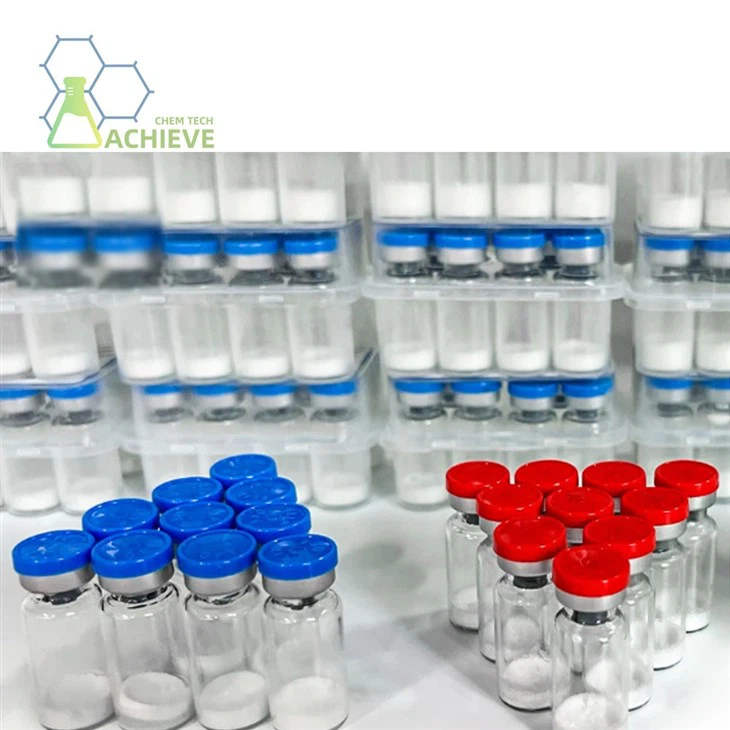

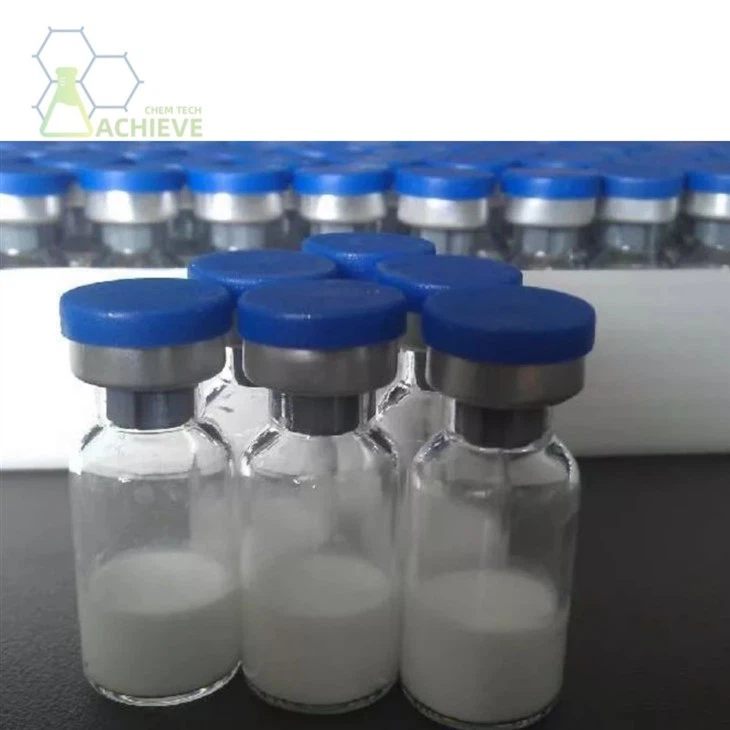
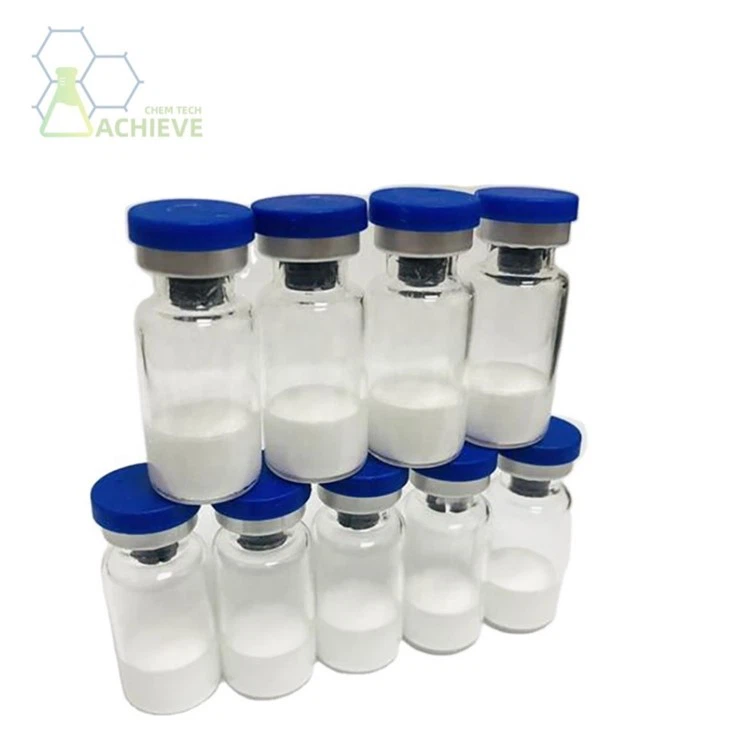


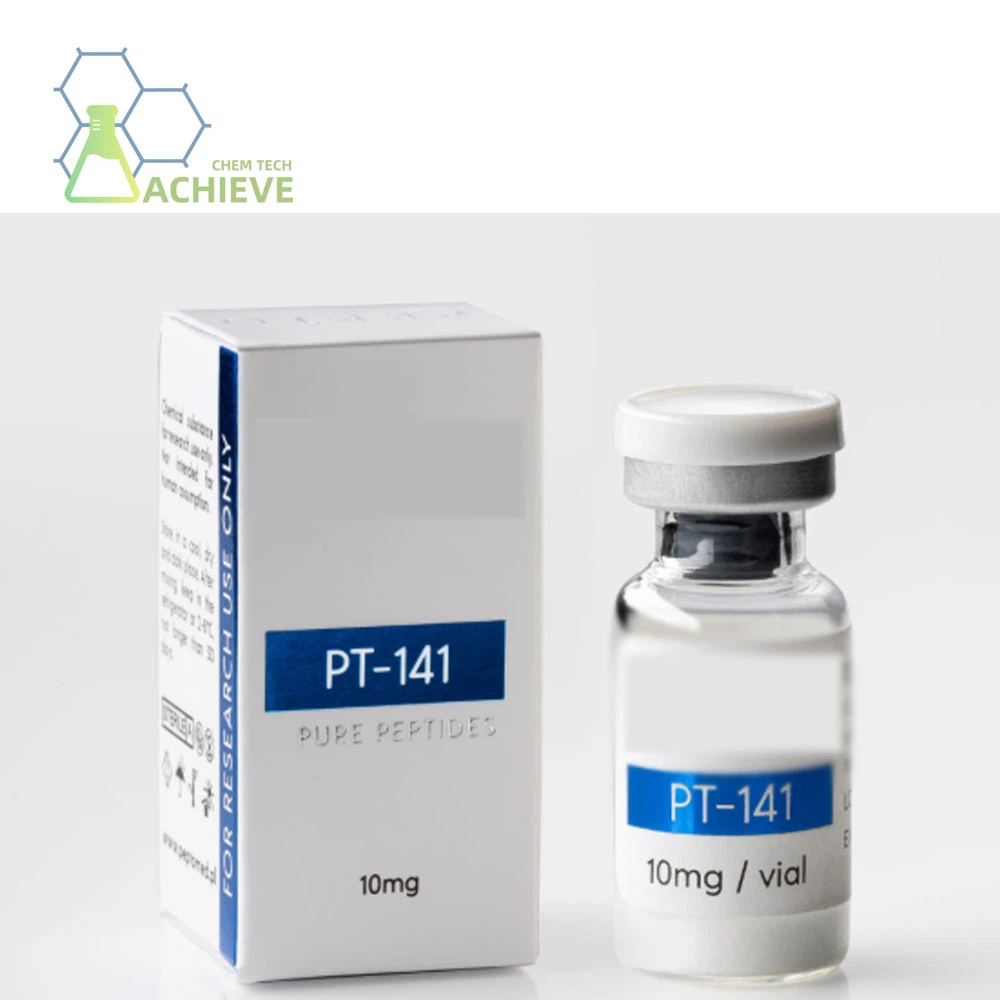
PT 141 peptide, Also known as Bremelanotide, it is a synthetic peptide used to treat male and female sexual dysfunction. Its chemical formula is C50H68N14O10, CAS 189691-06-3. It is a PDE-5 inhibitor that can increase blood flow to the penis, while PT-141 is a melanocortin that acts on the brain to increase libido. This synthetic peptide mixture was developed from Melanotan II with the initial purpose of deepening skin pigmentation and inducing tanning.

However, in the initial testing, patients noticed a pleasant side effect - it led to an increase in sexual arousal. PT-141 is a general term used to study peptides that are being studied for their potential use in improving sexual dysfunction in men (erectile dysfunction or impotence) and women (sexual arousal disorder). PT-141 is developed from the tanning peptide Melanotan 2, which is a synthetic variant of a naturally occurring peptide hormone in the body that stimulates melanin production, known as alpha melanocyte stimulating hormone. MSH activates certain melanocortin receptors during its action. In fact, MSH also has a strong impact on lipid metabolism, appetite, and sexual desire. Therefore, studies have shown that PT-141 enhances sexual desire by activating melanocortin receptors MC1R and MC4R, but does not cause skin tanning. Although there has been extensive research on the function of PT-141 and the benefits derived from this function, it should be emphasized that the peptide is currently only used for scientific research. Therefore, any findings or observations related to the overall function, mechanism, or advantages of PT-141 should be the product of research conducted in a strictly enclosed environment.
Customized Bottle Caps & Corks
|
|
|




|
|
|
PT 141 COA


PT 141 peptide, Also known as Bremelanotide, it is a synthetic peptide analogue based on melanocyte stimulating hormone (MSH) and has a wide range of potential medical and cosmetic applications. The drug was developed by Palatin Technologies, and its unique pharmacological mechanism has demonstrated unique therapeutic potential in multiple fields. We will explore in detail the application of PT-141 as a skin softener, surface and visceral scanning agent, regenerative medicine treatment, and introduce its latest research results in reducing the number of white adipose cells and improving insulin sensitivity.
1. As a skin softener

PT-141, as a melanocortin receptor agonist, mainly regulates various physiological functions by activating the melanocortin receptor MC4R. This mechanism is equally important in terms of skin health. Although PT-141 is not directly designed as a skin softener, its regulatory effect on skin pigmentation may indirectly promote improvements in skin appearance. Specifically, by regulating the production and distribution of melanin, PT-141 may help enhance the natural radiance and uniformity of the skin, making it appear softer and smoother visually.
In addition, the activation of melanocortin receptors in skin cells may also affect the metabolism and renewal of skin cells, promote the synthesis of structural proteins such as collagen, and further enhance the elasticity and firmness of the skin. Although these effects have not been validated through large-scale clinical trials, their potential in the field of skin beauty cannot be ignored based on the pharmacological mechanism of PT-141.
2. As a scanning agent for body surface and internal organs

In the field of medical imaging, the potential applications of PT-141 have not been fully explored. However, as a peptide drug with specific biological activity, PT-141 may be developed as a novel surface and visceral scanning agent. This scanning agent may utilize the specific binding ability of PT-141 to melanocortin receptors to achieve precise imaging of specific tissues or organs through labeling or tracing techniques.
For example, in tumor diagnosis, if tumor tissue expresses high levels of melanocortin receptors, PT-141 labeled scanning agents may help achieve early detection and precise localization of tumors. Similarly, in the fields of cardiovascular disease, respiratory system diseases, etc., PT-141 may also become an important diagnostic tool to help doctors more accurately assess patients' visceral organ function and pathological status.
However, to achieve this goal, extensive basic research and clinical trials are needed to validate the safety and efficacy of PT-141 as a scanning agent.
3. Application in Regenerative Medicine Treatment
Regenerative medicine is a rapidly developing field aimed at restoring the function of damaged tissues or organs by stimulating the body's own repair mechanisms. PT-141, as a melanocortin receptor agonist, has also demonstrated certain potential applications in regenerative medicine therapy

Promote wound healing
Wound healing is a complex physiological process that involves multiple stages such as inflammation, proliferation, and remodeling. PT-141 may help regulate local inflammation and cell proliferation activity in wounds by activating melanocortin receptors, thereby promoting wound healing. In addition, the activation of melanocortin receptors in skin cells may also promote the synthesis and deposition of structural proteins such as collagen, which helps to enhance the strength and toughness of wounds.
Improve respiratory obstruction
Respiratory obstruction is a common clinical problem that can be caused by various reasons, such as asthma, chronic obstructive pulmonary disease, etc. The application of PT-141 in improving respiratory obstruction is still in the preliminary exploration stage. However, studies have shown that melanocortin receptors are also expressed in respiratory smooth muscle cells, and their activation may help relax smooth muscle cells, thereby alleviating respiratory obstruction symptoms. Therefore, PT-141 may become a new drug for treating respiratory obstructive diseases.

4. Latest research findings: reducing the number of white adipocytes and improving insulin sensitivity
Recent studies have shown that PT-141 (Bremerianol peptide) also plays an important role in regulating energy metabolism and insulin sensitivity. This discovery provides a new idea for PT-141 in the treatment of metabolic diseases such as obesity and diabetes.

Reduce the number of white adipocytes
White adipose cells are the main form of energy storage in the body, and their excessive accumulation is one of the important causes of obesity. Research has found that PT-141 can inhibit the proliferation and differentiation of white adipocytes by activating the melanocortin receptor MC4R, thereby reducing the number of adipocytes. This mechanism of action helps to reduce body fat content and improve obesity symptoms.
Improve insulin sensitivity
Insulin sensitivity refers to the body's ability to respond to insulin. In obese and diabetes patients, insulin sensitivity is often reduced, leading to a decline in the ability to regulate blood sugar. PT-141 may help improve insulin sensitivity by regulating energy metabolism and adipocyte function. Specifically, PT-141 may improve the function of pancreatic islet cells and insulin secretion by promoting the uptake and utilization of glucose by adipocytes, reducing the toxic effects of free fatty acids produced by fat breakdown on pancreatic islet cells.

PT 141 peptide (Bremerianol peptide), as a synthetic peptide analogue of melanocyte stimulating hormone, has a wide range of potential medical and cosmetic applications. Although the applications of skin softeners, surface and visceral scanning agents, and regenerative medicine therapeutic drugs are still in the preliminary exploration stage, their unique pharmacological mechanisms provide a theoretical basis for these applications. In addition, the latest research shows that PT-141 also plays an important role in reducing the number of white adipocytes and improving insulin sensitivity, providing new ideas for the treatment of metabolic diseases such as obesity and diabetes. In the future, with the deepening of research and the development of technology, PT-141 is expected to demonstrate its unique value and potential in more fields.

In the journey of exploring the boundary between human health and beauty, every step of scientific research is full of unknowns and challenges, and the birth and development of PT-141 (Bremerianol peptide) is undoubtedly a brilliant highlight in this field. Its predecessor, Melanotan 2, a peptide compound originally designed to promote skin tanning through non ultraviolet means, unexpectedly opened up a new chapter in medical applications - the treatment of sexual dysfunction.
In the pursuit of natural tanning, scientists have been searching for a method that can both avoid UV damage and achieve tanning effects. Melanotan 2 emerged in this context. As an artificially synthesized melanocyte stimulating hormone (MSH) analog, Melanotan 2 can activate melanocortin receptors in the skin, promote melanin production, and achieve skin tanning without the use of ultraviolet light. This discovery quickly made Melanotan 2 a darling of the beauty industry, attracting the attention of many people who pursue healthy tanning methods.
However, the preliminary clinical trials of Melanotan 2 have brought unexpected side effects. In a test of ten male volunteers, nine participants reported significant sexual arousal and spontaneous erections. This unexpected discovery has made scientists realize that Melanotan 2 may have a wider range of pharmacological effects, especially in the field of sexual health. This discovery not only provides new ideas for the treatment of sexual dysfunction, but also marks the official beginning of the development process of PT-141 (Bremrenopeptide).
Faced with the potential application of Melanotan 2 in the field of sexual health, scientists quickly adjusted their research direction and began to explore its pharmacological mechanisms, safety, and efficacy in depth. In this process, they found that although Melanotan 2 has significant sexual arousal effects, its short half-life and numerous side effects limit its further development as a therapeutic drug for sexual dysfunction. Therefore, scientists modified and optimized the structure of Melanotan 2, and ultimately developed PT-141 (Bremeranoside).
PT-141 significantly improved its pharmacokinetic properties, prolonged half-life, and reduced the incidence of side effects while retaining the sexual arousal effect of Melanotan 2. More importantly, the mechanism of action of PT-141 is completely different from traditional sexual dysfunction treatment drugs such as Viagra. Viagra and other drugs mainly improve erectile function by acting on the vascular system, while PT-141 directly increases sexual desire through the nervous system, fundamentally solving the problem of sexual dysfunction. This innovative treatment mechanism gives PT-141 unique advantages and potential in the field of treating sexual dysfunction.
To verify the safety and efficacy of PT-141 in the treatment of sexual dysfunction, scientists have conducted numerous rigorous clinical trials. Among them, the most notable is undoubtedly the Phase 2B clinical trial conducted by Palatin in women with premenopausal sexual dysfunction (FSD). This experiment is not only large-scale and scientifically designed, but also the results are exciting. Preliminary data analysis and top line results indicate that PT-141 has shown significant efficacy in treating female sexual arousal disorders, with mild and tolerable side effects. This achievement not only lays a solid foundation for the application of PT-141 in the treatment of female sexual dysfunction, but also provides strong support for its promotion in the treatment of male sexual dysfunction.
Subsequently, scientists conducted similar clinical trials in male patients with erectile dysfunction (ED). The results showed that PT-141 can also significantly improve erectile function and sexual satisfaction in male patients, and the efficacy is long-lasting and stable. The success of these clinical trials not only validates the efficacy and safety of PT-141 in the treatment of sexual dysfunction, but also paves the way for its widespread application worldwide.
With the continuous breakthroughs and widespread application of PT-141 in the treatment of sexual dysfunction, its market prospects are becoming increasingly broad. As an innovative therapeutic drug, PT-141 not only fills the gap in traditional treatment methods, but also provides patients with a safer and more effective treatment option. Especially in today's increasingly concerned sexual health, the emergence of PT-141 undoubtedly brings good news to patients with sexual dysfunction.
The successful development and application of PT-141 also reflects the infinite possibilities and innovative spirit of scientific research. It tells us that on the path of scientific exploration, accidents and discoveries often coexist. As long as we maintain curiosity and thirst for knowledge, dare to challenge unknown fields, we may create great achievements that change the world. The development process of PT-141 is a journey full of challenges and rewards. From the unexpected discovery of Melanotan 2 to the brilliant achievements of PT-141, every step embodies the wisdom and sweat of scientists. In the future, with the continuous deepening of research and advances in technology, we have reason to believe that PT-141 will play a more important role in the treatment of sexual dysfunction, bringing health and happiness to more patients. At the same time, the success of PT 141 peptide will inspire more scientists to devote themselves to the great cause of scientific exploration and contribute their efforts to human health and well-being.
Frequently Asked Questions
Is PT-141 better than Viagra?
+
-
Benefits of Bremelanotide (PT-141):
Spontaneity: Unlike Viagra, which requires planning, Bremelanotide allows for more spontaneous sexual activity, enhancing the overall experience.
Is PT-141 legal in the US?
+
-
Off-label prescribing is legal and not uncommon in sexual medicine (physicians sometimes repurpose FDA-approved drugs for other populations based on emerging evidence). Men can obtain PT-141 in the U.S. via a doctor's prescription, typically through specialty pharmacies.
What are the side effects of PT-141 Bremelanotide?
+
-
Bremelanotide injection may cause side effects. Tell your doctor if any of these symptoms are severe or do not go away:
nausea (most common after the first dose and usually lasts for about 2 hours)
vomiting.
headache.
flushing.
nasal stuffiness.
cough.
tiredness.
dizziness.
Does PT-141 darken skin?
+
-
This medicine may cause darkening of the skin on the face, gums, or breasts, especially in patients with darker skin and daily use. Talk to your doctor if you have concerns about any skin changes. Nausea may occur after first using bremelanotide, which may last for 2 hours or more.
Hot Tags: pt 141 peptide cas 189691-06-3, suppliers, manufacturers, factory, wholesale, buy, price, bulk, for sale, Kisspeptin powder, Melanotan ii powder, Melanotan 2 Powder, Lpamorelin Powder CAS 170851 70 4, Epitalon Powder CAS 307297 39 8, Tesamorelin CAS 218949 48 5