




Shaanxi BLOOM Tech Co., Ltd. is one of the most experienced manufacturers and suppliers of pramlintide tablets in China. Welcome to wholesale bulk high quality pramlintide tablets for sale here from our factory. Good service and reasonable price are available.
Pramlintide tablets belong to a brand-new novel class of long-acting hypoglycemic oral preparations independently developed based on artificially synthetic amylin analogues, which are specially molecularly optimized for convenient routine oral administration in various types of diabetic patients. Unlike conventional traditional pramlintide injectable aqueous solutions that require frequent daily subcutaneous injection, this innovative oral tablet preparation boasts multiple prominent comprehensive advantages in widespread clinical application: it can be simply taken orally right before each main daily meal to accurately suppress the sudden sharp spike of blood glucose after food intake
Our Products Form


Pramlintide COA


Potential Applications in the Management of Metabolic Syndrome

Metabolic syndrome is a cluster of metabolic disorders characterized by central obesity, insulin resistance, dyslipidemia, and elevated blood glucose. It is frequently accompanied by various complications such as non-alcoholic fatty liver disease (NAFLD), abnormal bone metabolism, and neurological lesions, posing a severe threat to human health. Pramlintide tablets, a synthetic amylin analogue, is currently mainly used as an adjuvant therapy for type 2 diabetes by mimicking the physiological functions of endogenous amylin to regulate blood glucose and suppress appetite.In recent years, with advancing research, its potential value in the management of multiple systemic complications of metabolic syndrome has gradually emerged, particularly showing promising prospects in the intervention of NAFLD.
Fundamentals of Metabolic Syndrome Treatment
The core pathological mechanism of metabolic syndrome is insulin resistance. Pramlintide can improve metabolic disorders through multiple pathways: first, it delays gastric emptying, reduces postprandial blood glucose fluctuations, lowers insulin demand, and alleviates insulin resistance; second, it inhibits the appetite center, reduces food intake, and mitigates central obesity, the initiating factor of metabolic syndrome; third, it regulates lipid metabolism, decreases triglyceride and low-density lipoprotein cholesterol levels, and improves dyslipidemia.


These fundamental pharmacological effects provide a solid theoretical basis for expanding its clinical application to the comprehensive management of various metabolic syndrome-related complications. Currently, pramlintide is mainly used clinically as a daily subcutaneous injection. The research development and wide application of this novel oral formulation product will further greatly enhance overall patient medication adherence and offer a much more convenient therapeutic option for stable long-term management of metabolic syndrome.
Potential Applications in the Management of Non-Alcoholic Fatty Liver Disease (NAFLD)
Non-alcoholic fatty liver disease (NAFLD) is the most common hepatic complication of metabolic syndrome, characterized by excessive hepatic fat deposition. Its incidence rises annually alongside the prevalence of metabolic syndrome, and in severe cases, it can progress to non-alcoholic steatohepatitis (NASH), liver fibrosis, and even hepatocellular carcinoma. The pathogenesis of NAFLD is closely linked to insulin resistance, disordered lipid metabolism, oxidative stress, and inflammatory responses. At present, there are no specific therapeutic agents.


In recent years, animal experiments have confirmed that amylin analogues can reduce hepatic fat deposition through multiple pathways, providing experimental evidence for the use of the product in NAFLD management. In mouse models of NAFLD induced by a high-fat diet, pramlintide intervention significantly reduced hepatic fat content, alleviated inflammatory responses in liver tissue, and improved insulin resistance.
Its mechanisms of action mainly include three aspects: first, inhibiting hepatic de novo lipogenesis to reduce fatty acid accumulation in the liver; second, promoting hepatic fatty acid oxidation to accelerate fat metabolism and decrease triglyceride deposition in hepatocytes; third, suppressing the expression of inflammatory factors (e.g., interleukin-6, tumor necrosis factor-α) to alleviate hepatic inflammation and delay the progression of NAFLD to NASH.
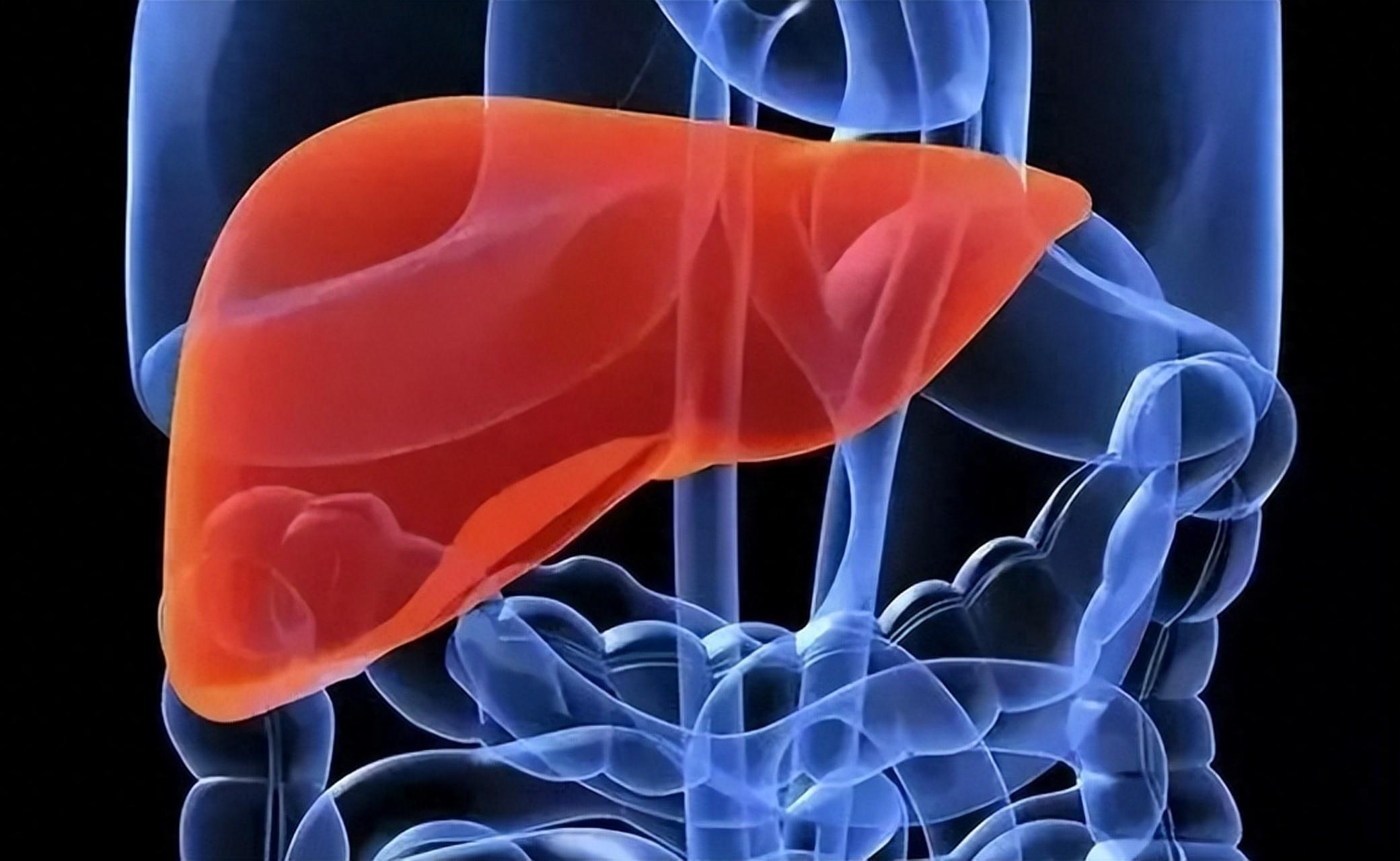

Notably, clinical evidence supporting pramlintide tablets for NAFLD remains to be further validated. Existing clinical studies are mostly small-sample, short-term observations without large-scale, long-term clinical trials. Most study subjects are NAFLD patients comorbid with type 2 diabetes, and its efficacy in patients with isolated NAFLD remains unclear.
In addition, key clinical issues such as the effect of pramlintide on liver fibrosis in NAFLD patients and the safety of long-term repeated use require full confirmation by abundant real-world clinical data. With the mature development of stable oral pramlintide formulations, targeted clinical research studies are needed in the future to clarify its distinct therapeutic effects at different progressive stages of NAFLD and explore optimal matching dosages and standardized treatment courses, providing promising new options for the clinical treatment of NAFLD.

Potential Applications in the Management of Abnormal Bone Metabolism

Patients with metabolic syndrome often present with abnormal bone metabolism, mainly manifested as reduced bone mineral density and increased osteoporosis risk. The underlying mechanisms are closely associated with insulin resistance, obesity, and inflammatory responses. Insulin resistance can inhibit osteoblast activity and promote osteoclast proliferation, leading to decreased bone formation and increased bone resorption. Adipokines (e.g., leptin, adiponectin) derived from central obesity also disrupt bone metabolic homeostasis, further exacerbating bone loss.Moreover, abnormal blood glucose and lipid levels commonly seen in metabolic syndrome patients impair normal skeletal metabolism and increase fracture risk.
Preliminary clinical studies suggest that pramlintide may exert favorable positive effects on bone mineral density and systemic bone metabolism, offering a promising new strategy for managing metabolic syndrome complicated by abnormal disrupted bone metabolism. Endogenous amylin is closely linked to bone metabolism; it regulates osteoblast and osteoclast function by binding to specific amylin receptors within bone tissue, promoting bone formation and inhibiting excessive bone resorption. As a stable amylin analogue, pramlintide can fully mimic this physiological effect to effectively restore healthy bone metabolic balance.


Relevant clinical studies have shown that 12 months of injectable pramlintide treatment in type 1 diabetes patients did not cause significant abnormalities in bone metabolic markers including bone mineral density, serum calcium, parathyroid hormone (PTH), and osteocalcin, with only a slight, statistically insignificant decrease in osteocalcin. This indicates that short-term pramlintide use has no obvious adverse effects on bone metabolism and may exert potential protective effects.
Additionally, an ongoing randomized, double-blind, placebo-controlled crossover trial aims to investigate the effects of intravenous pramlintide on bone resorption markers (C-terminal telopeptide of type I collagen, CTX-1) and bone formation markers (N-terminal propeptide of type I procollagen, P1NP) in type 1 diabetes patients and healthy individuals. Partial subject recruitment has been completed, and its results will provide more reliable clinical evidence for pramlintide's effects on bone metabolism.


It should be noted that current research on pramlintide's impact on bone metabolism remains limited, mostly consisting of small-sample, short-term studies focused on diabetic patients. Its efficacy in metabolic syndrome patients with abnormal bone metabolism has not been established. Larger-scale, long-term clinical trials are needed in the future to explore the effects of pramlintide tablets on bone mineral density and bone metabolic markers in metabolic syndrome patients, clarify its mechanisms of action and clinical value, and provide novel interventions for metabolic syndrome complicated by osteoporosis.

Natural amylin was discovered in 1986-1987
Swedish scholar Per Westermark and New Zealand scholar Garth Cooper successively separated the new islet hormone amylin (IAPP) from pancreatic amyloid deposition in patients with type 2 diabetes; In the same year, Amlin Pharmaceuticals was established, specializing in the development of this hormone hypoglycemic drug.
1992-1997 Modification and synthesis of Pramlintide to address aggregation defects
Natural human amylin is prone to fibrosis and cannot be used as a drug. Researchers referred to the sequence of rat amylin and replaced three proline modified molecules to obtain a stable soluble analog pramlintide; In 1997, Phase III clinical trials confirmed that it can stabilize postprandial blood sugar and suppress appetite.
Clinical data supplement and FDA rejection twice from 1998 to 2004
Johnson&Johnson, a collaborating pharmaceutical company, terminates its partnership and reduces its scale to further improve clinical trials; The FDA rejected marketing applications in 2001 and 2003 due to insufficient safety and long-term efficacy data, and the team supplemented large sample long-term observation data.
In 2005, the injection version of Symlin was officially approved by the FDA
In March, FDA approved promptin for injection (trade name: Symlin) for type 1 and type 2 diabetes, which is used with pre prandial insulin to control postprandial hyperglycemia. It is the world's first commercially available amylin receptor agonist.
2012 present Formulation iteration and oral dosage form development
AstraZeneca acquires Amlin; Traditional injections require separate subcutaneous administration and have limited compliance. Subsequent research continues to optimize peptide stable formulations and develop oral pramlintide to simplify administration and improve patient medication compliance.
Potential Applications in the Management of Neurological Diseases
Metabolic syndrome is closely associated with the onset and progression of neurological diseases such as Alzheimer's disease. Metabolic disorders including insulin resistance, oxidative stress, and inflammatory responses can damage the nervous system through multiple pathways and accelerate neurodegeneration. Alzheimer's disease (AD) is the most common neurodegenerative disorder, with core pathological features of β-amyloid (Aβ) deposition and tau hyperphosphorylation. Metabolic syndrome can increase AD risk by exacerbating insulin resistance, promoting inflammation, accelerating Aβ deposition, and abnormal tau phosphorylation.


Preliminary studies suggest that pramlintide may positively affect AD-related pathological processes and exert potential neuroprotective effects. Its mechanisms of action mainly include the following aspects: first, regulating oxidative stress by upregulating the expression of endogenous antioxidant enzymes (e.g., manganese superoxide dismutase, glutathione peroxidase), reducing reactive oxygen species (ROS) production, alleviating lipid peroxidation damage, and protecting neurons; second, inhibiting Aβ deposition.
In APP/PS1 transgenic mouse models, 3 months of pramlintide treatment significantly reduced hippocampal Aβ plaque load and soluble/insoluble Aβ levels, while improving cognitive function; third, modulating tau phosphorylation to reduce the accumulation of hyperphosphorylated tau and alleviate neuronal damage; fourth, attenuating neuroinflammation by suppressing inflammatory factor expression and improving the neural microenvironment.


What are the promising potential applications of pramlintide in the comprehensive treatment of metabolic syndrome? Furthermore, markedly decreased plasma amylin levels are closely associated with progressive cognitive impairment, and circulating plasma amylin levels in AD patients are significantly lower than those in matched healthy individuals. Pramlintide supplementation can effectively restore deficient amylin levels and evidently improve overall cognitive function. In multiple animal experiments, pramlintide remarkably improved cognitive function and alleviated severe hippocampal neuronal damage in APP/PS1 transgenic mice.
Although existing studies indicate potential neuroprotective effects of pramlintide, relevant clinical research remains scarce, with no large-scale clinical trials verifying its efficacy in AD treatment. Its effects on other neurological diseases (e.g., Parkinson's disease) are also unclear, and its mechanisms of action require further in-depth investigation. With the promotion and application of oral pramlintide formulations, targeted clinical studies are needed to clarify its therapeutic effects on metabolic syndrome-related neurological diseases and provide new insights for the treatment of neurodegenerative disorders.

Limitations and Prospects of Application in Metabolic Syndrome Management

At present, the wide clinical application of pramlintide in the systematic management of metabolic syndrome-related complications is still in the preliminary exploratory stage with several obvious limitations: first, insufficient sufficient clinical evidence. Most existing relevant studies are basic animal experiments or small-sample clinical observations, lacking large-scale, long-term rigorous clinical trials to fully confirm its efficacy and safety in different populations complicated with metabolic syndrome; second, incompletely elucidated complex mechanisms of action.
The specific pathways of pramlintide in NAFLD, bone metabolism, and neurological diseases require further in-depth research; third, incomplete development of oral pramlintide formulations. Injectable formulations remain dominant in clinical practice, and issues such as oral bioavailability, dosage, and adverse reactions of oral preparations need optimization; fourth, potential adverse reactions including nausea, vomiting, and hypoglycemia, with long-term safety requiring further validation.


Despite these limitations, pramlintide tablets hold broad prospects for potential applications in metabolic syndrome management. With advancing research, its mechanisms of action will be gradually clarified, and more large-scale, long-term clinical trials will provide reliable evidence for its clinical use. In the future, the product are expected to be used in combination with other agents (e.g., GLP-1 receptor agonists, SGLT2 inhibitors) to form multi-target, multi-pathway therapeutic regimens, comprehensively improving metabolic disorders in metabolic syndrome patients and delaying complication progression.
Meanwhile, continuous optimization of oral formulations will further enhance patient medication adherence, providing more convenient and effective therapeutic options for the long-term management of metabolic syndrome.
In addition, targeted studies are needed to explore the potential applications of pramlintide in other complications of metabolic syndrome (e.g., cardiovascular diseases, renal diseases) to further expand its clinical scope. Meanwhile, enhanced monitoring of pramlintide's safety, optimized dosing regimens, and reduced adverse reaction rates will lay the foundation for its clinical promotion and application.

Information source
Docin.com. Full Version of Research Progress in Weight-Loss Drugs for Cardio-Renal-Metabolic Syndrome [J]. 2025; PMC. Amylin: From Mode of Action to Future Clinical Potential in Diabetes and Obesity [J]. 2025.
PMC. Amylin: From Mode of Action to Future Clinical Potential in Diabetes and Obesity [J]. 2025.
ClinicalTrials.Veeva. The Role of Amylin in Bone Metabolism (AmyBone) [J]. 2024; PMC. Amylin: From Mode of Action to Future Clinical Potential in Diabetes and Obesity [J]. 2025.
FAQ
Does pramlintide increase insulin?
+
-
Pramlintide is a novel first-in-class injectable amylinomimetic therapy specially designed for insulin-using adult patients suffering from type 1 and type 2 diabetes, which effectively reduces excessive postprandial hyperglycemic excursions, optimizes long-term overall glycemic control, and brings additional clinical benefits including concomitant steady reductions in body weight and daily insulin dosage use.
How much does pramlintide cost?
+
-
The average retail cost for one full carton containing two disposable 1.5ml injectable pens of brand-name SymlinPen (pramlintide) stands at $1,000.12 when customers redeem a complimentary GoodRx discount coupon at participating pharmacies. This discounted price delivers a 15.02 percent price cut compared to the standard unadjusted average retail listing price of $1,176.91 for the identical medication pack without any coupon rebates applied.
Hot Tags: pramlintide tablets, suppliers, manufacturers, factory, wholesale, buy, price, bulk, for sale, CJC 1295 Peptide, Selank Peptide CAS 129954 34 3, Kisspeptin powder, LONG R3 IGF I CAS 143045 27 6, DecaPeptide 12 CAS 137665 91 9, Tesamorelin CAS 218949 48 5