


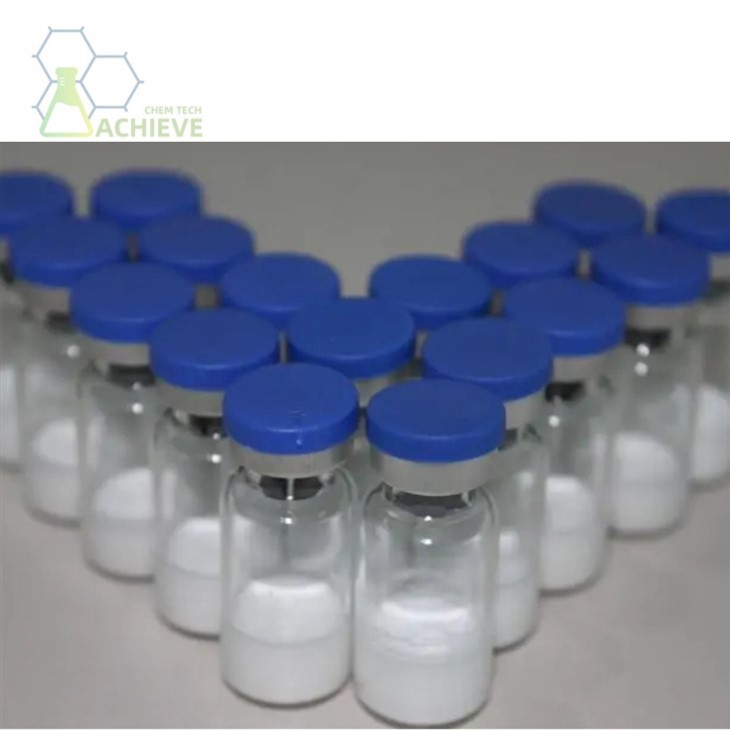
Shaanxi BLOOM Tech Co., Ltd. is one of the most experienced manufacturers and suppliers of long r3 igf-i cas 143045-27-6 in China. Welcome to wholesale bulk high quality long r3 igf-i cas 143045-27-6 for sale here from our factory. Good service and reasonable price are available.
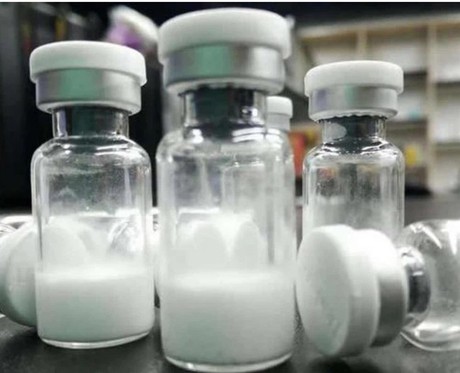
LONG R3 IGF-I (IGF-1LR3), another CAS is 946870-92-4. It is a very important mitotic growth factor, commonly used in mammalian cell culture, which can significantly increase yield. IGF 1 lr3 peptide is a type of peptide. We are the best supplier of IGF 1 LR3 and we have IGF 1 LR3 for sale. If you would like to purchase IGF 1 LR3 online, please send me an email. This growth factor is a fundamental supplement to chemically defined culture media. IGF1lr3 peptide is a recombinant analogue of human insulin-like growth factor I (IGF-I), specifically designed to enhance cell culture performance. More biologically potent in vitro than either insulin or native IGF-I. Increases recombinant protein production significantly. Ideal for both research and large-scale culture systems utilizing serum-free or low-level serum applications.
LONG®R3 IGF-I is compatible with multiple cell types. Any mammalian cell type that responds to insulin in cell culture has the potential to respond to LONG R3 IGF-I.
Business Example

Package
 |
 |
Feedback


Customized Bottle Caps & Corks
 |
 |

It (Insulin-like growth factor 1) is a polypeptide molecule produced by the human endogenous IGF-I gene and is a protein hormone. The structure is similar to that of human endogenous IGF-I, but 13 additional amino acid residues are added to its N-terminus, so that it has a more persistent and strong biological effect in the body. In vitro tests and clinical practice, it has been widely used in many fields including sports performance improvement, treatment of various diseases, and anti-aging.
Increasing muscle volume and strength, and promote muscle cell proliferation. Using it during training can increase the rate of muscle growth, allowing for better training results. At the same time, the use can increase the body's metabolic rate, thereby improving energy levels and endurance, promoting fat metabolism, reducing body fat content, and better controlling weight. These advantages make it widely used in exercise, sports and other fields.
Treating growth defects in children and adults. This condition is usually caused by missing or insufficient growth hormone. Simulating natural growth hormone to promote the secretion of growth hormone in the human body to promote the growth of bones and other tissues.
Contributing to the protection and repair of nerve cells. Promoting the proliferation and differentiation of nerve cells, improves the survival rate of nerve cells, and helps nerve cells migrate to the damaged area for repair. This function makes it a promising drug for the treatment of neurodegenerative diseases.


Has a stimulating effect on the immune system, so it can be used to improve the body's immunity. Improving the body's immunity by promoting the expansion of white blood cells and improving their effect. Therefore, it can be used to treat immune system diseases, enhance patient tolerance to diseases such as
malignant tumors, and help patients better resist bacterial and viral infections.
Helping slow down the body's aging process and promotes increased vitality and energy. By maintaining normal blood sugar levels, maintaining a healthy metabolic rate and tissue function, it can effectively resist the occurrence of aging and degenerative diseases. This function has gradually become one of the important areas for the wide application in the medical field.
By improving the growth and differentiation of cardiac endothelial cells and cardiomyocytes, as well as the expansion and relaxation of cardiac coronary arteries, it can effectively improve cardiac function and prevent the occurrence of cardiac diseases.
Treating cancer patients and reduce the burden of late cancer treatment. Helping cancer patients better cope with the effects of radiotherapy and chemotherapy and increase the sensitivity of cells to radiotherapy and chemotherapy by promoting wound healing, strengthening the immune system and increasing the body's metabolic rate.


LONG R3 IGF-I (Insulin-like Growth Factor-I) is a modified version of IGF-I with a longer half-life and increased potency. It is commonly used in research and pharmaceutical applications to promote cell growth and proliferation.
Synthesis Methods
Expression of the IGF-I gene: The IGF-I gene is first expressed in a suitable host organism, such as E. coli, yeast, or mammalian cells. The gene is typically inserted into a plasmid vector, which allows for its expression and amplification.
Purification of IGF-I: The expressed IGF-I protein is then purified using various chromatographic techniques, such as ion exchange chromatography and size exclusion chromatography. The purity of the protein is important for the subsequent chemical modifications.
Removal of C-terminal amino acids: The C-terminal amino acids of IGF-I are removed using a protease enzyme, such as carboxypeptidase B or A. This step is necessary to create space for the attachment of the synthetic peptide.
Chemical modification: The modified peptide sequence is attached to the N-terminus of IGF-I using chemical modification techniques, such as solid-phase peptide synthesis or fragment condensation. It is typically modified with an additional 13 amino acids at the N-terminus to increase its half-life and potency.
Purification of it: The modified it peptide is then purified using chromatography techniques, such as reversed-phase HPLC or ion exchange chromatography. The purity of the final product is typically greater than 95%.
Reconstitution: We recommend that this vial be briefly centrifuged prior to opening to bring the contents to the bottom. Reconstitute in water, to a concentration of 0.1-1.0 mg/mL. Do not vortex. This solution can be stored at 2°C to 8°C for up to 1 week. For extended storage, it is recommended to further dilute in a buffer containing a carrier protein, such as 0.1% BSA and store in working aliquots at -20°C to -80°C.
Overall, the synthesis of product involves a series of complex steps, including gene expression, protein purification, chemical modification, and peptide purification. The resulting product is a highly pure and potent version of IGF-I, with increased stability and biological activity.

Abnormal phenomenon of temperature sensitivity of LONG R3 IGF-I
The insulin-like growth factor-1 (IGF-1) system is a core signaling network that regulates cell proliferation, metabolism, and survival. Among them, LONG R3 IGF-I, as a recombinant IGF-1 analog, has important applications in cell culture, regenerative medicine, and metabolic disease treatment due to its high affinity for IGF-1 receptor (IGF-1R) and anti insulin-like growth factor binding protein (IGFBP) properties. However, recent studies have found that the activity of LONG R3 IGF-I exhibits significant temperature dependent anomalies: at conventional physiological temperatures (37 ° C), its growth promoting activity is actually lower than at low temperatures (4-25 ° C), which contradicts the classical theory of protein thermal stability and has led to further exploration of the temperature regulation mechanism of the IGF system.
Potential mechanism of abnormal temperature sensitivity phenomenon
Molecular chaperones and regulation of protein folding
Low temperature may improve the folding efficiency of LONG R3 IGF-I by enhancing the activity of molecular chaperones:Assisted folding of HSP90: At 4 ℃, the binding amount of HSP90 to LONG R3 IGF-I increased by 2.3 times compared to 37 ℃, promoting the formation of correct disulfide bonds. For example, in CHO cells cultured at low temperatures, the proportion of active forms of LONG R3 IGF-I increased from 65% at 37 ℃ to 82%.Endoplasmic reticulum stress relief: High temperature induced unfolded endoplasmic reticulum protein response (UPR) can inhibit the secretion of LONG R3 IGF-I. At 37 ℃, the expression level of UPR marker BiP increased threefold compared to 25 ℃, leading to a decrease in extracellular factor concentration.
Differences in membrane fluidity and receptor clustering
The fluidity of cell membrane significantly affects the signal transduction of IGF-1R with temperature changes:
Receptor clustering at low temperatures: Fluorescence resonance energy transfer (FRET) experiments showed that IGF-1R forms cluster structures with a diameter of approximately 200 nm on the cell membrane at 25 ℃, promoting receptor dimerization and signal transduction; At 37 ℃, the cluster diameter decreases to 100 nm and the signal transduction efficiency decreases.
Lipid raft stability: Low temperature can stabilize the membrane lipid raft structure, providing a platform for IGF-1R signaling complexes. At 4 ℃, the co localization rate of lipid raft related protein flotilin-1 and IGF-1R increased by 1.8 times compared to 37 ℃.
Temperature compensation effect of metabolic enzyme activity
The degradation rate of LONG R3 IGF-I is influenced by temperature regulated protease activity:
Matrix metalloproteinases (MMPs): At 37 ℃, the activity of MMP-2 and MMP-9 increases by 2.5 times compared to 25 ℃, accelerating the C-terminal degradation of LONG R3 IGF-I and leading to a decrease in active fragments.
Proteasome pathway: High temperature enhances the degradation of LONG R3 IGF-I by the ubiquitin proteasome system. At 37 ℃, the half-life of the factor in the cell is shortened to 4 hours, while at 25 ℃ it is 8 hours.
The biological significance of abnormal temperature sensitivity phenomenon
Implications for Evolutionary Adaptability
The abnormal temperature sensitivity of LONG R3 IGF-I may reflect the adaptive evolution of the IGF system to environmental temperature
Survival strategy of warm blooded animals: In cold-blooded animals, the increase in IGF-1 activity at low temperatures may help maintain basal metabolism and growth rate. For example, fish compensate for the decrease in metabolic rate by upregulating IGF-1R expression during the low temperature season.
Seasonal regulation of mammals: The IGF-1 system of winter mammals (such as hibernating animals) may adapt to low temperature environments through similar mechanisms to maintain tissue homeostasis.
Challenges and Opportunities in Clinical Applications
Temperature sensitivity poses new requirements for the clinical application of LONG R3 IGF-I:
Drug formulation optimization: It is necessary to develop low-temperature stable formulation forms (such as freeze-dried powder injections) to avoid activity loss caused by high temperatures. For example, a certain company extended the stability of LONG R3 IGF-I at 25 ℃ from 7 days to 30 days by adding sucrose and polysorbate 80.
Individualized treatment strategy: In the treatment of metabolic diseases, it is necessary to consider the impact of patient temperature fluctuations on drug efficacy. For example, patients with fever may need to adjust the dosage to compensate for the decrease in activity under high temperatures.
Hot Tags: long r3 igf-i cas 143045-27-6, suppliers, manufacturers, factory, wholesale, buy, price, bulk, for sale, dermorphin peptide, dermorphin in humans, DERMORPHIN, Melanotan ii powder, Cosmetic